
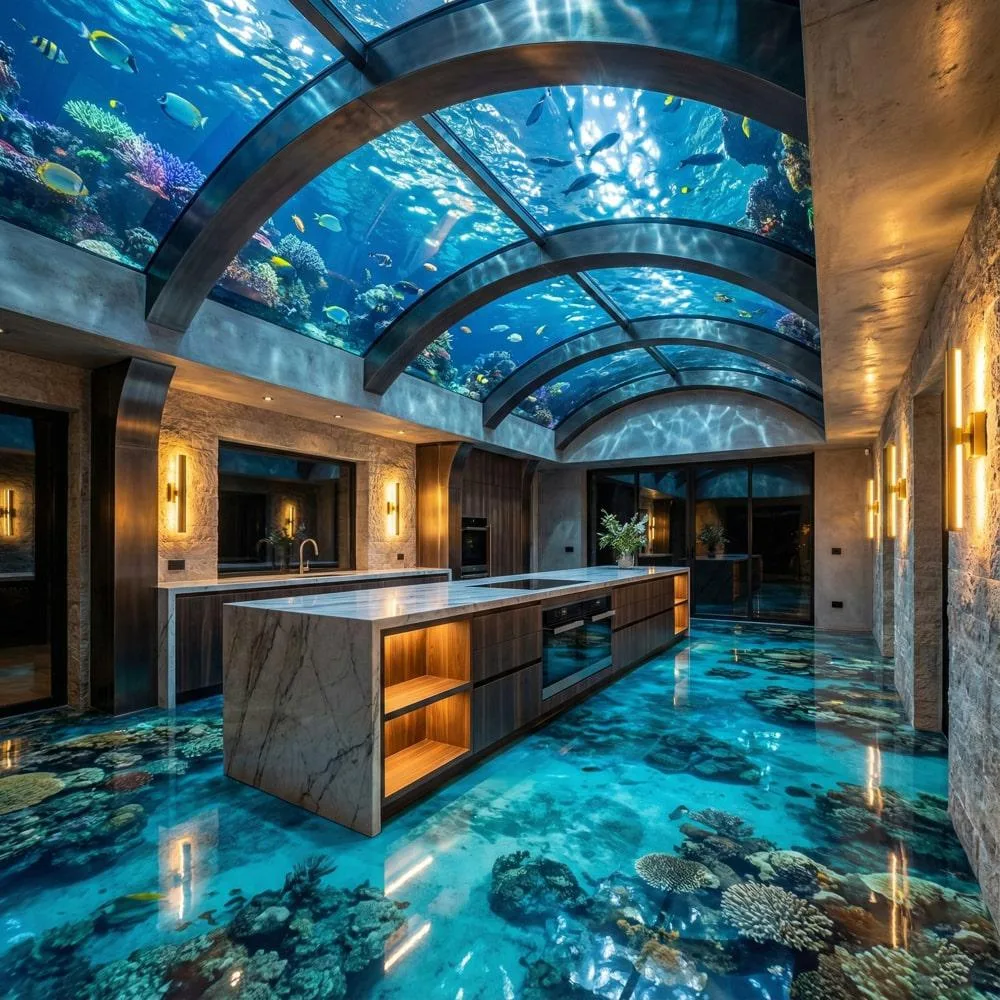
Imagine lying in bed and gazing upward to see colorful fish swimming gracefully overhead, or walking into your living room to discover an entire ocean ecosystem suspended above you. An aquarium ceiling represents one of the most innovative and breathtaking design trends in modern architecture and interior design. This comprehensive guide explores everything you need to know about incorporating aquarium ceiling elements into your home or commercial space, from actual glass installations to sophisticated projection systems and lighting solutions.
Understanding the Aquarium Ceiling Concept
The concept of an aquarium ceiling pushes the boundaries of traditional interior design by bringing aquatic life and oceanic aesthetics to the most unexpected place in your room. Whether you’re considering a genuine fish aquarium ceiling with live marine life or exploring alternative approaches like projectors and specialized lighting, this design choice creates an immersive environment that captivates everyone who experiences it.
The popularity of aquarium ceiling installations has grown significantly over the past decade as homeowners and designers seek unique ways to create memorable spaces. From luxury hotels to private residences, these installations serve as stunning focal points that combine nature, technology, and architectural innovation.
Types of Aquarium Ceiling Installations
The Glass Aquarium Ceiling
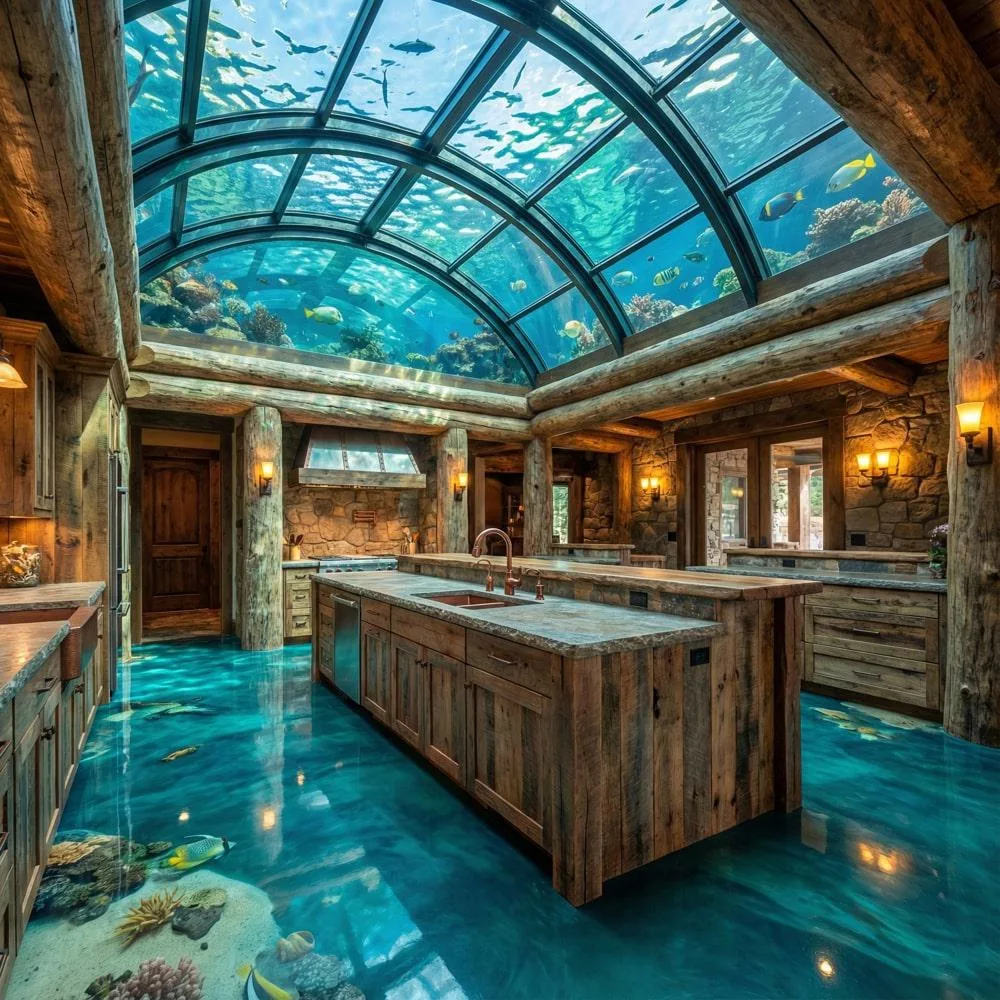
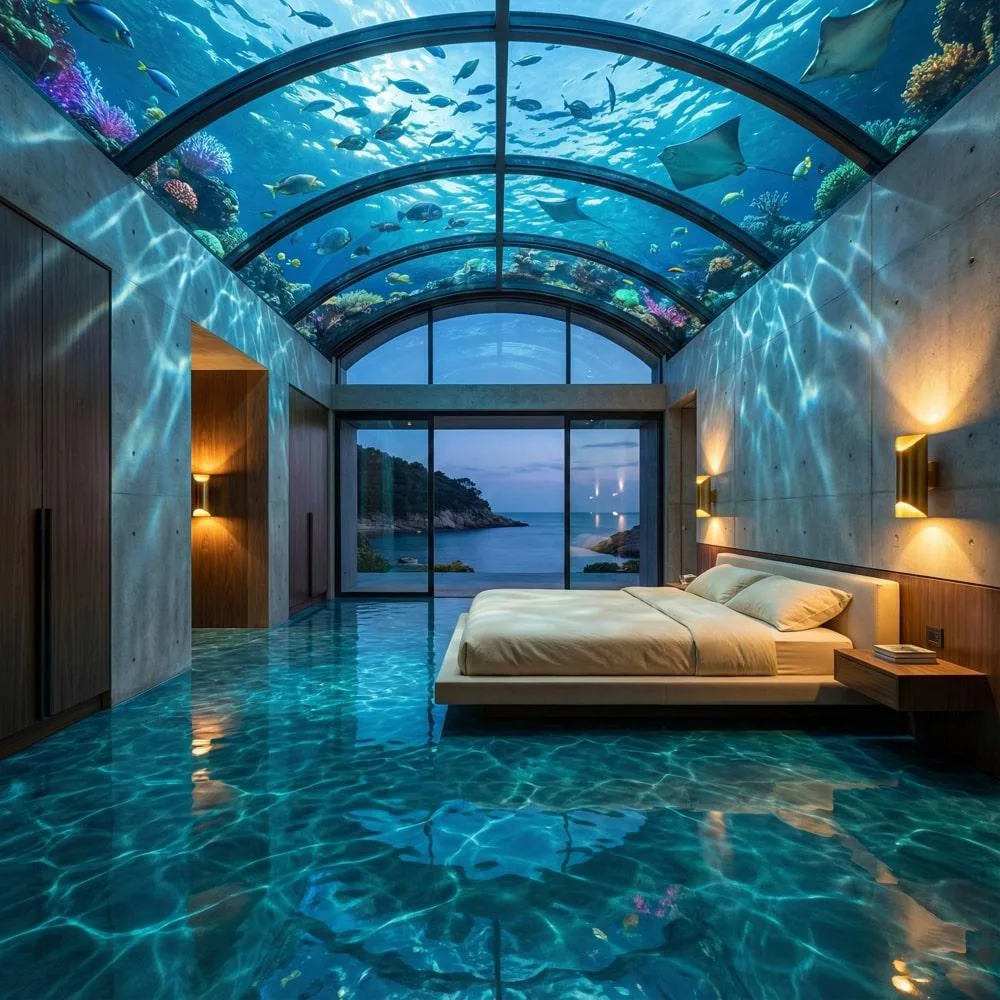
An aquarium glass ceiling represents the ultimate in luxury aquatic design. These installations involve actual water filled tanks constructed into or suspended from the ceiling structure, housing live fish and aquatic plants. The engineering required for such projects is substantial, as the ceiling must support considerable weight while ensuring complete waterproofing and safety.
The most famous example of large scale aquarium ceiling design can be found at facilities like the Shedd Aquarium ceiling installations in Chicago, where architectural ingenuity meets marine biology. The shedd aquarium ceiling features demonstrate how public spaces can incorporate overhead aquatic elements to enhance visitor experiences and create unforgettable atmospheres.
For residential applications, a fish aquarium ceiling typically involves smaller installations, often positioned over specific areas like bedrooms, bathrooms, or entertainment spaces. These require collaboration between structural engineers, aquarium specialists, and architects to ensure the installation meets building codes and provides a safe, maintainable environment for aquatic life.
Aquarium Ceiling for Rooms: Practical Considerations
When planning an aquarium ceiling for rooms in your home, several critical factors demand attention. The structural integrity of your ceiling must be thoroughly assessed by a professional engineer. Water weighs approximately eight pounds per gallon, meaning even a modest 100 gallon overhead aquarium adds 800 pounds of weight, plus the tank materials, equipment, and decorations.
Maintenance access is another crucial consideration. Your aquarium ceiling design must include practical methods for feeding fish, cleaning the tank, changing water, and servicing filtration equipment. Many successful installations incorporate removable panels or dedicated access points that blend seamlessly with the overall design.
Climate control also plays a vital role. Aquarium water temperatures must remain stable, which can affect your room’s heating and cooling requirements. Additionally, the humidity generated by an open or partially open aquarium ceiling can impact air quality and may require enhanced ventilation systems.
Alternative Approaches to Aquarium Ceiling Design
Aquarium Ceiling Projector Solutions
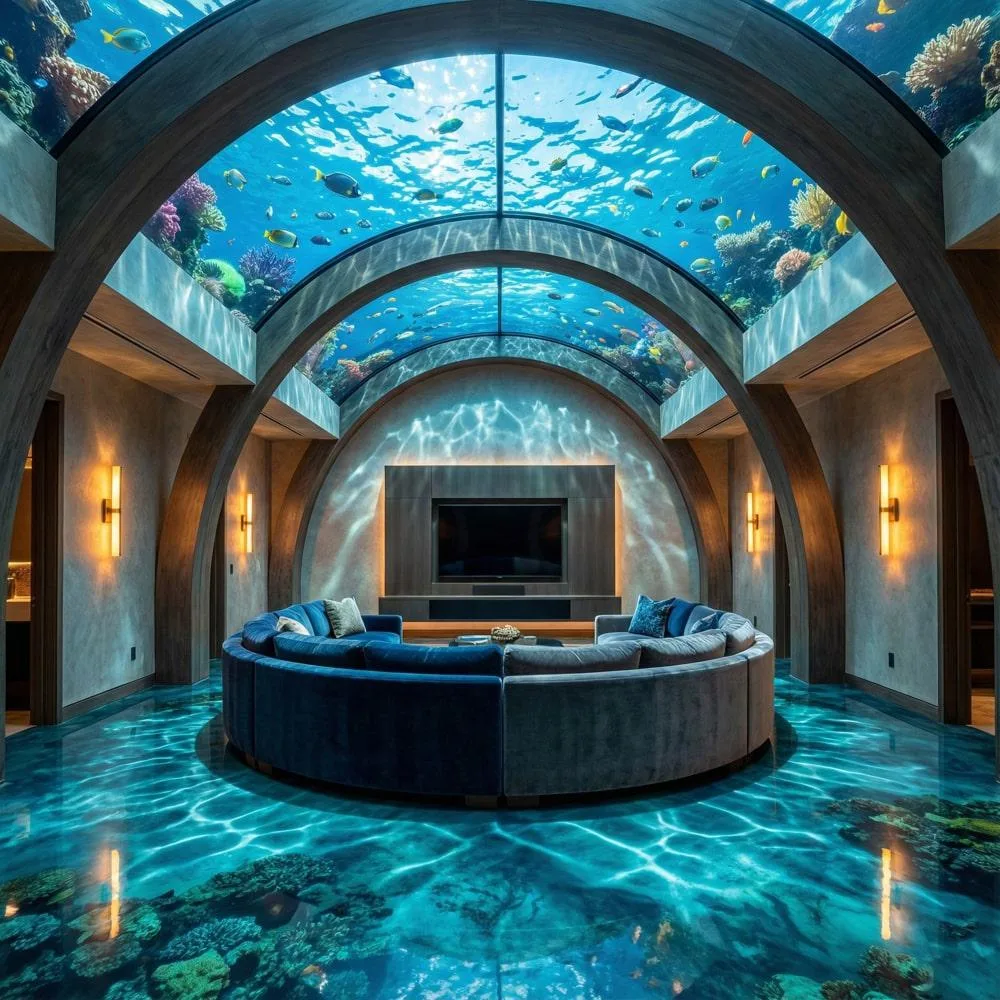
For those who love the aesthetic of an underwater environment without the complexity and maintenance of a real aquarium glass ceiling, an aquarium ceiling projector offers an innovative alternative. These sophisticated projection systems can transform any ceiling into a dynamic underwater scene complete with swimming fish, gently swaying kelp forests, and rippling water effects.
Modern aquarium ceiling projector technology has advanced significantly, offering high definition imagery, customizable scenes, and even interactive elements that respond to movement or sound. These systems are particularly popular in children’s bedrooms, spa environments, and entertainment venues where creating an immersive atmosphere is paramount.
The installation of an aquarium ceiling projector is far simpler than a real tank, requiring only mounting hardware for the projector and, in some cases, a specialized screen material on your ceiling to enhance image quality. Many systems include remote controls or smartphone apps that allow you to adjust brightness, change scenes, and set automatic schedules.
Aquarium Ceiling Light Solutions
An aquarium ceiling light serves dual purposes in aquarium installations. For actual fish tanks built into ceilings, specialized aquarium light ceiling mount fixtures provide essential illumination for plant photosynthesis and fish health while creating stunning visual effects visible from below.
LED technology has revolutionized aquarium ceiling light options, offering energy efficient solutions with customizable color temperatures and intensities. Many modern aquarium light ceiling mount systems include programmable features that simulate natural daylight cycles, enhancing both the health of aquatic life and the viewing experience.
For decorative applications without live fish, aquarium ceiling light installations can incorporate fiber optic systems, color changing LEDs, and holographic elements that create the illusion of underwater light patterns dancing across your ceiling. These installations deliver the aesthetic appeal of an aquarium environment while requiring minimal maintenance.
Aquarium Shaped Ceiling Design Elements
Not every aquarium ceiling involves water or projections. An aquarium shaped ceiling uses architectural elements, materials, and design techniques to evoke the feeling of being underwater without actual aquatic components. This approach might incorporate curved ceiling profiles reminiscent of aquarium glass, blue and green color palettes, wavelike textures, and strategic lighting that mimics the way light filters through water.
Designers working with aquarium shaped ceiling concepts often integrate materials like translucent panels, textured glass, or specially treated surfaces that catch and refract light in ways similar to water. Combined with appropriate furnishings and decor, these spaces can create a cohesive underwater atmosphere that feels immersive and calming.
Special Considerations: Log Cabin with an Aquarium Ceiling
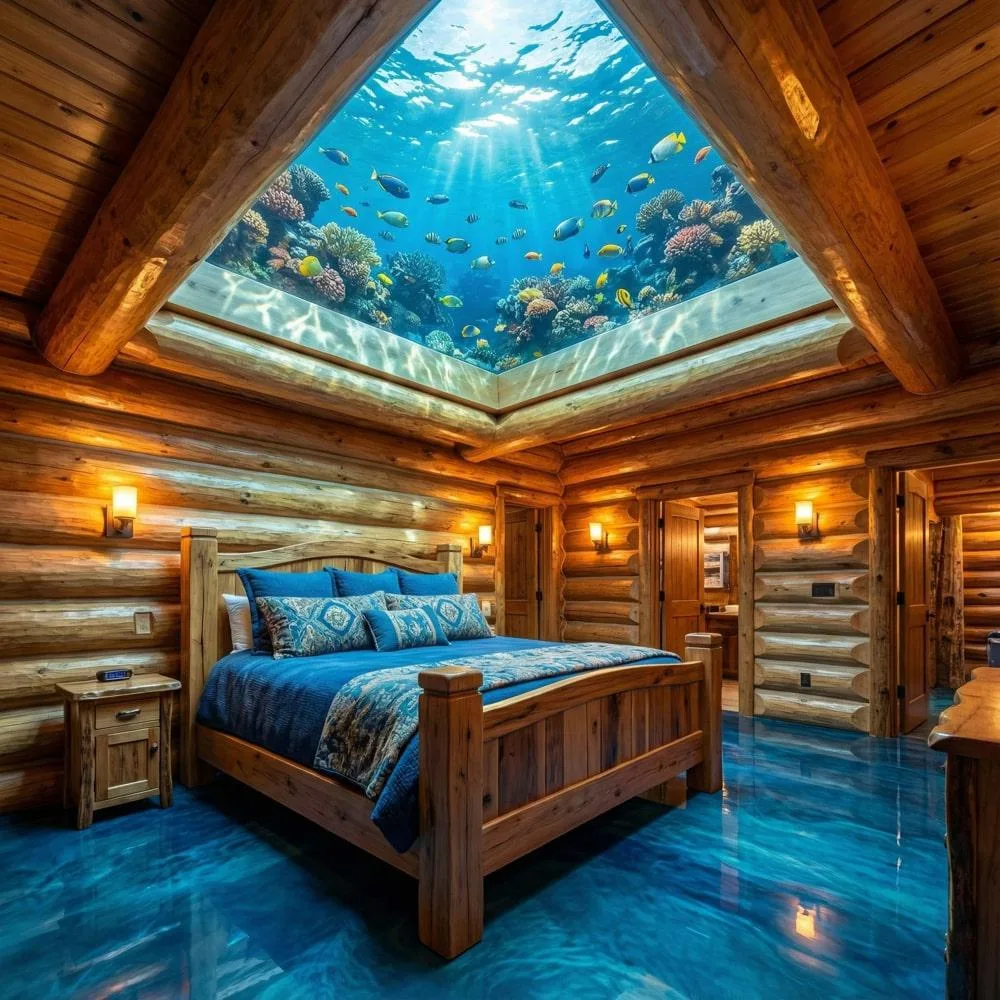
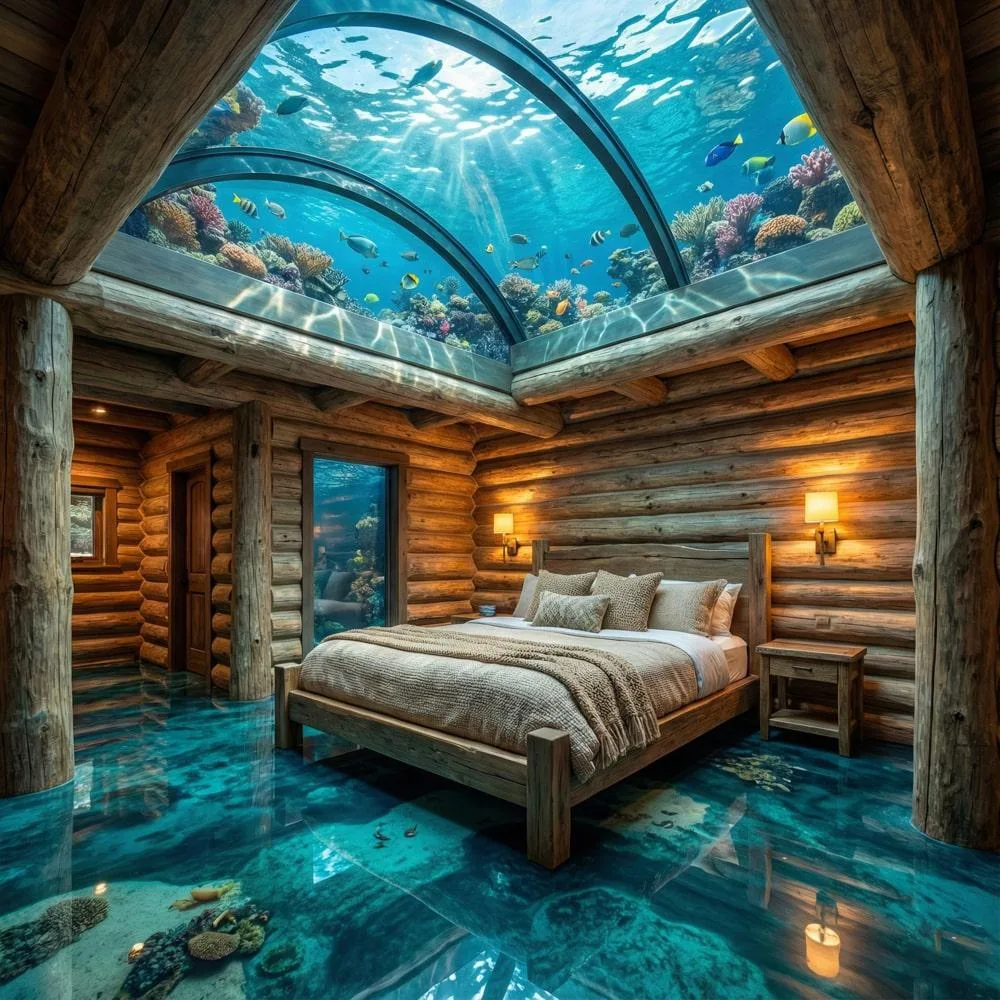
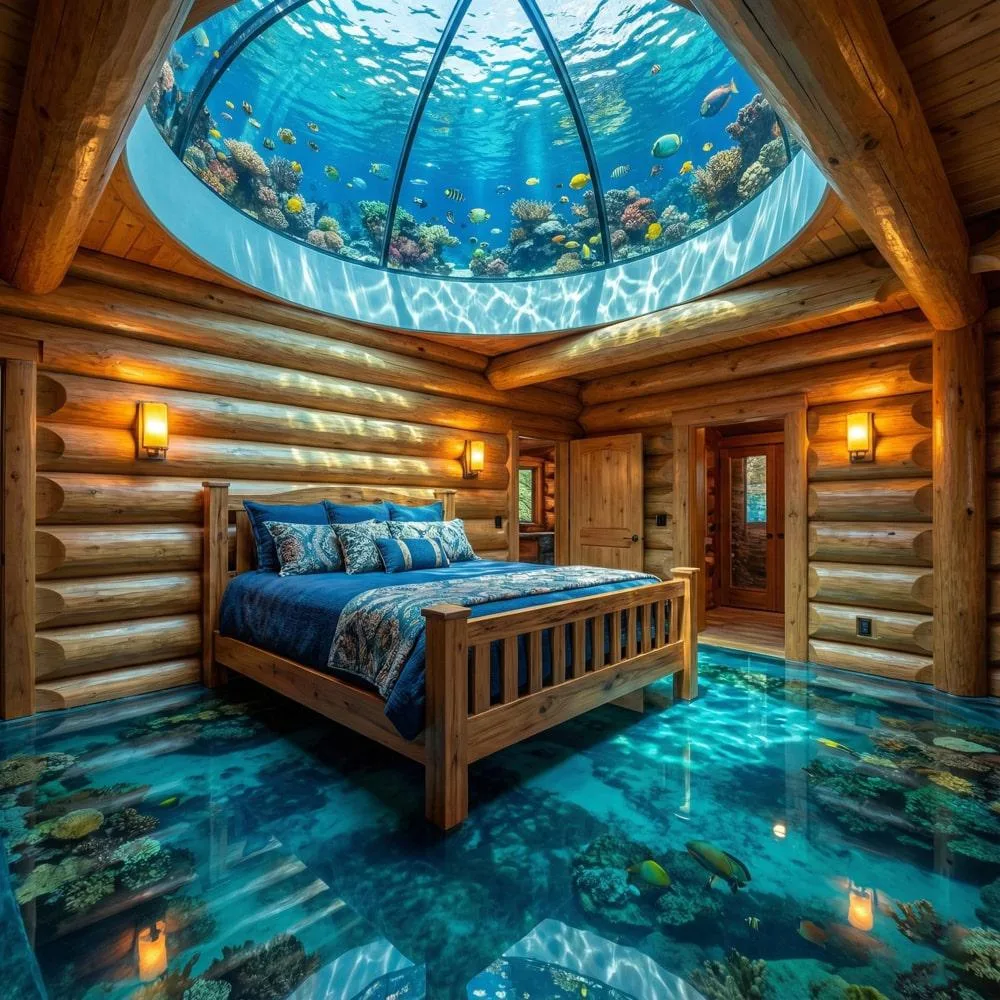
The combination of rustic architecture and modern aquarium design might seem unlikely, but a log cabin with an aquarium ceiling creates a striking juxtaposition that many find irresistible. The natural wood elements of log construction provide a warm, organic framework that complements the flowing, dynamic nature of aquatic displays.
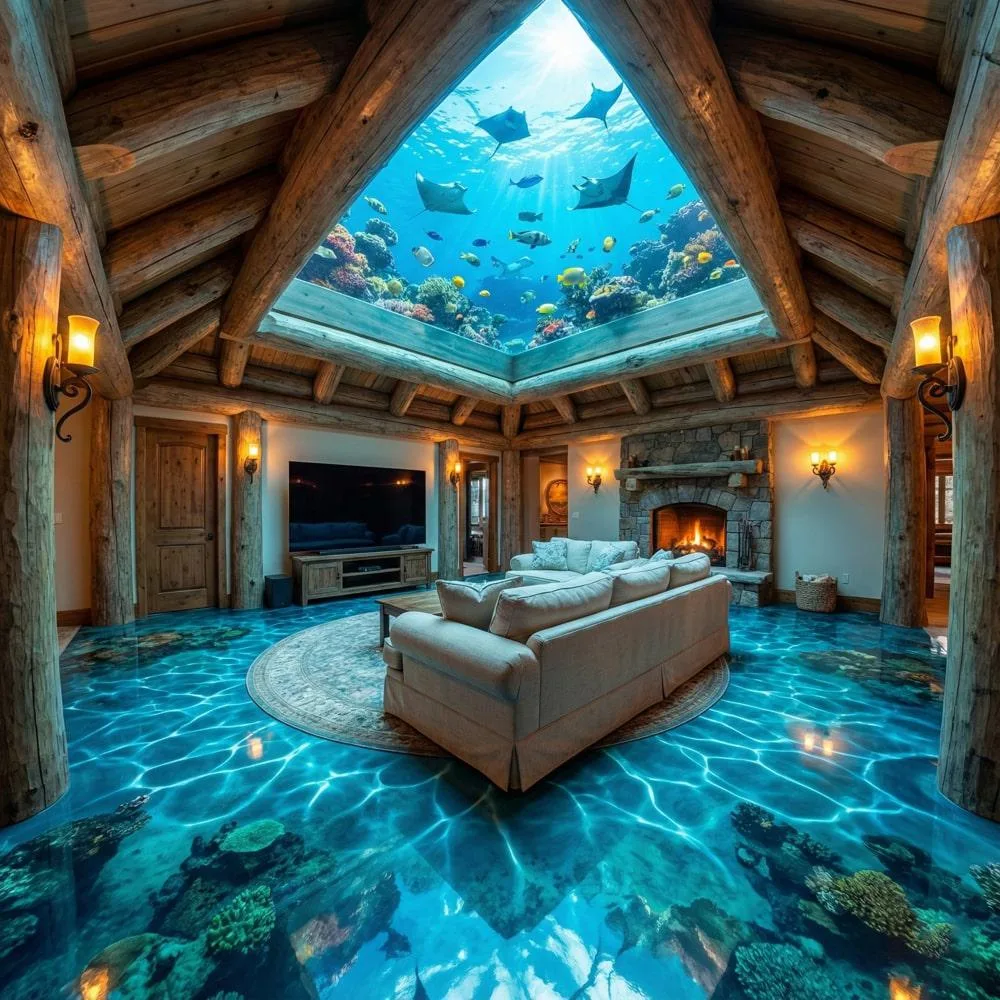
In a log cabin with an aquarium ceiling, designers often emphasize the contrast between solid, earthbound materials and the fluid, ethereal quality of water. This can be particularly effective in great rooms with high, vaulted ceilings where a central aquarium installation becomes a dramatic focal point visible throughout the space.
The structural advantages of log cabin construction, with its substantial load bearing capabilities, can actually make it an ideal candidate for supporting the weight of an aquarium glass ceiling installation. However, careful attention must be paid to moisture control, as excessive humidity can affect wood over time.
Innovative Uses: Aquarium Ceiling Fan Integration
While an aquarium ceiling fan might sound unusual, creative designers have found ways to incorporate air circulation with aquarium aesthetics. Some installations feature decorative fan blades designed to resemble aquatic creatures or plant life, creating kinetic sculpture effects that enhance the underwater theme.
For rooms with actual overhead aquariums, strategic placement of standard ceiling fans in adjacent areas helps manage the humidity and temperature variations that aquarium installations can create. The key is integrating these practical elements in ways that complement rather than detract from the overall aquatic aesthetic.
Design Inspiration and Style Considerations
When planning your aquarium ceiling project, consider how it integrates with your overall interior design style. A modern minimalist space might feature a sleek, frameless aquarium glass ceiling with clean lines and contemporary fish species like discus or angelfish. A more eclectic or bohemian environment could incorporate colorful tropical species, live plants, and more organic shaped installations.
Color psychology plays an important role in aquarium ceiling design. Blue tones typically create calming, meditative environments ideal for bedrooms or relaxation spaces. Warmer colors introduced through lighting or fish species can energize entertainment areas and social spaces. The constant, gentle movement of fish and water provides a living art installation that continuously evolves and never becomes static or boring.
Lighting design deserves special attention. The interplay between ambient room lighting and aquarium specific illumination creates depth and drama. Many successful installations incorporate dimmable controls that allow you to adjust the atmosphere throughout the day, from bright and energizing morning settings to soft, soothing evening ambiance.
Maintenance and Long Term Care
Whether you choose a real fish aquarium ceiling or an alternative approach, planning for maintenance from the beginning ensures your installation remains beautiful and functional for years to come. For live aquarium installations, establish relationships with aquarium maintenance professionals who understand the unique challenges of overhead tanks.
Regular maintenance schedules should include water quality testing, partial water changes, filter cleaning, and health checks for fish and plants. The equipment supporting your aquarium ceiling, including pumps, heaters, and lighting systems, requires periodic inspection and eventual replacement.
For aquarium ceiling projector systems, maintenance primarily involves cleaning projection lenses, replacing bulbs or LED arrays as needed, and updating software to access new features and content. These systems typically require far less ongoing attention than live aquariums but still benefit from regular care.
Document all maintenance activities, equipment specifications, and supplier information. This documentation becomes invaluable if you need to troubleshoot problems, order replacement parts, or eventually sell your property.
Budget Considerations and Investment Value
The financial investment required for aquarium ceiling projects varies dramatically based on your chosen approach. A high quality aquarium ceiling projector system might cost between one thousand and five thousand dollars including installation. An aquarium ceiling light decorative installation without live fish could range from five hundred to three thousand dollars depending on complexity and materials.
Genuine fish aquarium ceiling installations represent substantial investments, potentially ranging from twenty thousand to over one hundred thousand dollars for luxury residential projects. These costs include structural engineering, waterproofing, the aquarium system itself, initial stocking with fish and plants, and ongoing maintenance equipment.
Consider the return on investment beyond pure financial terms. The joy, relaxation, and unique aesthetic these installations provide can significantly enhance your quality of life. For commercial applications, a stunning aquarium ceiling can become a signature feature that attracts customers and creates memorable brand experiences.
Safety and Building Code Compliance
Safety must be the top priority for any aquarium ceiling installation. Work exclusively with licensed professionals who understand local building codes and structural requirements. Proper engineering ensures your ceiling can safely support the weight while multiple redundant waterproofing layers prevent leaks.
Install leak detection systems and automatic shutoff valves that minimize damage in the unlikely event of a failure. Ensure electrical systems serving aquarium equipment include ground fault circuit interrupters and meet all relevant electrical codes. For installations over sleeping areas or valuable furnishings, consider additional protective measures like specialized insurance riders.
Building permits are typically required for substantial aquarium ceiling installations. While obtaining permits adds time and cost to your project, the process ensures your installation meets safety standards and won’t create problems during future property sales or renovations.
Environmental and Ethical Considerations
If you’re planning a fish aquarium ceiling with live animals, commit to providing appropriate habitats and care. Research the specific needs of your chosen species regarding water parameters, social structures, and spatial requirements. Overhead tanks can create stress for some fish species, so select hardy, adaptable species that thrive in captive environments.
Consider the environmental impact of your installation. Choose energy efficient equipment, especially lighting and filtration systems that run continuously. Some enthusiasts incorporate their aquarium systems into home heating or cooling systems, recapturing waste heat or using aquarium evaporation to provide natural humidification.
Source fish and plants responsibly from reputable dealers who practice sustainable collection and breeding. Avoid species collected from wild populations in ways that damage natural ecosystems. Many beautiful and interesting fish species are now reliably bred in captivity, making it unnecessary to impact wild populations.
Bringing Your Vision to Life: A Comprehensive Aquarium Ceiling Experience
Creating the perfect aquarium ceiling installation brings together multiple disciplines including architecture, engineering, design, and in the case of live installations, marine biology. Success requires careful planning, realistic budgeting, and commitment to ongoing maintenance, but the results can be truly extraordinary.
Start by clearly defining your goals. Do you want the authentic experience of live fish swimming overhead, or would a technological solution like an aquarium ceiling projector better suit your lifestyle and budget? Consider how the installation will function throughout different seasons and times of day. Think about long term maintenance and how your life might change over the years.
Gather inspiration from completed projects, visiting public aquarium ceiling installations like those at the shedd aquarium ceiling exhibits when possible. Consult with multiple professionals to understand different approaches and price points. Many aquarium ceiling for rooms projects evolve significantly during the planning process as homeowners discover options they hadn’t initially considered.
Document your project from conception through completion. These records serve practical purposes for maintenance and future reference while also creating a fascinating chronicle of bringing an extraordinary design vision to reality.
Creating Your Own Underwater Paradise: Making the Dream Real
The journey toward installing an aquarium ceiling transforms more than just your physical space. It represents a commitment to bringing nature, beauty, and innovation into your daily environment in ways that continuously inspire wonder. Whether you choose the authenticity of an aquarium glass ceiling with living creatures, the flexibility of an aquarium ceiling projector, or the artistic interpretation of an aquarium shaped ceiling design, you’re creating something that transcends ordinary interior decoration.
These installations remind us that our homes and spaces can be as imaginative as we dare to make them. An aquarium ceiling challenges conventional thinking about how rooms should look and function, replacing flat, static surfaces with dynamic, engaging environments that connect us with the natural world in unexpected ways.
As technology continues advancing and design boundaries keep expanding, we’ll undoubtedly see even more innovative approaches to aquarium ceiling concepts. What remains constant is humanity’s enduring fascination with aquatic life and our desire to bring the mystery and beauty of underwater worlds into our everyday lives. With proper planning, quality execution, and ongoing care, your aquarium ceiling will provide years of enjoyment while serving as a testament to the power of creative vision and thoughtful design.