

Imagine sitting down for dinner with your family while colorful fish glide peacefully beneath the glass surface of your table. An aquarium dining table represents one of the most innovative intersections of furniture design and aquatic keeping, creating a stunning focal point that transforms any dining area into a conversation starter. This comprehensive guide explores everything you need to know about these remarkable pieces of functional art.
What Makes Aquarium Dining Tables So Special
The concept of integrating a living aquarium into dining furniture has captured the imagination of interior designers and homeowners alike. These tables serve dual purposes as both practical dining surfaces and mesmerizing aquatic displays. Unlike traditional furniture, an aquarium dining table brings movement, color, and life into your eating space, creating an ambiance that static furniture simply cannot match.
The transparent design allows diners to observe fish from multiple angles while enjoying meals, making every dining experience feel like an underwater adventure. Children particularly love these tables, as they transform ordinary mealtimes into educational opportunities to learn about aquatic life and ecosystems.
Understanding Different Types of Aquarium Tables
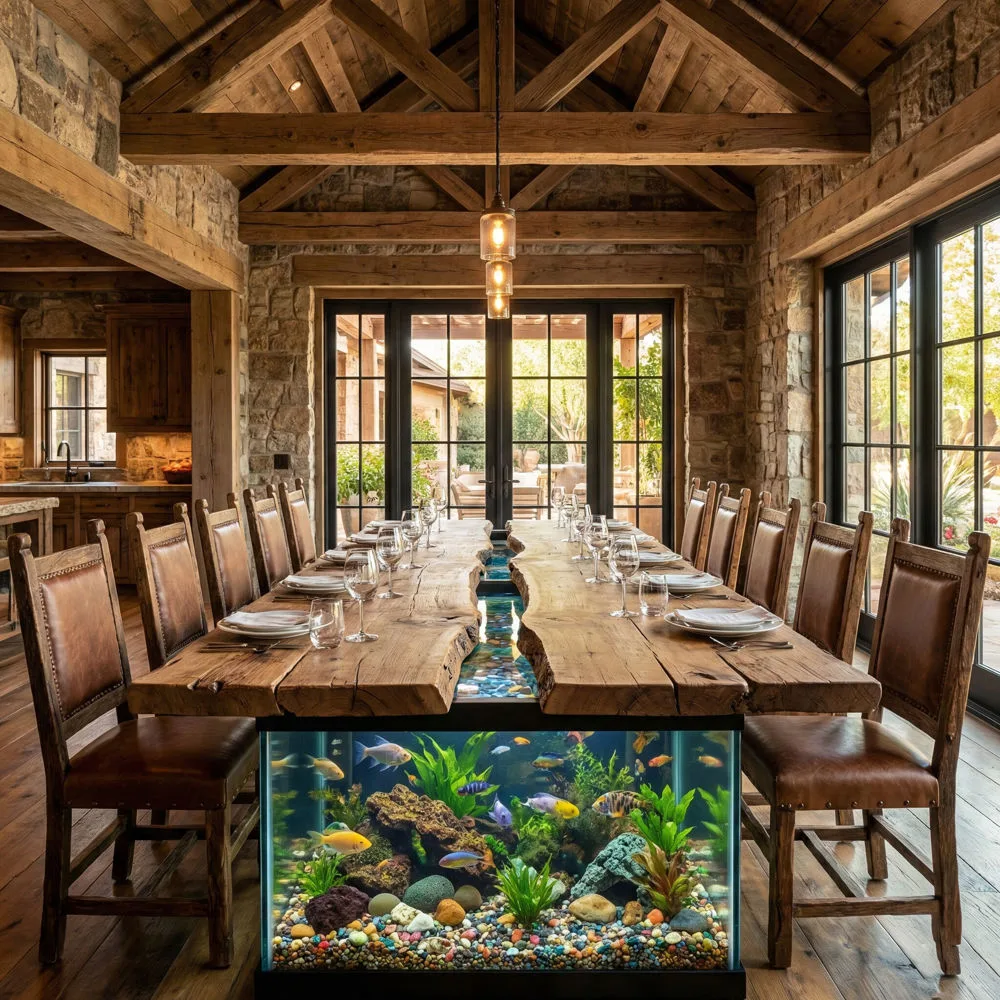
Fully Integrated Aquarium Dining Tables
These sophisticated designs feature the aquarium as the central support structure of the table. The tank itself forms the base or pedestal, with a tempered glass top resting securely above. This design maximizes viewing angles and creates the illusion that your dining surface floats above an underwater world.
Fully integrated models typically range from 30 to 75 gallons in capacity, providing ample space for various fish species while maintaining structural integrity. The engineering behind these tables ensures that the weight distribution supports both the water and the items placed on the dining surface.
Rectangular Aquarium Coffee and Dining Tables
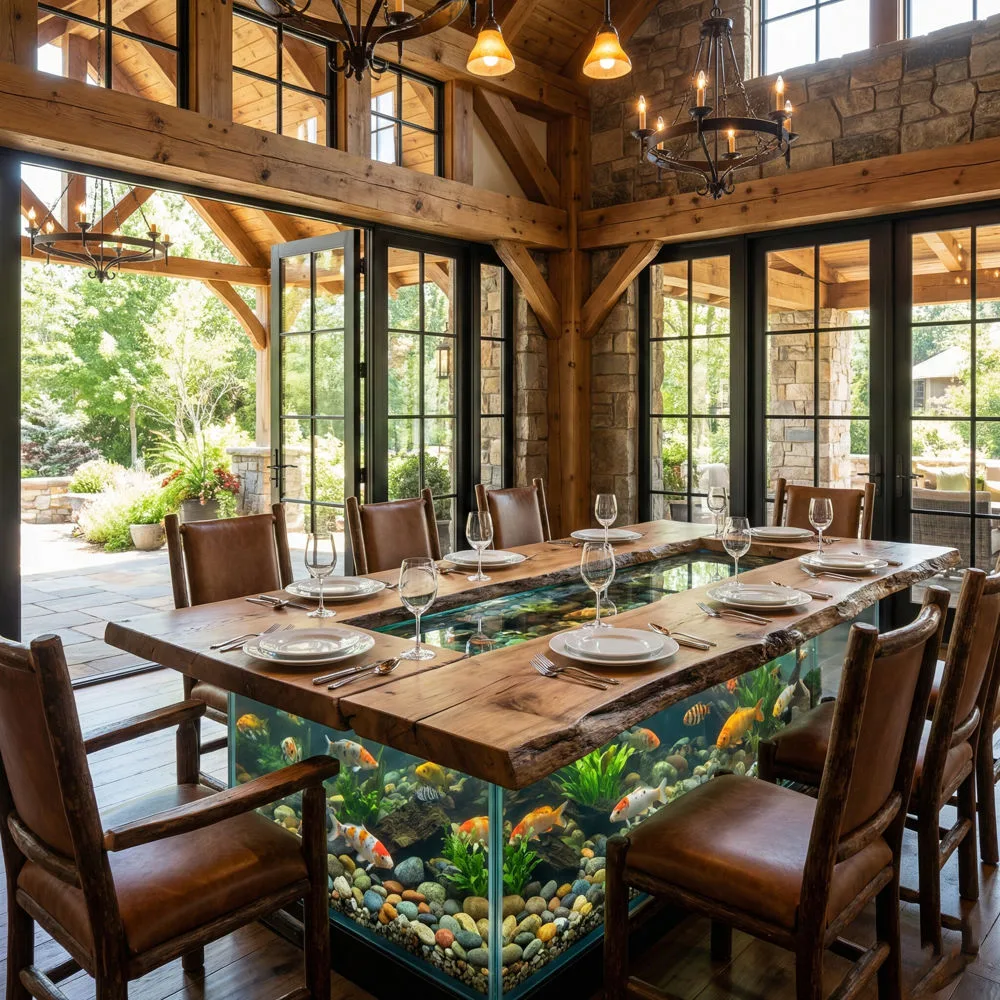
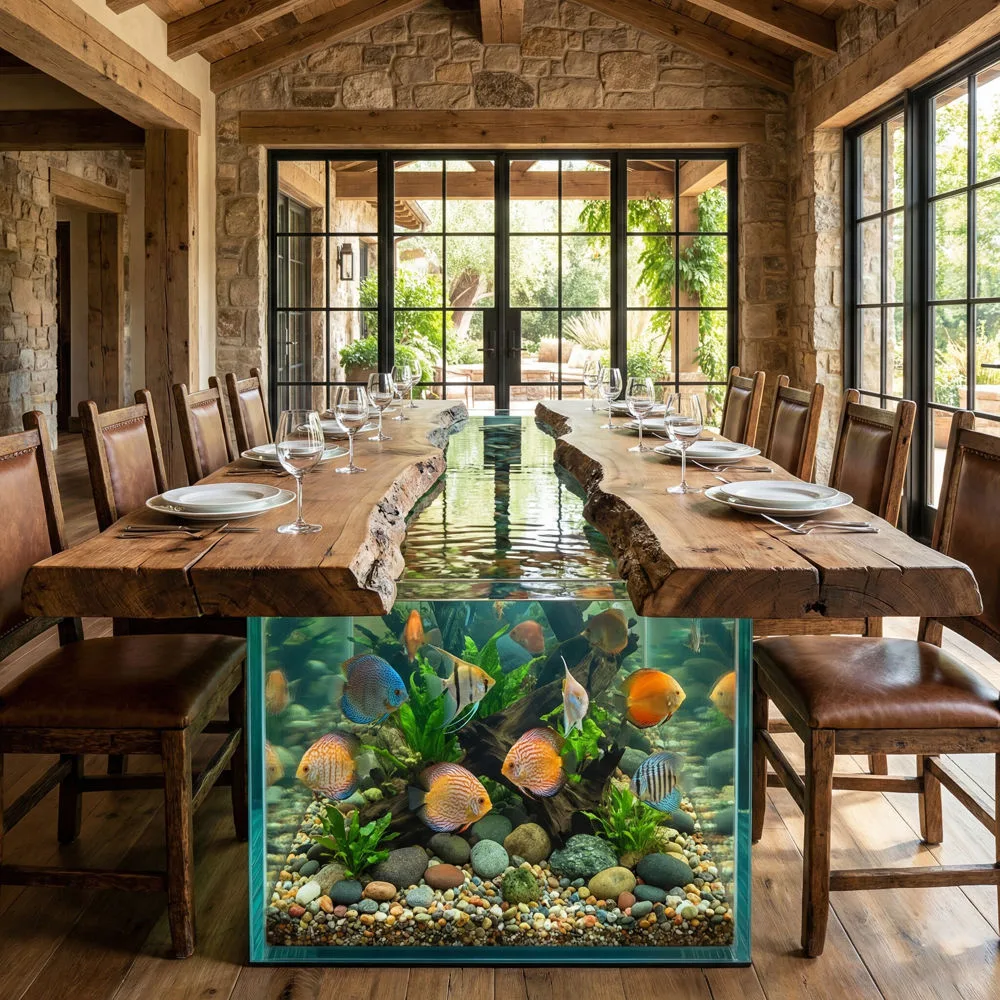
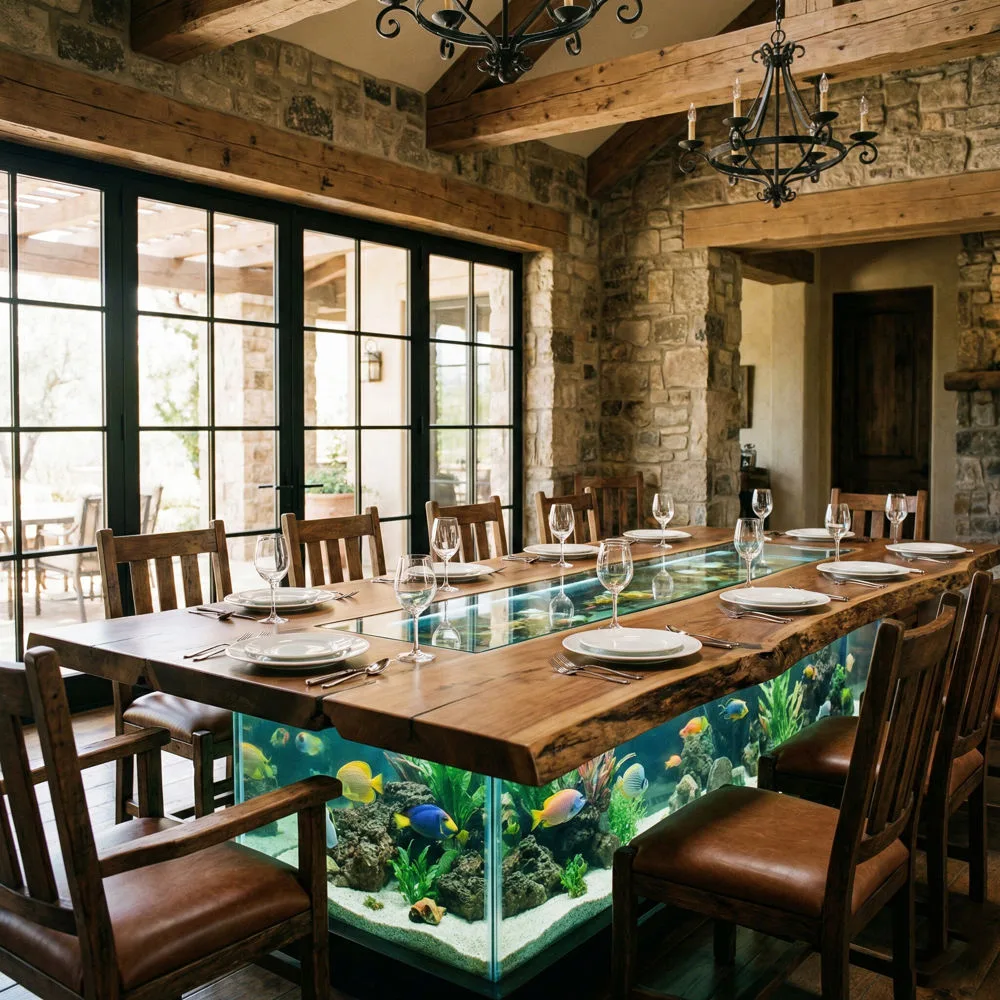
Rectangular designs offer more traditional proportions while incorporating aquariums along the length of the table. These models often feature aquariums running through the center of the table base, allowing diners on both sides to enjoy the aquatic display. The rectangular shape makes them ideal for standard dining room configurations and provides more surface area for place settings.
Cylindrical and Circular Designs
Round aquarium tables create a unique dining experience where everyone sits with equal access to the underwater display. The cylindrical aquarium at the center becomes a communal focal point, encouraging conversation and interaction. These designs work exceptionally well in breakfast nooks or smaller dining spaces where a round table promotes intimacy.
The Benefits of Owning an Aquarium Dining Table
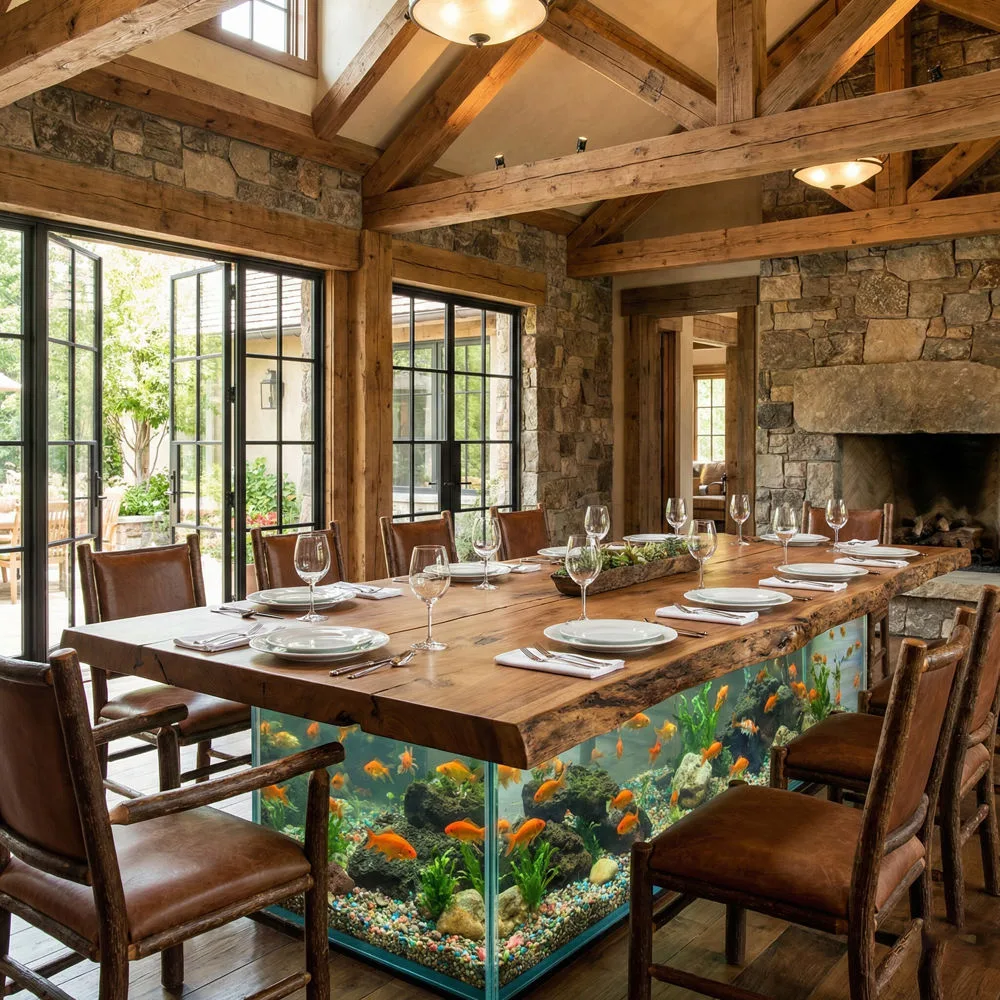
Stress Reduction and Mental Health
Scientific research consistently shows that watching fish swim reduces stress levels and lowers blood pressure. Having an aquarium integrated into your dining table means you enjoy these therapeutic benefits during every meal. The gentle movement of fish and the soft gurgling of water create a naturally calming environment that helps family members decompress after busy days.
Educational Value for Children
For families with children, an aquarium dining table serves as an ongoing science lesson. Kids learn about aquatic ecosystems, fish behavior, water chemistry, and the responsibility of caring for living creatures. Mealtimes become opportunities to observe fish feeding patterns, social hierarchies, and reproductive behaviors.
Unique Design Statement
Interior designers increasingly recognize aquarium furniture as a signature piece that elevates entire rooms. An aquarium dining table demonstrates refined taste and a willingness to embrace innovative design. The living artwork constantly changes, ensuring your dining space never feels stale or predictable.
Improved Air Quality
Aquariums naturally improve indoor air quality by increasing humidity levels, which can be particularly beneficial in dry climates or during winter months when heating systems remove moisture from the air. The biological filtration system also helps process airborne particles.
Choosing the Right Fish for Your Dining Table Aquarium

Freshwater vs. Saltwater Considerations
Most aquarium dining tables work best with freshwater setups due to simpler maintenance requirements and lower costs. Freshwater fish like guppies, tetras, mollies, and corydoras catfish thrive in these environments and offer brilliant colors without the complexity of marine systems.
However, experienced aquarists may opt for saltwater setups featuring clownfish, damselfish, or gobies. Saltwater aquariums require more intensive maintenance but reward owners with even more vibrant colors and exotic species.
Peaceful Community Fish
Since your aquarium dining table will be in a high traffic area with regular movement and noise, selecting peaceful, adaptable species is crucial. Avoid aggressive fish that stress easily or require extremely stable, quiet environments. Community fish that school together create dynamic visual displays that enhance the dining experience.
Size and Bioload Considerations
The limited capacity of most aquarium tables means careful attention to bioload is essential. Bioload refers to the waste produced by fish and its impact on water quality. Smaller fish species allow you to maintain a larger population without overwhelming your filtration system, creating a fuller, more visually interesting display.
Essential Features to Look for When Purchasing
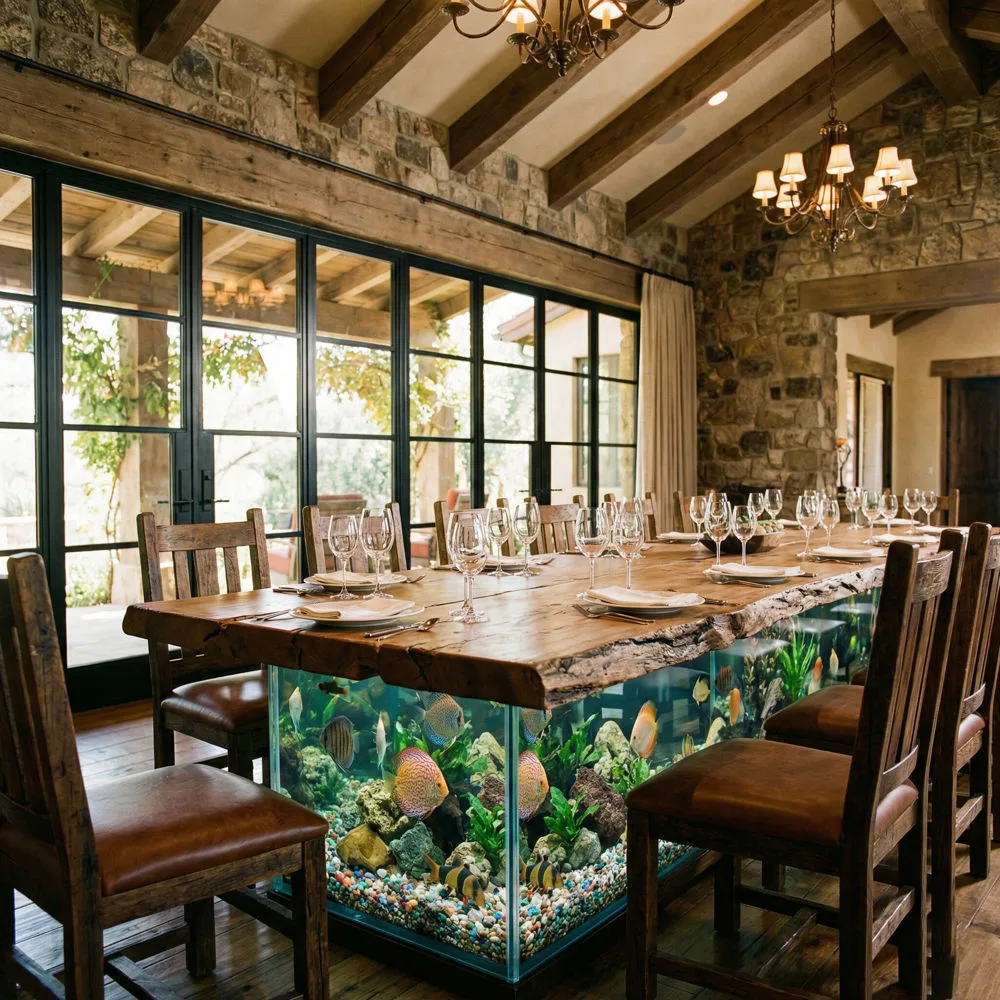
Quality Filtration Systems
The filtration system represents the heart of any aquarium table. Look for models with robust biological, mechanical, and chemical filtration capabilities. Hidden filtration compartments maintain the aesthetic appeal while ensuring water quality remains optimal. Advanced models include UV sterilizers that eliminate harmful bacteria and algae spores.
Accessible Maintenance Panels
Regular maintenance is non-negotiable for healthy aquariums. Well designed aquarium dining tables feature discrete access panels for feeding, cleaning, and equipment servicing without requiring you to move the entire table. Top loading designs generally offer the best accessibility.
Proper Lighting Systems
LED lighting has revolutionized aquarium tables by providing energy efficient illumination that enhances fish colors while promoting plant growth if you choose a planted tank setup. Adjustable lighting allows you to create different moods for various occasions, from bright and vibrant during family dinners to soft and ambient for romantic meals.
Temperature Control
Integrated heaters and cooling systems maintain stable water temperatures regardless of room conditions. Tropical fish typically require temperatures between 75 and 80 degrees Fahrenheit. Quality aquarium tables include thermostats and temperature displays for easy monitoring.
Installation and Setup Process
Professional vs. DIY Installation
While handy homeowners might consider DIY installation, professional setup is strongly recommended for aquarium dining tables. These complex systems require proper leveling, electrical connections, plumbing for water changes, and careful attention to weight distribution. Professional installers ensure all components function correctly and that the table sits on a properly supported floor area.
Floor Support Considerations
A filled aquarium table can weigh anywhere from 300 to 1000 pounds depending on size. Before installation, verify that your floor can support this concentrated weight. Ground floor installations rarely present issues, but second story placements may require structural reinforcement. Consulting a structural engineer provides peace of mind and prevents costly damage.
Cycling Your Aquarium
New aquariums must undergo a cycling process before adding fish. This biological maturation period typically takes four to six weeks as beneficial bacteria colonize the filtration system. Patience during this phase ensures your fish thrive rather than suffer from toxic ammonia and nitrite levels.
Maintenance Requirements and Best Practices
Weekly Water Testing
Maintaining optimal water parameters requires regular testing for ammonia, nitrite, nitrate, pH, and hardness. Test kits are inexpensive and easy to use, taking just minutes to ensure your aquatic environment remains healthy. Recording results helps you identify trends before they become problems.
Partial Water Changes
Most aquarium experts recommend changing 20 to 25 percent of the water every two weeks. This removes accumulated nitrates and replenishes trace minerals. Many aquarium table owners install convenient water change systems with drains and fill ports that simplify this routine task.
Filter Maintenance
Filtration media requires periodic cleaning or replacement depending on the type. Mechanical filter pads need rinsing or replacing monthly, while biological media should only be gently rinsed in aquarium water to preserve beneficial bacteria colonies. Chemical filtration like activated carbon should be replaced monthly.
Glass Cleaning
Algae naturally accumulates on aquarium glass, requiring regular cleaning for optimal viewing. Magnetic algae scrubbers make this task quick and easy without getting your hands wet. Avoid using household cleaners, which can poison fish. Vinegar solutions work safely for removing stubborn mineral deposits.
Cost Considerations and Investment Value
Initial Purchase Price
Aquarium dining tables represent significant investments, with prices ranging from $2,000 for basic models to $15,000 or more for custom designs with premium features. Factors affecting cost include size, materials, filtration sophistication, and design complexity. Custom built options from specialized furniture makers command premium prices but offer personalized designs that perfectly match your space.
Ongoing Operating Costs
Budget for monthly expenses including electricity for lighting, heating, and filtration, which typically ranges from $15 to $40 depending on system size and energy efficiency. Fish food, water treatment chemicals, replacement filter media, and occasional equipment repairs add another $30 to $75 monthly.
Long Term Value
Despite the investment, aquarium dining tables often increase property appeal and can become selling points for homes. They represent permanent installations that provide years of enjoyment and serve as timeless conversation pieces. Quality construction ensures these tables last decades with proper care.
Design Integration and Room Planning
Coordinating with Existing Decor
Successfully integrating an aquarium dining table requires thoughtful consideration of existing decor. The table frame comes in various materials including wood, metal, and acrylic, allowing you to match your aesthetic whether traditional, modern, or eclectic. Consider how the colors of your fish and aquarium decorations complement your room’s color palette.
Lighting Considerations
Position your aquarium table away from direct sunlight, which promotes excessive algae growth and creates temperature fluctuations. The table’s built in lighting should provide sufficient illumination without requiring additional fixtures. Consider how the aquarium’s glow contributes to overall room ambiance, particularly during evening hours.
Space Planning
Allow adequate clearance around your aquarium dining table for chairs and movement. Standard dining tables require 36 to 48 inches of clearance on all sides for comfortable seating and circulation. Additionally, ensure nearby electrical outlets support the aquarium’s power requirements without creating tripping hazards from cords.
Safety Considerations for Families
Childproofing Your Aquarium Table
Families with young children should implement safety measures including cord management systems, stable chair placement to prevent climbing, and clear rules about not tapping on glass or adding items to the aquarium. Locks on access panels prevent curious hands from interfering with equipment or harming fish.
Electrical Safety
All aquarium electrical components should connect through ground fault circuit interrupter (GFCI) outlets that immediately shut off power if water contact occurs. Keep all electrical connections away from potential water splashes and use drip loops in power cords to direct any moisture away from outlets.
Tempered Glass Quality
The dining surface must utilize tempered safety glass that resists breaking and, if damaged, crumbles into small harmless pieces rather than dangerous shards. Verify that any aquarium table you purchase uses certified tempered glass meeting safety standards.
Wrapping Up Your Journey to Underwater Dining Excellence
An aquarium dining table represents far more than furniture; it embodies a lifestyle choice that prioritizes beauty, tranquility, and innovation in your home. These remarkable pieces transform ordinary dining rooms into extraordinary spaces where meals become immersive experiences surrounded by aquatic life. While they require commitment in terms of initial investment and ongoing maintenance, the rewards of owning an aquarium dining table extend well beyond aesthetics.
The therapeutic benefits of observing fish, the educational opportunities for children, and the sheer uniqueness of dining above a living ecosystem create value that traditional furniture cannot match. As you consider whether an aquarium dining table belongs in your home, remember that you’re not just purchasing furniture but investing in a living artwork that evolves and captivates for years to come.
Whether you choose a cylindrical centerpiece design, a sleek rectangular model, or a custom creation tailored specifically to your space, your aquarium dining table will undoubtedly become the centerpiece of your home and the highlight of every gathering. With proper planning, quality equipment, and dedicated maintenance, you’ll enjoy countless memorable meals while watching your underwater companions glide gracefully beneath your plates, creating an dining experience that guests will remember and envy long after they leave your table.