
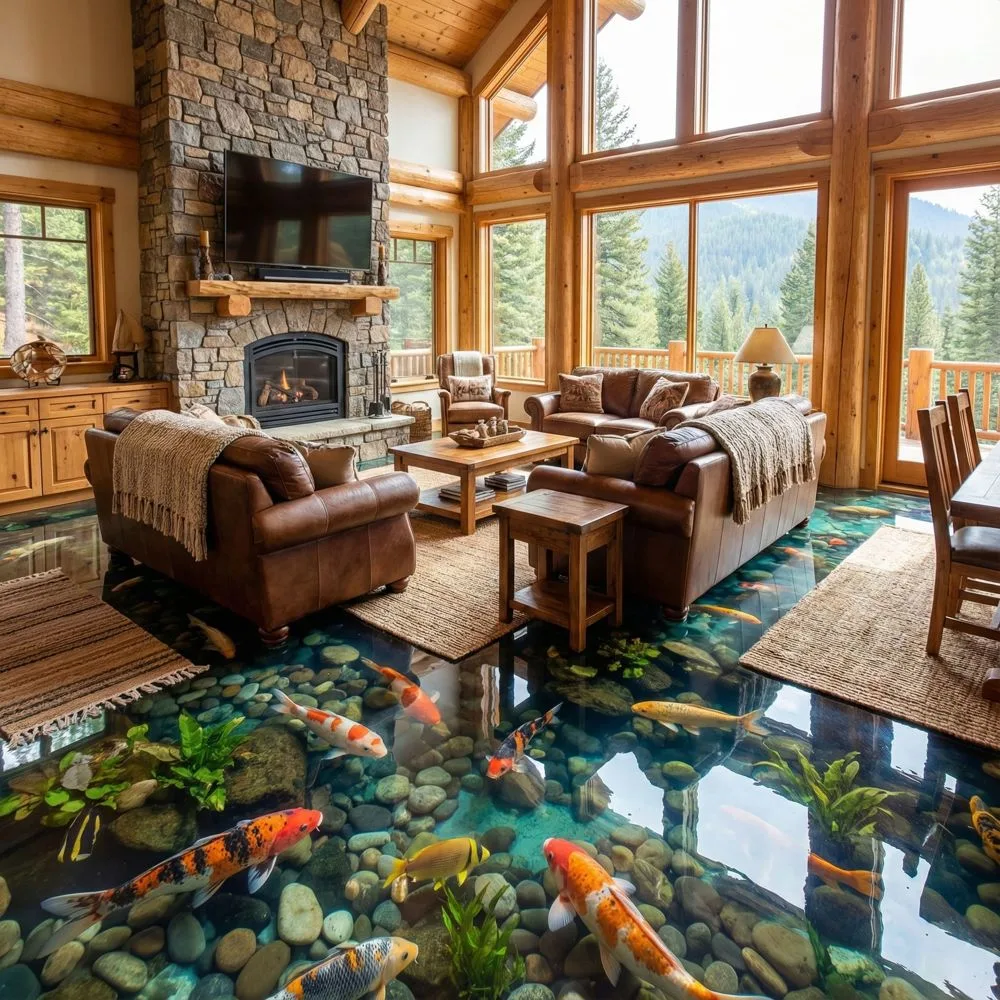
Setting up an aquarium is an exciting journey that transforms any space into a vibrant underwater ecosystem. However, before you fill that beautiful glass tank with water, fish, and decorations, there’s a critical consideration that often gets overlooked: your aquarium flooring. The foundation beneath your aquarium isn’t just about aesthetics; it’s about safety, structural integrity, and ensuring your aquatic investment doesn’t turn into a costly disaster.
Whether you’re planning to install a modest 20-gallon tank in your living room or dreaming of a massive 300-gallon centerpiece, understanding the relationship between your aquarium and the floor beneath it is absolutely essential. The wrong flooring choice or inadequate support can lead to sagging floors, structural damage, or even catastrophic tank failure. This comprehensive guide will walk you through everything you need to know about aquarium flooring, helping you make informed decisions that protect both your aquatic friends and your home.
Understanding Aquarium Weight and Floor Load Capacity
Before diving into specific flooring options, you need to grasp just how heavy aquariums actually are. This is where many aquarium enthusiasts make their first mistake. A gallon of water weighs approximately 8.3 pounds, but your total aquarium weight includes much more than just water.
When calculating the total load on your aquarium flooring, you must account for the tank itself, the water, substrate like gravel or sand, rocks and decorations, the stand, and the equipment. A 55-gallon tank, which seems modest, can easily exceed 600 pounds when fully set up. A 125-gallon tank might weigh close to 1,400 pounds, and larger aquariums can reach truly staggering weights.
Most residential floors are designed to support between 30 to 40 pounds per square foot as a uniform live load. However, aquariums create what engineers call a “point load” where significant weight concentrates in a small area. This is why the location and distribution of weight matter tremendously when considering aquarium flooring compatibility.
Evaluating Your Existing Floor Structure
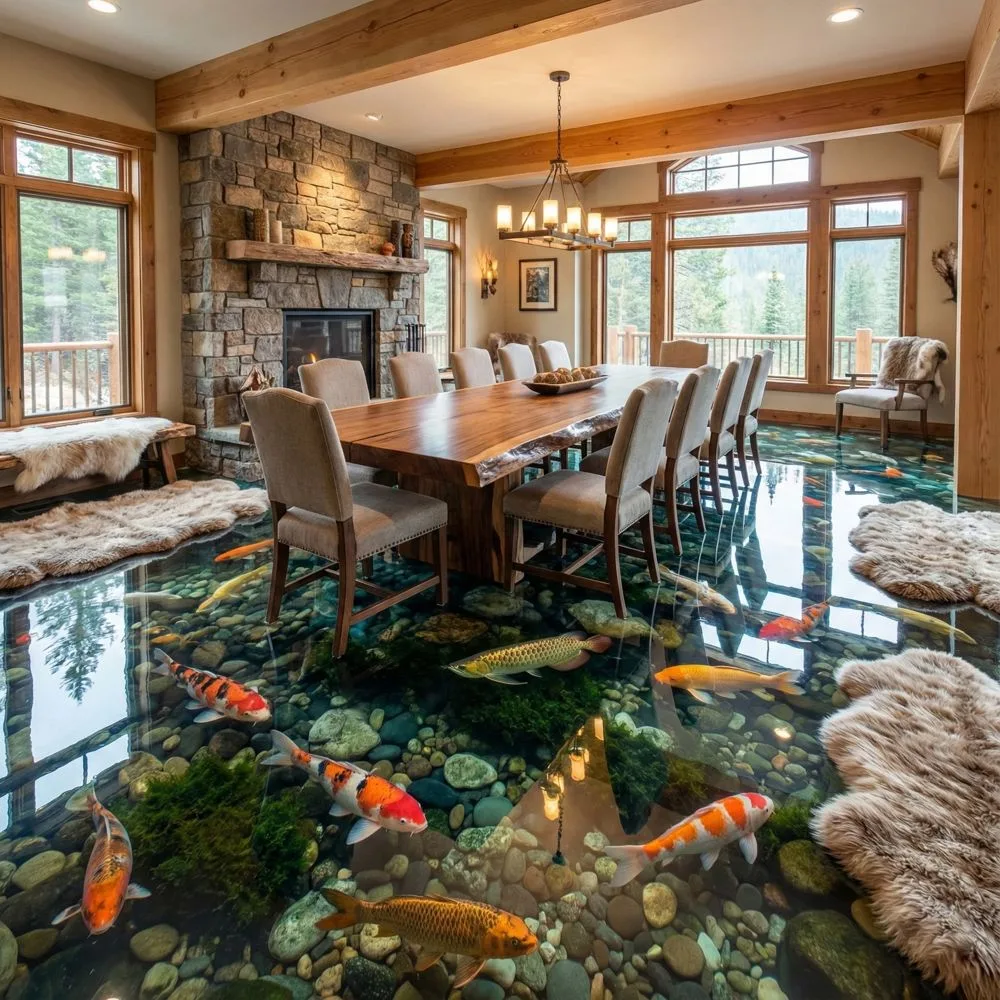
The type of flooring you currently have plays a crucial role in determining whether it can safely support an aquarium. Different floor types have varying load capacities and structural characteristics that affect their suitability for heavy tanks.
Concrete slab foundations, typically found in basements and ground floors, are generally the most robust option for aquarium flooring. These solid surfaces can handle substantial weight without flexing or sagging. If you have a concrete floor, you’re in an excellent position to house even very large aquariums with minimal concerns.
Wooden floor systems, common in upper stories of homes, require more careful evaluation. These floors consist of joists, subfloor, and finish flooring, and their capacity depends on joist spacing, size, and direction. A floor with joists spaced 16 inches apart will support more weight than one with 24-inch spacing. The direction of the joists also matters; positioning an aquarium perpendicular to the joists distributes weight across more supports.
Tile and stone flooring can handle aquariums well, provided the underlying structure is adequate. However, the rigid nature of these materials means they’re less forgiving if the subfloor flexes, potentially leading to cracked tiles over time.
Best Flooring Types for Aquarium Installation

When selecting or evaluating aquarium flooring, certain materials and configurations offer distinct advantages. Understanding these options helps you make the best choice for your specific situation.
Concrete floors remain the gold standard for aquarium flooring. Their exceptional load bearing capacity, resistance to water damage, and stability make them ideal for aquariums of any size. Basement installations on concrete slabs rarely require additional reinforcement, even for extremely large tanks.
Engineered hardwood flooring performs admirably under aquariums when properly supported. Its dimensional stability and resistance to moisture fluctuations make it more reliable than traditional hardwood. The layered construction distributes weight effectively, and quality engineered floors can handle substantial loads without warping.
Luxury vinyl plank flooring has emerged as a practical choice for aquarium spaces. Its waterproof nature provides peace of mind against spills and condensation, while its flexibility accommodates minor floor movements. The interlocking design creates a stable surface that won’t buckle under properly distributed aquarium weight.
Ceramic and porcelain tile offer excellent durability and water resistance, making them sensible choices for aquarium flooring. The key consideration is ensuring the subfloor beneath is rigid enough to prevent flexing, which could crack the grout or tiles over time.
Floor Reinforcement Strategies for Large Aquariums
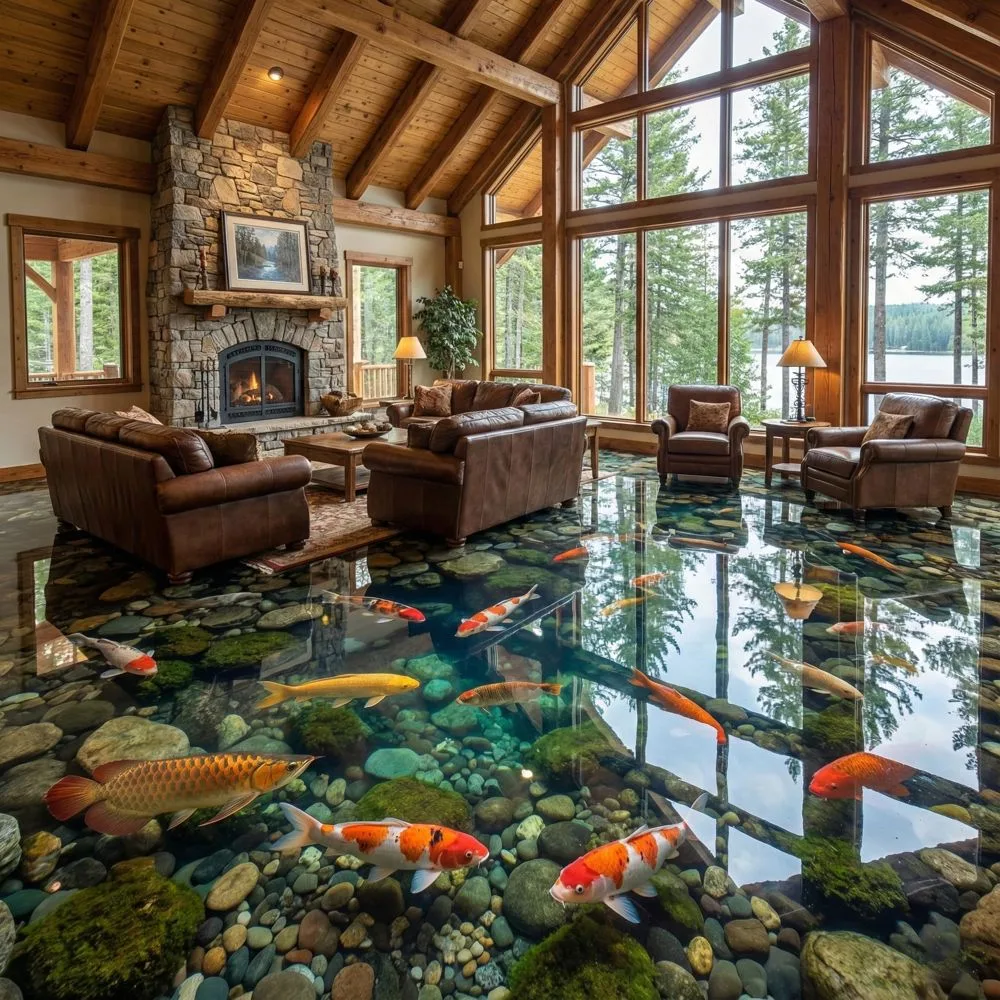
Sometimes your existing aquarium flooring needs additional support to safely accommodate a substantial tank. Several reinforcement strategies can transform an inadequate floor into a secure foundation.
Adding sister joists involves attaching new joists alongside existing ones to increase load capacity. This method effectively doubles the strength of the floor system and is particularly useful when placing an aquarium parallel to existing joists. A structural engineer or experienced contractor can determine the appropriate size and installation method for sister joists in your situation.
Installing support posts or columns in the space below your aquarium provides direct load transfer to the foundation. This approach works exceptionally well for large aquariums in upper story rooms. The posts create a dedicated pathway for the aquarium weight to travel down to the most stable part of your home’s structure.
Spreading load with platforms represents another effective strategy. A properly designed platform that extends beyond the aquarium footprint distributes weight across a larger floor area, reducing the pounds per square foot calculation. Marine grade plywood or steel framing can create these load distribution platforms.
Placement Considerations for Optimal Weight Distribution

Where you position your aquarium relative to your floor structure significantly impacts safety and longevity. Strategic placement can make the difference between adequate and excellent aquarium flooring performance.
Positioning aquariums along exterior walls places weight closer to the home’s strongest structural elements. Exterior walls typically sit on the foundation and transfer loads directly to the ground. This placement also simplifies equipment placement and maintenance access.
Placing tanks over basement support walls or beams takes advantage of existing strong points in your floor structure. These locations already handle significant loads and provide the most stable foundation for heavy aquariums.
Corner placement often provides enhanced support by utilizing walls meeting at perpendicular angles. The convergence of structural elements in corners creates naturally reinforced areas capable of handling concentrated loads.
Water Damage Prevention and Flooring Protection
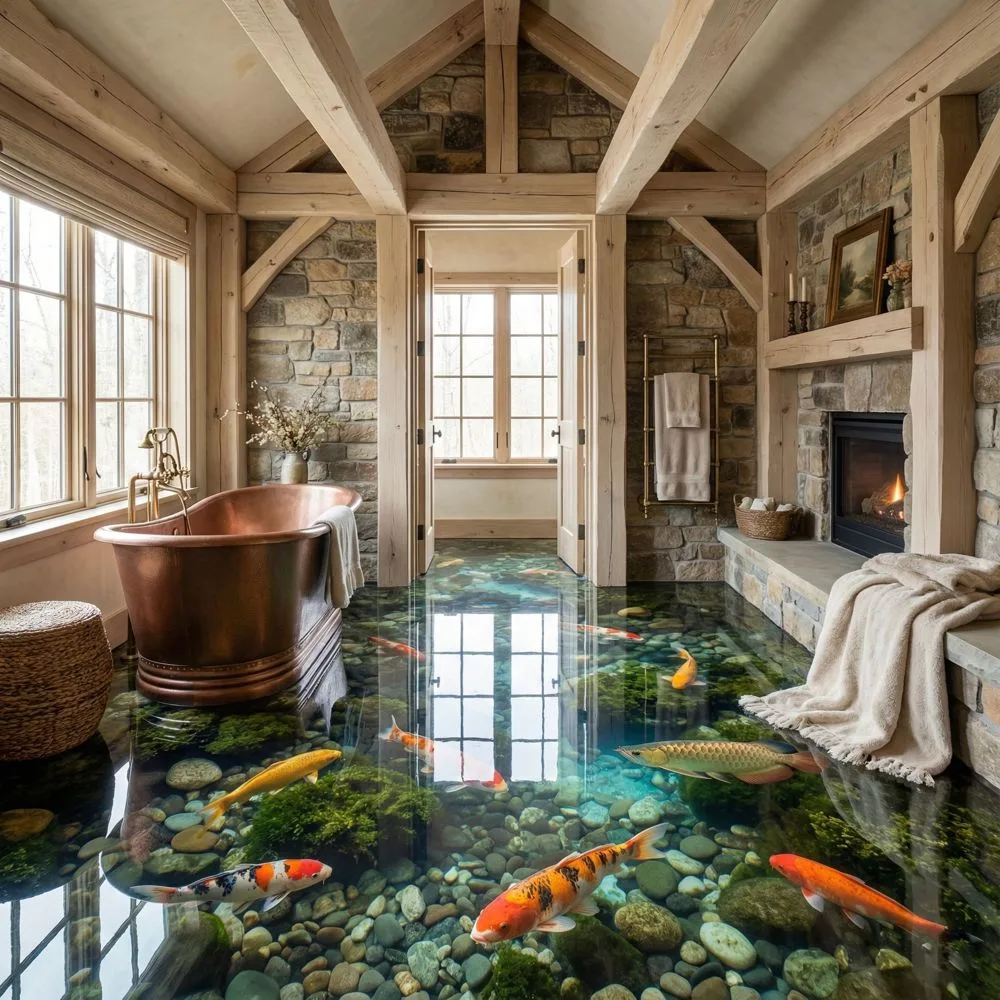
Even with perfect structural support, protecting your aquarium flooring from water damage requires proactive measures. Water and floors are natural enemies, and aquariums introduce multiple moisture challenges.
Using aquarium mats or padding creates a protective barrier between the tank stand and your floor. These materials absorb minor spills, prevent scratching, and help distribute weight more evenly. Neoprene pads and foam mats designed specifically for aquariums offer excellent protection without compromising stability.
Installing drip trays or splash guards catches overflow, condensation, and maintenance spills before they reach your flooring. Clear acrylic trays blend seamlessly with most decor while providing invisible protection. For larger tanks, consider custom built trays that extend beyond the stand footprint.
Maintaining proper humidity control in the aquarium room prevents long term moisture damage to wooden flooring. Dehumidifiers and adequate ventilation keep ambient moisture levels in check, protecting your aquarium flooring investment from warping and rot.
Assessing Floor Deflection and Movement
Even structurally sound aquarium flooring can experience deflection or bouncing that creates problems over time. Understanding and minimizing floor movement ensures long term stability.
Excessive floor deflection causes stress on aquarium seams, potentially leading to leaks. It also creates an unstable environment for fish and can damage equipment. Walking across the room shouldn’t cause visible movement in your aquarium water.
Testing floor bounce before installation provides valuable insight. Stand near the proposed location and jump or walk heavily. If you notice significant vibration or movement, the floor likely needs reinforcement before hosting an aquarium.
Acceptable deflection standards vary, but most structural engineers recommend keeping deflection under L/360, where L represents the span length. For aquariums, even stricter standards may apply to prevent long term issues.
Special Considerations for Second Story and Apartment Installations
Installing aquariums above ground level presents unique challenges for aquarium flooring. These situations demand extra caution and often professional consultation.
Second story installations multiply the importance of proper load assessment. Not only must the immediate floor support the aquarium, but the entire load path down to the foundation requires evaluation. Older homes with smaller dimensional lumber may need significant reinforcement.
Apartment dwellers face additional constraints including building codes, lease restrictions, and liability concerns. Many apartments have weight limits per unit or specific restrictions on aquarium sizes. Always review your lease and building policies before installing any tank over 30 gallons. Renter’s insurance that covers aquarium related damage provides essential protection.
Mobile home flooring typically has lower load capacities than traditional construction. If you live in a manufactured home, consult with an engineer familiar with these structures before installing anything larger than a small aquarium.
Professional Assessment and When to Call an Expert
While many aquarium flooring decisions can be made independently, certain situations absolutely require professional evaluation. Knowing when to seek expert help prevents costly mistakes.
Structural engineers provide definitive answers about load capacity and necessary reinforcements. Their assessments typically cost between 300 and 800 dollars but can save thousands in potential damage. Consider professional evaluation for any aquarium over 75 gallons in upper stories, tanks over 150 gallons anywhere, or if you notice existing floor issues like sagging or bouncing.
Experienced aquarium contractors understand both structural requirements and aquarium specific needs. They can design and install comprehensive support systems that address both weight distribution and practical considerations like plumbing access and equipment placement.
Home inspectors familiar with large aquarium installations can evaluate existing setups, identifying potential problems before they become serious. This proves especially valuable when purchasing a home with an aquarium already installed.
Long Term Maintenance and Monitoring
Successfully installing an aquarium on appropriate flooring is just the beginning. Ongoing monitoring ensures continued safety and identifies developing issues early.
Regular visual inspections should become routine. Look for cracks in tile or grout, gaps between flooring and baseboards, doors that stick or won’t close properly, and any visible sagging or unevenness. These signs may indicate floor stress from your aquarium.
Monitoring aquarium levels helps detect settling or tilting. An aquarium that was once perfectly level but gradually tilts suggests floor movement. Use a quality level to check periodically, especially during the first year after installation.
Investigating unusual sounds like creaking or popping near the aquarium warrants immediate attention. These noises may indicate structural stress or failing supports.
Upgrading Your Flooring for Future Aquarium Plans
If you’re renovating or building new space and know you want to include an aquarium, incorporating enhanced flooring capacity during construction proves far more cost effective than retrofitting later.
Specifying stronger joists during construction adds minimal cost but substantially increases capacity. Using 2×10 or 2×12 joists instead of 2x8s, or reducing joist spacing from 24 inches to 16 inches, creates a floor system ready for heavy aquariums without additional reinforcement.
Installing blocking between joists adds rigidity and reduces bounce. This simple upgrade during construction or renovation costs little but significantly improves floor performance under concentrated loads.
Choosing water resistant subflooring materials like advantech or plywood rated for wet applications provides insurance against inevitable aquarium related moisture exposure.
Bringing Your Aquarium Dreams to Life Safely
Creating a stunning aquarium display requires more than just choosing beautiful fish and decorations. The foundation beneath your aquatic masterpiece determines whether your hobby brings joy for years or becomes a source of stress and expense. Proper aquarium flooring consideration protects your home, your investment, and most importantly, the living creatures depending on you.
By understanding weight calculations, evaluating your existing floor structure honestly, implementing appropriate reinforcements when necessary, and maintaining vigilant oversight, you can confidently enjoy aquariums of virtually any size. The time invested in proper planning pays dividends in peace of mind and structural security.
Whether you’re setting up your first small tank or planning an impressive reef system, treating aquarium flooring as the critical foundation it truly is sets the stage for success. Your floor supports everything above it, and ensuring it can handle the task means your underwater world will thrive for years to come. Take the time to get the foundation right, and your aquarium will reward you with beauty, tranquility, and the satisfaction of creating a thriving aquatic ecosystem in your own home.