
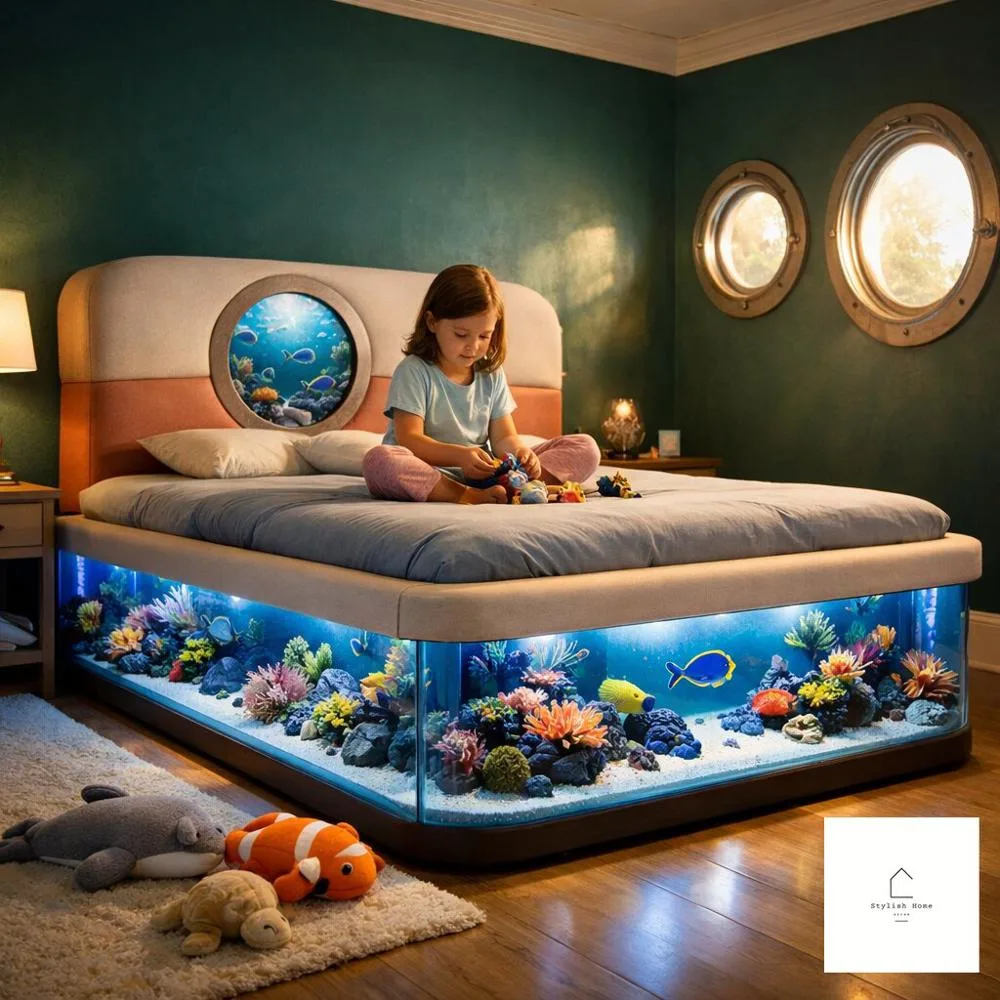
When it comes to designing a space that sparks imagination and wonder, few pieces of furniture can match the magic of an aquarium kids bed. This innovative furniture concept combines the comfort of a traditional bed with the mesmerizing beauty of an aquatic environment, creating a sleeping space that children absolutely adore. As parents increasingly look for ways to make bedrooms more engaging and educational, the popularity of these unique beds has soared, transforming ordinary rooms into extraordinary underwater sanctuaries.
The concept of integrating a fish tank into a bed frame isn’t just about aesthetics. It represents a thoughtful approach to childhood development, blending entertainment with learning opportunities while maintaining functionality. Children who sleep in these beds often develop a deeper appreciation for marine life and take pride in maintaining their aquatic companions, fostering responsibility from an early age.
Understanding the Aquarium Kids Bed Concept
An aquarium kids bed is essentially a specially designed bed frame that incorporates a built-in fish tank as part of its structure. These beds come in various configurations, with some featuring headboards that house the aquarium, while others integrate the tank into the footboard or even along the sides of the bed frame. The design possibilities are virtually endless, making it easy to find or create a setup that matches your child’s personality and your home’s aesthetic.
The beauty of kids aquarium beds lies in their dual functionality. During the day, the aquarium serves as a captivating focal point that entertains and educates. At night, the gentle movement of fish and the soft glow of aquarium lighting create a soothing atmosphere that can help children relax and fall asleep more easily. Many parents report that their children look forward to bedtime more enthusiastically after introducing this type of bed into their rooms.
What makes these beds truly special is how they transform a purely functional piece of furniture into an interactive experience. Children don’t just sleep on their beds anymore; they engage with them, learn from them, and take ownership of their personal space in ways that traditional beds simply cannot offer.
Popular Aquarium Bed Ideas for Every Style
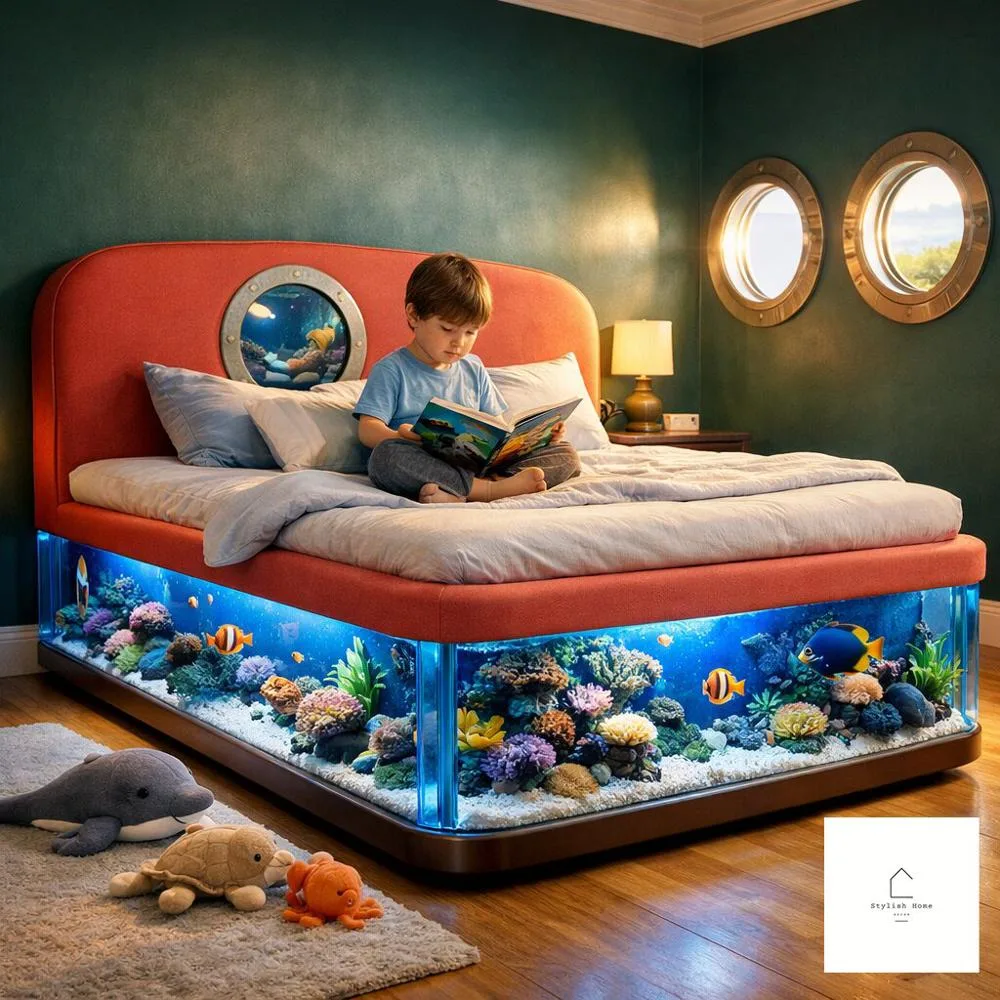
When exploring aquarium bed ideas, you’ll discover that creativity knows no bounds. The most common design features a headboard aquarium, where a rectangular tank is seamlessly integrated into the structure behind where your child lays their head. This configuration provides an excellent viewing angle and makes maintenance relatively straightforward since the tank is easily accessible.
Another popular option involves corner tank designs, where the aquarium wraps around one or both sides of the bed, creating an immersive underwater environment. These setups work particularly well in larger bedrooms where space isn’t a constraint. The wraparound effect makes children feel like they’re sleeping in an underwater cave or submarine, which appeals especially to kids who love marine adventures.
For those seeking something truly spectacular, full perimeter designs incorporate glass panels on multiple sides of the bed frame, creating the illusion of sleeping within the aquarium itself. While these require more maintenance and careful planning, the visual impact is absolutely stunning and creates a bedroom centerpiece that guests will never forget.
Bunk bed variations have also emerged as clever solutions for siblings who want to share the aquatic experience. These designs typically place the aquarium in the lower bunk’s headboard or in a central column between bunks, allowing both children to enjoy the calming presence of fish while maximizing floor space.
Choosing the Right Fish Tank Kids Bed
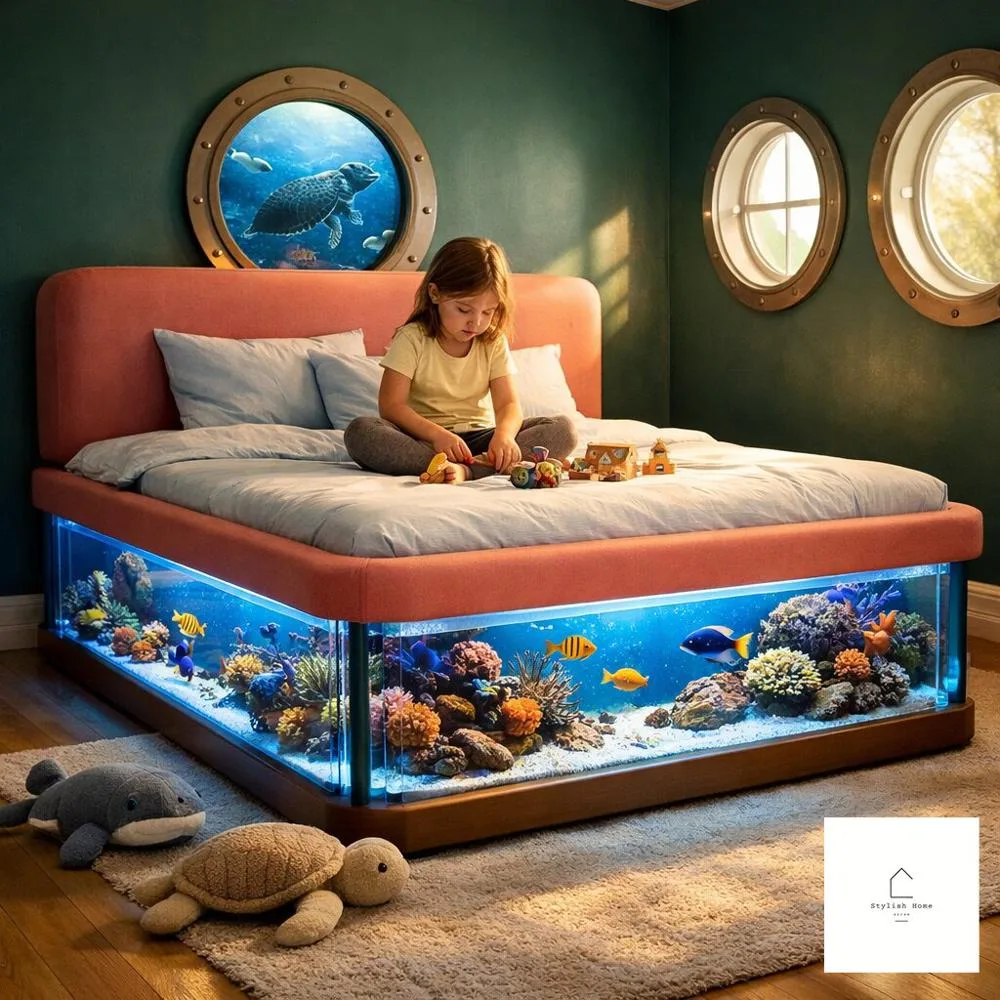
Selecting the perfect fish tank kids bed requires careful consideration of several factors. First and foremost, assess the available space in your child’s bedroom. These beds typically require more room than standard beds due to the aquarium components, so accurate measurements are essential before making a purchase.
Tank size is another crucial consideration. Larger tanks are generally easier to maintain because they provide more stable water conditions, but they also add significant weight to the furniture. Most aquarium beds feature tanks ranging from 20 to 75 gallons, with 30 to 40 gallons being the sweet spot for balancing maintenance ease with visual impact.
The construction materials matter greatly for longevity and safety. Look for beds made from water resistant or waterproof materials, particularly around the tank area. High quality marine grade plywood, treated hardwoods, or composite materials designed for moisture exposure ensure that your investment lasts for years without warping or deteriorating.
Consider whether you want a complete aquarium bed set that includes everything needed to get started, or if you prefer to customize components individually. Complete sets typically include the bed frame, mattress platform, aquarium tank, filtration system, lighting, and sometimes even decorative elements. While these packages cost more upfront, they eliminate the guesswork and ensure all components work together harmoniously.
Creating an Aquarium Kids Bedroom Theme
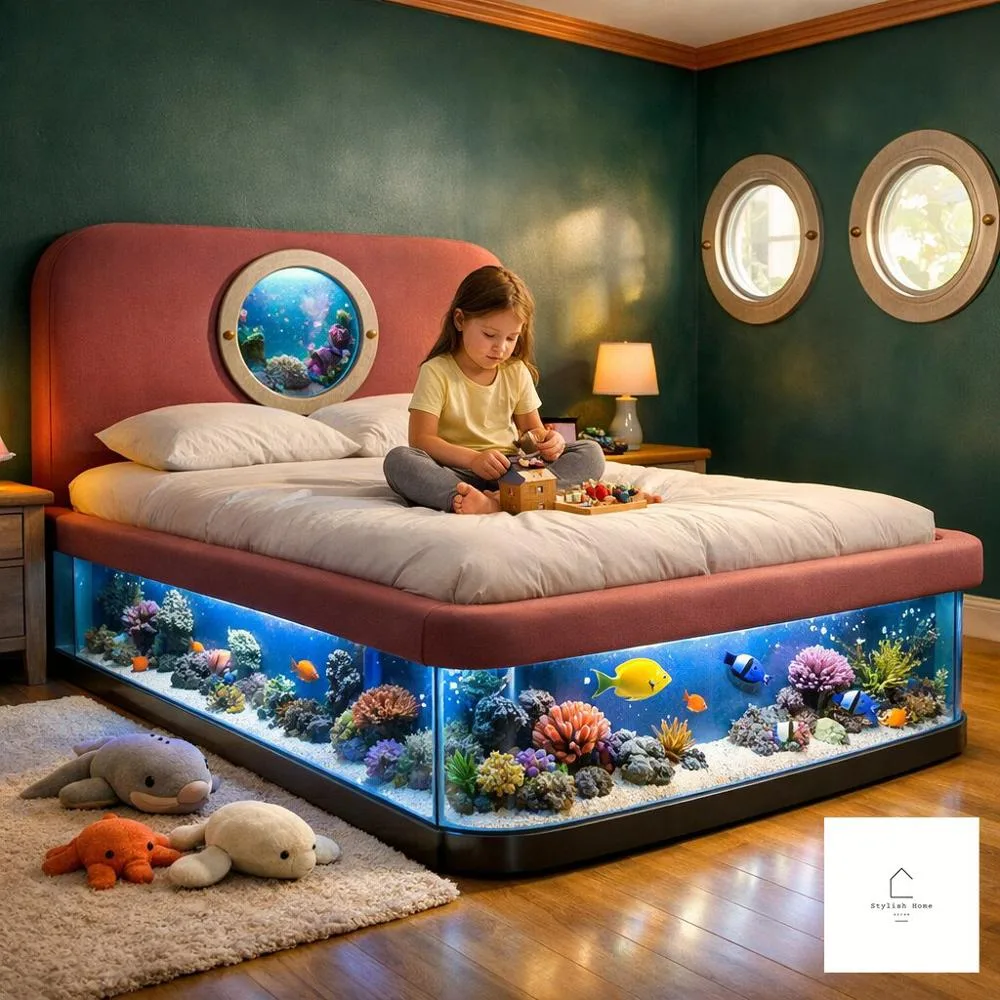
An aquarium bed naturally becomes the centerpiece of an aquarium kids bedroom, but thoughtful additional touches can elevate the entire space into a cohesive underwater paradise. Wall colors play a significant role in setting the mood. Soft blues, teals, and aquamarines create an oceanic atmosphere without overwhelming the senses, while accent walls featuring marine life murals or underwater photography add depth and interest.
Lighting deserves special attention in themed bedrooms. Beyond the aquarium’s own lighting, consider adding rope lights along the ceiling to mimic sunlight filtering through water, or install a projector that casts moving wave patterns across walls and ceilings. These elements work together to create an immersive environment that children find both exciting and comforting.
Complementary furniture and decor should echo the aquatic theme without creating visual clutter. Storage solutions shaped like treasure chests, bookshelves designed to look like coral reefs, and seating that resembles smooth river stones all contribute to the overall aesthetic. Window treatments in ocean inspired patterns tie the room together while providing necessary light control for healthy sleep patterns.
Don’t overlook the educational potential of the themed space. Wall mounted displays showcasing different fish species, marine ecosystem diagrams, or oceanography facts turn the bedroom into a learning environment that naturally encourages curiosity about the underwater world.
Safety Considerations and Best Practices
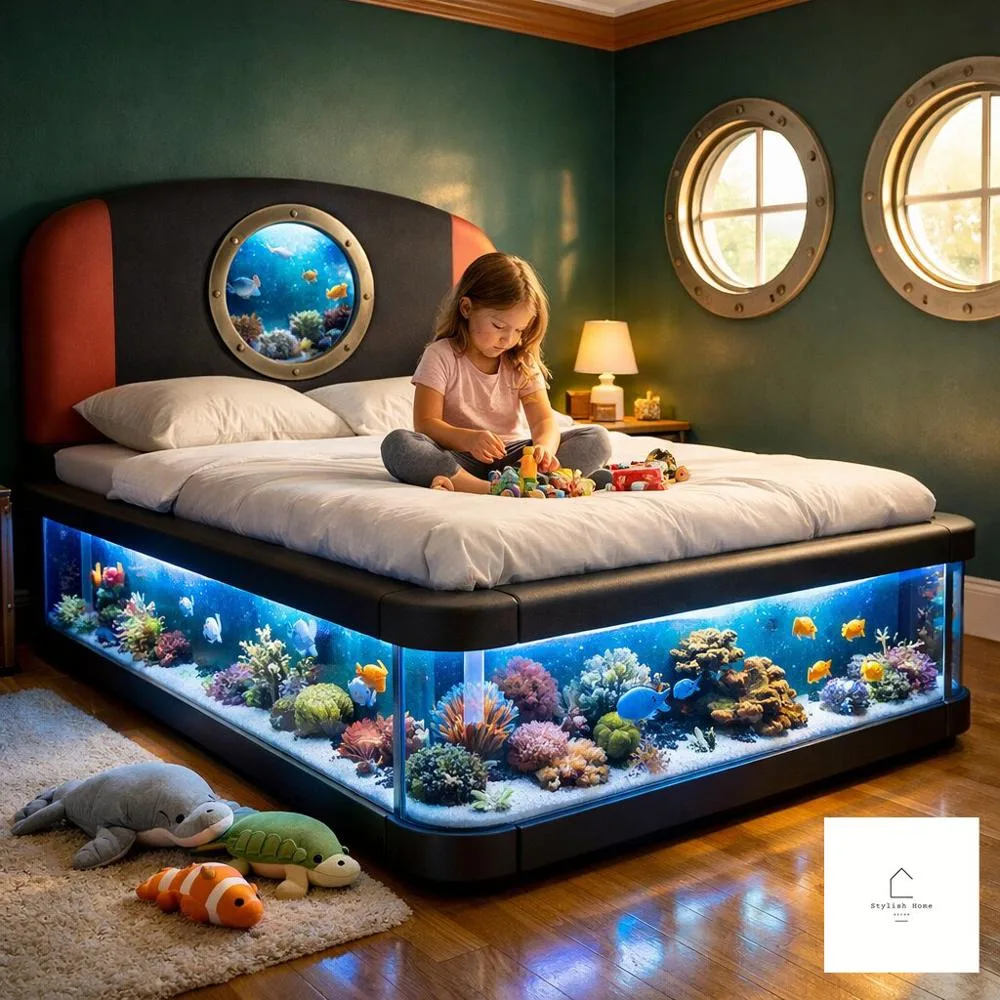
Safety must be the top priority when installing any aquarium bed. The weight of water adds up quickly, with each gallon weighing approximately 8.3 pounds. A 40 gallon tank, when filled with water, substrate, decorations, and equipment, can easily exceed 400 pounds. Ensure that your floor can support this concentrated weight, especially in upper story bedrooms or older homes.
Structural integrity of the bed frame is paramount. Look for designs that distribute weight evenly and include reinforced supports specifically engineered for aquarium loads. Never attempt to add an aquarium to a standard bed frame not designed for this purpose, as this creates serious safety hazards including potential collapse.
Electrical safety requires careful planning. All electrical components including filters, heaters, and lights must be properly grounded and protected from water exposure. Use GFCI outlets for all aquarium equipment, and ensure that cords are routed safely away from areas where they could be tripped over or chewed by curious pets.
Glass thickness and quality matter immensely. Aquarium panels should be made from tempered glass or acrylic of appropriate thickness for the tank’s dimensions. Regular inspections for cracks, chips, or signs of stress help prevent catastrophic failures. Many experts recommend acrylic for children’s bedrooms due to its superior impact resistance compared to glass.
Maintenance and Care for Long Term Enjoyment
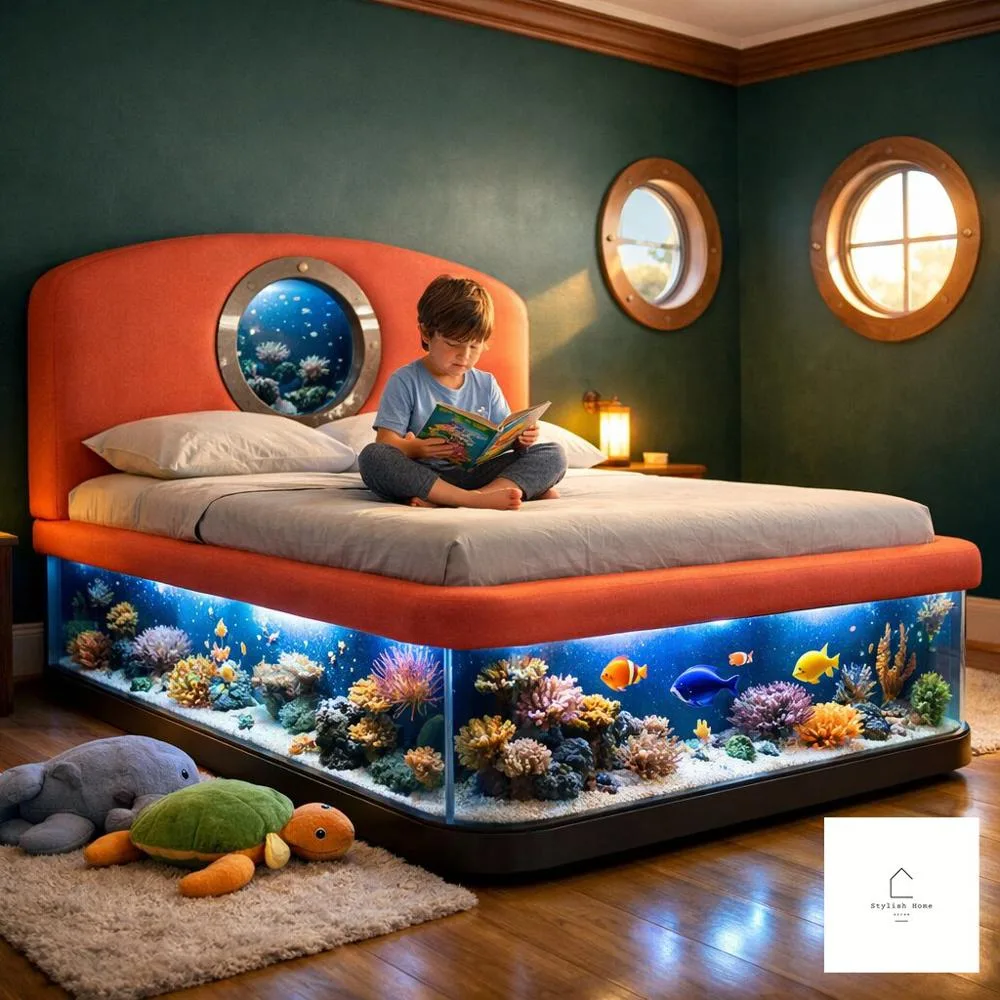
Maintaining an aquarium bed requires commitment, but establishing good routines makes the process manageable. Weekly water changes of 20 to 30 percent help maintain water quality and keep fish healthy. The accessibility of your tank design significantly impacts how easily you can perform these tasks, so consider maintenance logistics during the selection process.
Filtration systems are the heart of any healthy aquarium. Choose filters rated for at least 1.5 times your tank’s volume to ensure adequate biological, mechanical, and chemical filtration. Regular filter maintenance, including replacing media and cleaning components according to manufacturer recommendations, prevents water quality issues before they start.
Feeding schedules should be consistent and appropriate for the species you keep. Overfeeding is one of the most common mistakes new aquarium keepers make, leading to poor water quality and health problems. Involve your child in the feeding routine, using it as an opportunity to teach responsibility and observational skills as they learn to recognize when fish are hungry versus when they’ve had enough.
Testing water parameters regularly helps catch problems early. Inexpensive test kits for ammonia, nitrite, nitrate, and pH should be used weekly, especially during the first few months as the tank establishes its biological cycle. Keeping a log of test results helps identify trends and makes troubleshooting easier if issues arise.
Selecting Appropriate Fish and Aquatic Life
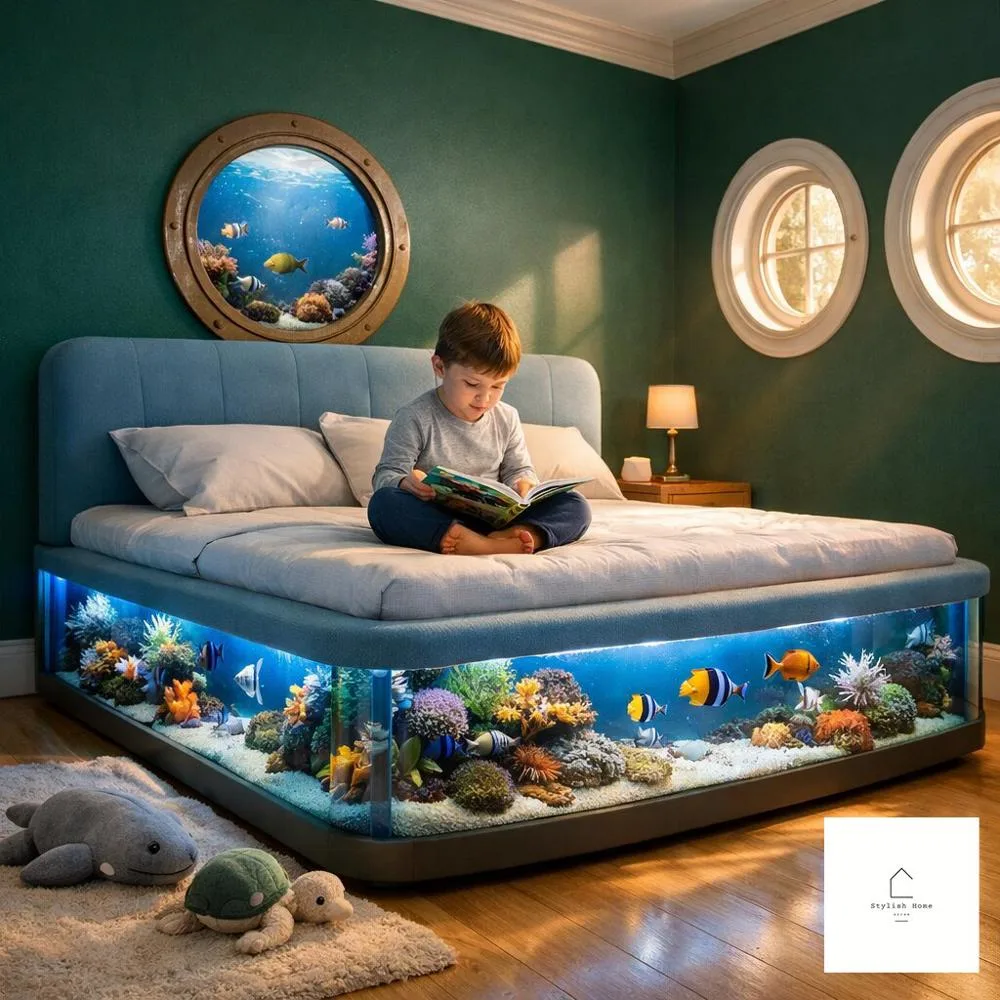
Choosing the right inhabitants for kids aquarium beds is crucial for both the animals’ welfare and your child’s enjoyment. Beginner friendly species that tolerate a range of water conditions and display active, interesting behaviors work best. Small schooling fish like neon tetras, guppies, or white cloud mountain minnows create mesmerizing swimming patterns that children love watching.
Bottom dwelling species add interest to different tank levels. Corydoras catfish, with their peaceful nature and amusing foraging behavior, make excellent additions and help keep the substrate clean. Snails and shrimp not only serve as cleanup crew members but also teach children about ecosystem diversity and the importance of different organisms working together.
Avoid aggressive species, fish that grow too large for the tank size, or those with demanding care requirements that might frustrate young aquarium keepers. Research adult sizes carefully, as many fish sold as juveniles grow substantially larger than their cute baby forms might suggest.
Consider the compatibility of different species before mixing them. Some fish are fin nippers that stress long finned varieties, while others have specific water parameter requirements that may not match. Creating a harmonious community ensures that all inhabitants thrive and that your child witnesses positive interactions rather than bullying or stress.
Budget Planning for Your Aquarium Bed Project
Understanding the financial commitment helps families plan appropriately for this significant bedroom upgrade. The bed frame and integrated tank system typically represents the largest upfront cost, with prices ranging from $500 for basic DIY friendly kits to $3000 or more for custom built luxury models. Quality matters here, as this furniture piece must safely support substantial weight while withstanding moisture exposure for years.
Initial setup costs beyond the bed itself include the mattress, bedding, filtration equipment, lighting, heating if needed, substrate, decorations, and water treatment supplies. Budget approximately $200 to $500 for these essentials, depending on tank size and the quality of components you choose. Remember that purchasing appropriate equipment from the start prevents costly replacements and frustrated children.
Stocking the aquarium adds another expense layer. Fish prices vary widely based on species, but budget $50 to $150 to initially populate a tank with a compatible community. Plants, if you choose live varieties, add beauty and water quality benefits but require their own investment in lighting and potentially substrate additives.
Ongoing costs include electricity for filters, lights, and heaters, replacement filter media, water conditioners, fish food, and occasional replacement of decorations or plants. Monthly operating costs typically run $20 to $40 for average sized setups. Factor in annual expenses for things like replacing bulbs or upgrading equipment as technology improves.
DIY Versus Professional Installation Options
The decision between DIY construction and professional installation depends on your skills, available time, and budget flexibility. DIY projects offer significant cost savings and the satisfaction of creating something unique for your child. Numerous online resources provide plans and tutorials for building aquarium beds, with difficulty levels ranging from beginner friendly to advanced woodworking projects.
However, DIY approaches require honest assessment of your abilities. Working with water near sleeping areas demands precision in waterproofing, structural engineering to support substantial weight, and knowledge of aquarium requirements. Mistakes can result in water damage, structural failure, or unhealthy conditions for aquatic life. If you lack experience in woodworking, plumbing, or aquarium setup, the learning curve might be steeper than anticipated.
Professional installation guarantees that experts handle the complex integration of furniture and aquarium systems. Specialized companies understand load bearing requirements, proper sealing techniques, and optimal aquarium positioning for both viewing and maintenance. While more expensive, professional services often include warranties that protect your investment and provide peace of mind.
A hybrid approach works well for many families. Purchase a professionally manufactured bed frame with integrated tank, then handle the aquarium setup and decoration yourself. This strategy balances cost savings with safety assurance, letting you focus on the fun creative aspects while leaving structural concerns to engineers.
Educational Benefits of Aquarium Beds
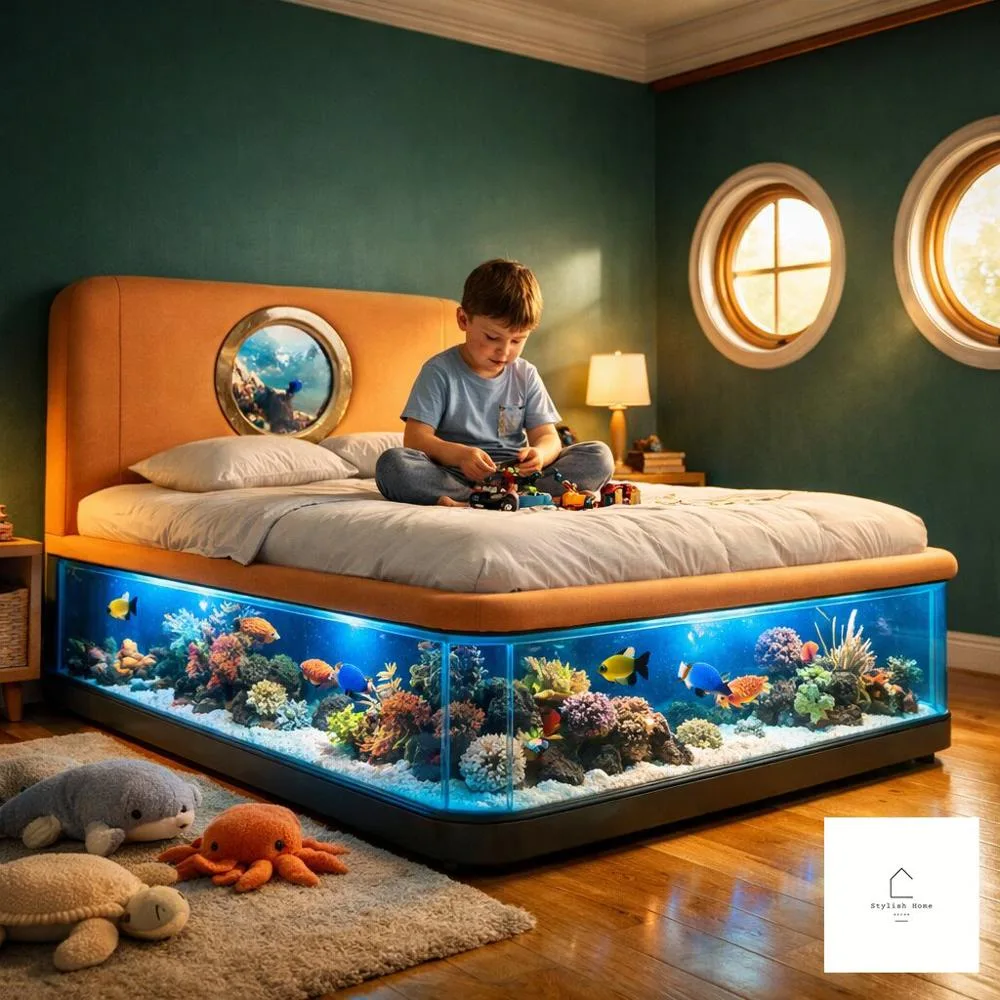
Beyond their obvious appeal, kids aquarium beds offer remarkable educational opportunities that extend far beyond the bedroom. Biology lessons come naturally as children observe fish behavior, learn about different species’ needs, and understand food chains and ecosystems. These daily observations foster scientific thinking and encourage children to ask questions about the natural world.
Responsibility and time management skills develop through regular maintenance routines. Children learn that living creatures depend on consistent care, and that neglecting duties has real consequences. These lessons translate to other areas of life, building character traits that serve them well into adulthood. Many parents report that caring for aquarium inhabitants helped their children become more reliable with other responsibilities like homework and chores.
Mathematical concepts become tangible through aquarium keeping. Measuring water parameters, calculating appropriate feeding amounts, determining water change volumes, and understanding tank capacity all provide practical applications for math skills learned in school. Chemistry principles come alive when testing water and understanding nitrogen cycles.
Environmental awareness grows naturally from aquarium keeping. Children develop empathy for aquatic ecosystems and often become advocates for water conservation and pollution prevention. Understanding how human actions impact water quality in a small tank helps them grasp larger environmental issues affecting oceans, rivers, and lakes worldwide.
Wrapping Up Your Underwater Dream Space
Creating an aquarium kids bed represents more than just a furniture purchase. It’s an investment in your child’s imagination, education, and personal space that pays dividends in memories and developmental benefits. These remarkable pieces transform ordinary bedrooms into extraordinary environments where learning and dreaming blend seamlessly together.
The journey from concept to completion requires careful planning, thoughtful decision making, and commitment to ongoing maintenance. Yet families who embrace these unique beds consistently report that the effort proves worthwhile. Children develop deeper connections to their bedrooms, take pride in caring for their aquatic friends, and often request less screen time in favor of watching their fish.
Whether you choose a simple headboard design or an elaborate custom creation, the key lies in matching the project to your family’s needs, abilities, and budget. Start with realistic expectations, prioritize safety and animal welfare, and don’t hesitate to seek expert guidance when needed.
As your child grows, their aquarium bed grows with them, evolving from a magical sleeping space into a sophisticated hobby that teaches patience, responsibility, and respect for living things. The gentle bubble sounds, graceful swimming movements, and peaceful underwater scenes create a bedroom sanctuary that nurtures both restful sleep and waking wonder, making every day an adventure beneath the waves.