
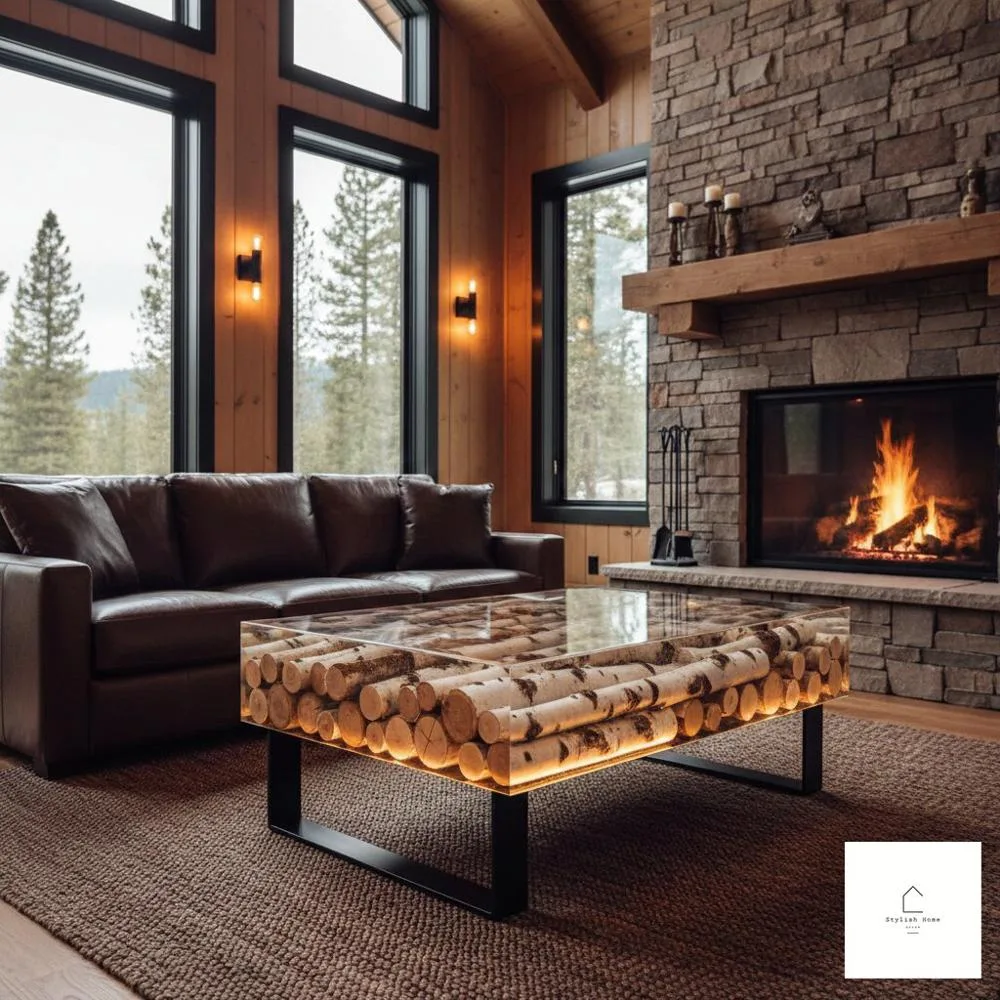
The world of custom furniture has witnessed a remarkable transformation over the past decade, with epoxy resin tables emerging as one of the most sought after pieces for homeowners and designers alike. Among the various wood species used for these stunning creations, the aspen epoxy table stands out as a particularly captivating choice that combines the delicate beauty of aspen wood with the glossy elegance of colored resin.
An aspen epoxy table represents more than just a piece of furniture. It embodies the meeting point between raw natural materials and contemporary design techniques, creating functional art that serves as a conversation starter in any space. Whether you’re considering purchasing one for your home or exploring the possibility of creating your own, understanding what makes these tables special is essential.
Understanding Aspen Wood: The Perfect Canvas for Epoxy Art
Why Aspen Wood Works Beautifully with Epoxy
Aspen wood brings unique characteristics that make it an excellent choice for epoxy resin projects. This fast growing hardwood, commonly found across North America, features a light cream to white coloring with subtle grain patterns that create stunning visual contrast when paired with colored epoxy resin. The wood’s natural pale tone allows the resin colors to truly pop, whether you choose deep blues reminiscent of mountain lakes, vibrant greens echoing forest landscapes, or dramatic blacks for modern sophistication.
The lightweight nature of aspen wood makes it easier to work with compared to denser hardwoods, yet it maintains sufficient structural integrity for furniture applications. When properly prepared and sealed, aspen accepts epoxy resin beautifully, creating strong bonds that ensure your table remains durable for years to come.
Natural Features That Enhance Epoxy Designs
One of the most appealing aspects of creating an epoxy aspen table is working with the wood’s natural characteristics. Aspen often features interesting knots, mineral streaks, and spalting patterns that add organic visual interest to the final piece. These natural imperfections become design elements when highlighted by translucent or colored epoxy, transforming what might be considered flaws into focal points.
The wood’s relatively uniform grain pattern provides a calm backdrop that doesn’t compete with elaborate epoxy designs. This makes aspen particularly suitable for tables featuring bold resin colors, metallic pigments, or complex pour techniques like ocean waves or geode inspired patterns.
Design Possibilities: Creating Your Perfect Aspen Epoxy Table
Popular Color Combinations and Aesthetics
The versatility of an aspen epoxy table lies in the endless design possibilities available. Many creators favor blue epoxy combinations, using various shades from pale aqua to deep navy to mimic water features like rivers, lakes, or ocean depths. The contrast between aspen’s light wood tone and rich blue resin creates a striking visual that works beautifully in both modern and rustic settings.
For those seeking earthier aesthetics, green and brown resin tones can evoke forest floors or mossy streams. Black epoxy offers dramatic contemporary appeal, creating bold lines through the pale wood that suit minimalist or industrial design schemes. Translucent clear epoxy with metallic powders, stones, or other embedded elements creates depth and sparkle without overwhelming the natural wood beauty.
Live Edge Versus Straight Edge Designs
When planning your epoxy aspen table, one major design decision involves edge treatment. Live edge designs preserve the natural exterior of the wood, complete with bark lines and organic curves. These tables celebrate the tree’s original form, with epoxy filling natural cracks, voids, and the space between two wood slabs to create a unified surface.
Alternatively, straight edge designs offer cleaner lines more suited to formal dining rooms or modern office spaces. These tables typically feature epoxy rivers running through the center of aspen planks, creating geometric precision while maintaining organic appeal through the wood grain and resin movement.
The Creation Process: From Raw Materials to Finished Masterpiece
Selecting and Preparing Aspen Wood
Creating a quality epoxy aspen table begins with careful wood selection. Look for aspen slabs or planks with interesting grain patterns, natural edge features, or character marks that will enhance your final design. The wood should be properly dried to moisture content below 12 percent to prevent future cracking or warping after the epoxy is applied.
Preparation involves thorough sanding to remove any surface contaminants and create smooth surfaces for epoxy adhesion. Many craftspeople apply a seal coat of thin epoxy before the main pour to prevent air bubbles from rising through the wood pores into the final surface. This extra step significantly improves the final appearance of your table.
Working with Epoxy Resin: Tips for Success
The epoxy application process requires patience and attention to detail. High quality epoxy resin designed specifically for table applications provides the best results, offering excellent clarity, UV resistance, and self leveling properties. The resin and hardener must be mixed in precise ratios according to manufacturer specifications to ensure proper curing.
For an epoxy aspen table with deep pours, multiple layers may be necessary to prevent overheating during the curing process. Each layer should partially cure before adding the next, creating a strong, unified final result. Temperature control in your workspace is crucial, as epoxy cures best in environments between 70 and 80 degrees Fahrenheit.
Finishing Touches That Elevate Quality
After the epoxy fully cures, which typically takes several days depending on thickness and product specifications, the real magic happens during finishing. Progressive sanding starting with coarser grits and moving to extremely fine grits creates the glassy smooth surface that makes these tables so appealing. Many creators finish with polishing compounds that bring out incredible depth and clarity in both the wood and resin.
The final step involves applying a protective topcoat, which can be additional epoxy or specialized furniture finish. This protection guards against scratches, UV damage, and everyday wear while enhancing the visual depth of your creation.
Practical Considerations: Size, Function, and Placement
Choosing the Right Size for Your Space
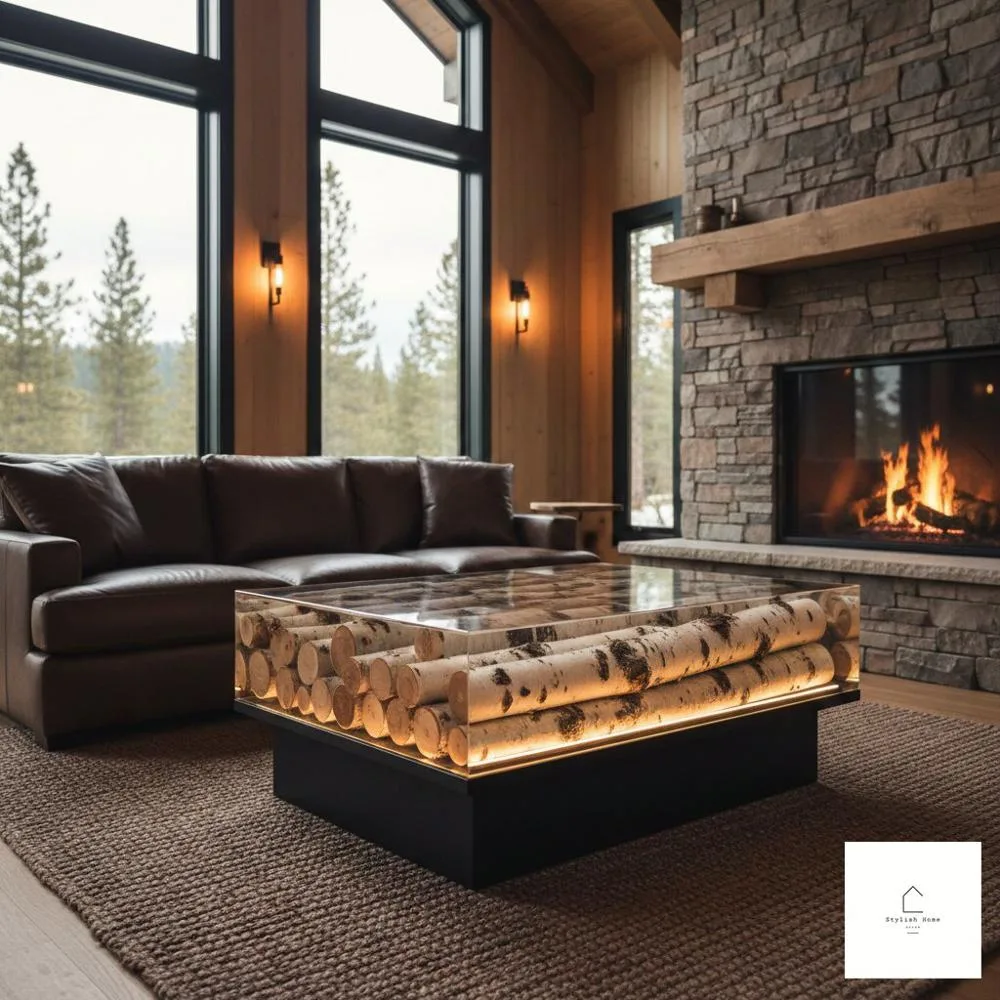
An aspen epoxy table can serve various functions throughout your home, and selecting the appropriate size ensures both aesthetic appeal and practical functionality. Dining tables typically range from six to ten feet long to accommodate family meals and entertaining, while coffee tables work well at three to five feet. Desk applications might require specific dimensions based on your workspace needs.
Consider the room’s proportions when planning your table dimensions. A massive eight foot table might overwhelm a small dining area, while a petite piece could look lost in a spacious great room. Allow adequate space for chairs and movement around the table, generally at least three feet on all sides for dining applications.
Durability and Maintenance Requirements
One common question about epoxy resin furniture concerns long term durability. When properly constructed with quality materials, an epoxy aspen table proves remarkably durable and resistant to everyday use. The cured epoxy creates a waterproof, heat resistant surface that handles daily dining, work activities, and even occasional spills without damage.
Maintenance remains relatively simple. Regular dusting and occasional cleaning with mild soap and water keep the surface looking pristine. Avoid abrasive cleaners or scrubbing pads that might scratch the finish. Using coasters for hot items and placemats for dining provides extra protection, though properly finished tables withstand normal use without such precautions.
Investment Value: Understanding Pricing and Worth
Factors That Influence Cost
The price of an aspen epoxy table varies considerably based on multiple factors. Custom handcrafted pieces typically command higher prices reflecting the artist’s skill, time investment, and material costs. Larger tables require more wood and epoxy, increasing material expenses significantly. Complex designs with multiple colors, embedded elements, or intricate patterns require additional labor and expertise.
Quality differences in materials also affect pricing. Premium epoxy resins cost more than basic options but deliver superior clarity, durability, and resistance to yellowing over time. Sustainably sourced aspen from reputable suppliers commands fair prices that support responsible forestry practices.
Comparing DIY Versus Commissioned Pieces
Creating your own epoxy aspen table offers potential cost savings and the satisfaction of handcrafting your furniture. However, this approach requires significant time investment, specialized tools, and learning curve navigation. First time creators should expect some trial and error, and material costs can mount quickly if mistakes require starting over.
Commissioning a custom piece from experienced artisans ensures professional results backed by expertise and often warranties. These craftspeople have refined their techniques through numerous projects, understanding how to troubleshoot issues and achieve consistent quality. The investment in a commissioned table includes not just materials and labor but also the artist’s knowledge and skill developed over years.
Styling Your Space Around an Aspen Epoxy Table
Complementary Design Elements
An epoxy aspen table serves as a stunning focal point that influences your entire room’s aesthetic. The table’s color palette should guide your choices for surrounding elements. Blue resin tables pair beautifully with coastal or nautical themes, incorporating whites, grays, and natural textures. Green toned tables work well with botanical prints, natural fiber textiles, and earthy color schemes.
The contrast between rustic wood and modern resin allows these tables to bridge design styles effectively. Pair your table with sleek metal chairs for contemporary appeal, or choose wooden chairs with traditional lines for rustic elegance. Lighting choices matter too, with pendant lights or chandeliers drawing attention to the table’s beautiful surface.
Room by Room Application Ideas
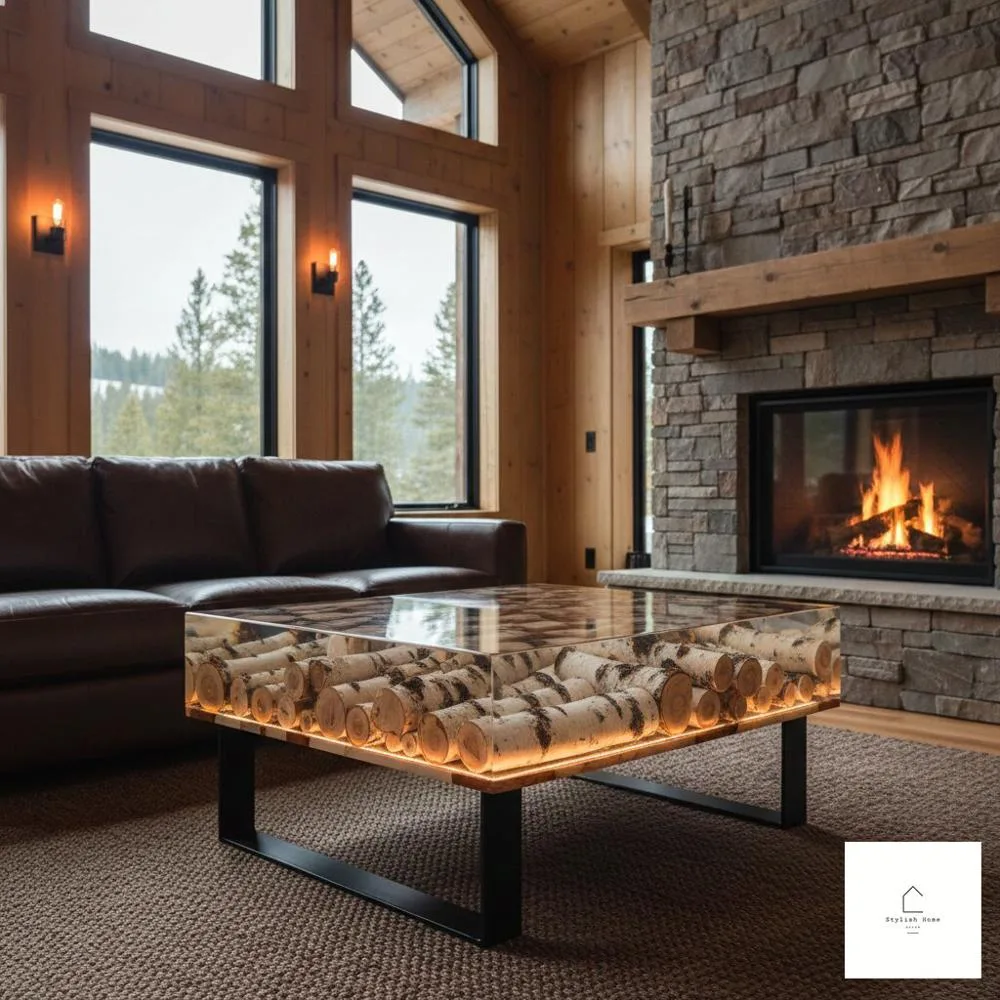
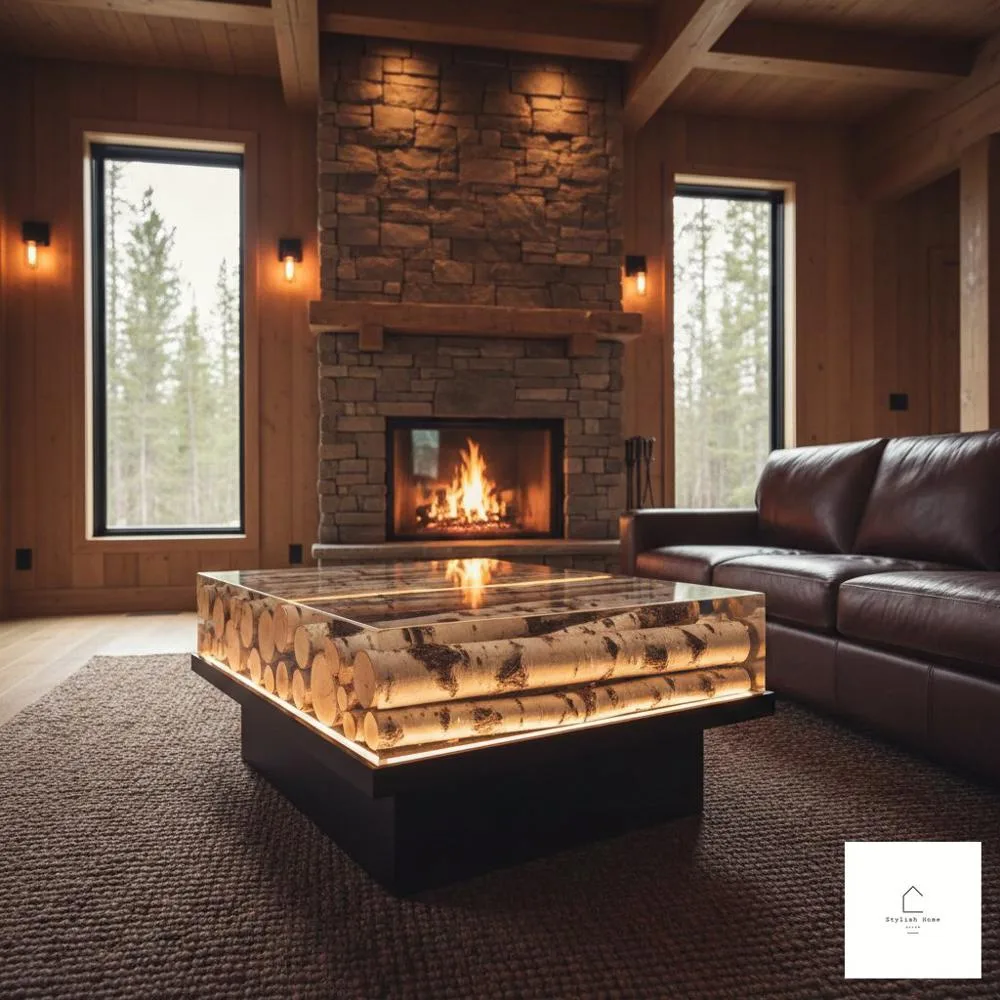
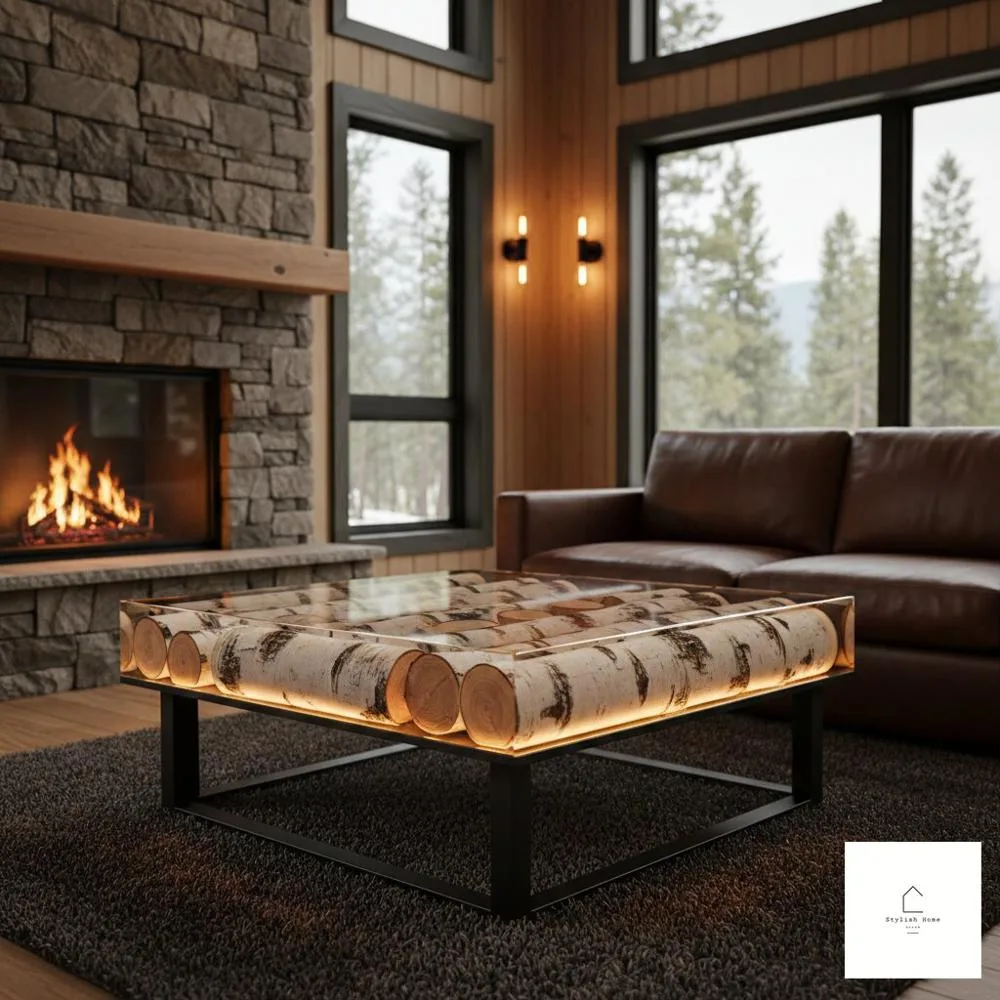
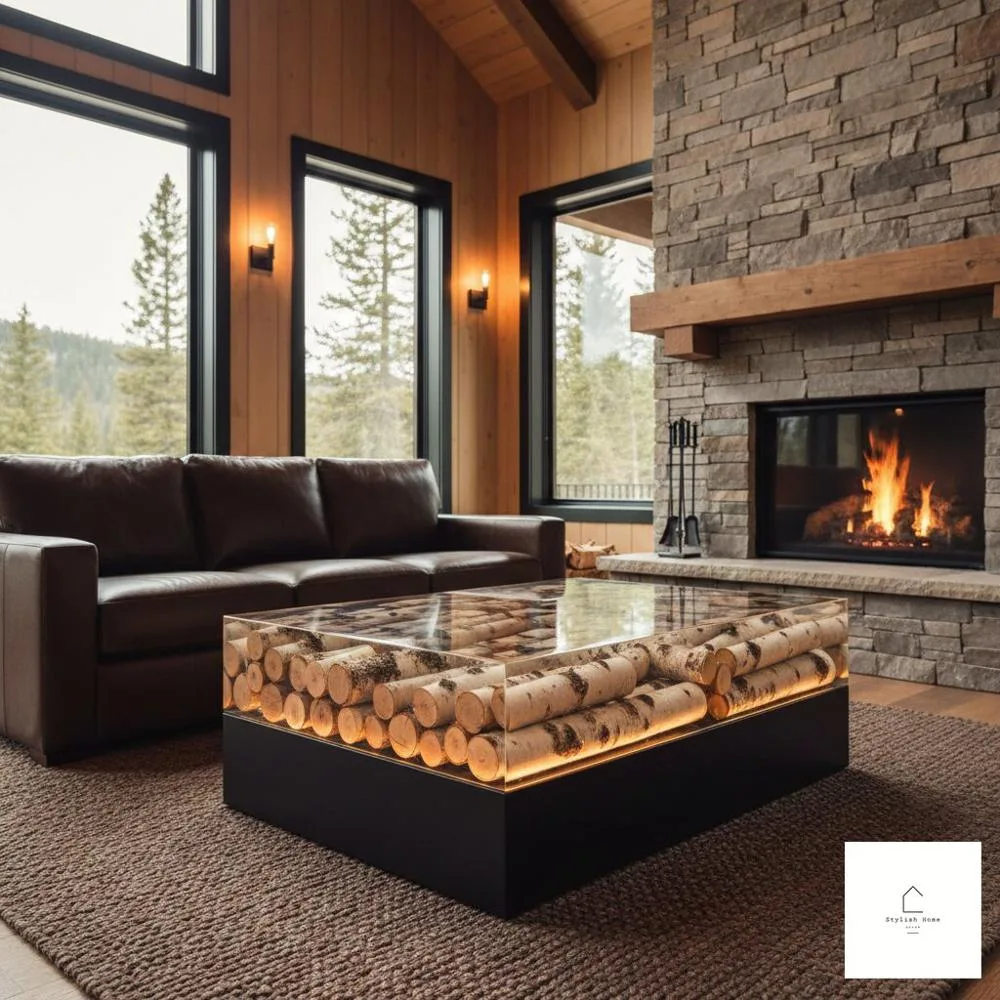
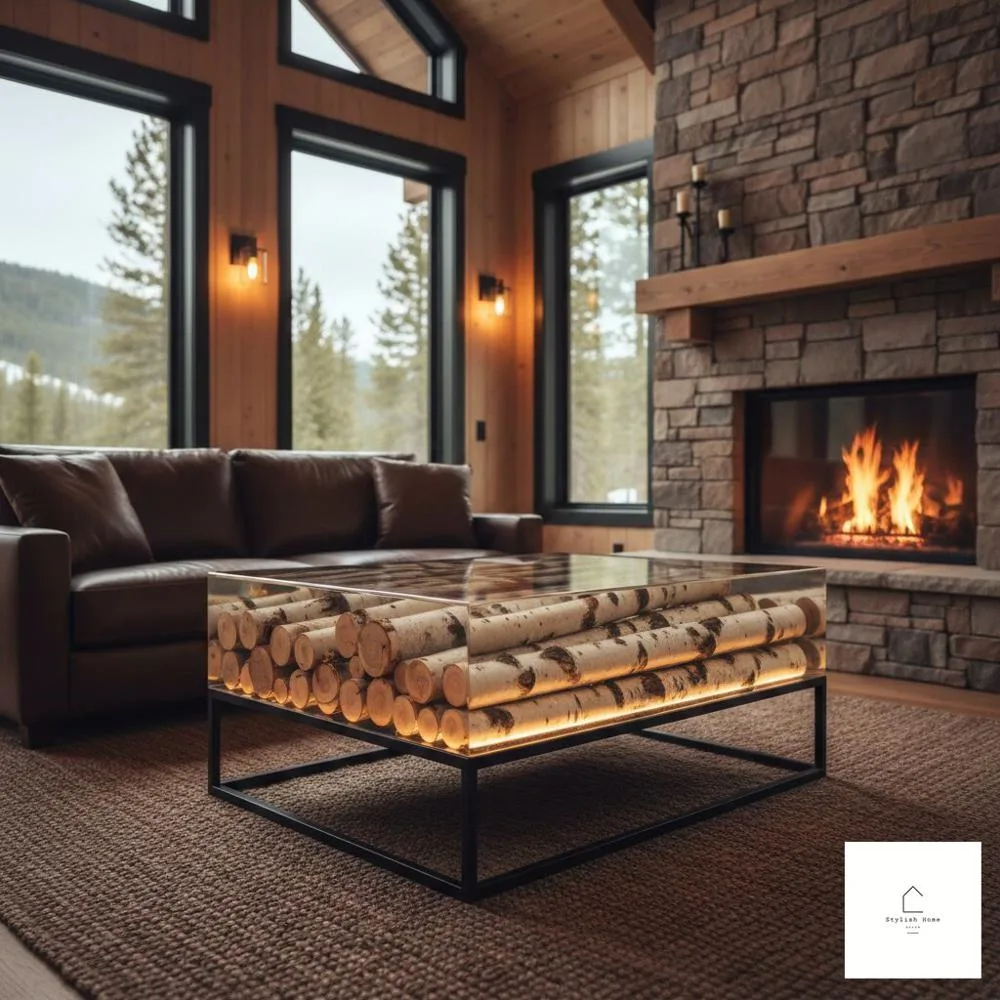
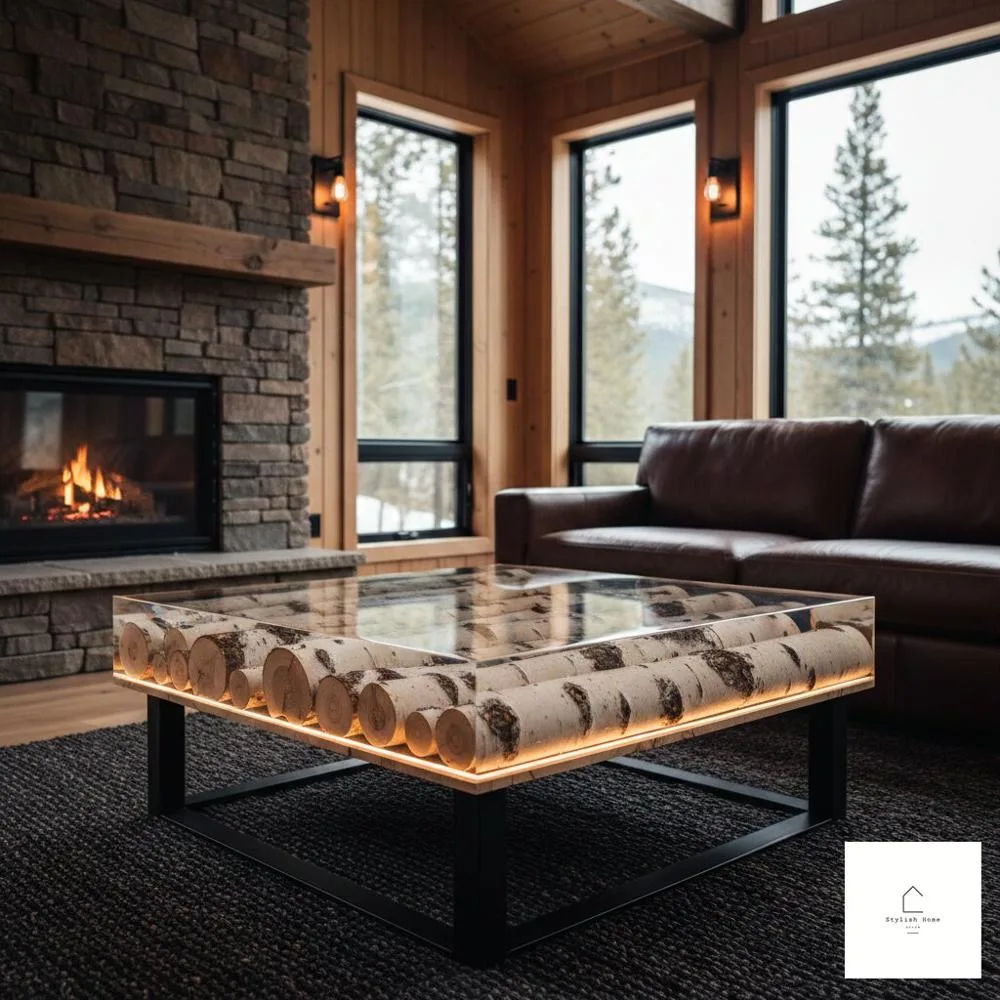
While dining rooms represent the most common placement for larger epoxy aspen tables, these versatile pieces work throughout the home. A smaller epoxy aspen table makes an eye catching coffee table in living rooms, providing a conversation piece that guests invariably admire. The smooth, waterproof surface handles drink placement without worry, making these tables practical for entertaining.
Home offices benefit from custom desk sized versions, creating inspiring workspaces that blend natural elements with modern functionality. The smooth epoxy surface provides ideal conditions for computer work, writing, and creative projects. Entry halls can feature console table versions, offering dramatic first impressions for visitors.
Environmental Considerations and Sustainability
Responsible Wood Sourcing
Sustainability conscious consumers appreciate knowing their furniture choices support environmental responsibility. Aspen trees grow relatively quickly compared to many hardwoods, and they often regenerate from existing root systems after harvesting, reducing environmental impact. Choosing aspen from certified sustainable forestry operations ensures your table supports responsible land management practices.
Many epoxy table creators source their aspen from local suppliers, reducing transportation emissions and supporting regional economies. Some artisans specifically work with reclaimed or salvaged aspen, giving new life to wood that might otherwise be discarded. These practices create beautiful furniture while minimizing environmental footprint.
Epoxy Resin Environmental Impact
The environmental considerations surrounding epoxy resin deserve honest discussion. Traditional epoxy resins are petroleum based products that are not biodegradable. However, manufacturers increasingly offer bio based epoxy alternatives derived from plant materials, providing more sustainable options for environmentally conscious creators and buyers.
Proper workspace practices during epoxy table creation minimize environmental impact. Responsible artisans dispose of waste materials correctly, never pouring excess resin down drains or into natural environments. The long lasting durability of quality epoxy tables also provides environmental benefits, as these pieces remain beautiful and functional for decades rather than requiring replacement like cheaper furniture alternatives.
Finding the Right Creator or Learning the Craft
Evaluating Artisan Credentials
When commissioning an aspen epoxy table, selecting the right creator ensures satisfaction with your investment. Review portfolios carefully, looking for consistent quality across multiple projects. Pay attention to finish quality, color combinations, and overall design execution. Experienced creators should readily share photos of completed works from various angles, including close ups showing surface quality.
Customer reviews and testimonials provide valuable insights into working with particular artisans. Look for feedback about communication throughout the project, whether deadlines were met, and customer satisfaction with finished pieces. Established creators often have waitlists, reflecting their reputation and demand for their work.
Resources for DIY Enthusiasts
For those interested in creating their own epoxy aspen table, abundant resources support learning this rewarding craft. Online video tutorials provide visual guides through each process step, from wood preparation through final finishing. Woodworking and resin crafting communities offer forums where beginners can ask questions and experienced creators share tips.
Investing in quality tools and materials from the start prevents frustration and wasted resources. Essential equipment includes proper mixing containers, spreaders, respirators for safety, sanders, and polishing tools. Starting with smaller projects like cutting boards or side tables allows skill development before tackling larger dining table projects.
Bringing Timeless Beauty into Your Home
The enduring appeal of an aspen epoxy table lies in its ability to bring natural wonder into everyday spaces while providing lasting functionality. These pieces represent the perfect marriage between raw organic materials and human creativity, capturing the beauty of wood grain and the fluidity of colored resin in permanent harmony. Whether you choose vibrant blues that echo mountain streams, deep blacks for dramatic modern statements, or translucent designs showcasing wood’s natural beauty, your epoxy aspen table becomes a unique reflection of personal style.
As functional art pieces, these tables transcend temporary design trends while remaining thoroughly contemporary. The careful craftsmanship required to create quality epoxy aspen tables ensures each piece carries the maker’s dedication and skill, whether you commission a custom creation or embark on your own crafting journey. The smooth, durable surface withstands daily use while maintaining its stunning appearance, making these tables practical investments that elevate any space they inhabit.
The growing popularity of epoxy resin furniture reflects broader appreciation for handcrafted quality and natural materials in our homes. An aspen epoxy table offers something mass produced furniture never can: individuality born from natural wood characteristics combined with intentional design choices that make each piece truly one of a kind. This uniqueness transforms a functional necessity into a treasured centerpiece that tells a story and sparks conversations for years to come.
Whether placed in dining rooms where families gather, living spaces where friends congregate, or home offices where creativity flows, these tables create environments that feel both grounded in nature and excitingly contemporary. The investment in an epoxy aspen table extends beyond monetary value to encompass the daily joy of living with beautiful, meaningful furniture that enriches your space and reflects your appreciation for craftsmanship and natural beauty.