

When it comes to flooring that makes a statement, few options can match the stunning visual impact of bamboo epoxy flooring. This innovative flooring solution has captured the attention of homeowners, designers, and business owners alike, combining the natural warmth of bamboo with the glossy, protective qualities of epoxy resin. Whether you’re renovating your home or designing a commercial space, understanding the possibilities of bamboo resin flooring can open up a world of creative opportunities.
What Is Bamboo Epoxy Flooring
Bamboo epoxy flooring represents a unique marriage between natural materials and modern technology. At its core, this flooring type involves embedding bamboo pieces, slices, or sections into clear or tinted epoxy resin, creating a smooth, durable surface that showcases the natural beauty of bamboo while providing exceptional strength and longevity.
Unlike traditional bamboo plank flooring, which involves installing processed bamboo boards, a bamboo resin floor allows for more creative expression. You can arrange bamboo sections in artistic patterns, create flowing designs, or even incorporate other natural elements to produce a truly one of a kind surface. The epoxy resin acts as both an adhesive and a protective coating, sealing the bamboo and creating a waterproof, easy to maintain surface.
The process typically involves preparing your subfloor, arranging your bamboo materials, and then pouring epoxy resin over the top. Once cured, the result is a stunning floor that feels smooth underfoot while displaying the intricate grain patterns and natural characteristics that make bamboo such an attractive material.
Why Choose Bamboo for Your Epoxy Floor Project
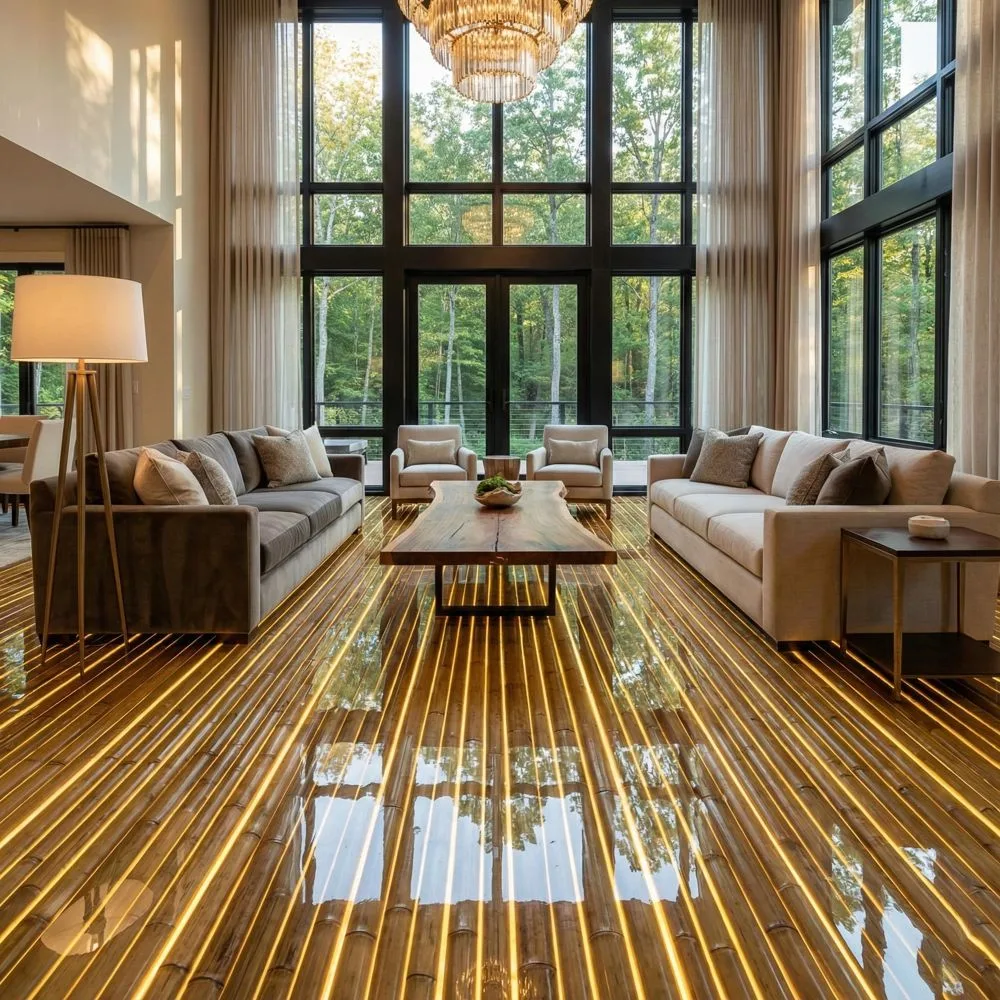
Bamboo has earned its reputation as an excellent flooring material for several compelling reasons. First and foremost, bamboo is one of the most sustainable building materials available today. Unlike hardwood trees that can take decades to mature, bamboo reaches harvest maturity in just three to five years. This rapid growth rate, combined with the fact that harvesting doesn’t kill the plant, makes bamboo an environmentally responsible choice for conscious consumers.
Beyond sustainability, bamboo offers exceptional strength and durability. Pound for pound, bamboo can be stronger than many traditional hardwoods, including oak and maple. This inherent strength translates beautifully when used in bamboo epoxy floor applications, where the material needs to withstand the weight of furniture, foot traffic, and daily wear.
The aesthetic appeal of bamboo cannot be overstated. Each piece of bamboo features unique grain patterns, natural color variations, and distinctive node markings that create visual interest. When preserved in clear epoxy, these characteristics become focal points, transforming your floor into a conversation piece. The natural golden tones of bamboo can warm up modern spaces, while darker varieties create dramatic, sophisticated atmospheres.
Bamboo also works exceptionally well with epoxy because of its relatively consistent density and structure. The material cuts cleanly, can be shaped into various forms, and accepts epoxy resin readily, creating strong bonds that last for years.
Design Possibilities with Bamboo Resin Flooring
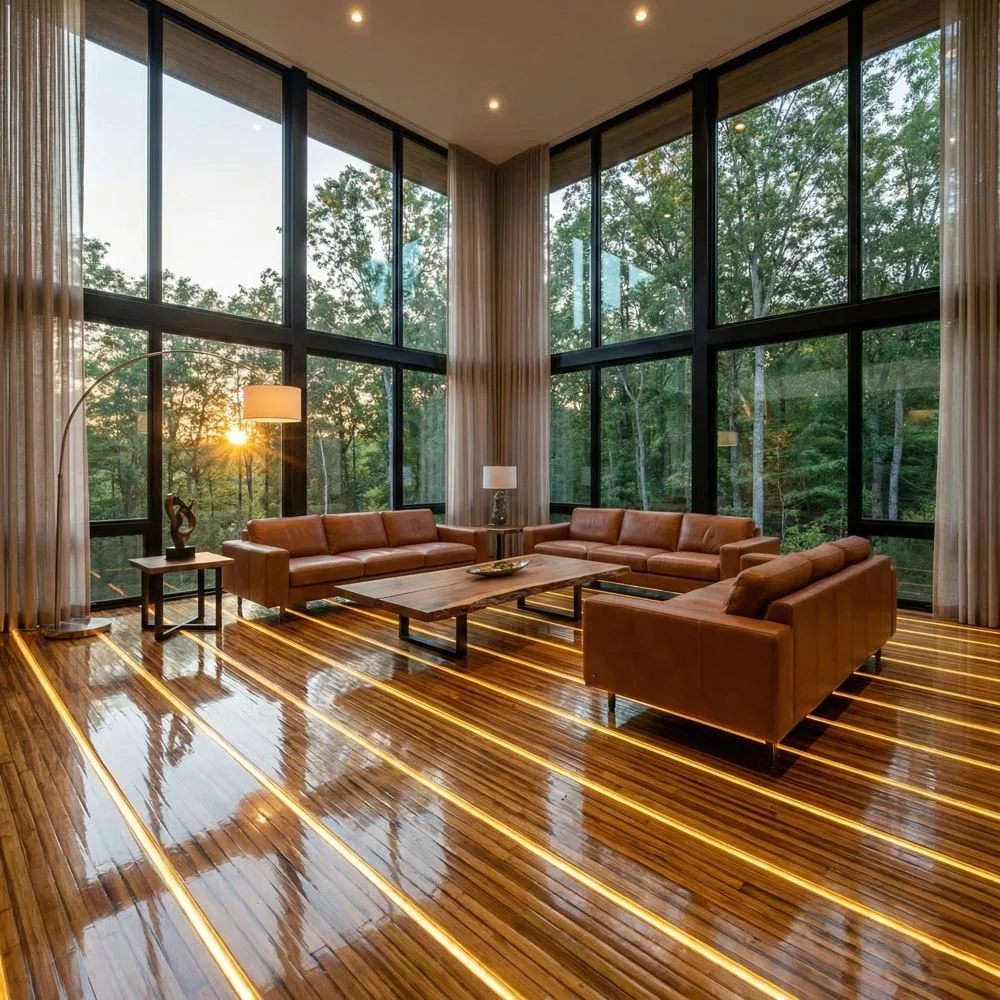
One of the most exciting aspects of working with bamboo resin flooring is the virtually unlimited design possibilities. Unlike traditional flooring options that come in predetermined patterns and styles, a bamboo epoxy floor can be completely customized to reflect your personal taste and complement your space.
Many designers choose to slice bamboo stalks crosswise, revealing the distinctive circular cross section with its hollow center and radiating grain patterns. These slices can be arranged in tight geometric patterns for a modern look or scattered randomly for a more organic feel. Some installers create gradient effects by varying the size of bamboo pieces from one side of the room to the other, or by mixing different bamboo varieties with varying natural colors.
Another popular approach involves using split bamboo sections, which reveal the flat inner surface of the stalk. These pieces can be arranged like a mosaic, creating flowing patterns that guide the eye through the space. Some ambitious projects incorporate multiple layers, with bamboo pieces at different depths within the epoxy, creating a three dimensional effect that adds remarkable visual depth to the floor.
The choice of epoxy resin also dramatically impacts the final appearance. Clear epoxy allows the natural bamboo color to shine through unchanged, while tinted epoxes can create stunning effects. A light blue tint might evoke water flowing around bamboo pieces, while metallic additives can create shimmering, luxurious surfaces. Some installers even incorporate LED lighting beneath translucent bamboo resin floors, creating illuminated surfaces perfect for commercial spaces or home entertainment areas.
Installation Process for Bamboo Epoxy Floor Systems
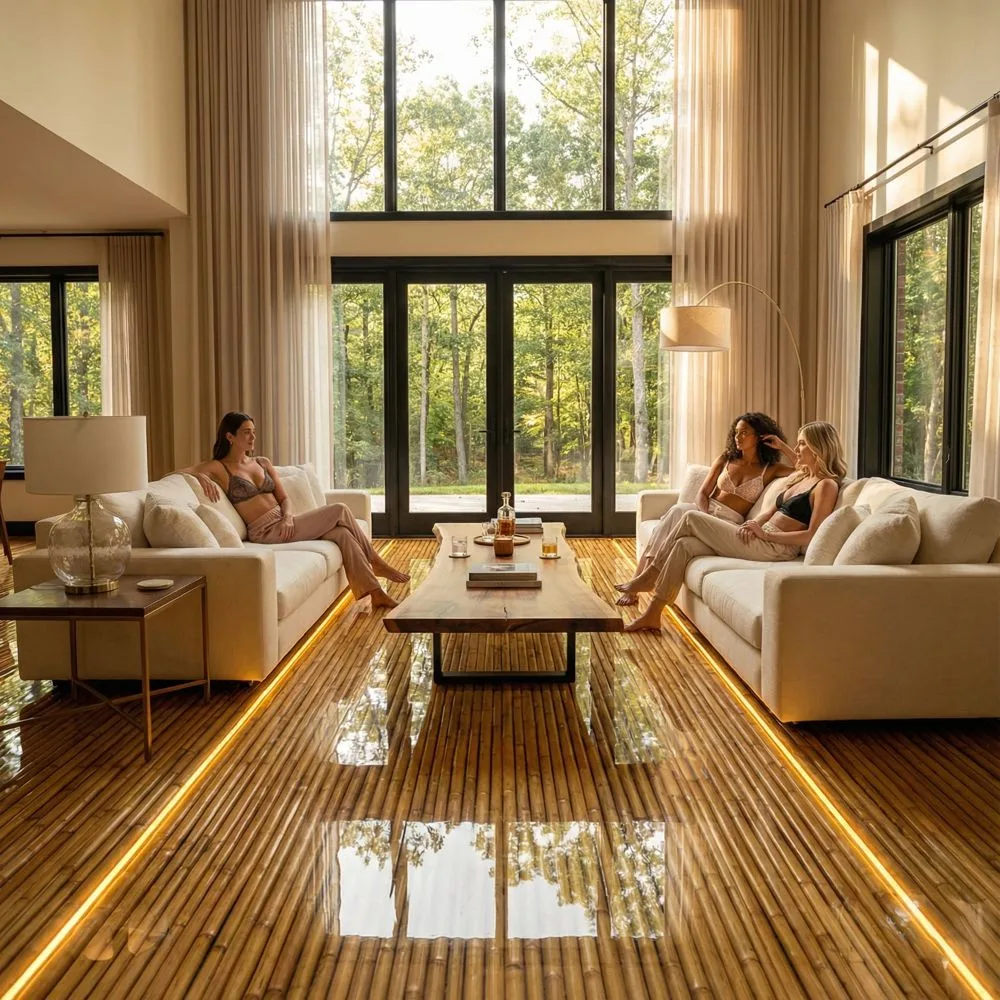
Creating a beautiful bamboo epoxy floor requires careful planning and proper execution. While professional installation is recommended for large projects, understanding the process helps you appreciate the craftsmanship involved and can guide smaller DIY applications.
The first critical step involves proper substrate preparation. Your existing floor must be completely clean, dry, and level. Any moisture in the subfloor can cause serious problems later, potentially causing the epoxy to delaminate or creating cloudy spots in the finish. Concrete subfloors often require grinding or acid etching to create a profile that helps the epoxy bond properly. Wooden subfloors need careful inspection for damage and may require additional underlayment for stability.
Once the substrate is prepared, the actual design work begins. This stage allows for creativity and requires patience. Bamboo pieces must be completely dry before embedding in epoxy, as any moisture trapped in the material can cause problems during curing. Many installers thoroughly dry their bamboo materials and sometimes seal them with a thin coat of epoxy before the main installation to prevent air bubbles from forming when the bamboo is submerged in resin.
The layout phase deserves significant attention. Professional installers often create a complete dry layout of their bamboo pieces before mixing any epoxy, taking photographs from multiple angles to guide the final installation. This planning prevents mistakes during the actual pour, when working time is limited by the epoxy’s pot life.
Mixing and pouring epoxy requires precision. The resin and hardener must be combined in exact ratios according to manufacturer specifications, and thorough mixing is essential for proper curing. Many bamboo resin floor projects require multiple pours, starting with a base coat, then adding bamboo pieces, followed by flood coats that completely cover the materials. Each layer must cure to the appropriate stage before adding the next.
The final step involves applying topcoats that provide UV protection and additional durability. Quality topcoats help prevent yellowing over time and increase scratch resistance, extending the life of your beautiful bamboo epoxy flooring.
Maintenance and Longevity of Bamboo Resin Floors
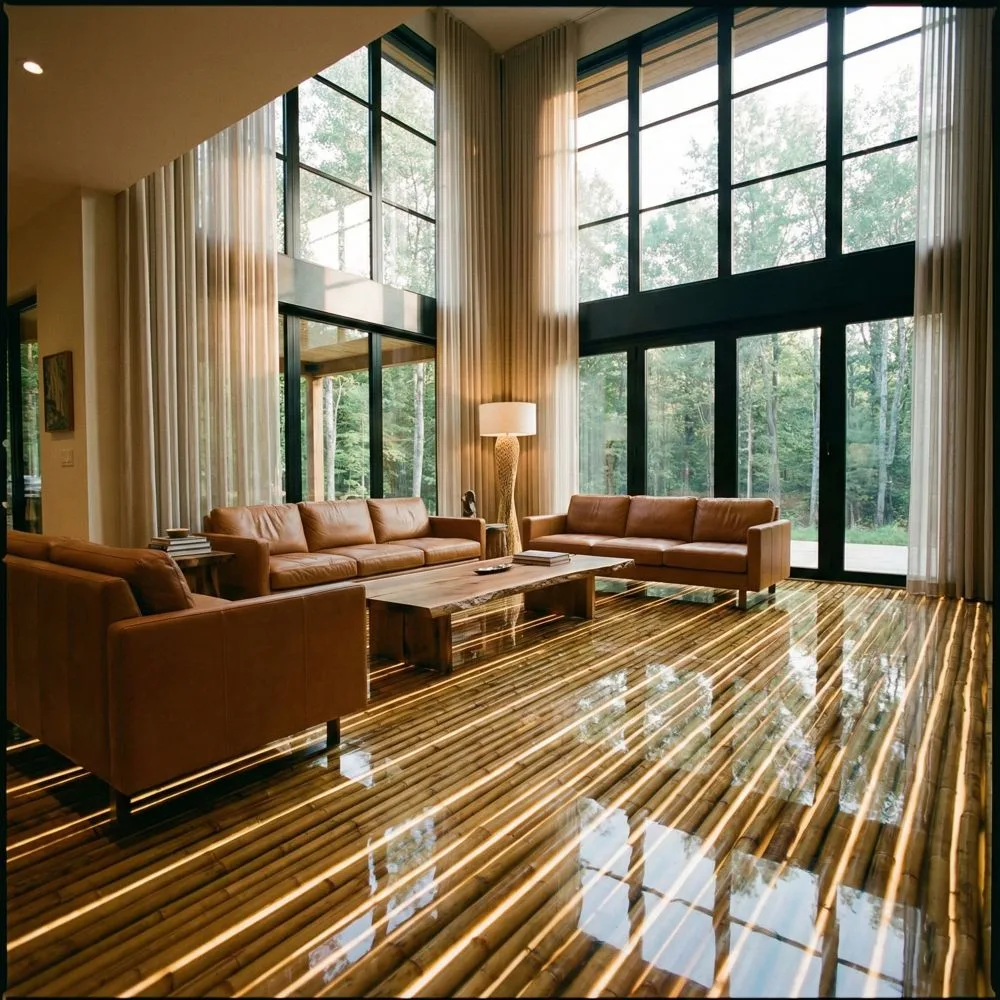
One of the most appealing aspects of bamboo resin flooring is its remarkably low maintenance requirements combined with exceptional durability. When properly installed and cared for, these floors can last for decades while maintaining their stunning appearance.
Daily maintenance is straightforward and simple. Regular sweeping or vacuuming removes dirt and debris that could potentially scratch the surface. For deeper cleaning, damp mopping with a pH neutral cleaner is typically all that’s needed. The seamless nature of epoxy flooring means there are no grout lines or gaps where dirt can accumulate, making cleaning faster and more effective than many traditional flooring options.
The epoxy coating provides excellent protection against water damage, making bamboo epoxy floor installations ideal for kitchens, bathrooms, and even commercial spaces where spills are common. Unlike traditional bamboo plank flooring, which can be susceptible to water damage if not properly sealed, the complete encapsulation in epoxy creates an impermeable barrier that prevents moisture from reaching the bamboo.
Scratch resistance is another significant advantage. While no floor is completely scratch proof, quality epoxy coatings with proper topcoats offer excellent resistance to everyday wear. The hardness of cured epoxy exceeds that of most traditional flooring materials. However, it’s still wise to use furniture pads under heavy items and avoid dragging sharp or rough objects across the surface.
Over time, high traffic areas may show some dulling of the surface gloss. Fortunately, epoxy floors can be refreshed by applying new topcoats without replacing the entire floor. This maintenance approach extends the life of your investment significantly and costs a fraction of full floor replacement.
UV protection deserves special mention. While bamboo naturally resists fading better than many woods, epoxy can yellow when exposed to direct sunlight over extended periods. Quality UV resistant topcoats help prevent this issue, making them essential for installations near windows or in naturally bright spaces.
Cost Considerations for Bamboo Epoxy Flooring Projects
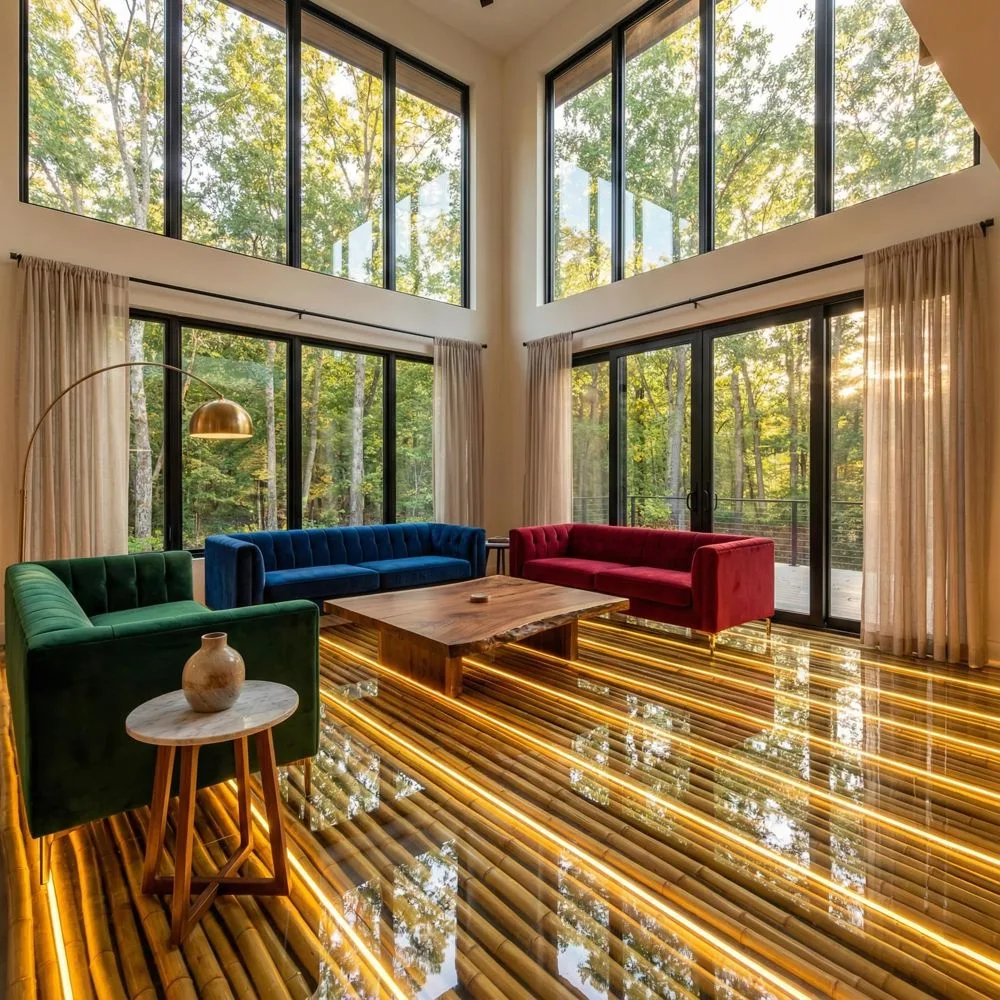
Understanding the financial investment required for bamboo resin floor installation helps with planning and budgeting. The total cost varies considerably based on several factors, including project size, design complexity, material quality, and whether you hire professionals or tackle the project yourself.
Material costs form the foundation of your budget. Epoxy resin systems vary widely in price, with basic options starting around modest per gallon amounts while premium, self leveling, crystal clear formulations with enhanced UV resistance command higher prices. For bamboo epoxy flooring, investing in higher quality epoxy typically pays dividends in terms of clarity, ease of application, and longevity.
Bamboo material costs depend on the type and quantity you need. Bamboo slices, split sections, and processed pieces are available from specialty suppliers and online retailers. Some installers source their own bamboo and process it themselves, which can reduce costs but requires additional time and tools.
Professional installation typically represents the largest expense for most projects. Experienced epoxy flooring contractors bring valuable expertise, specialized tools, and efficiency that can justify their fees. Complex designs with intricate bamboo arrangements, multiple colors, or three dimensional effects require more labor and thus cost more than simpler installations.
For those considering DIY installation, initial tool investments should be factored into your budget. You’ll need mixing equipment, spreading tools, spike shoes for walking on wet epoxy, and safety equipment including respirators and protective clothing. While these purchases increase upfront costs, they become assets for future projects or can potentially be resold after completion.
When comparing costs to other premium flooring options, bamboo epoxy flooring often represents excellent value. While more expensive than basic carpet or vinyl, it competes favorably with high end hardwood, natural stone, or premium tile installations. The combination of durability, unique aesthetics, and low maintenance requirements can make bamboo resin flooring a sound long term investment that may increase property value.
Environmental Impact and Sustainability
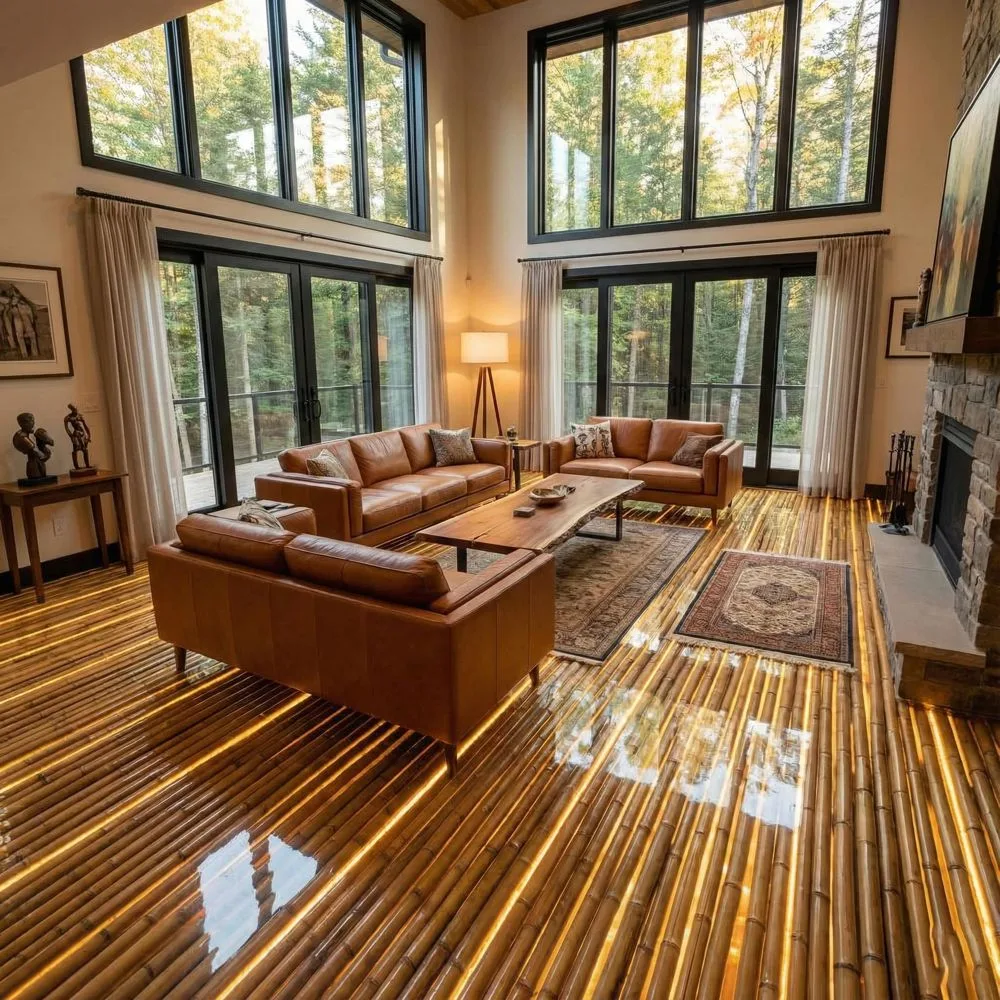
For environmentally conscious property owners, the sustainability profile of bamboo epoxy floor systems presents a mixed but generally positive picture. Understanding both the benefits and considerations helps you make informed decisions aligned with your values.
The bamboo component offers exceptional environmental credentials. As mentioned earlier, bamboo grows remarkably quickly, reaching maturity in a fraction of the time required by traditional hardwoods. This rapid growth makes bamboo a renewable resource that can be harvested sustainably without depleting forests. Bamboo forests also provide environmental benefits during growth, absorbing carbon dioxide and producing oxygen at rates exceeding most tree species.
Bamboo cultivation typically requires minimal pesticides or fertilizers compared to many agricultural crops, and the plant’s extensive root system helps prevent soil erosion. Many bamboo species grow successfully without irrigation beyond natural rainfall, reducing water consumption concerns.
The epoxy component requires more nuanced consideration. Traditional epoxy resins derive from petroleum based sources, which raises sustainability questions. However, the flooring industry has made significant strides in developing bio based epoxy systems that incorporate renewable materials like plant oils. While these alternatives may cost more and sometimes have different performance characteristics, they represent progress toward more sustainable solutions.
The longevity of bamboo resin flooring contributes positively to its environmental profile. Floors that last for decades without replacement reduce the overall resource consumption and waste generation compared to flooring options that require replacement every few years. This durability factor shouldn’t be overlooked when assessing environmental impact.
At end of life, disposal considerations become relevant. Epoxy floors are challenging to recycle due to the thermoset nature of cured resin, which doesn’t melt or reshape like thermoplastic materials. However, the long lifespan means disposal becomes a concern far less frequently than with shorter lived flooring options.
Comparing Bamboo Epoxy Flooring to Alternative Options
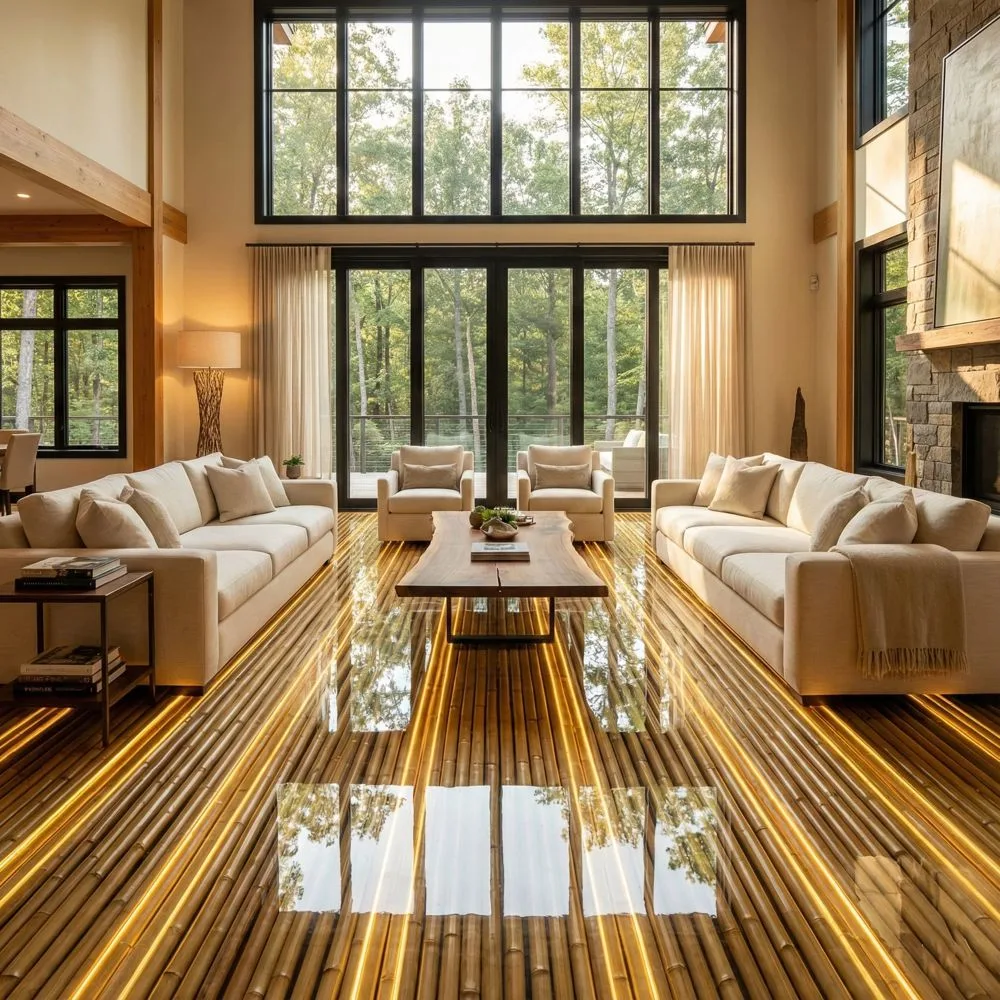
Making an informed flooring decision requires understanding how bamboo resin floor systems compare to other available options. Each flooring type offers distinct advantages and limitations that may make it more or less suitable for your specific situation.
Traditional bamboo plank flooring shares the sustainability benefits of bamboo epoxy flooring but differs significantly in appearance and performance. Plank flooring offers a more conventional look that some may prefer, with the familiar appearance of wood strip flooring. However, it lacks the dramatic visual impact of bamboo embedded in clear resin and typically requires more maintenance. Water resistance is lower unless planks are properly sealed, making traditional bamboo less suitable for wet areas.
Compared to hardwood flooring, bamboo epoxy floor installations offer superior water resistance and typically require less maintenance. While hardwood provides timeless beauty and can be refinished multiple times, it’s more susceptible to water damage and scratches. The sustainability advantage clearly favors bamboo due to growth rate differences. Cost comparisons vary widely depending on wood species and quality levels.
Tile flooring offers excellent durability and water resistance, competing well with bamboo resin flooring in these areas. However, tile lacks the warmth and unique aesthetic that bamboo provides. Grout lines in tile floors require regular cleaning and maintenance that seamless epoxy floors avoid. Installation complexity is comparable between the two options.
Polished concrete has gained popularity as a modern, industrial aesthetic choice. Like bamboo epoxy flooring, it offers excellent durability and low maintenance. However, concrete typically feels colder underfoot and lacks the natural warmth and organic beauty that bamboo brings to spaces. Cost can be comparable for both options when accounting for professional installation.
Standard epoxy floors without embedded materials cost less than bamboo resin floor systems but sacrifice the unique visual interest that bamboo provides. Plain epoxy floors can be colored and decorated with flakes or metallic effects, but these don’t typically achieve the natural, organic aesthetic that bamboo creates.
Bringing It All Together: Is Bamboo Epoxy Flooring Right for You
Choosing flooring represents a significant decision that affects your space’s appearance, functionality, and value for years to come. Bamboo epoxy flooring offers a compelling combination of beauty, durability, and sustainability that makes it an excellent choice for many applications, though it may not suit every situation or preference.
This flooring type excels in spaces where you want to make a design statement. The unique appearance of bamboo preserved in crystal clear resin creates visual interest that few other flooring options can match. If you appreciate natural materials, value craftsmanship, and want flooring that sparks conversation, bamboo resin flooring deserves serious consideration.
Practical considerations also favor this flooring choice for many applications. The water resistance makes it suitable for kitchens, bathrooms, and commercial spaces where moisture exposure is common. Low maintenance requirements appeal to busy households and businesses alike. The durability means your investment will serve you well for many years with minimal upkeep.
Sustainability conscious consumers find much to appreciate in bamboo epoxy floor systems, particularly when choosing bio based epoxy options. The renewable nature of bamboo combined with the longevity of properly installed epoxy floors creates a favorable environmental profile compared to many alternatives.
Budget considerations matter, and bamboo resin flooring represents a moderate to premium investment depending on design complexity and installation approach. While not the cheapest flooring option available, the combination of aesthetics, performance, and longevity can justify the cost for those who value these qualities.
Personal style preferences ultimately guide the decision. If you’re drawn to natural materials, appreciate unique designs, and want flooring that reflects your individual taste, bamboo epoxy flooring provides an ideal canvas for creative expression.
Creating Timeless Beauty Beneath Your Feet
Bamboo epoxy flooring represents more than just a practical surface for walking. It embodies the intersection of natural beauty and human innovation, bringing together sustainable materials and modern technology to create something truly special. Whether you’re drawn to the environmental benefits of bamboo, the artistic possibilities of custom design, or the practical advantages of durable, low maintenance flooring, bamboo resin floor systems offer compelling benefits.
As you consider options for your space, remember that great flooring does more than simply cover the ground. It sets the tone for your entire environment, influences how spaces feel and function, and becomes a backdrop for the moments that matter in your life or business. Bamboo epoxy flooring accomplishes all this while showcasing nature’s beauty in a way that remains fresh and engaging year after year.
The investment in quality bamboo resin flooring pays dividends not just in durability and reduced maintenance, but in the daily pleasure of walking across a surface that’s both beautiful and meaningful. Each glance downward reveals the intricate patterns of bamboo grain, the play of light through clear resin, and the knowledge that your flooring choice reflects both aesthetic sensibility and environmental responsibility.
Whether you’re planning a residential renovation or designing a commercial space, bamboo epoxy floor installations deserve consideration as a flooring solution that truly stands out from conventional options. With proper planning, quality materials, and skilled installation, you can create a floor that delights the eye, serves practical needs, and stands the test of time as a testament to thoughtful design and sustainable living.