
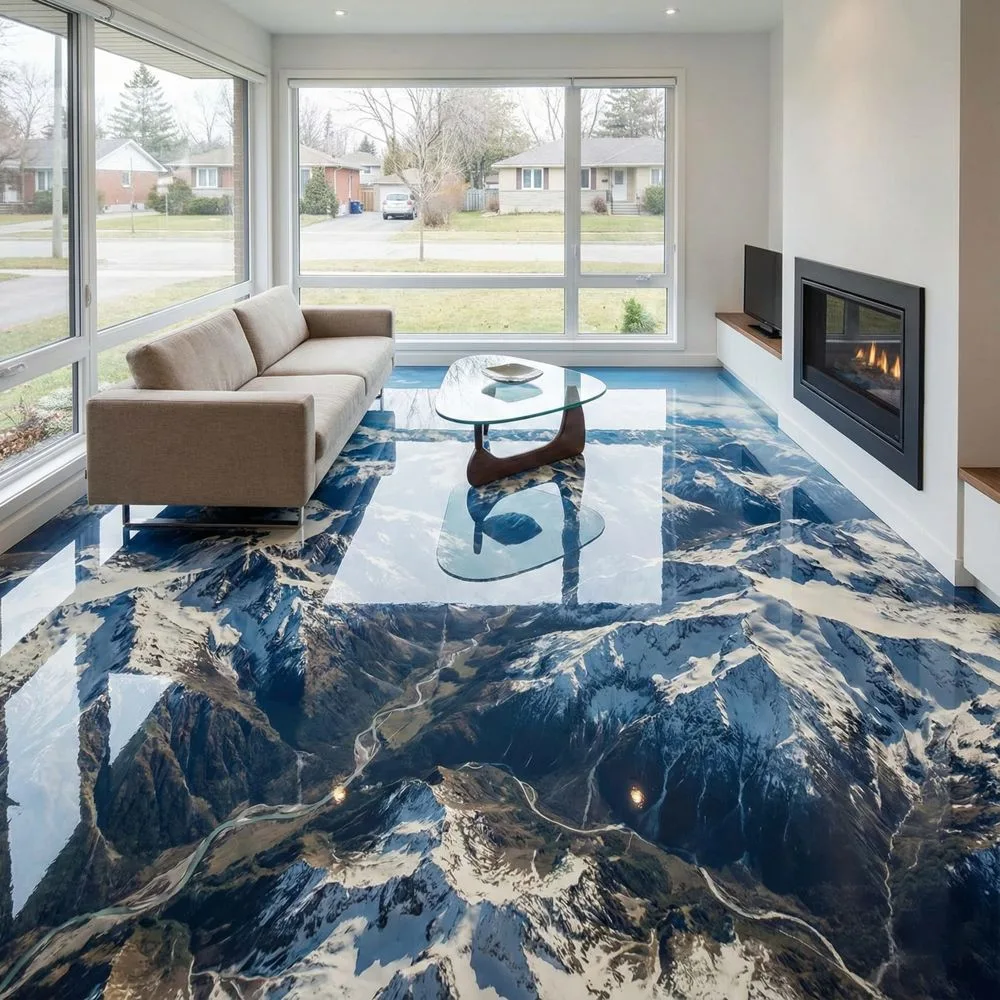
Flooring has evolved far beyond simple functionality. Today’s property owners seek surfaces that make bold statements while delivering exceptional durability. Among the most captivating innovations in modern flooring technology are epoxy active scene floors, a revolutionary approach that transforms ordinary concrete into breathtaking works of art. These dynamic flooring systems combine advanced resin technology with creative design elements to produce three dimensional visual effects that seem to leap from the ground beneath your feet.
Unlike traditional flooring options that simply cover a surface, epoxy active scene floors create immersive environments that engage viewers and transform spaces. Whether you’re renovating a residential garage, upgrading a commercial showroom, or designing a hospitality venue, this flooring technology offers unlimited creative possibilities combined with industrial strength performance.
Understanding the Technology Behind Epoxy Active Scene Floors
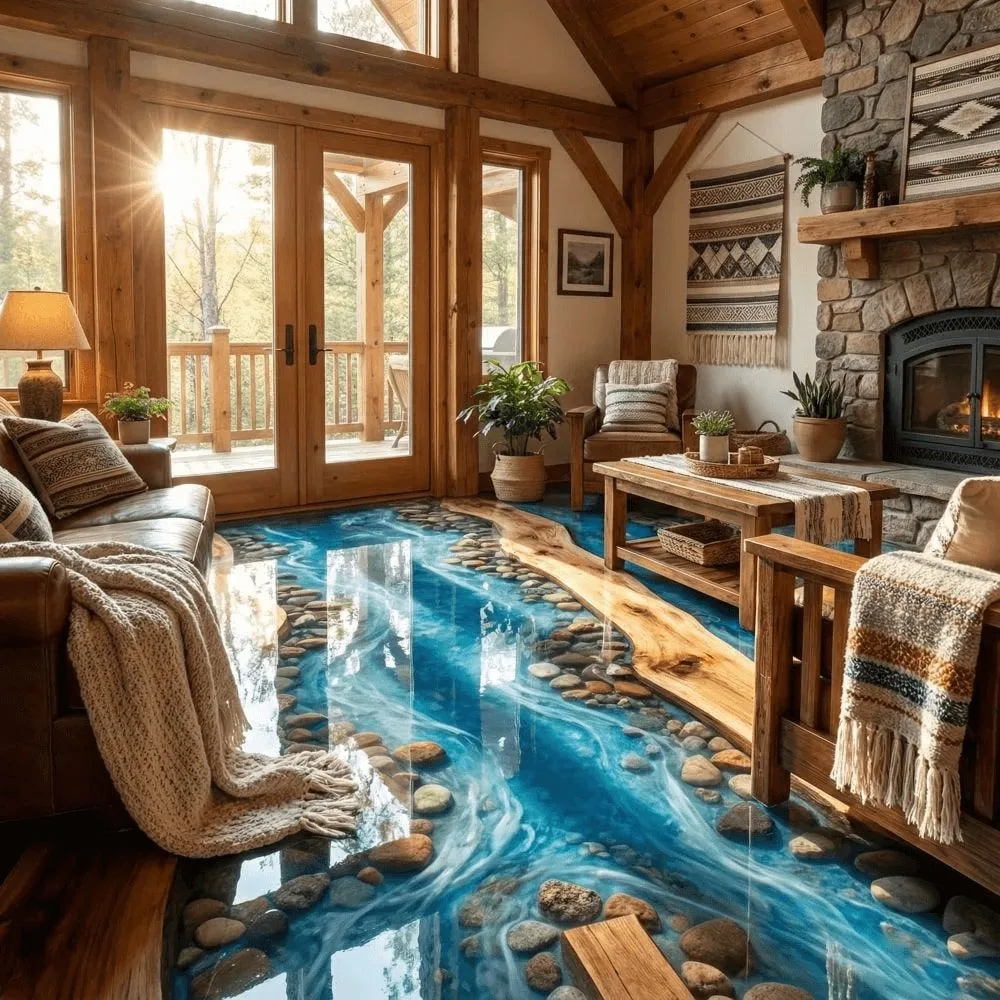
The science behind these remarkable floors involves multiple layers of specialized epoxy resins applied in precise sequences. The process begins with surface preparation, where contractors meticulously clean and profile the concrete substrate to ensure optimal adhesion. This foundation work proves critical because any contamination or inadequate preparation can compromise the entire system.
The base coat establishes the groundwork, typically using a primer designed to penetrate the concrete and create a strong mechanical bond. Once cured, installers apply colored epoxy layers that form the background of the active scene. These layers might include metallic pigments, color flakes, or custom tints matched to specific design requirements.
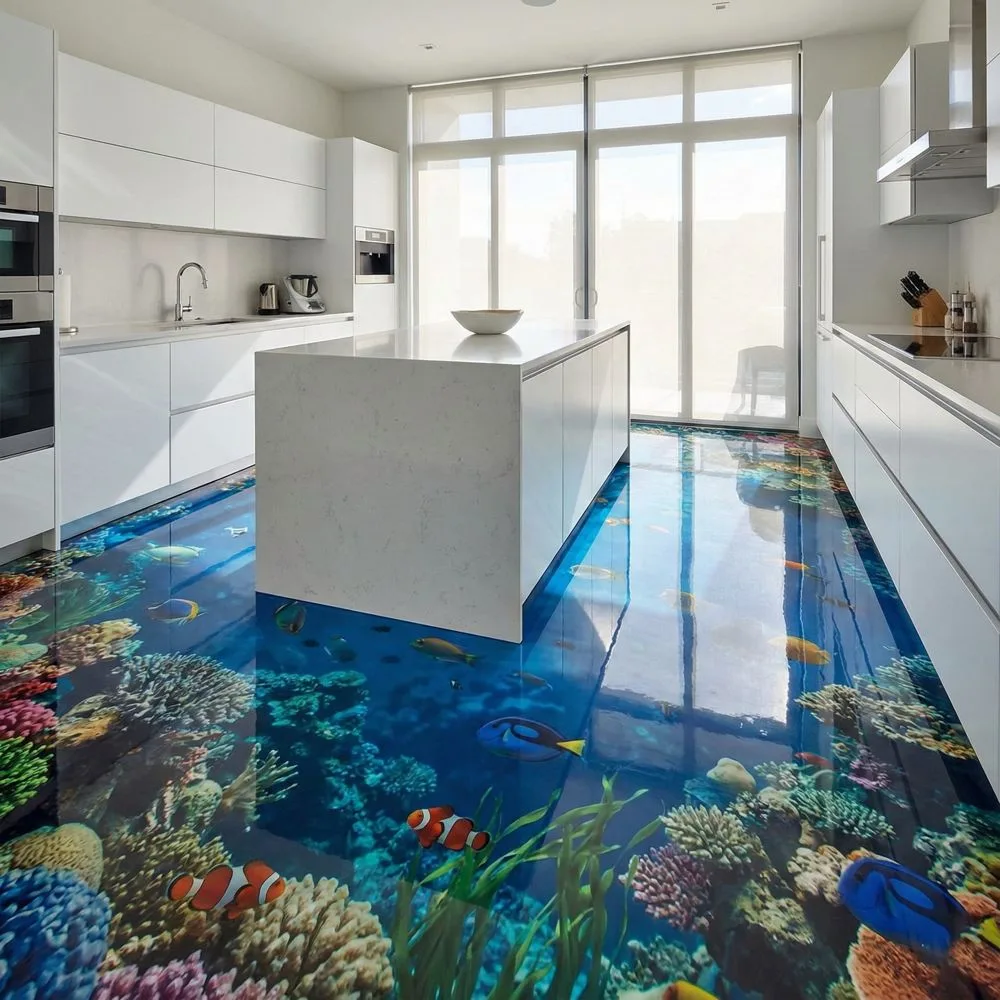
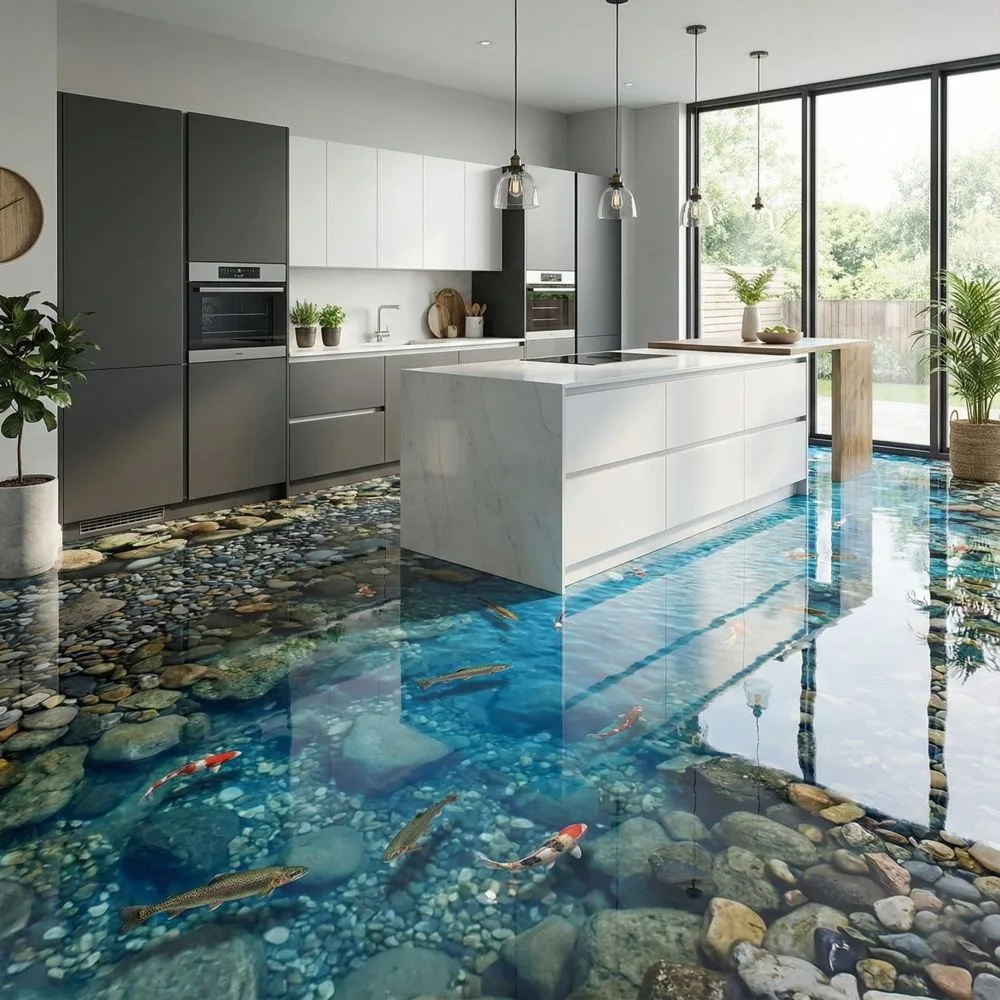
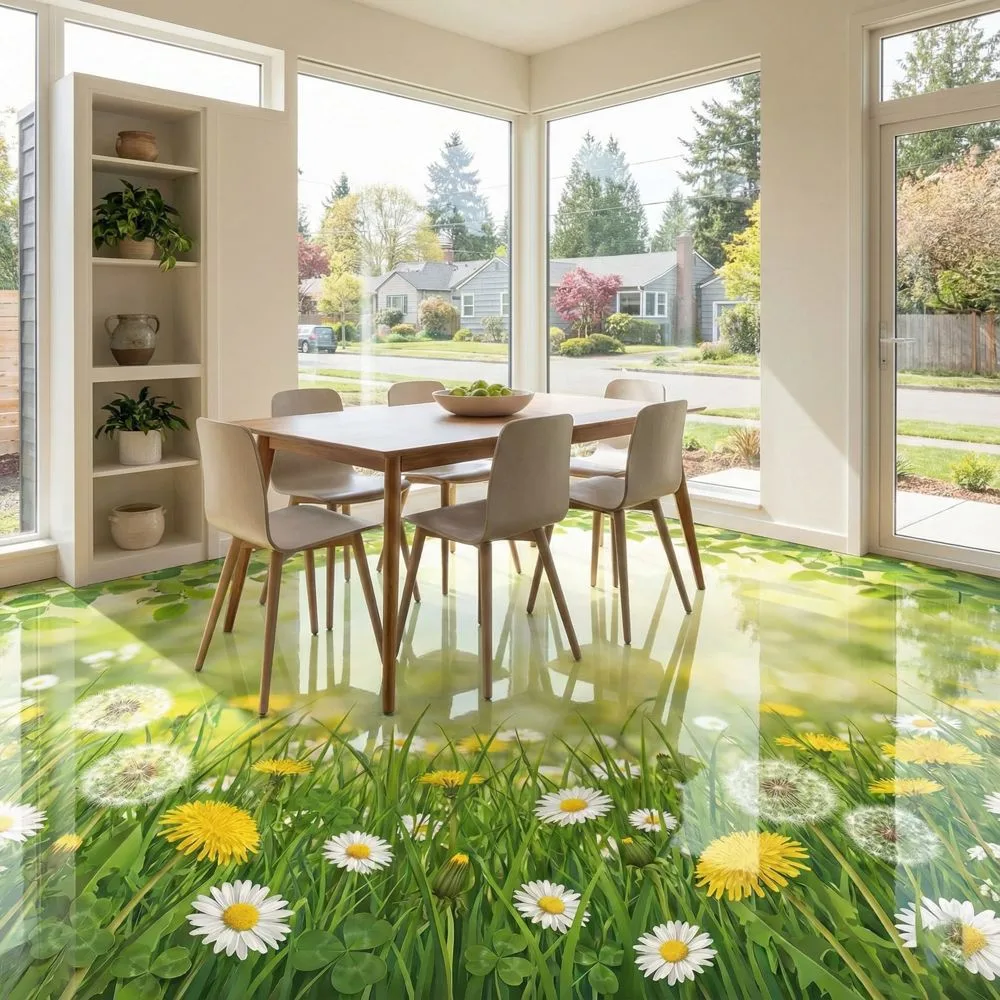
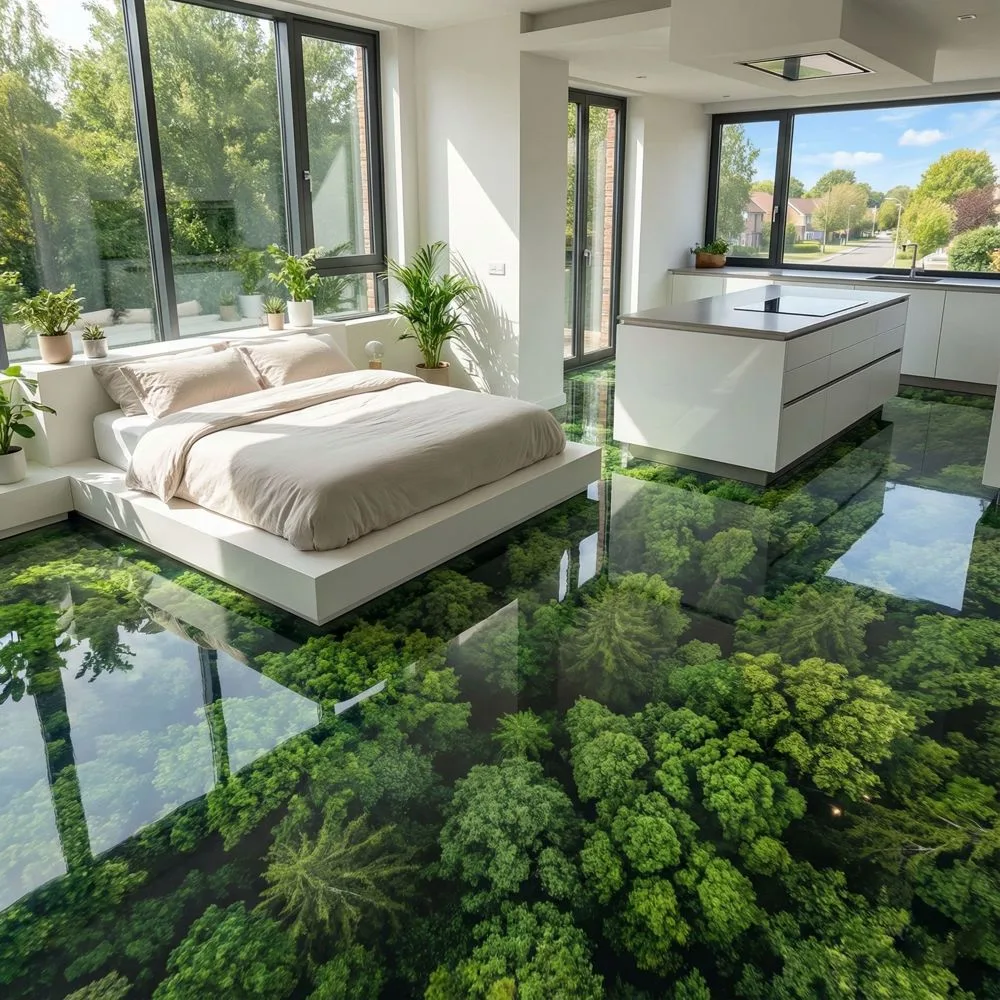
What truly distinguishes epoxy active scene floors is the artistic middle layer. Installers can embed photographs, graphics, three dimensional objects, or hand painted designs directly into the resin matrix. Popular choices include ocean scenes with realistic water depth, geometric patterns that create optical illusions, company logos for corporate branding, or abstract artistic expressions that complement interior design themes.
The final clear coat layers provide both protection and depth. Multiple applications of crystal clear epoxy create a glass like finish that magnifies the embedded imagery, producing the signature three dimensional effect. Some systems incorporate as many as five to seven coats, each adding to the overall visual depth and surface durability.
Design Possibilities That Push Creative Boundaries
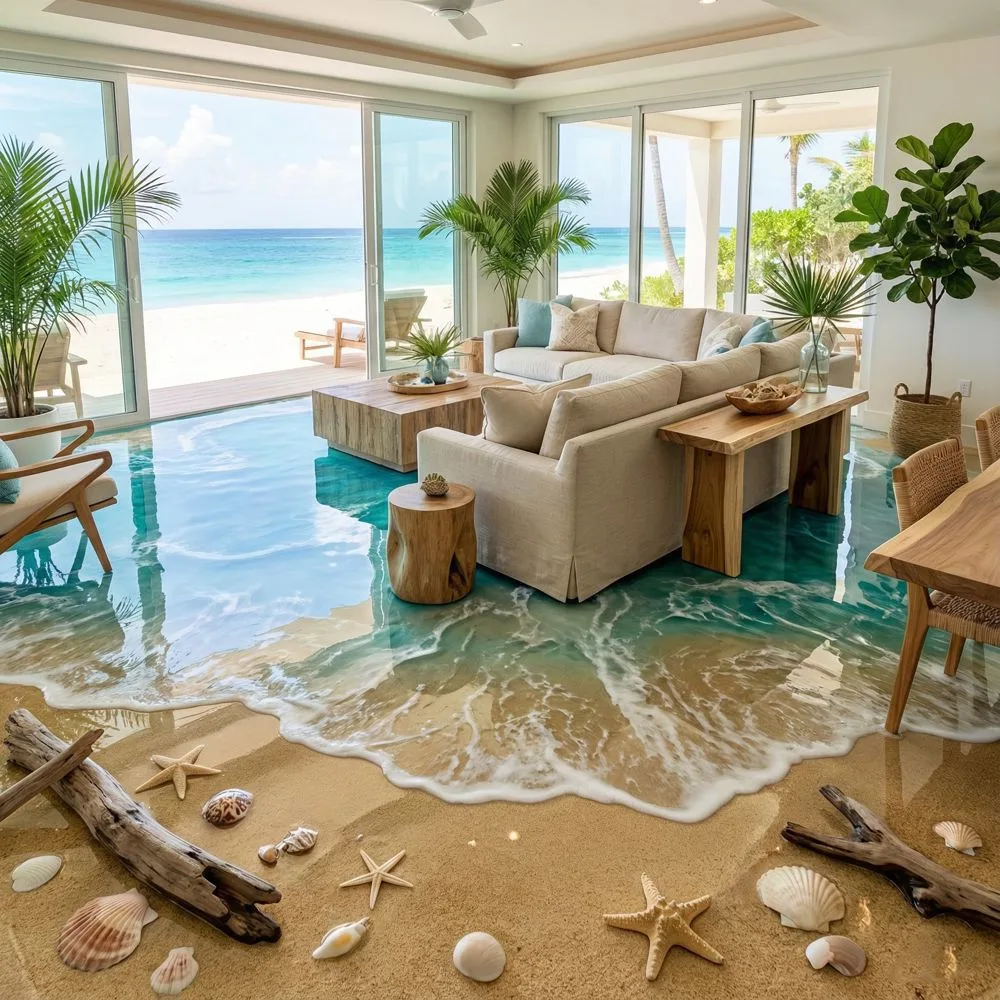
The design flexibility offered by epoxy active scene floors remains virtually limitless. Residential homeowners have transformed basements into underwater seascapes complete with coral reefs and tropical fish. The illusion becomes so convincing that visitors often hesitate before stepping onto the floor, their minds momentarily tricked by the perceived depth.
Retail environments leverage this technology for brand storytelling. Luxury automotive showrooms create floors that mirror the sleek metallic finishes of their vehicles. Fashion boutiques install floors featuring runway patterns or brand imagery that reinforces their identity. Restaurants and bars design floors that complement their themes, from rustic wood grain effects to futuristic geometric patterns.
Corporate offices increasingly adopt epoxy active scene floors in lobbies and conference rooms. A technology company might incorporate circuit board patterns or binary code visualizations. An environmental nonprofit could showcase nature photography celebrating their conservation mission. These custom installations communicate brand values while creating memorable impressions on clients and employees.
The metallic epoxy subset of active scene floors deserves special mention. By incorporating metallic pigments and manipulating them during application, installers create dynamic patterns that shift and change as viewers move across the space. These living floors capture light differently from various angles, producing an ever changing visual experience that never becomes monotonous.
Practical Benefits Beyond Aesthetic Appeal
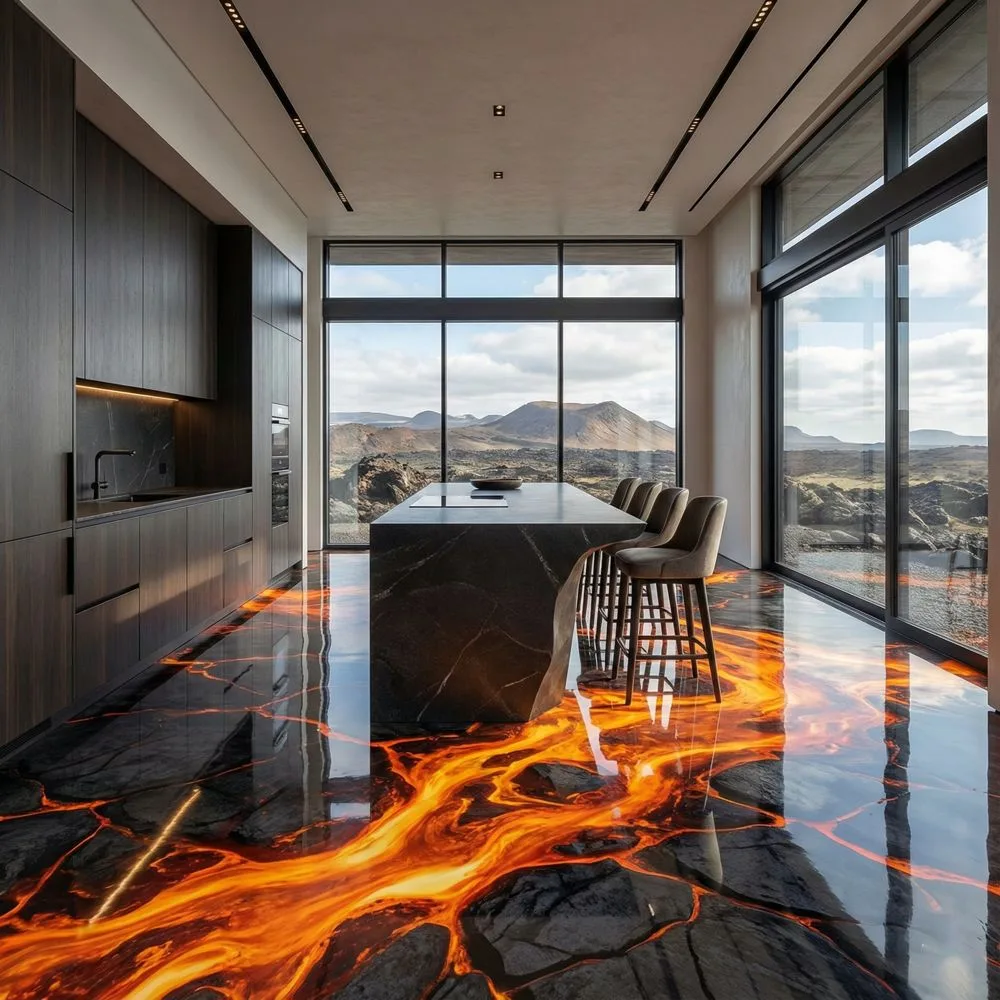
While the visual impact of epoxy active scene floors captures immediate attention, the practical advantages prove equally compelling. These floors deliver exceptional durability that outlasts many traditional flooring materials. The cured epoxy forms a continuous, seamless surface resistant to impacts, abrasion, chemicals, and moisture. Industrial facilities appreciate this resilience, as do homeowners tired of replacing damaged flooring.
Maintenance requirements remain remarkably simple. Unlike tile with grout lines that trap dirt or carpet that stains easily, epoxy active scene floors clean with basic mopping. The non porous surface prevents bacterial growth and resists staining from most household or commercial substances. For businesses, this translates to reduced cleaning costs and improved hygiene standards.
Safety features include customizable slip resistance. Installers can add aggregates or textured additives to the final coat, creating appropriate traction for specific environments. This proves particularly valuable in areas prone to moisture exposure, such as commercial kitchens or pool deck surrounds.
The longevity of properly installed epoxy active scene floors extends decades with appropriate care. While initial investment costs exceed basic flooring options, the life cycle cost analysis often favors epoxy systems. Property owners avoid repeated replacement expenses while maintaining floors that look fresh years after installation.
Installation Considerations and Professional Requirements
Creating successful epoxy active scene floors demands professional expertise and specialized equipment. The installation process typically spans several days, allowing adequate curing time between coats. Attempting DIY installation rarely produces acceptable results, particularly for complex active scene designs requiring artistic skill and technical precision.
Environmental conditions during installation prove critical. Temperature and humidity must fall within specific ranges for proper curing. Most epoxy systems require temperatures between 60 and 90 degrees Fahrenheit with relative humidity below 85 percent. Professional installers monitor these conditions carefully and may use climate control equipment to maintain optimal parameters.
Surface preparation cannot be overemphasized. Contractors often use diamond grinding equipment to create the proper profile on concrete substrates. Any existing coatings must be completely removed. Cracks require repair, and the surface must be thoroughly cleaned of oils, dirt, and contaminants that would prevent adhesion.
The artistic phase requires both technical skill and creative vision. For photographic embedded designs, high resolution images must be properly sized and printed on specialized materials. Hand painted elements demand artistic ability combined with knowledge of how epoxy resin interacts with various pigments and paints. This intersection of art and science explains why experienced installers command premium pricing.
Quality control throughout installation prevents costly failures. Each layer must cure properly before the next application. Bubble formation must be addressed immediately through rolling or specialized tools. The installer must maintain strict cleanliness to prevent debris from marring the finish. These details separate exceptional floors from disappointing results.
Cost Factors and Investment Considerations
Understanding the investment required for epoxy active scene floors helps property owners budget appropriately. Basic metallic epoxy systems typically start around $8 to $12 per square foot for professional installation. Complex active scene designs with custom artwork or embedded imagery can range from $15 to $30 per square foot or higher, depending on intricacy and square footage.
Several factors influence final costs. Surface condition affects preparation requirements, with damaged or contaminated concrete requiring extensive work. Design complexity impacts pricing, as simple solid colors cost less than elaborate scenes requiring multiple artistic layers. Square footage matters, with larger projects typically enjoying better per square foot pricing due to economies of scale.
Geographic location affects labor costs and material availability. Urban markets with higher living costs generally see elevated installation prices. Remote locations might incur additional travel expenses for specialized contractors. Seasonal demand also influences pricing, with some installers offering better rates during slower winter months.
When comparing costs to alternatives, consider the total ownership equation. Hardwood flooring might cost $8 to $15 per square foot but requires refinishing every decade and remains vulnerable to moisture damage. High quality tile installations run $10 to $25 per square foot with ongoing grout maintenance. Polished concrete offers durability but limited design flexibility. Epoxy active scene floors deliver unique aesthetics with maintenance free longevity that often justifies the premium investment.
Ideal Applications for Maximum Impact
Certain spaces benefit particularly from epoxy active scene floors. Residential garages represent one of the most popular applications. Homeowners transform utilitarian spaces into showcases that protect vehicles while impressing guests. The chemical resistance protects against automotive fluids while the durable surface withstands tire traffic and tool drops.
Commercial showrooms leverage the technology for competitive advantage. The unique floors attract attention in crowded retail environments and reinforce brand positioning. Customers remember businesses with distinctive interiors, translating visual impact into marketing value that generates returns over years.
Healthcare facilities increasingly specify epoxy flooring for its hygienic properties and durability. While medical environments typically choose simple designs rather than elaborate active scenes, the technology’s antimicrobial benefits and easy cleaning protocols align perfectly with infection control requirements.
Educational institutions install these floors in common areas, gymnasiums, and laboratories. The durability withstands heavy foot traffic while school colors or mascot imagery builds institutional pride. The seamless surface eliminates trip hazards compared to transition strips between traditional flooring materials.
Hospitality venues create memorable guest experiences through distinctive flooring. Hotel lobbies, restaurant dining rooms, nightclub dance floors, and casino gaming areas all benefit from the visual drama. In competitive markets where ambiance drives customer choice, epoxy active scene floors provide differentiation that influences booking decisions.
Maintenance and Long Term Care Requirements
Preserving the beauty and performance of epoxy active scene floors requires consistent but simple maintenance practices. Daily or regular sweeping removes abrasive particles that could scratch the surface over time. Dust mopping or dry microfiber systems work effectively for routine cleaning without introducing excess moisture.
Periodic wet mopping with pH neutral cleaners maintains the finish without degrading the epoxy. Harsh chemicals, particularly those with high acidity or alkalinity, should be avoided as they can eventually dull the surface or cause discoloration. Most manufacturers provide specific cleaner recommendations compatible with their systems.
Preventing damage proves easier than repairing it. Furniture pads protect against scratching from moving chairs or tables. Mats at entrances trap dirt and moisture before they reach the main floor surface. For commercial environments, establishing cleaning protocols ensures staff members use appropriate techniques and products.
Despite exceptional durability, epoxy floors can sustain damage from extreme impacts or prolonged exposure to certain chemicals. Professional restoration services can address significant damage, though prevention remains more cost effective. Minor scratches sometimes respond to light buffing, while deeper damage may require patching and recoating affected areas.
The clear coat naturally experiences wear in high traffic zones over years or decades. Planning for eventual recoating extends floor life indefinitely. Many property owners schedule maintenance recoating every 10 to 15 years, refreshing the surface and updating designs if desired. This approach maintains like new appearance while avoiding complete replacement costs.
Environmental Considerations and Sustainability Aspects
Modern epoxy active scene floors increasingly incorporate environmentally conscious formulations and practices. Low VOC volatile organic compound products minimize air quality impacts during installation and curing. These advanced formulas meet or exceed regulatory requirements while protecting installer and occupant health.
The longevity inherent in epoxy systems contributes to sustainability by reducing replacement frequency. Fewer replacements mean less material consumption and reduced construction waste over a building’s lifetime. This durability factor often earns points in green building certification programs evaluating life cycle environmental impacts.
The reflective properties of high gloss epoxy floors can reduce lighting requirements by maximizing available light distribution. This energy efficiency benefit accumulates over years, lowering operational costs and environmental footprints simultaneously. Some studies suggest reflective flooring can reduce lighting energy consumption by 10 to 30 percent in certain applications.
End of life considerations deserve attention. While epoxy cannot be recycled in traditional ways, the underlying concrete substrate remains fully reusable. Removal for renovation typically involves mechanical grinding that can be messy but doesn’t generate hazardous waste. Some contractors reclaim the removed material for use as aggregate in new concrete mixes.
Choosing local installers and domestically produced materials reduces transportation related environmental impacts. Many epoxy manufacturers now operate regional production facilities that minimize shipping distances. Supporting these local supply chains benefits both environmental goals and community economies.
Wrapping Up Your Flooring Transformation Journey
Epoxy active scene floors represent the convergence of artistic vision, advanced materials science, and practical functionality. These remarkable surfaces transform ordinary concrete into extraordinary visual experiences that engage viewers while delivering decades of maintenance free service. From residential garages to commercial showrooms, from healthcare facilities to hospitality venues, the applications span virtually every environment imaginable.
The investment in epoxy active scene floors pays dividends through enhanced property values, reduced maintenance costs, and the intangible benefits of distinctive spaces that inspire and impress. While professional installation requires careful contractor selection and appropriate budgeting, the results justify the commitment through unmatched durability and timeless aesthetic appeal.
As flooring technology continues evolving, epoxy active scene floors stand at the forefront of innovation. They prove that functional surfaces need not sacrifice beauty, and that artistic expression can coexist with industrial strength performance. Whether you’re planning a renovation, constructing a new space, or simply exploring possibilities, these dynamic floors deserve serious consideration for their ability to transform the ordinary into the extraordinary.