
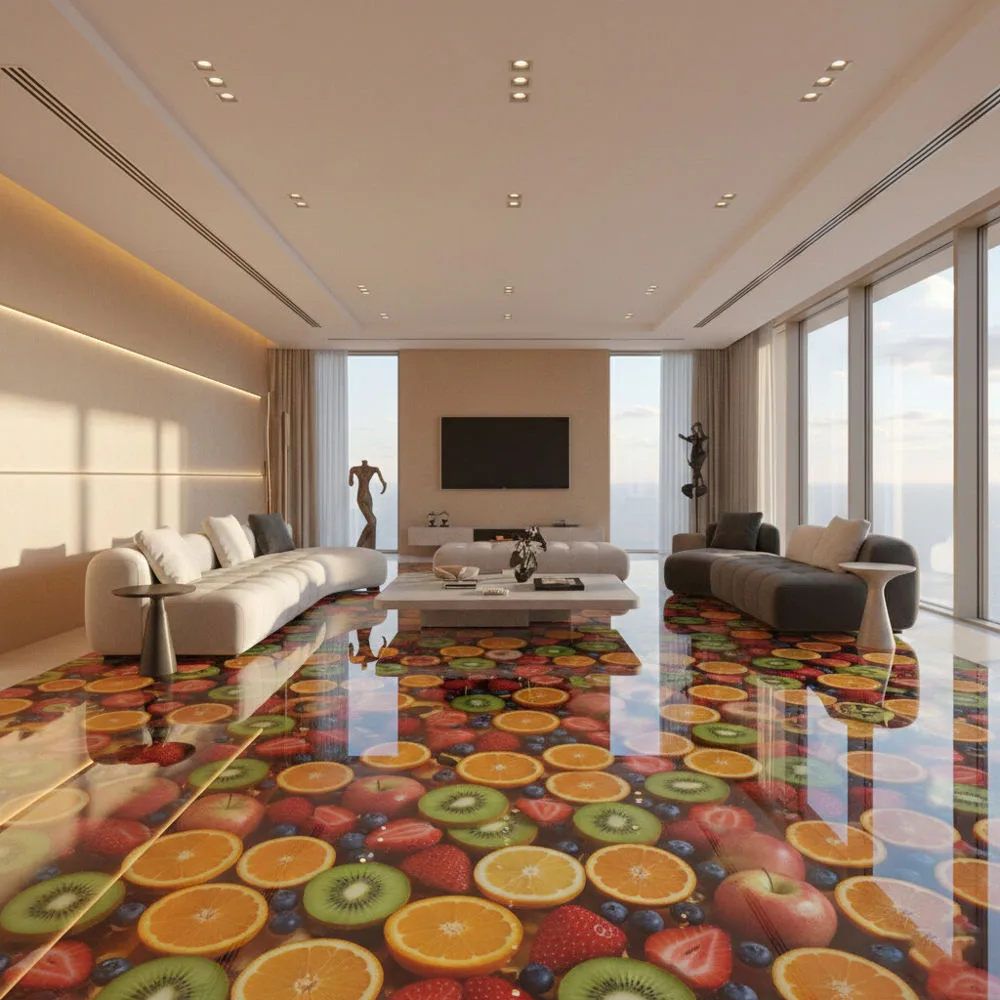
Imagine walking into a room where the floor beneath your feet appears to showcase fresh strawberries, vibrant lemons, or tropical pineapples suspended in crystal clear glass. This is the captivating effect of an epoxy fruit floor, a design innovation that has transformed ordinary spaces into extraordinary visual experiences. This flooring technique combines artistic creativity with the practical benefits of epoxy resin, creating floors that are not only beautiful but also remarkably durable and easy to maintain.
The concept might sound unusual at first, but epoxy fruit floors have gained significant traction among homeowners, business owners, and interior designers looking for unique ways to make a statement. Whether you’re considering this option for your kitchen, bathroom, commercial space, or even outdoor patio, understanding the process, benefits, and considerations will help you make an informed decision about this innovative flooring solution.
What Is an Epoxy Fruit Floor
An epoxy fruit floor is a specialized flooring technique that involves embedding real or artificial fruit slices, whole fruits, or high resolution images of fruits within layers of clear epoxy resin. The result is a three dimensional effect that makes the fruits appear suspended within the floor itself, creating an illusion of depth and realism that never fails to impress visitors.
The process begins with preparing the concrete or existing floor surface, followed by arranging the fruit elements in a desired pattern. Multiple layers of clear epoxy resin are then poured over the fruits, with each layer carefully cured before adding the next. The final result is a smooth, glossy surface that encapsulates the fruit elements while providing a durable walking surface.
This technique belongs to the broader category of 3D epoxy flooring, which has revolutionized interior design by allowing virtually any image or object to be incorporated into floor designs. From ocean scenes with pebbles and shells to galaxy patterns and geometric designs, epoxy resin offers endless creative possibilities. However, the fruit variation has become particularly popular due to its vibrant colors, organic appeal, and ability to brighten up any space.
The Science Behind Epoxy Resin Flooring
Understanding what makes epoxy resin suitable for this application helps appreciate why these floors are so effective. Epoxy is a thermosetting polymer that, when mixed with a hardening agent, undergoes a chemical reaction that transforms it from a liquid into a solid state. This process, called curing, creates an incredibly strong bond with the underlying surface while forming a hard, durable top layer.
The transparency of epoxy resin is crucial for fruit floor applications. High quality epoxy products offer exceptional clarity that doesn’t yellow over time, ensuring that the embedded fruits remain visible and vibrant for years. The resin also provides a self leveling property, which means it naturally spreads evenly across the surface, creating a smooth finish without visible seams or joints.
Modern epoxy formulations are engineered to resist moisture, chemicals, stains, and impact, making them suitable for high traffic areas. The hardness of cured epoxy can rival that of stone or tile, yet it maintains a slight flexibility that prevents cracking under normal use. These properties make epoxy an ideal medium for creating artistic floors that don’t sacrifice functionality for aesthetics.
Design Possibilities and Creative Applications
The beauty of an epoxy fruit floor lies in its versatility. You can choose from numerous fruit types, arrangements, and color schemes to match your space’s aesthetic. Citrus slices like oranges, lemons, and limes are popular choices because their translucent nature allows light to pass through them, creating stunning visual effects. The circular patterns of citrus slices also create pleasing geometric compositions when arranged thoughtfully.
Strawberries offer rich red tones and interesting textures with their seeds and green tops. Kiwi slices provide unique patterns with their radiating seed structures. Tropical fruits like pineapples, dragon fruits, and passion fruits add exotic flair, while apples and pears can create a more traditional orchard feel. Some designers even mix different fruit types to create colorful, eclectic compositions that celebrate nature’s diversity.
Beyond using actual fruit slices, advances in printing technology have made it possible to use high definition images printed on special materials that can be embedded in epoxy. This approach offers several advantages, including consistent coloration, no risk of organic material decay, and the ability to scale fruits to any size. You can even create surreal designs featuring oversized fruits or fruits not typically found in your region.
The arrangement patterns range from random scattered layouts to carefully organized grids, gradients that transition from one fruit type to another, or even artistic compositions that tell a story or create specific moods. A kitchen might feature a farmer’s market theme with various fruits arranged as if displayed in baskets, while a juice bar could showcase the ingredients of popular drinks arranged by color.
Installation Process Step by Step
Creating an epoxy fruit floor requires careful planning and execution. While experienced DIY enthusiasts can tackle this project, most people achieve better results by hiring professionals who specialize in decorative epoxy flooring.
Surface Preparation
The foundation determines the success of the entire project. The existing floor must be thoroughly cleaned, with all grease, oil, dust, and contaminants removed. Any cracks, holes, or uneven areas need repair. Concrete floors typically require grinding to open the pores and create a profile that allows the epoxy to bond properly. The surface must also be completely dry, as moisture can cause adhesion problems and cloudiness in the epoxy.
Primer Application
A primer coat is applied to seal the substrate and improve adhesion. This layer also prevents air bubbles from rising through the epoxy layers, which could mar the finished appearance. The primer needs adequate curing time before proceeding to the next step.
Fruit Preparation and Placement
If using real fruit slices, they must be properly prepared through a dehydration or preservation process to prevent decay and discoloration. The slices should be thin enough to minimize the amount of epoxy needed to cover them but thick enough to maintain their structural integrity. Each piece is carefully positioned according to the planned design, and some installers temporarily secure them with small amounts of epoxy or adhesive.
Epoxy Layer Application
The first layer of clear epoxy is poured, carefully worked around the fruit pieces to eliminate air pockets. Once this layer cures, additional layers are added until the fruits are fully encapsulated and the surface reaches the desired height. Each layer must cure properly before the next is added, which means the entire process can take several days to complete.
Finishing and Sealing
After the final epoxy layer cures, the surface may be lightly sanded to remove any imperfections, then a final clear topcoat is applied. This topcoat adds extra durability and UV resistance while enhancing the glossy appearance. Some installations include non slip additives in the topcoat for safety, particularly in areas prone to moisture.
Cost Considerations and Budget Planning
An epoxy fruit floor represents a significant investment, and understanding the cost factors helps with realistic budget planning. Professional installation typically ranges from fifty to two hundred dollars per square meter, depending on various factors.
The complexity of the design significantly impacts cost. A simple arrangement with uniform fruit slices costs less than an intricate artistic composition requiring precise placement and multiple fruit types. The quality of epoxy resin matters too, with premium products that offer superior clarity and durability commanding higher prices.
Labor represents a substantial portion of the total cost. The skill required to create these floors, combined with the time needed for multiple layers to cure, means labor costs can exceed material costs. Geographic location also affects pricing, with services in major metropolitan areas typically costing more than in smaller cities.
Surface preparation requirements add to the total expense. A floor in good condition requires minimal prep work, while a damaged or uneven surface needs extensive repair before epoxy application. Some projects require moisture barriers, which add to material and labor costs.
For those considering a DIY approach to reduce costs, expect to spend thirty to eighty dollars per square meter on materials alone. However, achieving professional looking results without experience is challenging, and mistakes can be costly to correct. Epoxy has a limited working time once mixed, and improper application can result in bubbles, uneven surfaces, or poor adhesion that requires complete removal and reinstallation.
Maintenance and Longevity
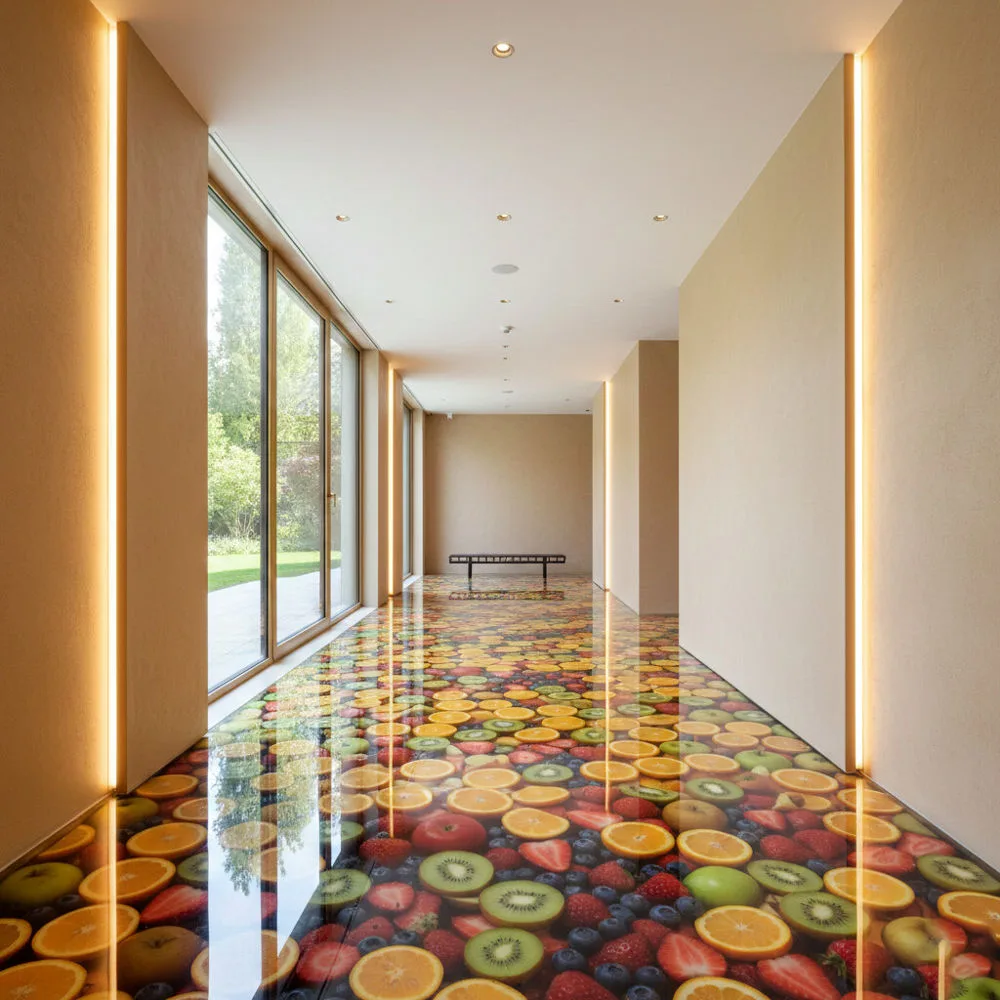
One of the most appealing aspects of an epoxy fruit floor is its relatively low maintenance requirements. Regular sweeping or vacuuming removes dirt and debris that could scratch the surface over time. For deeper cleaning, a damp mop with mild pH neutral cleaner works effectively without damaging the epoxy.
Avoid harsh chemicals, abrasive cleaners, or scrubbing pads that could dull the glossy finish. Acidic cleaners can etch the surface, while alkaline products may cause discoloration. Spills should be wiped up promptly, though cured epoxy resists staining from most common household substances.
With proper care, an epoxy fruit floor can last fifteen to twenty years or longer. The durability surpasses many traditional flooring options, making the initial investment more economical over the floor’s lifetime. However, high traffic areas may show wear patterns over time, particularly if heavy furniture is dragged across the surface or sharp objects are dropped.
Protecting the floor extends its lifespan. Use furniture pads under chair and table legs, place mats in entryways to catch dirt and moisture, and avoid wearing shoes with cleats or damaged heels indoors. Despite epoxy’s hardness, prevention is always easier than repair.
UV exposure can cause some epoxy formulations to yellow over time, though modern products include UV inhibitors that minimize this effect. For floors in areas with significant direct sunlight, choosing high quality epoxy with excellent UV resistance is particularly important.
Benefits Beyond Aesthetics
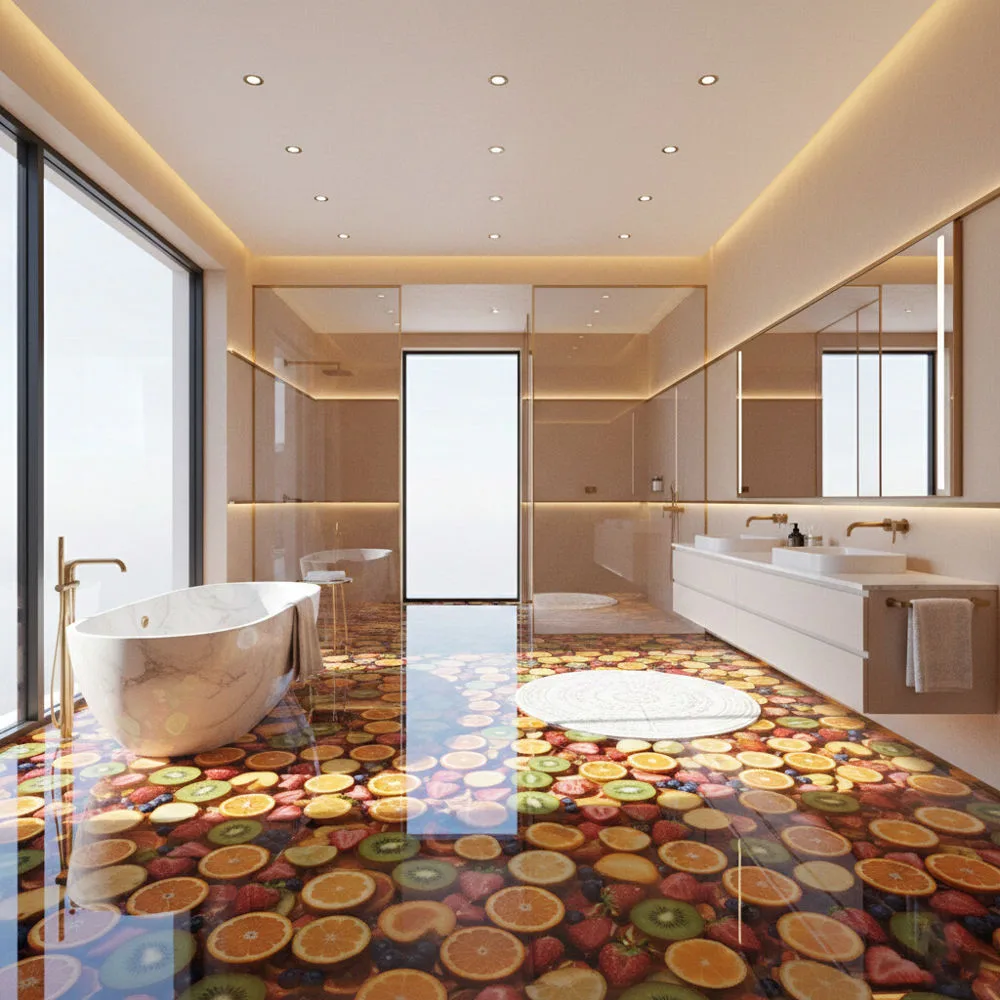
While the visual impact of an epoxy fruit floor is undeniable, the practical benefits deserve equal attention. The seamless surface creates a hygienic environment because there are no grout lines, gaps, or seams where dirt, bacteria, or moisture can accumulate. This makes epoxy floors particularly suitable for kitchens, bathrooms, and commercial food preparation areas.
The water resistant nature of cured epoxy means spills sit on the surface rather than soaking in, preventing water damage and mold growth. This characteristic also simplifies cleaning and makes these floors ideal for areas prone to moisture exposure.
Epoxy floors are highly resistant to impact, abrasion, and chemical exposure. They can withstand dropped objects, heavy foot traffic, and contact with common household chemicals without sustaining damage. This durability makes them suitable for both residential and commercial applications.
The reflective surface of polished epoxy can improve lighting in a space by bouncing natural and artificial light throughout the room. This quality can reduce lighting costs and create a brighter, more open feeling, particularly valuable in windowless or basement spaces.
From an environmental perspective, installing epoxy over existing concrete avoids the waste associated with removing old flooring materials. The long lifespan means fewer replacements over time, reducing the environmental impact compared to flooring options that need replacement every five to ten years.
Potential Drawbacks and Considerations
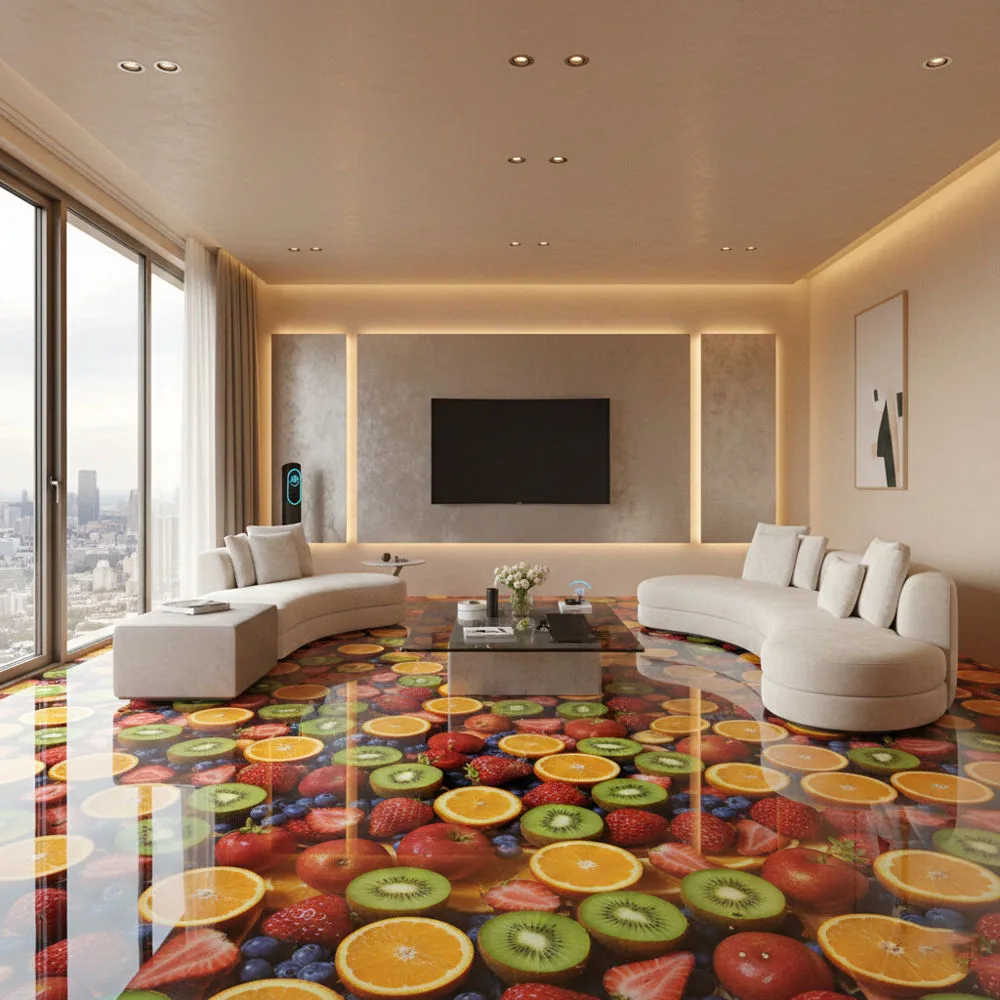
No flooring solution is perfect for every situation, and epoxy fruit floors come with considerations worth understanding before committing to installation.
The initial cost represents a barrier for some homeowners, particularly for large spaces. While the long term value is excellent, the upfront investment exceeds that of carpet, vinyl, or laminate flooring options.
Installation requires the space to be out of use for several days while epoxy layers cure. The strong odor during application and initial curing can be unpleasant and may require vacating the space and ensuring adequate ventilation. People with chemical sensitivities should be particularly cautious during this period.
The hardness that makes epoxy durable also means it lacks the cushioning of softer flooring materials. Standing on epoxy for extended periods can cause fatigue, and dropped fragile items are more likely to break. Some people find the surface cold underfoot, particularly in winter, though radiant heating systems can be installed beneath epoxy floors.
Repairs can be challenging. While minor scratches can sometimes be buffed out, deeper damage or cracks may require professional repair that won’t be completely invisible. If a section needs replacement, matching the exact appearance of aged epoxy and replicating the fruit arrangement can be difficult.
The trend dependent nature of decorative floors means what looks contemporary today might feel dated in a decade. However, the timeless appeal of natural fruit imagery tends to have broader lasting appeal than some design trends.
Ideal Spaces for Epoxy Fruit Floors
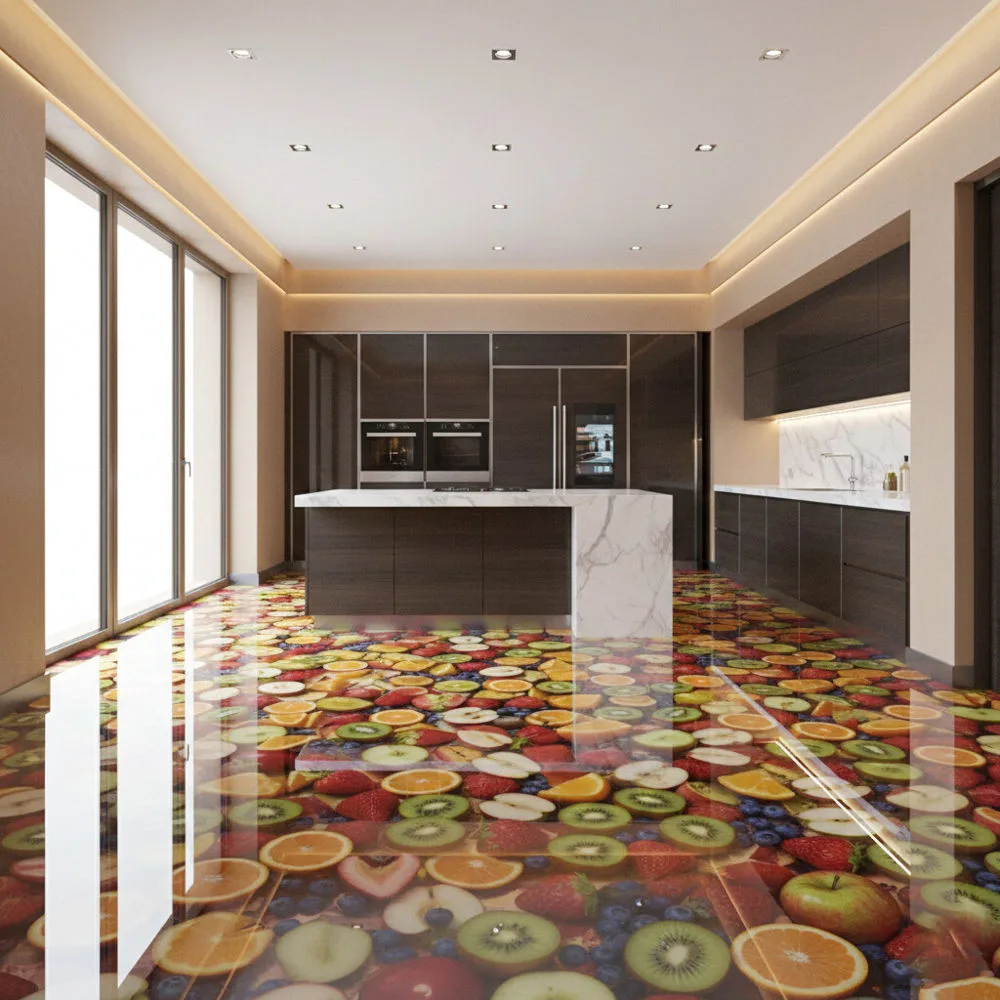
Certain spaces benefit particularly from epoxy fruit floor installations. Kitchens represent a natural choice given the food connection. A fruit themed floor complements the culinary purpose of the space while providing the hygiene and durability needed in food preparation areas.
Restaurants, cafes, and juice bars use these floors as branding elements that reinforce their focus on fresh, healthy ingredients. The eye catching nature of the floor becomes a conversation starter and photo opportunity that can generate social media attention and word of mouth marketing.
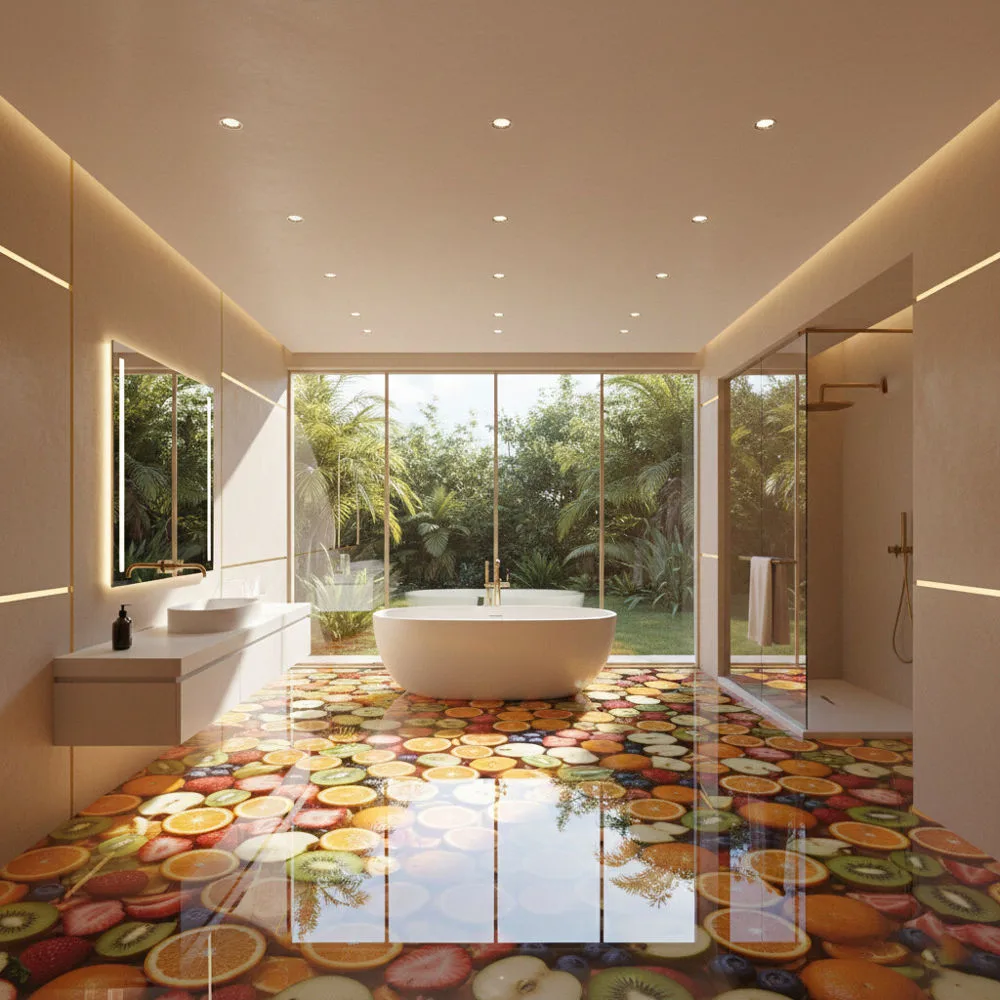
Bathrooms benefit from the moisture resistance and seamless surface of epoxy, and fruit designs can create spa like atmospheres with tropical or citrus themes. The bright colors combat the often sterile feeling of utilitarian bathroom spaces.
Commercial spaces including retail stores, hotels, and office lobbies use decorative epoxy floors to create memorable first impressions. A fruit floor in a health food store or organic market reinforces brand identity while demonstrating a commitment to creativity and quality.
Outdoor spaces like covered patios or pool areas can accommodate epoxy floors if the products used are specifically formulated for exterior use with enhanced UV resistance. The non porous surface resists moisture and prevents algae growth, making maintenance easier than traditional outdoor flooring materials.
Choosing the Right Professional Installer
The quality of installation dramatically affects the final result, making installer selection crucial. Look for contractors with specific experience in decorative epoxy flooring, not just general epoxy experience. Ask to see portfolios of completed projects, particularly any fruit floor installations they’ve completed.
Request references and follow up by contacting previous clients about their satisfaction with both the process and the finished product. Inquire about how the floors have held up over time and whether any issues arose during or after installation.
Verify that the installer carries appropriate licensing and insurance. Epoxy installation involves chemicals and specialized equipment, and proper coverage protects you from liability if accidents occur during the project.
Discuss the specific products the installer plans to use. Research those products to verify they have good reviews, appropriate certifications, and properties suited to your climate and intended use. Be wary of contractors who can’t or won’t discuss their material choices in detail.
Get detailed written estimates from multiple contractors. The estimate should break down material costs, labor costs, surface preparation requirements, and timeline expectations. Be cautious of quotes that seem significantly lower than others, as they may indicate inferior materials or inexperienced labor.
Environmental and Health Considerations
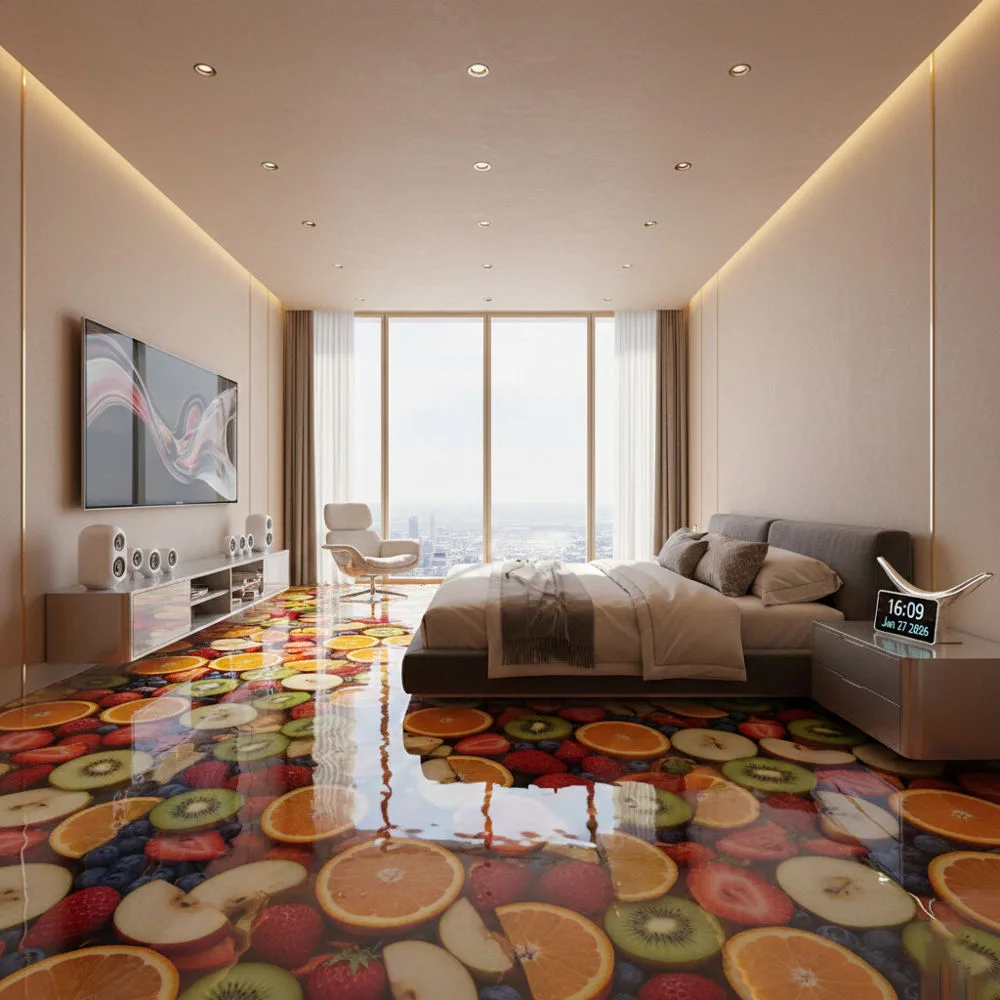
While cured epoxy is generally considered safe, the installation process involves chemicals that require precautions. VOCs released during application and curing can cause respiratory irritation, headaches, and dizziness. Ensure adequate ventilation during and after installation, and consider staying elsewhere until the space has fully aired out.
For those with chemical sensitivities or in spaces used by young children, look for low VOC or water based epoxy formulations. These products minimize emissions while still providing good performance, though they may cost more and have slightly different working properties than traditional solvent based epoxies.
If using real fruit slices, consider the source and preservation methods. Organic fruits avoid pesticide residues, and natural preservation techniques are preferable to those involving harsh chemicals. However, thoroughly dried and sealed fruit poses minimal environmental or health concerns once encapsulated in cured epoxy.
The longevity of epoxy floors contributes positively to environmental sustainability by reducing the frequency of flooring replacement. The manufacturing energy and waste associated with producing new flooring materials are minimized when a single floor lasts twenty years instead of requiring replacement every five to seven years.
Bringing Your Vision to Life
Creating an epoxy fruit floor that perfectly matches your vision requires clear communication with your installer. Gather inspiration images from online sources, magazines, or other installations you’ve seen. Create a mood board that captures the colors, fruit types, and overall feeling you want to achieve.
Consider the existing design elements in the space. The floor should complement wall colors, cabinetry, and fixtures rather than competing with them. A room with neutral tones provides a perfect canvas for a bold fruit floor, while a space with strong colors elsewhere might benefit from a more subtle approach.
Think about lighting carefully. The glossy surface and three dimensional nature of the fruit elements interact with light in interesting ways. Consider how natural light moves through the space at different times of day and how artificial lighting will affect the appearance in the evening.
Sample boards can help visualize the final result. Ask your installer to create a small sample with your chosen fruits and arrangement style. This preview helps ensure everyone shares the same vision before committing to the full installation.
Document the process through photos and videos. The transformation from ordinary floor to artistic masterpiece makes compelling before and after comparisons, and you’ll appreciate having a record of the installation process.
Wrapping Up Your Epoxy Fruit Floor Journey
An epoxy fruit floor represents more than just a flooring choice; it’s an artistic statement that transforms ordinary spaces into extraordinary environments. The combination of visual impact, practical durability, and low maintenance requirements makes these floors an increasingly popular choice for both residential and commercial applications. While the initial investment and installation process require careful consideration, the resulting floor delivers years of beauty and functionality that few other flooring options can match.
Whether you’re drawn to the vibrant colors of citrus slices, the exotic appeal of tropical fruits, or the classic look of orchard favorites, an epoxy fruit floor can bring your creative vision to life beneath your feet. By understanding the process, costs, and maintenance requirements, you can make an informed decision about whether this unique flooring solution is right for your space. With proper installation and care, your epoxy fruit floor will continue to delight and inspire for decades to come, proving that functional surfaces can also be works of art.