
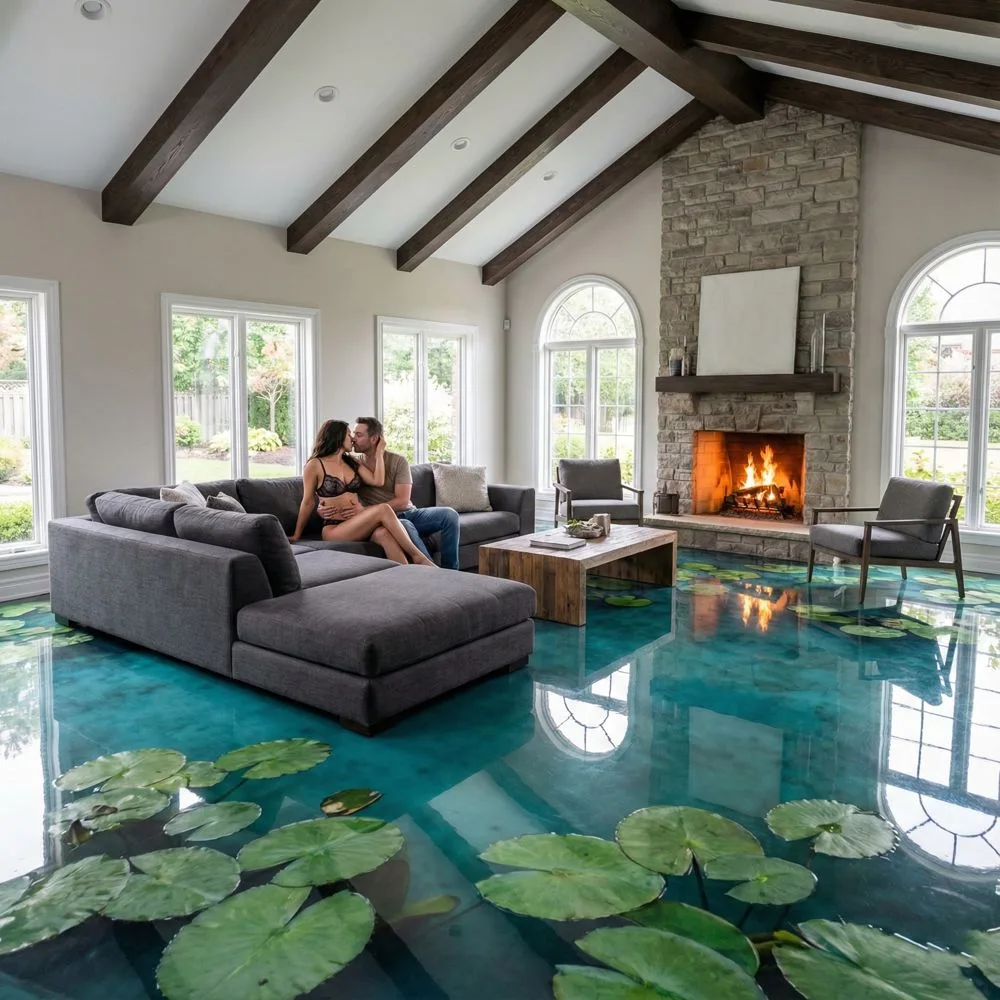
Creating a stunning water feature in your garden or commercial space requires more than just excavation and water. The foundation of any successful pond lies in its flooring system, and that’s where epoxy pond flooring comes into play. This innovative coating solution has revolutionized how pond owners approach durability, aesthetics, and long term maintenance of their aquatic installations.
Whether you’re building a new koi pond, renovating an existing water garden, or designing a commercial water feature, understanding the benefits and application of specialized epoxy coatings can save you time, money, and countless headaches down the road. This comprehensive guide walks you through everything you need to know about this remarkable flooring solution.
Understanding What Makes Epoxy Pond Flooring Special
Epoxy coatings designed for pond applications represent a significant advancement in aquatic construction technology. Unlike traditional pond liners or concrete surfaces, these specialized formulations create a seamless, waterproof barrier that bonds directly to your pond’s substrate. The chemistry behind these coatings involves a two part system that, when mixed, creates an incredibly strong and flexible surface that can withstand constant water exposure, UV radiation, and temperature fluctuations.
The magic happens at the molecular level. When epoxy resin meets its hardening agent, a chemical reaction occurs that transforms the liquid mixture into a solid, impermeable surface. For pond applications, manufacturers have developed formulations that remain flexible enough to handle ground movement and temperature changes while maintaining their waterproof integrity. This flexibility proves crucial in outdoor installations where freeze thaw cycles and ground settling can compromise rigid materials.
What sets pond specific epoxy apart from standard industrial epoxy flooring is its compatibility with aquatic life. Standard epoxy formulations may contain chemicals that leach into water and harm fish, plants, and beneficial bacteria. Pond safe epoxy coatings undergo rigorous testing to ensure they won’t disrupt the delicate ecosystem balance once fully cured. This makes them ideal for koi ponds, fish farms, and decorative water gardens where maintaining water quality is paramount.
The Compelling Benefits That Make Epoxy the Smart Choice
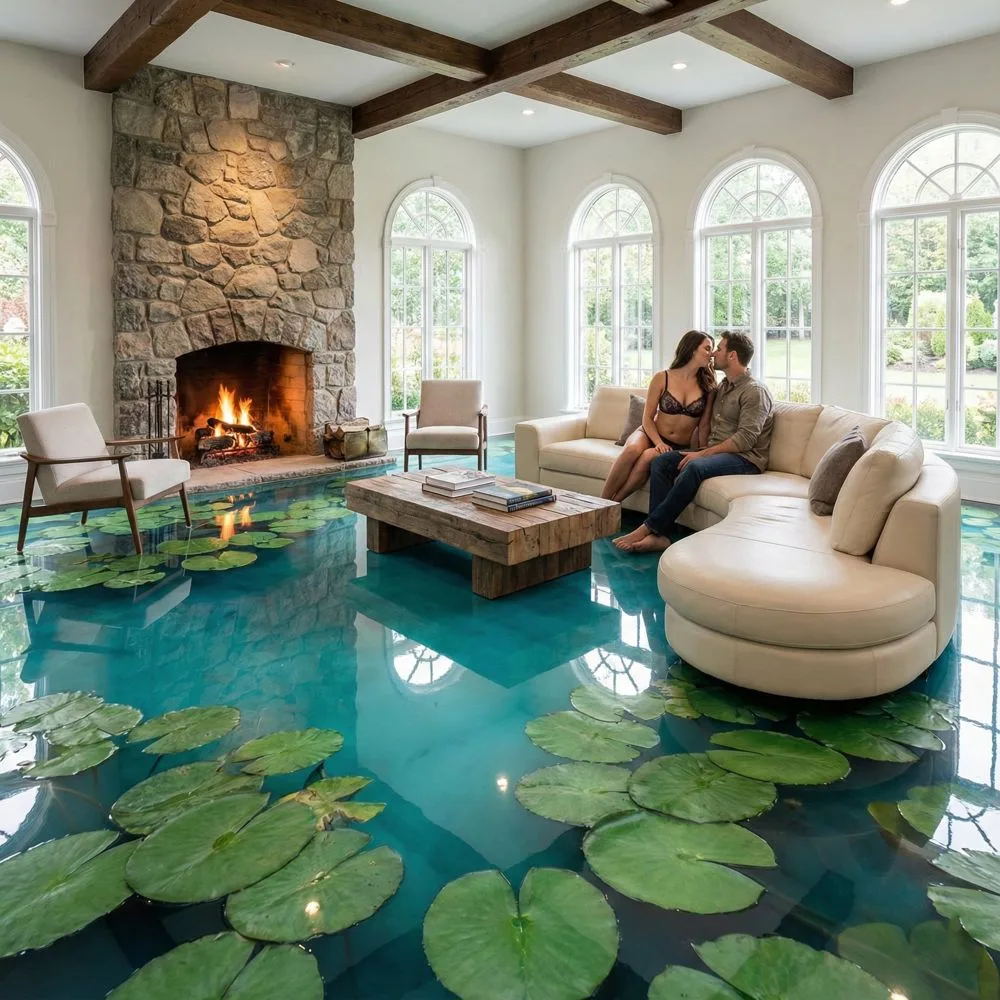
Choosing epoxy pond flooring delivers advantages that extend far beyond basic waterproofing. The durability factor alone makes this investment worthwhile. A properly applied epoxy coating can last 15 to 20 years with minimal maintenance, far outlasting rubber liners that may need replacement every 5 to 10 years. This longevity translates to significant cost savings over the lifetime of your water feature.
The seamless nature of epoxy applications eliminates the weak points that plague other waterproofing methods. Traditional pond liners have seams that can separate, edges that can lift, and surfaces that can puncture. Epoxy creates a monolithic surface without any joints or seams where leaks might develop. This continuity ensures your pond maintains its water level without the constant need for topping up that suggests hidden leaks.
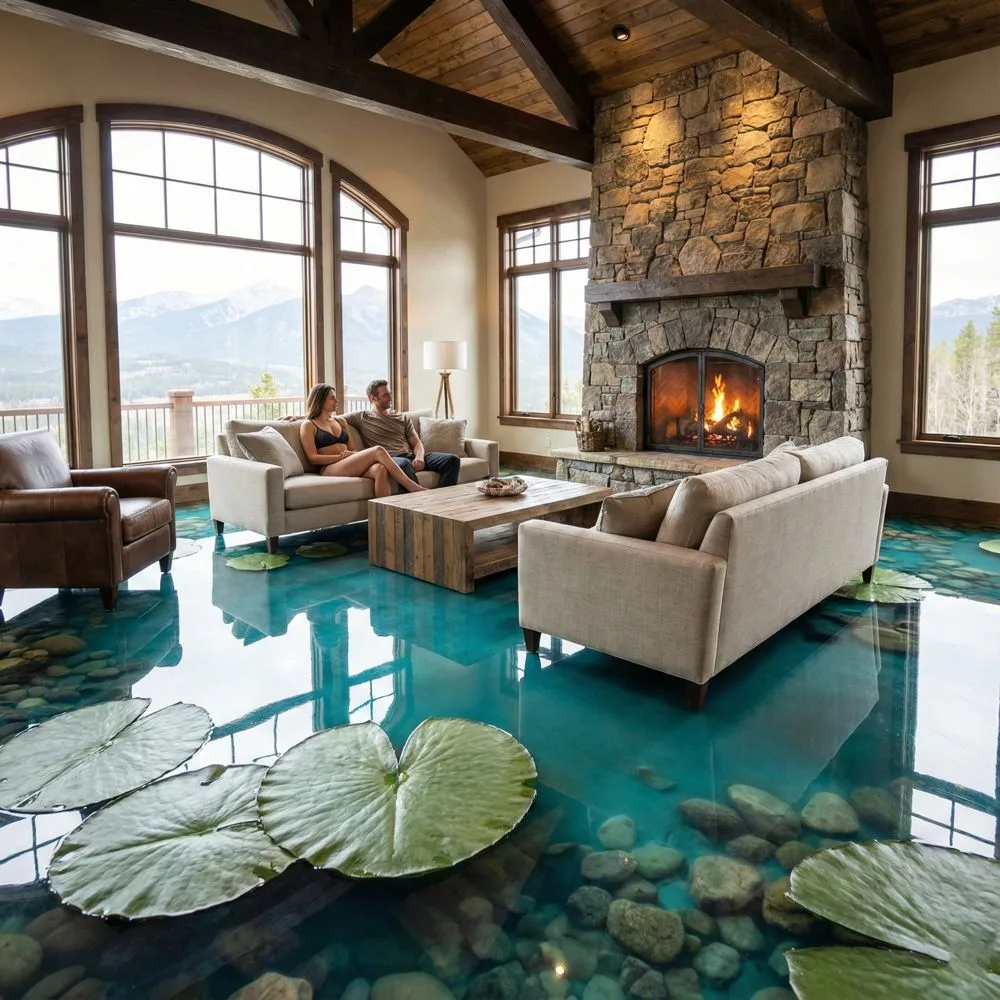
Aesthetic versatility represents another major advantage. Modern epoxy systems come in virtually unlimited color options, allowing you to create natural looking pond bottoms that mimic river beds, dark mysterious depths, or vibrant tropical lagoons. Some formulations even incorporate decorative chips or aggregates that create texture and visual interest. You can match your pond’s appearance to your landscaping vision rather than settling for the limited options of pre manufactured liners.
The smooth, non porous surface created by epoxy coatings also simplifies maintenance dramatically. Algae struggles to gain a foothold on the slick surface, making cleaning easier and reducing the need for harsh chemicals. Debris doesn’t lodge in cracks or behind liner folds, and vacuuming becomes straightforward. This ease of maintenance means you spend more time enjoying your water feature and less time laboring over its upkeep.
Chemical resistance ensures your pond coating withstands the various treatments and additives pond owners use to maintain water quality. From pH adjusters to algaecides, properly formulated epoxy pond flooring resists degradation from these substances while maintaining its protective properties. This resistance extends to the organic acids produced by decomposing plant matter and fish waste, substances that can deteriorate other coating types over time.
Preparing Your Pond for Epoxy Application Success
Surface preparation determines the success or failure of any epoxy coating project. The substrate must be clean, dry, and properly profiled to ensure the epoxy bonds permanently. For concrete ponds, this typically involves pressure washing to remove dirt, algae, and loose material, followed by acid etching or mechanical abrading to open the concrete’s pores. This roughened surface gives the epoxy something to grip, creating a mechanical bond that prevents delamination.
Existing ponds present unique challenges. If you’re applying epoxy over an old concrete surface, you’ll need to assess its condition carefully. Cracks wider than hairline thickness require repair with suitable epoxy crack fillers before applying the main coating. Loose or spalling concrete must be removed and patched. Any previous coatings need complete removal unless confirmed compatible with your new epoxy system. Rushing through preparation to save time almost always results in premature coating failure.
Moisture testing proves critical for below grade ponds and those with high water tables. Even if the surface appears dry, moisture migrating through concrete from below can prevent proper epoxy adhesion or cause bubbling and delamination. Professional installers use calcium chloride tests or electronic moisture meters to verify the substrate is dry enough for coating. If moisture levels exceed the manufacturer’s specifications, you may need to wait for drier conditions or install a moisture vapor barrier first.
New concrete ponds require adequate curing time before epoxy application. While this waiting period tests your patience, it ensures the concrete has reached sufficient strength and released enough moisture to accept the coating. Most manufacturers recommend waiting at least 28 days after concrete placement, though some rapid cure concretes may be ready sooner. Testing the pH of the concrete surface also matters, as highly alkaline surfaces can interfere with epoxy curing.
The Application Process That Ensures Long Lasting Results
Applying epoxy pond flooring demands attention to detail and adherence to manufacturer guidelines. Temperature and humidity conditions during application significantly impact the coating’s performance. Most epoxy systems have a fairly narrow application window, typically between 50 and 85 degrees Fahrenheit with relative humidity below 85 percent. Working outside these parameters can result in improper curing, surface defects, or reduced bond strength.
The mixing process requires precision. Epoxy coatings rely on exact resin to hardener ratios to cure properly. Too much hardener accelerates the cure but may leave the surface brittle. Too little results in a coating that never fully hardens. Professional applicators use calibrated pumps or carefully measured batches to ensure consistency. Thorough mixing is equally important, as unmixed streaks create soft spots that wear prematurely.
Application techniques vary based on the specific product and pond geometry. Roller application works well for flat surfaces and gentle slopes, providing good control over thickness and material usage. For vertical walls or complex shapes, spray application may be more efficient, though it requires specialized equipment and expertise. Some installers prefer squeegee application for certain epoxy types, pushing the material across the surface to achieve uniform thickness.
Multiple coats typically deliver the best results for pond applications. A primer coat seals the substrate and promotes adhesion. The main body coats build thickness and provide the primary waterproofing. A final topcoat may add UV resistance, color stability, or additional chemical protection. Each layer must cure sufficiently before the next application, with timing windows specified by the manufacturer. Applying coats too quickly can trap solvents and cause intercoat delamination.
Edge details and transitions require special attention. Where the pond floor meets walls, cove bases created with thickened epoxy provide a smooth transition that eliminates sharp angles where debris collects. Drains, skimmers, and plumbing penetrations need careful sealing to prevent water migration behind the coating. Many professional installers use reinforcing fabric in these critical areas, embedding it in the epoxy for additional strength.
Maintaining Your Epoxy Coated Pond for Maximum Longevity
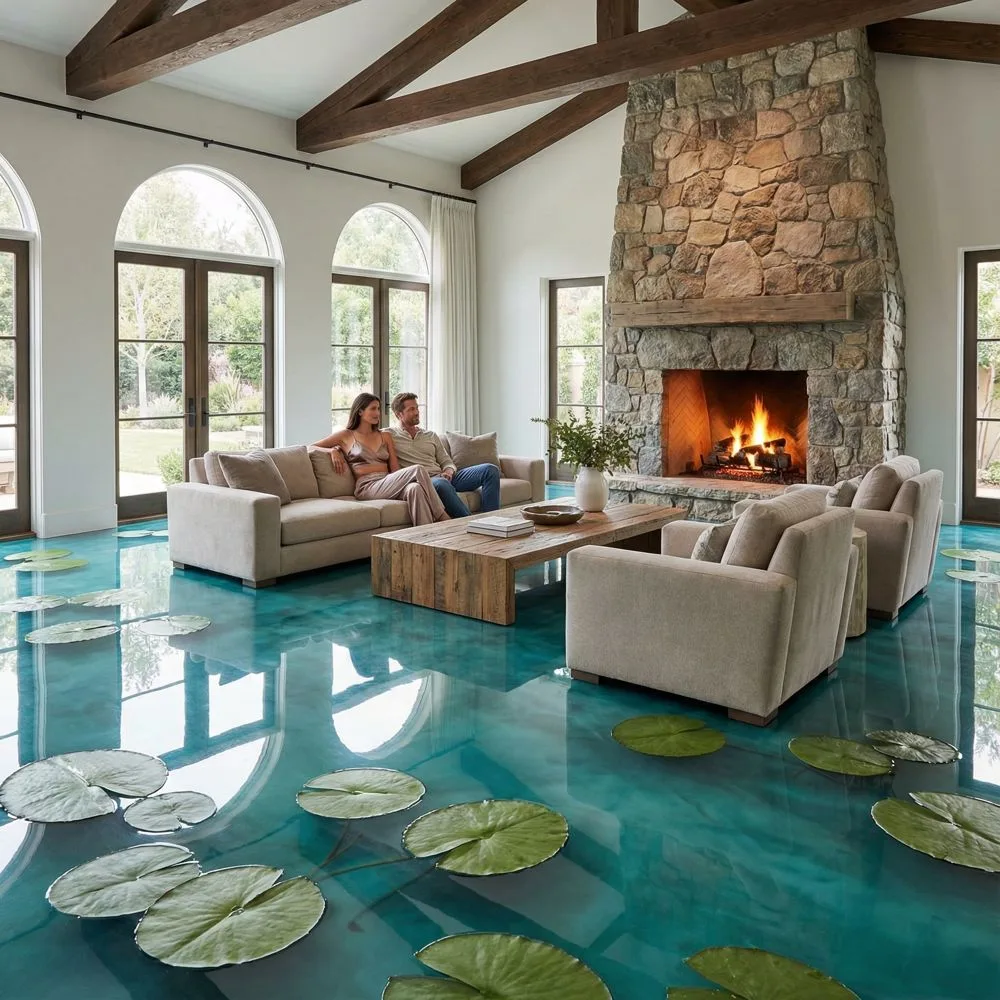
One of the greatest advantages of epoxy pond flooring is its low maintenance requirements, but some care ensures your coating lasts its full expected lifespan. Regular cleaning prevents buildup that could eventually damage the surface. A soft brush or pond vacuum removes settled debris without scratching the coating. Avoid metal tools or abrasive scrubbers that might damage the finish.
Monitoring water chemistry protects both your aquatic life and your coating. While quality epoxy resists most pond treatments, extreme pH levels or concentrated chemicals can gradually degrade any coating. Maintaining balanced water parameters as recommended for your fish and plants typically keeps conditions within safe ranges for the epoxy as well. If you need to use medications or treatments, verify their compatibility with epoxy coatings or temporarily house your fish elsewhere if strong chemicals are necessary.
Seasonal maintenance varies by climate. In regions with freezing winters, properly winterizing your pond prevents ice damage that could stress the coating. Gradual water level reduction during freeze thaw cycles minimizes ice expansion pressure against vertical surfaces. In hot climates, maintaining adequate water levels prevents prolonged UV exposure to surfaces normally submerged, as continuous sunlight exposure can fade colors over time.
Inspecting your coating annually helps catch minor issues before they become major problems. Look for any areas where the coating appears worn, discolored, or damaged. Small chips or scratches can be touch repaired with matching epoxy to prevent water intrusion underneath the coating. Addressing these minor repairs promptly prevents the damage from spreading and potentially requiring full recoating years before expected.
Comparing Costs and Value Over Time
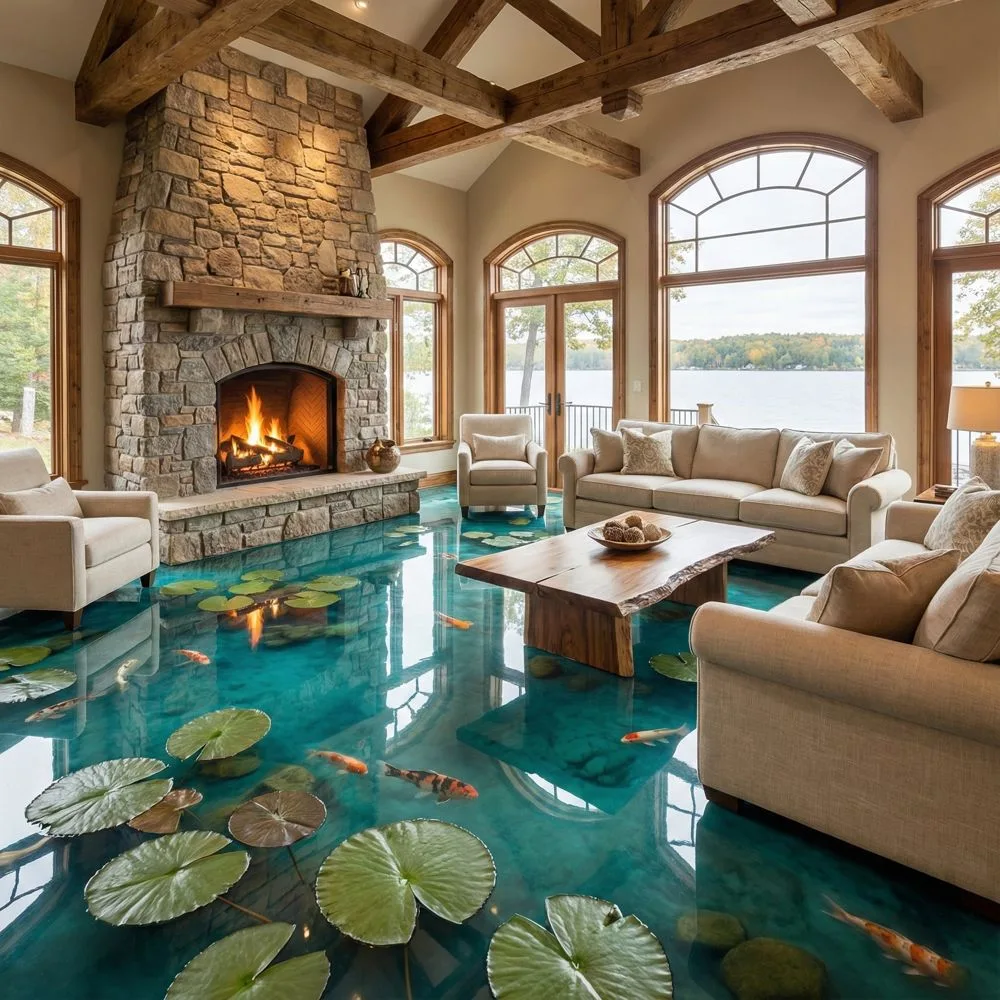
The initial investment in epoxy pond flooring typically exceeds basic liner options, but the long term value proposition tells a different story. A quality epoxy installation for an average residential pond might cost two to three times more than a rubber liner initially. However, when you factor in the liner’s shorter lifespan, the probability of punctures requiring patches or replacement, and the labor involved in multiple reinstallations, epoxy often proves more economical over a twenty year period.
Professional installation costs vary based on pond size, complexity, surface condition, and regional labor rates. Most contractors charge by the square foot, with prices decreasing for larger projects due to economies of scale. Complex ponds with numerous water features, intricate shapes, or difficult access command premium pricing. DIY application is possible for experienced individuals comfortable with epoxy systems, potentially reducing costs by 40 to 60 percent, though mistakes can prove expensive to correct.
The value extends beyond direct cost comparisons. Consider the reduced maintenance time and expense, fewer water losses to leaks, better fish health in a stable environment, and the enhanced aesthetic appeal that can increase property value. For commercial installations like botanical gardens, resorts, or public spaces, the professional appearance and reduced downtime for repairs justify the premium investment.
Environmental Considerations and Sustainability
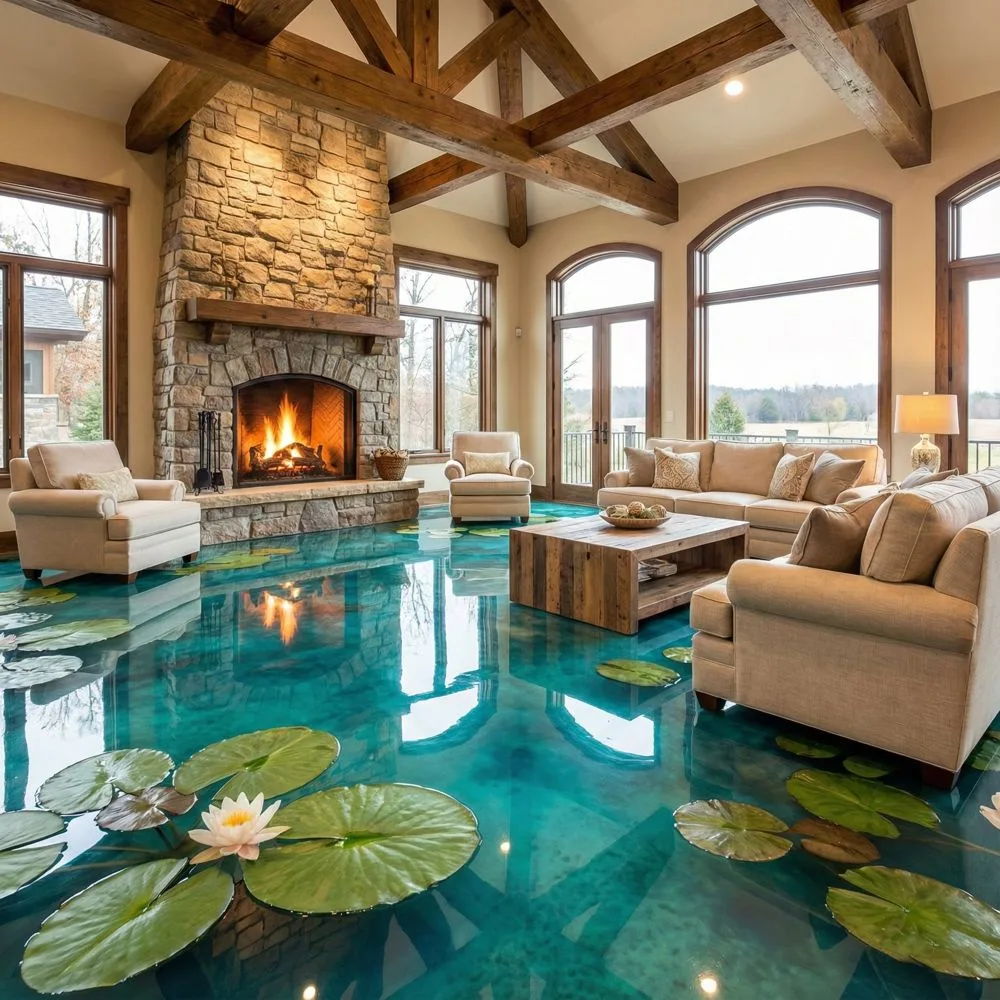
Modern epoxy pond flooring formulations reflect growing environmental awareness in the coatings industry. Low VOC and zero VOC options minimize air quality impacts during application while providing the same performance as traditional formulations. These environmentally conscious products cure without releasing significant amounts of volatile organic compounds, making them safer for applicators and allowing faster return to normal pond use.
The longevity of epoxy coatings contributes to sustainability by reducing the frequency of replacement and the associated waste. A liner that needs replacement every few years generates significant landfill waste over decades, while a single epoxy application lasting 20 years minimizes this environmental burden. The energy and resources required to manufacture, transport, and install replacement materials multiple times exceed those needed for one long lasting epoxy installation.
For pond owners concerned about ecosystem impact, the inert nature of fully cured pond safe epoxy provides peace of mind. Unlike some plastics that can leach chemicals or break down into microplastics over time, stable epoxy coatings remain chemically inert once cured. This stability means no contamination of your pond water or the broader environment if water overflows into surrounding areas.
Troubleshooting Common Issues and Solutions
Even with careful application, problems occasionally arise with epoxy pond flooring. Understanding common issues helps you address them effectively. Bubbling or blistering typically results from moisture in the substrate during application, air trapped during mixing, or applying coats too quickly. Small blisters can be ground down and patched, while extensive bubbling may require removal and reapplication of affected areas.
Delamination, where the coating separates from the substrate, usually traces back to inadequate surface preparation or moisture issues. If caught early when the coating first begins lifting at edges, you may be able to inject epoxy underneath and reestablish the bond. Widespread delamination generally requires complete removal and proper substrate preparation before recoating.
Color fading occurs primarily in ponds with extensive sun exposure, particularly in shallow areas or around water features where surfaces are frequently exposed to air. UV resistant topcoats minimize this issue, and choosing darker colors provides better fade resistance than light shades. Some fading is normal over many years, and a fresh topcoat can restore the original appearance without complete recoating.
Fish health concerns sometimes arise immediately after epoxy application, typically due to insufficient curing time before introducing aquatic life. Reputable pond safe epoxy products are harmless to fish once fully cured, but rushing this process can allow uncured chemicals to leach into water. Following manufacturer cure time recommendations and performing water quality tests before adding fish prevents problems.
Why Professional Installation Often Makes Sense
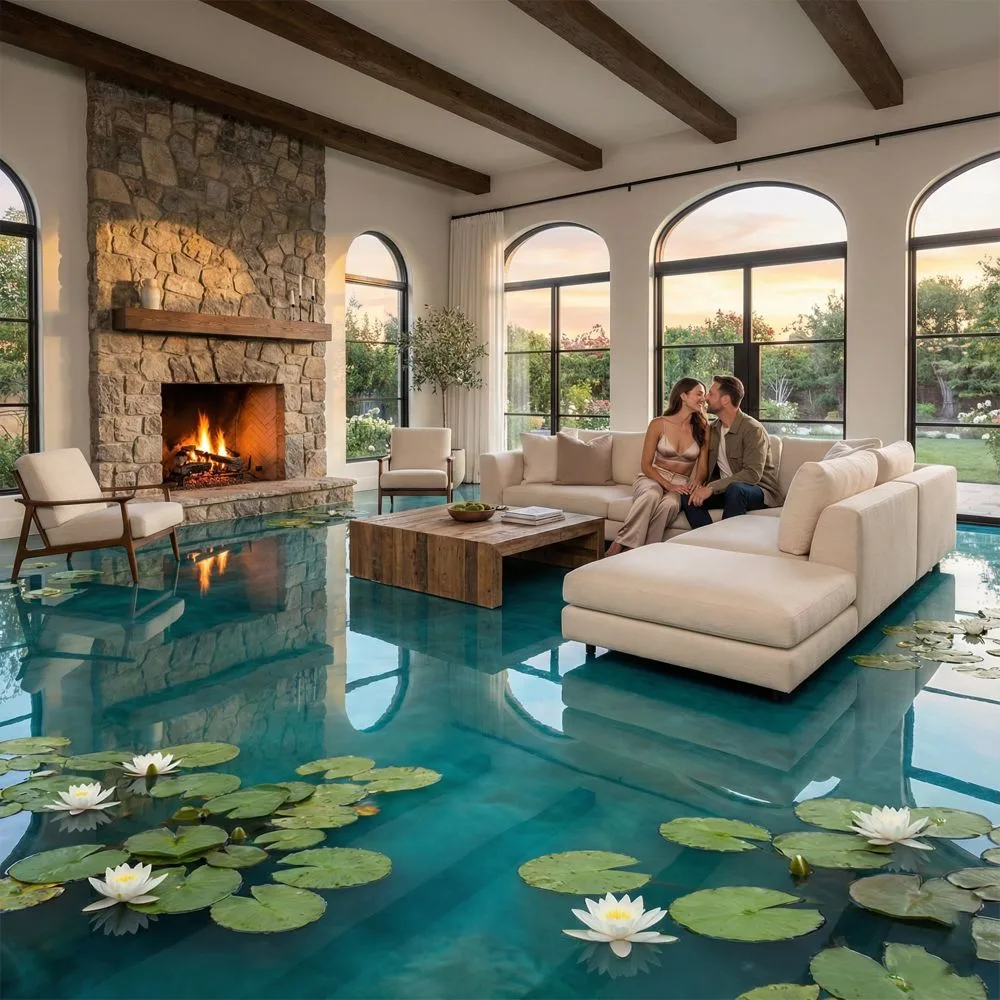
While DIY epoxy application is feasible for experienced individuals, professional installation offers significant advantages. Licensed contractors bring expertise in surface preparation, product selection for specific conditions, proper mixing and application techniques, and troubleshooting unexpected challenges. Their familiarity with local climate conditions helps them choose optimal application timing and methods.
Professional installers also carry insurance protecting you from liability if workers are injured on your property or if the installation fails due to contractor error. Reputable companies provide warranties on their work, giving you recourse if problems develop during the warranty period. This protection proves valuable given the significant investment in pond construction and coating.
The equipment professionals bring to the job often exceeds what most homeowners want to purchase for a single project. Specialized mixing systems, commercial grade sprayers, proper safety equipment, and surface preparation tools represent substantial investments that make sense for contractors completing numerous projects but not for one time use.
The Future Looks Bright for Epoxy Pond Technology
Coating technology continues advancing, with manufacturers developing even more durable, environmentally friendly, and user friendly epoxy pond flooring systems. Research into improved UV resistance promises longer color retention in sunny locations. Enhanced flexibility formulations better accommodate ground movement and temperature extremes. Faster curing systems reduce downtime between application and pond filling, though never at the expense of performance.
Antimicrobial additives represent an emerging trend, with some manufacturers incorporating compounds that inhibit algae growth directly into the coating. While not eliminating the need for proper pond maintenance, these additions can reduce algae problems and simplify upkeep. As with any new technology, thorough testing ensures these innovations don’t compromise fish safety or long term coating performance.
Making Your Water Feature Dreams a Reality
Your pond represents a significant investment in your property’s beauty and your personal enjoyment. Choosing the right flooring system determines whether that investment provides decades of pleasure or becomes a source of frustration requiring constant attention and repairs. Epoxy pond flooring offers a compelling combination of durability, aesthetics, low maintenance, and long term value that makes it the preferred choice for serious water feature enthusiasts.
Whether you’re planning a small backyard goldfish pond or an elaborate koi habitat with waterfalls and streams, taking time to understand your coating options pays dividends for years to come. Research products specifically formulated for aquatic applications, prepare surfaces properly, follow application guidelines meticulously, and maintain your coating with simple regular care. The result will be a beautiful, reliable water feature that enhances your property and provides endless enjoyment.
The combination of modern chemistry, proper application techniques, and thoughtful maintenance creates pond surfaces that outperform traditional methods in every measurable way. As more pond owners discover these advantages, epoxy continues gaining market share and pushing innovation in aquatic coating technology forward.
Bringing It All Together: Your Path to a Perfect Pond Surface
Selecting epoxy pond flooring represents a commitment to quality and long term thinking. This decision reflects an understanding that the cheapest initial option rarely proves most economical over time and that some investments simply make sense when you consider the bigger picture. The seamless protection, aesthetic flexibility, reduced maintenance, and impressive longevity of epoxy coatings justify the premium cost for anyone serious about creating a lasting water feature.
Success begins with education, continues through careful planning and proper execution, and extends through years of enjoying a beautiful, trouble free pond. Whether you choose professional installation or tackle the project yourself, understanding the principles covered in this guide positions you for success. Your water feature will thank you with years of reliable performance, and you’ll enjoy the peace of mind that comes from knowing you’ve built something designed to last.