
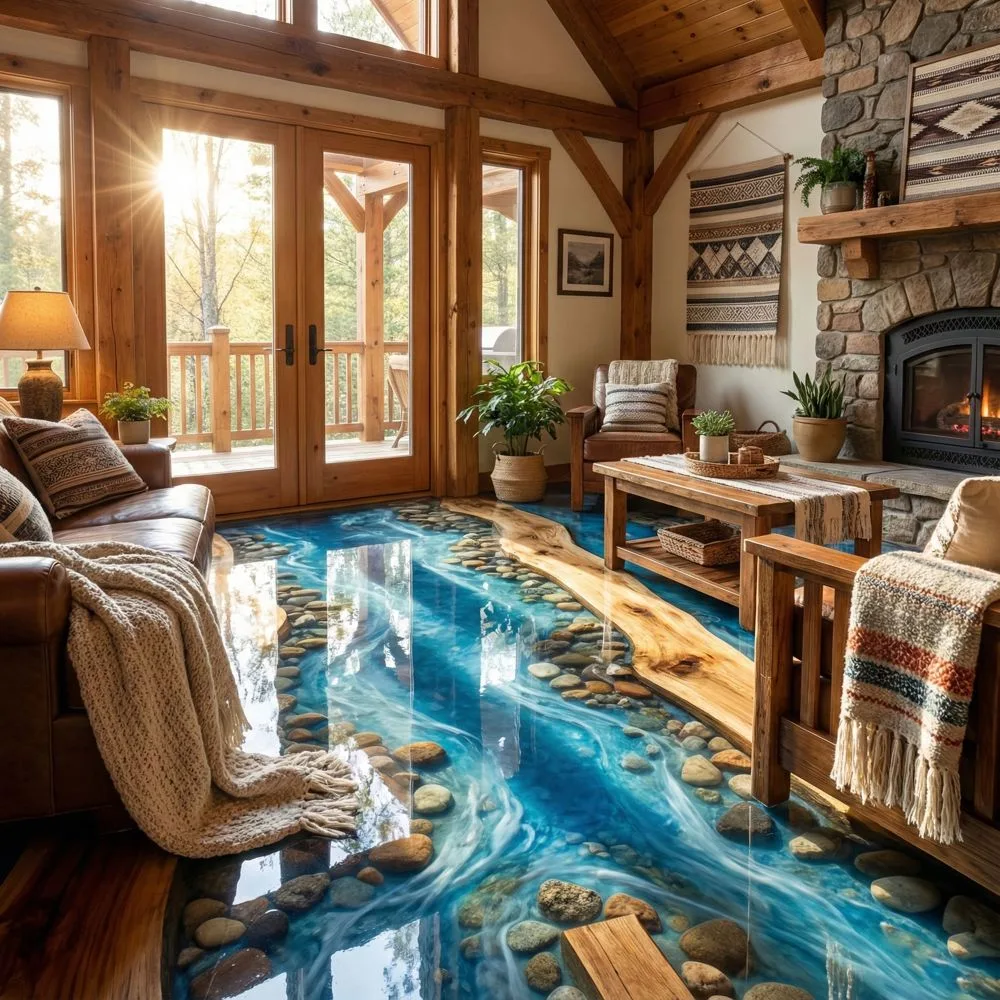
Walking into a room and seeing what appears to be a flowing river captured beneath a crystal clear surface creates an unforgettable impression. This is exactly what epoxy river flooring delivers, transforming ordinary concrete slabs into extraordinary works of art that combine durability with visual drama.
Over the past few years, I have watched this flooring trend evolve from a niche artistic concept into a mainstream design choice for homeowners, businesses, and creative spaces. The technique involves creating flowing, water like patterns using pigmented epoxy resins that mimic the natural movement of rivers, streams, and waterways. The result is a completely unique floor that serves as both a functional surface and a conversation piece.
What makes this flooring option particularly special is that no two installations are ever identical. The flowing nature of the materials ensures that each floor becomes a one of a kind masterpiece, reflecting the artistic vision of its creator while providing all the practical benefits that epoxy flooring systems are known for.
What Makes Epoxy River Flooring Different From Traditional Epoxy Floors
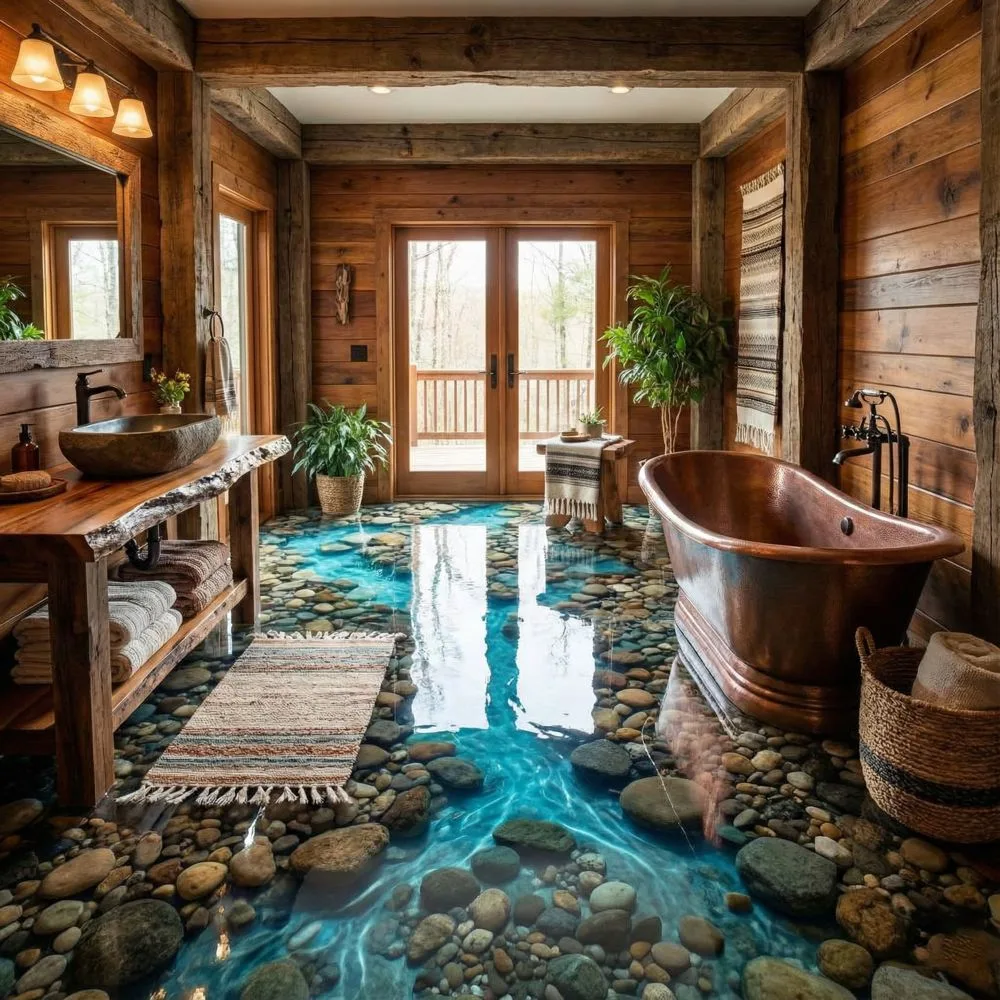
Standard epoxy flooring typically involves applying a solid colored coating over concrete to create a durable, easy to maintain surface. While this approach works wonderfully for garages, warehouses, and industrial settings, it lacks the artistic flair that many modern spaces demand.
Epoxy river flooring takes the basic epoxy concept and elevates it into an art form. Instead of uniform colors, installers use multiple pigmented resins that are carefully poured and manipulated to create flowing patterns. Metallic additives catch and reflect light, creating depth and movement that changes depending on viewing angle and lighting conditions.
The technique borrows inspiration from river tables, those stunning wood and resin furniture pieces where epoxy fills the natural gaps in wood slabs. However, adapting this concept for flooring presents unique challenges and opportunities. The larger surface area allows for more dramatic designs, but also requires careful planning to ensure proper curing and adhesion.
The Science Behind Creating River Effects in Flooring
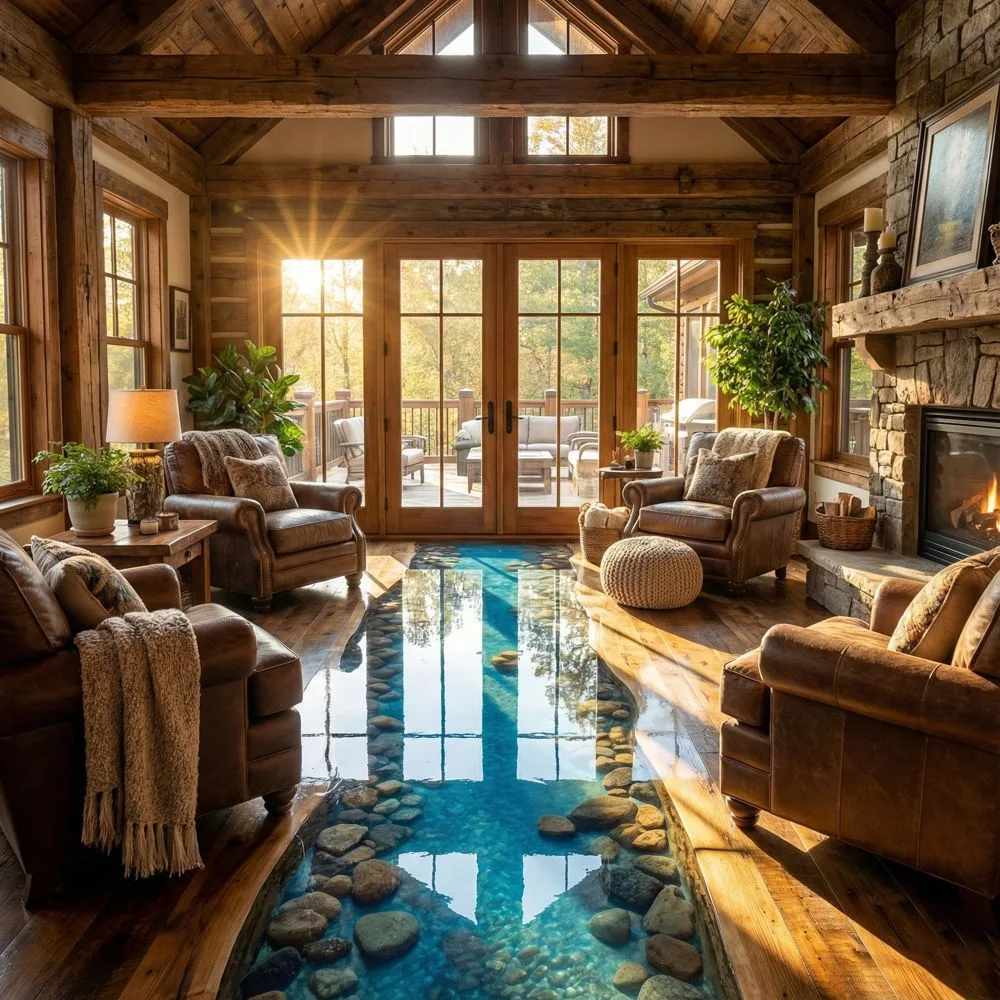
Creating convincing river patterns requires understanding how different epoxy formulations interact with each other and with various pigments and additives. The process relies on controlling viscosity, cure times, and temperature to achieve the desired flow patterns.
Metallic epoxy pigments are essential for creating the reflective, shimmering quality that makes these floors so captivating. These pigments contain tiny metallic particles that orient themselves in the liquid epoxy, creating patterns that shift and change as you move around the room. Some installers use multiple metallic colors in a single pour, allowing them to blend and swirl together organically.
The chemical properties of epoxy resin allow for extended working times when properly formulated, giving installers the opportunity to manipulate the material as it begins to set. Tools like brushes, air blowers, and even controlled heat sources can guide the resin into specific patterns before it fully cures into its permanent form.
Temperature control during installation is critical. Too warm, and the epoxy flows too quickly, making it difficult to control. Too cold, and it becomes too viscous to create smooth, natural looking patterns. Experienced installers monitor conditions carefully and adjust their techniques accordingly.
Design Possibilities That Push Creative Boundaries
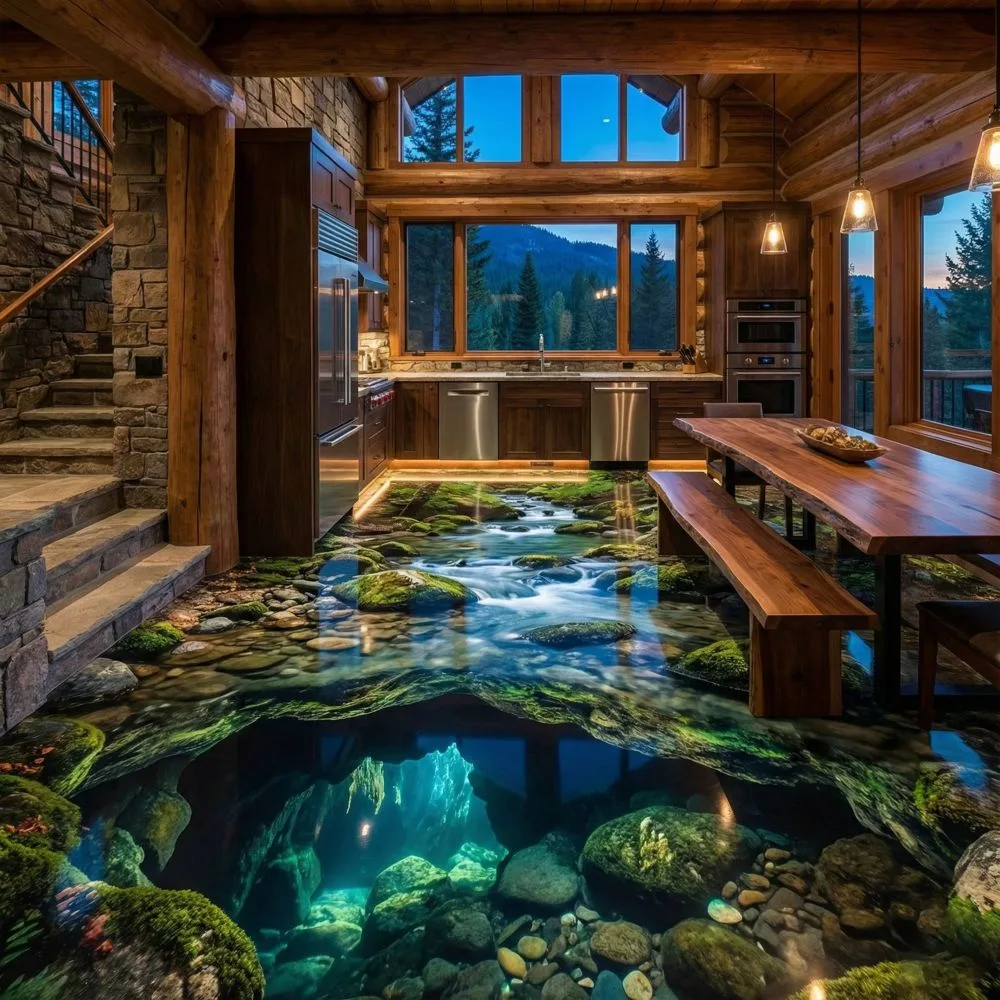
The design potential of epoxy river flooring extends far beyond simple blue water effects. Modern installations incorporate a rainbow of colors, from deep ocean blues and turquoise tropicals to amber streams, emerald rivers, and even abstract patterns in purples, pinks, and metallics.
Some designers create floors that mimic specific natural features, like the Grand Canyon’s layered rock formations or the aurora borealis dancing across a night sky. Others take a more abstract approach, using the flowing technique to create modern art installations underfoot.
Combining different application techniques opens up even more possibilities. Adding crushed glass, stone chips, or other decorative aggregates creates texture and visual interest. Some installations incorporate glow in the dark pigments that reveal a completely different pattern when the lights go out.
The borders and surrounding areas of the river effect also matter tremendously. Some designs feature the river pattern flowing through a solid color field, while others use complementary techniques like marble effects or geometric patterns to frame the central river element.
Practical Benefits Beyond Beautiful Aesthetics
While the visual impact often steals the show, epoxy river flooring delivers substantial practical advantages. The fully cured surface is exceptionally durable, resisting scratches, impacts, and chemical exposure far better than many traditional flooring options.
Maintenance requirements are minimal. The seamless, non porous surface resists staining and can be cleaned with simple mopping. Unlike tile floors with grout lines or wood floors with gaps, there are no crevices where dirt and bacteria can hide. This makes these floors particularly appealing for commercial kitchens, healthcare facilities, and other spaces where cleanliness is paramount.
The longevity of properly installed epoxy systems is impressive. With appropriate care, these floors can last 20 years or more without needing replacement. The initial investment often proves worthwhile when considered over the floor’s entire lifespan.
Epoxy flooring also provides excellent moisture resistance, making it suitable for basements, bathrooms, and other areas where water exposure is a concern. The material forms a waterproof barrier over the concrete substrate, protecting it from moisture damage while creating a stunning visual effect.
Installation Process From Substrate to Sealed Surface
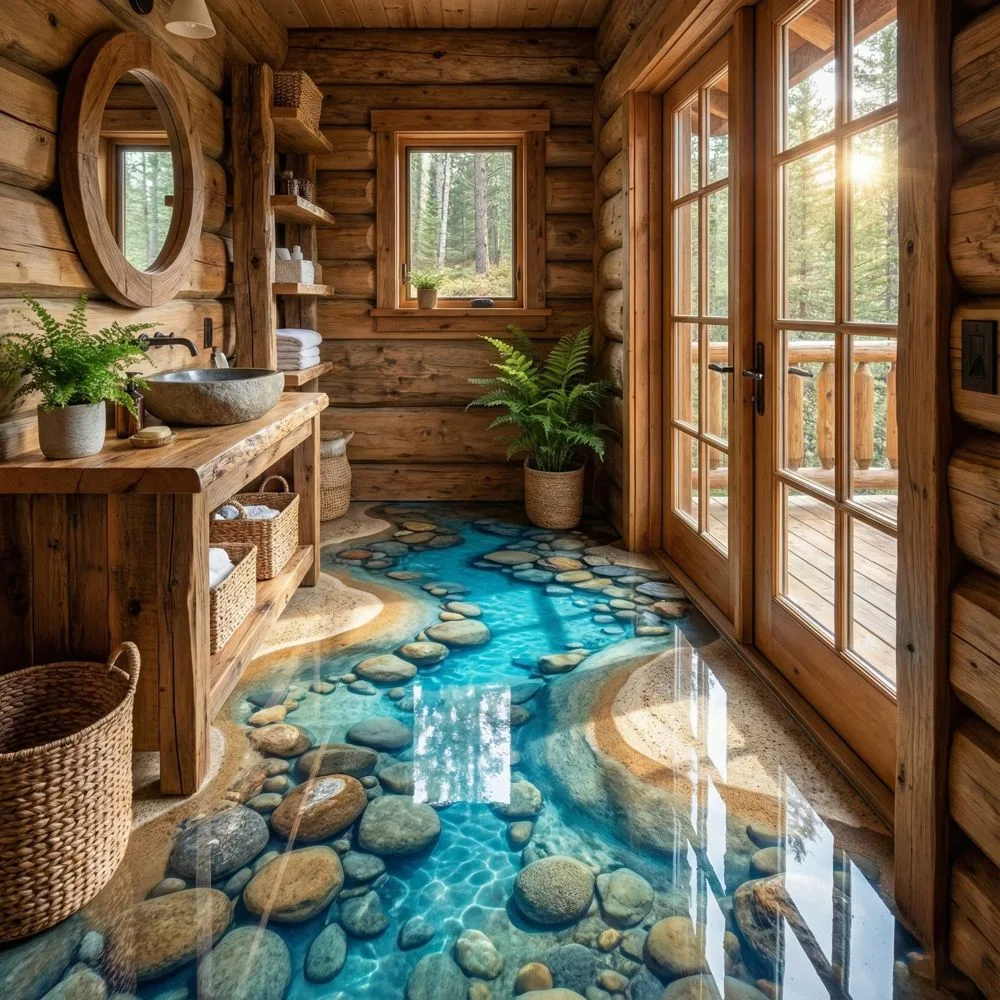
Creating a successful epoxy river floor begins long before any colored resin gets poured. Proper substrate preparation determines whether the finished floor will last for decades or fail within months.
The concrete substrate must be thoroughly cleaned, repaired, and profiled to ensure proper adhesion. This typically involves grinding or shot blasting the surface to remove any existing coatings, contaminants, or weak concrete. Any cracks, holes, or damaged areas require repair before proceeding.
Once the substrate is properly prepared, most installers apply a primer coat to enhance adhesion and prevent air bubbles from rising through the decorative layers. This step is particularly important when working over porous concrete.
The actual river effect is created during the base coat application. Installers pour different colors of pigmented epoxy in strategic locations, then use various techniques to manipulate the materials into flowing patterns. This is where artistry meets technical skill, as the installer must work within the limited window before the epoxy begins to gel.
After the decorative layer has cured, one or more clear top coats are applied to protect the design and create the final surface. These top coats also provide the depth and clarity that makes the patterns appear three dimensional, as if you could reach down and touch the flowing colors beneath.
Choosing the Right Space for Your River Floor
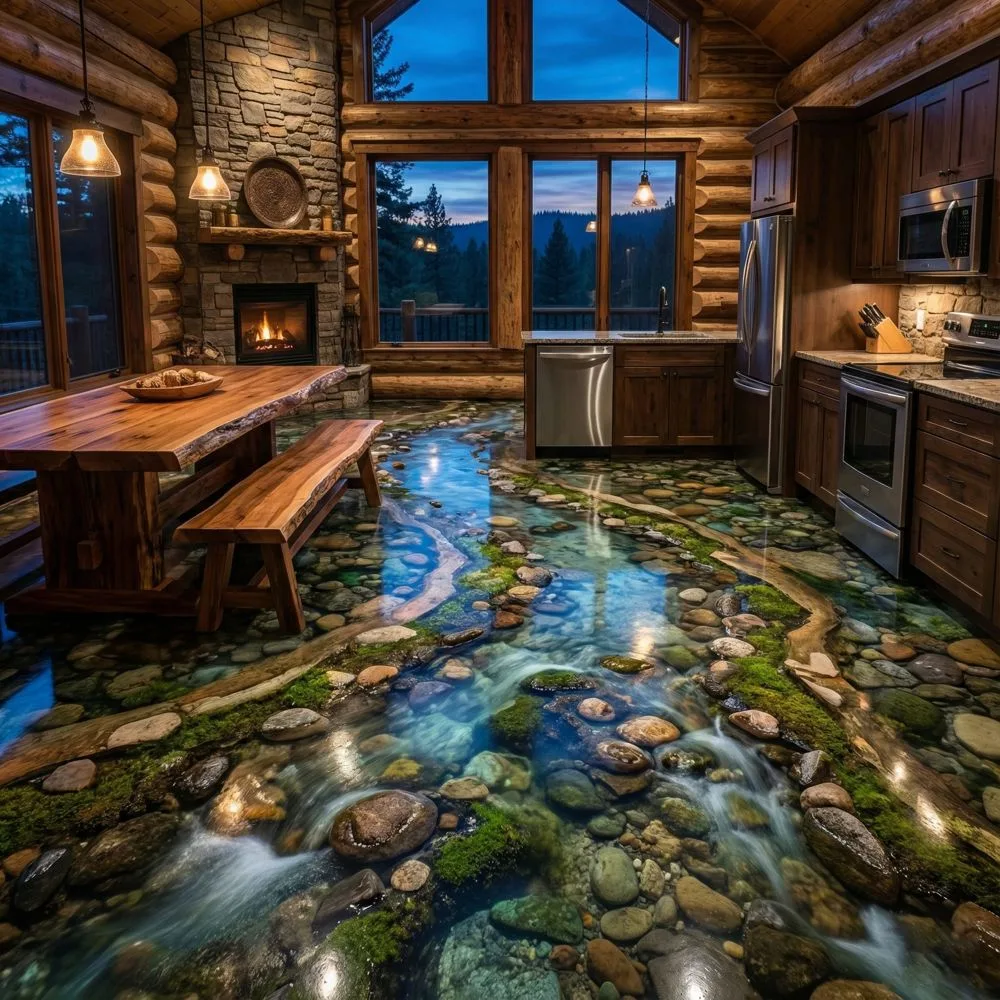
Not every room is an ideal candidate for epoxy river flooring. Understanding where this flooring option shines helps ensure satisfaction with the final result.
Large, open spaces show off river designs to their best advantage. The flowing patterns need room to develop and can feel cramped or chopped up in small spaces with many obstacles. Living rooms, great rooms, commercial lobbies, and open concept spaces are often ideal locations.
Lighting plays a crucial role in how these floors look and feel. Rooms with abundant natural light showcase the metallic effects beautifully, with the patterns shifting throughout the day as the sun moves. Spaces with dramatic artificial lighting can be equally stunning, especially when lights are positioned to highlight the floor’s dimensional qualities.
Consider the room’s function when planning your design. A meditative space might call for calming blues and greens, while an energetic retail environment might benefit from more vibrant or unexpected color combinations. The floor should enhance the room’s purpose rather than competing with it.
Cost Considerations and Investment Value
Epoxy river flooring represents a significant investment compared to basic flooring options. Material costs alone are substantial, as quality epoxy resins and metallic pigments are not inexpensive. The specialized labor required adds considerably to the total price.
Most professional installations range from 10 to 25 dollars per square foot, though complex designs or challenging conditions can push costs higher. This price point places epoxy river flooring in the same general category as high end tile or hardwood installations.
However, the long term value proposition is compelling. The durability and longevity of these floors means they rarely need replacement. Maintenance costs are minimal. And the unique aesthetic can add significant value to a property, particularly in design forward markets where buyers appreciate artistic elements.
For commercial spaces, the investment often pays dividends through enhanced brand identity and customer experience. A memorable floor creates talking points, encourages social media sharing, and helps businesses stand out in competitive markets.
Common Mistakes to Avoid During Installation
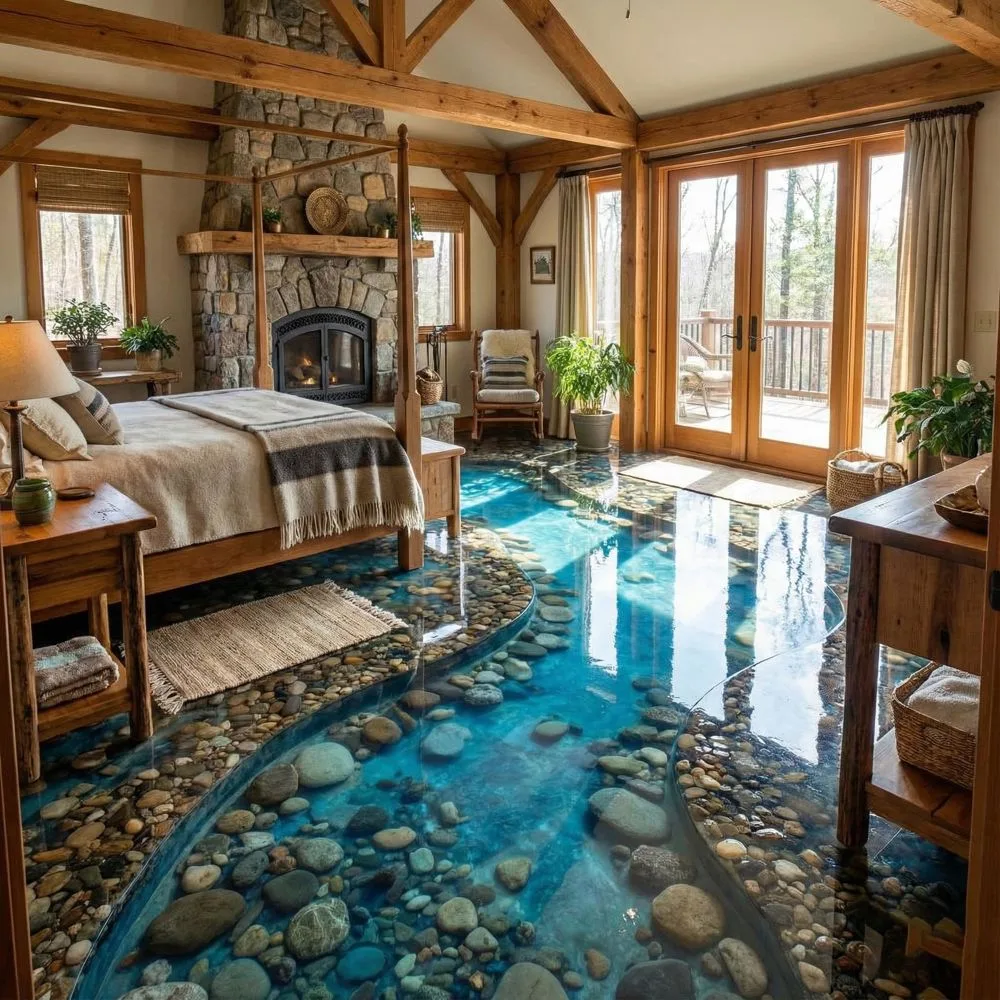
Even experienced contractors can run into problems when installing epoxy river flooring. Being aware of common pitfalls helps ensure successful outcomes.
Rushing the substrate preparation is perhaps the most frequent and costly mistake. Inadequate cleaning, incomplete repairs, or insufficient surface profiling can lead to adhesion failures that require complete removal and reinstallation. Taking the time to properly prepare the concrete is never wasted.
Mixing too much material at once can create problems. Epoxy has a limited working time, and mixing large batches can result in the material beginning to cure before the installer finishes applying it. Working in manageable quantities ensures better control and more consistent results.
Environmental conditions during installation matter tremendously. Attempting installation in extreme temperatures, high humidity, or poorly ventilated spaces can cause curing problems, surface defects, or off gassing issues. Waiting for ideal conditions is always preferable to pushing forward in less than optimal circumstances.
Inadequate planning of the design can lead to disappointing results. While spontaneity has its place, having a general concept and color scheme mapped out before starting helps ensure the finished floor matches expectations.
Maintenance and Long Term Care Requirements
One of the most appealing aspects of epoxy river flooring is how little maintenance it requires. Regular sweeping or dust mopping removes loose dirt and debris. Periodic damp mopping with a mild cleaner keeps the surface looking fresh.
Avoid harsh chemicals and abrasive cleaning tools, which can dull or damage the top coat over time. Stick with pH neutral cleaners designed for epoxy floors. Microfiber mops work beautifully and won’t scratch the surface.
While the floors are highly durable, taking reasonable precautions extends their life. Use protective pads under furniture legs. Place mats at entrances to capture dirt and grit before it gets tracked across the floor. These simple steps prevent unnecessary wear.
Over time, even the best epoxy floors may show wear in high traffic areas. The good news is that these floors can often be refreshed with a new top coat, restoring the glossy finish and protecting the decorative layer beneath without requiring a complete reinstallation.
Environmental Considerations and Sustainability
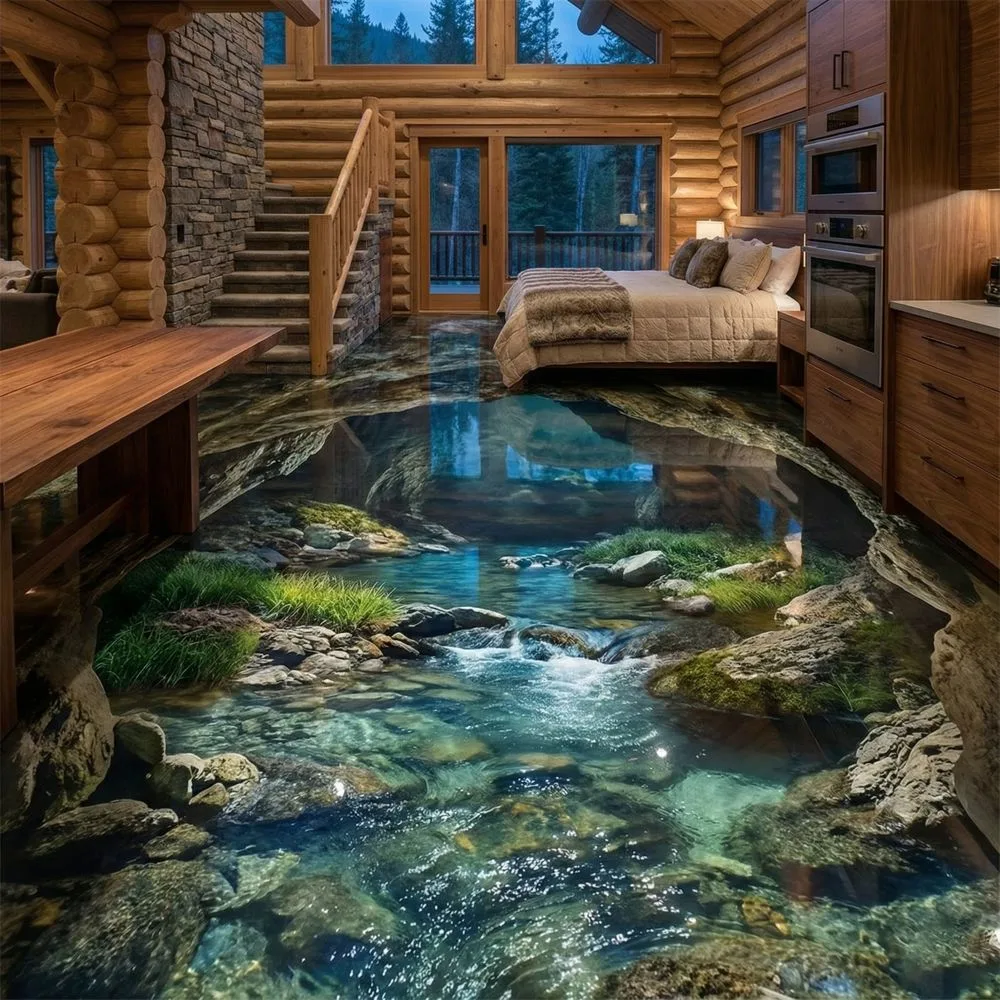
Modern epoxy formulations have made significant strides in reducing environmental impact. Many manufacturers now offer low VOC or zero VOC options that minimize off gassing during and after installation. These products create healthier indoor environments while still delivering excellent performance.
The longevity of epoxy flooring contributes to its sustainability profile. A floor that lasts 20 plus years without replacement means fewer materials consumed and less waste generated over time compared to flooring options that require more frequent replacement.
The ability to install epoxy directly over existing concrete slabs eliminates the need to demolish and remove old flooring materials. This reduces construction waste and the environmental impact associated with manufacturing and transporting new substrate materials.
Some epoxy products now incorporate recycled content or bio based components, further improving their environmental credentials. As the industry continues to evolve, we can expect even more sustainable options to become available.
Future Trends in Decorative Epoxy Flooring
The epoxy flooring industry continues to innovate, with new techniques and materials regularly emerging. One exciting development involves incorporating augmented reality elements that interact with the floor’s physical patterns, creating immersive experiences that blend physical and digital design.
Advanced pigment technologies are expanding the range of achievable effects. Temperature sensitive pigments that change color based on ambient conditions, photochromic pigments that react to UV light, and phosphorescent materials that store and release light are all finding their way into modern installations.
The integration of smart technologies represents another frontier. Imagine floors with embedded lighting systems that highlight different aspects of the river pattern based on time of day or mood settings. Or floors with heating elements integrated into the epoxy system for enhanced comfort in cold climates.
As these technologies mature and become more accessible, the line between flooring and experiential design will continue to blur, creating opportunities for even more creative and functional applications.
Transforming Spaces One Pour at a Time
Epoxy river flooring represents the perfect marriage of art and function, delivering stunning visual impact while providing the durability and practicality that modern spaces demand. Whether you are drawn to the organic flow of natural river patterns or prefer bold, abstract interpretations, this flooring option offers virtually unlimited creative possibilities.
The investment in quality materials and skilled installation pays dividends for years to come, creating a truly unique space that reflects personal style while standing up to the rigors of daily use. As techniques continue to evolve and new materials expand the creative palette, we can only imagine what the next generation of epoxy river flooring will bring.
For those ready to make a dramatic statement underfoot, epoxy river flooring offers an opportunity to transform ordinary spaces into extraordinary experiences that captivate everyone who enters.