
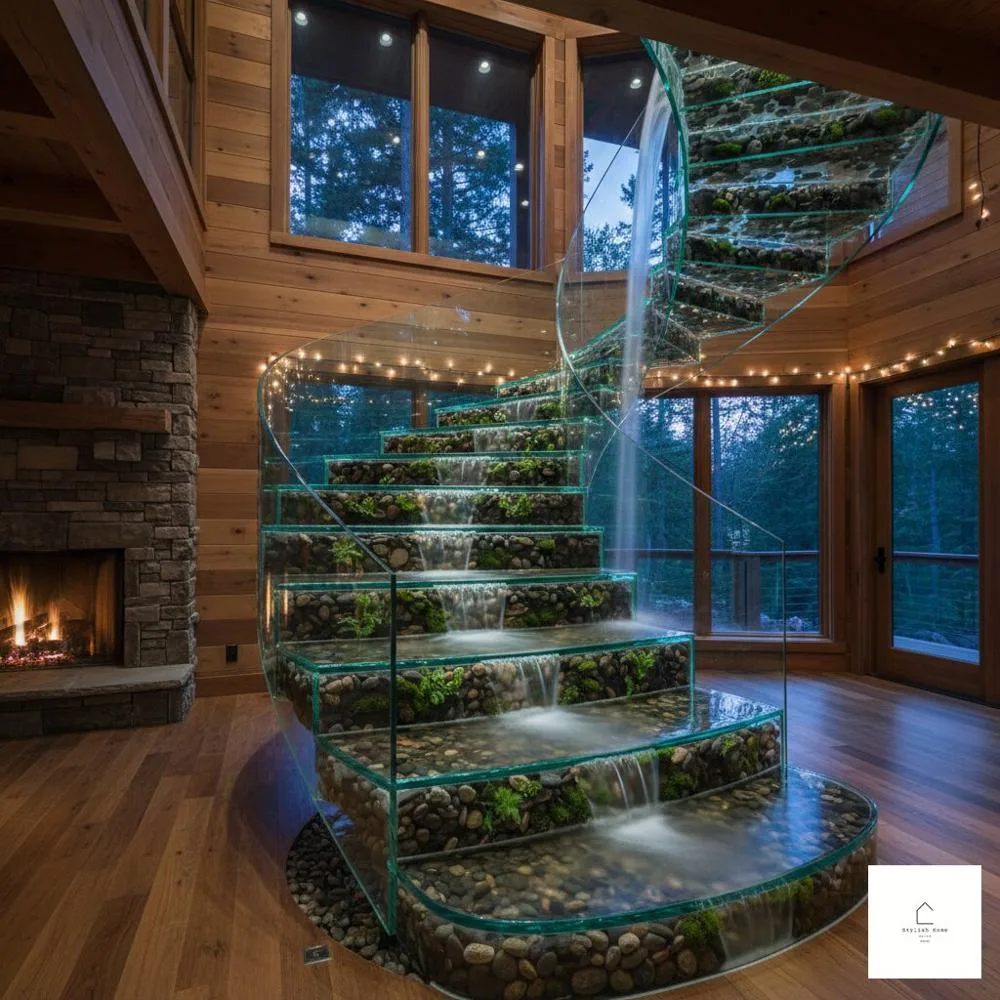
The glass waterfall staircase has emerged as one of the most captivating architectural elements in contemporary interior design. This stunning feature combines the elegance of transparent materials with innovative structural engineering, creating a focal point that transforms ordinary spaces into extraordinary living environments. Whether you’re building a new home, renovating an existing property, or simply exploring design possibilities, understanding the beauty and functionality of this architectural masterpiece will inspire your next project.
Understanding the Fundamentals: What Is a Waterfall Staircase
Before diving into the specifics of glass variations, it’s essential to understand what is a waterfall staircase in its most basic form. A waterfall staircase refers to a design where the tread material extends over the riser, creating a cascading effect similar to water flowing over rocks. This continuous flow from one step to the next eliminates the traditional gap between the horizontal tread and vertical riser, resulting in a seamless, fluid appearance.
The waterfall design principle can be applied to various materials including wood, stone, concrete, and of course, glass. When someone asks what are waterfall stairs, they’re inquiring about this specific construction technique that prioritizes visual continuity and modern aesthetics over traditional staircase segmentation. The name itself evokes the smooth, uninterrupted descent that characterizes this design approach.
The Allure of Glass in Waterfall Staircase Design
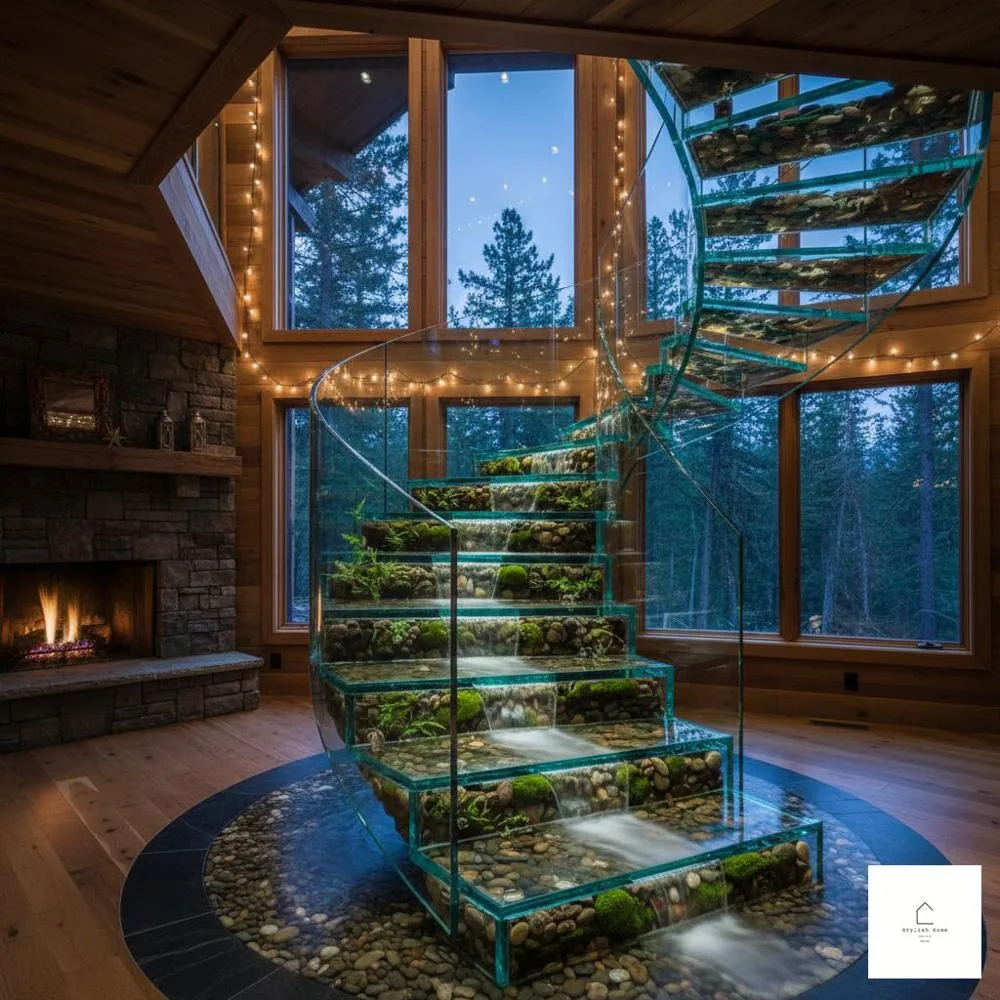
When transparent materials meet the waterfall concept, something truly magical happens. A glass waterfall staircase takes the flowing design principle to new heights by introducing lightness, transparency, and visual expansion to the space. Unlike opaque materials that can create visual barriers and divide spaces, glass staircases maintain sight lines throughout your home, making areas feel larger and more connected.
The transparent nature of glass allows natural light to penetrate through multiple levels of your home, reducing the need for artificial lighting during daylight hours. This not only creates an environmentally friendly design solution but also contributes to a healthier living environment by maximizing exposure to natural sunlight. The interplay between light and glass creates ever-changing visual effects throughout the day, ensuring your staircase looks different at dawn, noon, and dusk.
Architectural Benefits and Design Flexibility
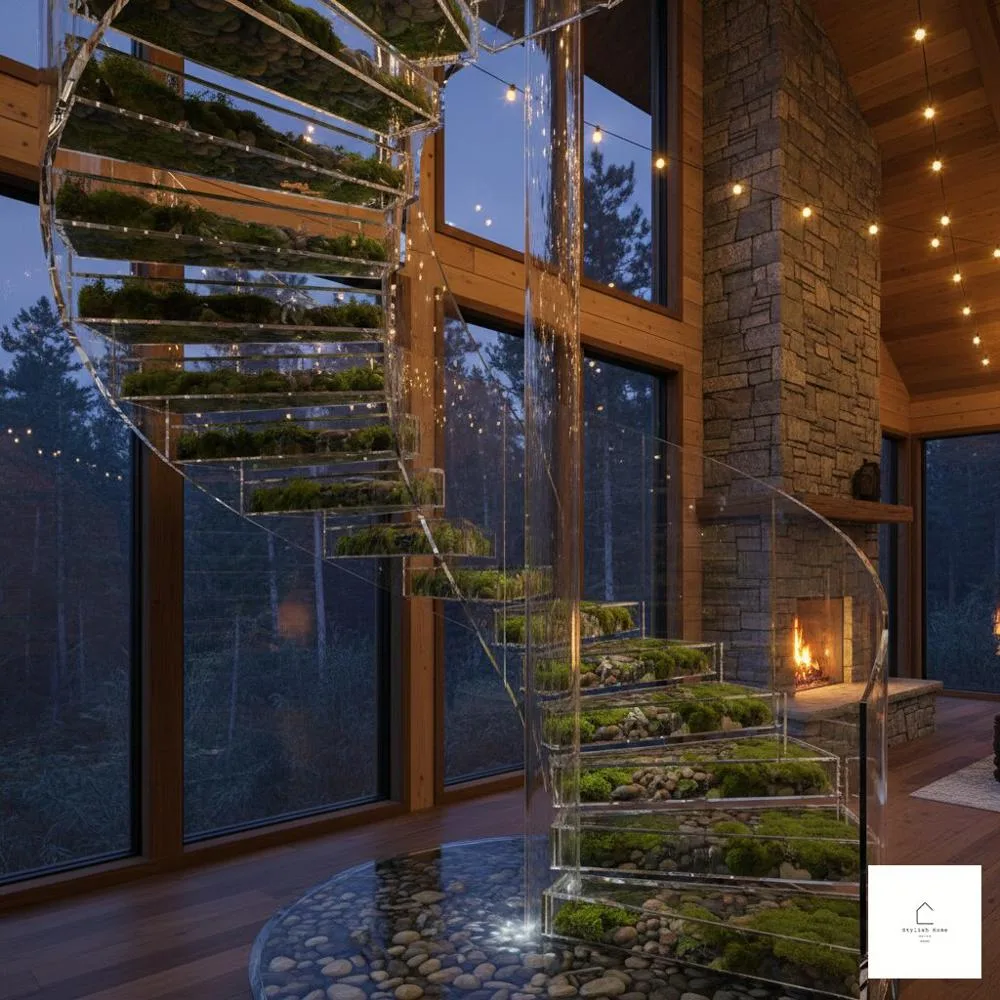
Incorporating a glass waterfall staircase into your home offers numerous architectural advantages beyond mere aesthetics. The transparent construction maintains open sight lines, which is particularly valuable in smaller homes or apartments where preserving a sense of spaciousness is crucial. This design choice allows you to create distinct levels without sacrificing the open floor plan concept that has become so desirable in modern architecture.
The minimalist appearance of glass stairs complements virtually any interior design style, from ultra-modern industrial lofts to warm Scandinavian-inspired homes. This versatility makes the glass waterfall staircase an excellent investment that won’t clash with future design changes or renovations. The clean lines and simple geometry create a timeless quality that transcends fleeting design trends.
Material Specifications and Safety Considerations
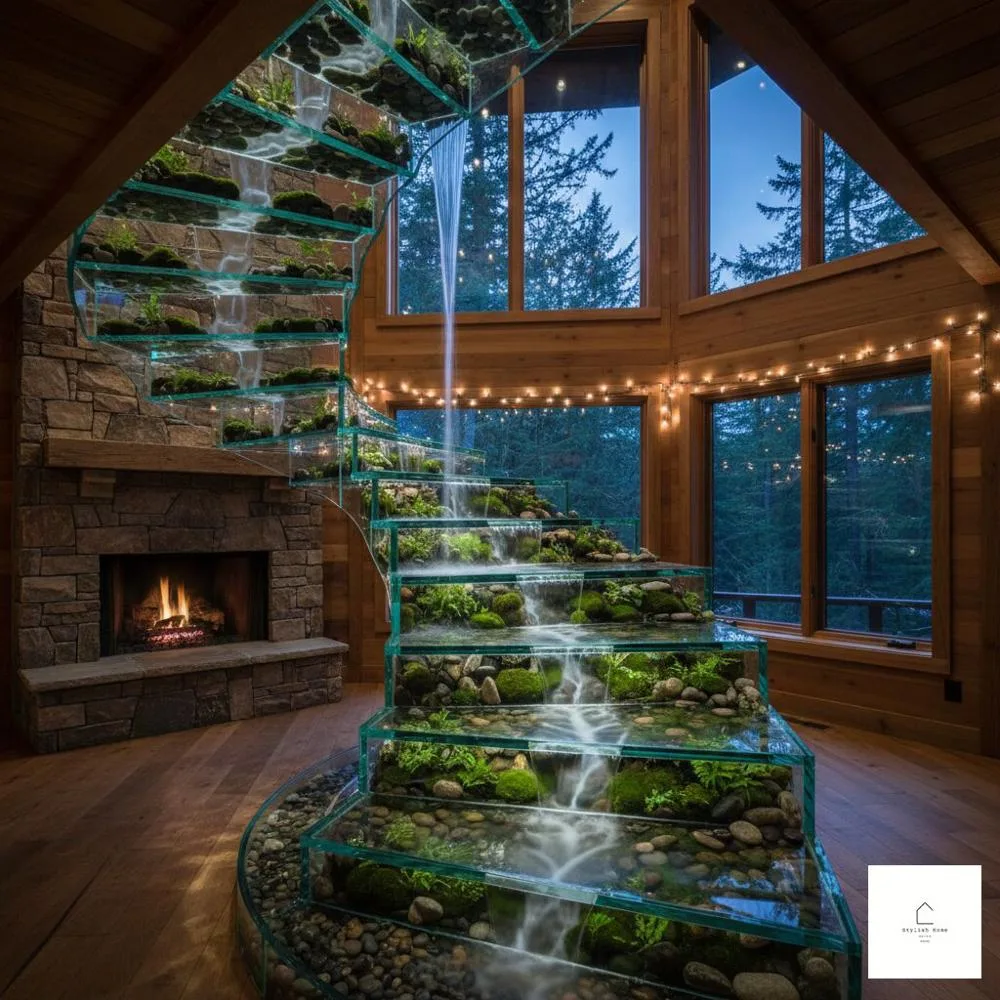
When planning a glass waterfall staircase, understanding the materials involved is critical for both safety and longevity. Tempered glass, also known as toughened glass, is the industry standard for staircase construction. This material undergoes a thermal treatment process that makes it four to five times stronger than regular glass. If breakage does occur, tempered glass shatters into small, relatively harmless pebbles rather than dangerous shards.
Laminated glass offers an additional layer of security by sandwiching a plastic interlayer between two glass sheets. This construction ensures that even if the glass cracks, the pieces remain adhered to the interlayer, preventing collapse and maintaining structural integrity. Many architects recommend laminated tempered glass for staircase applications, combining the benefits of both technologies.
Thickness is another crucial specification, with most glass staircase treads ranging from 40mm to 60mm depending on span and anticipated load. Building codes vary by location, but most require glass staircases to support a minimum load of 300 pounds per square foot. Working with experienced structural engineers ensures your glass waterfall staircase meets or exceeds all local safety requirements.
Installation Process and Professional Requirements
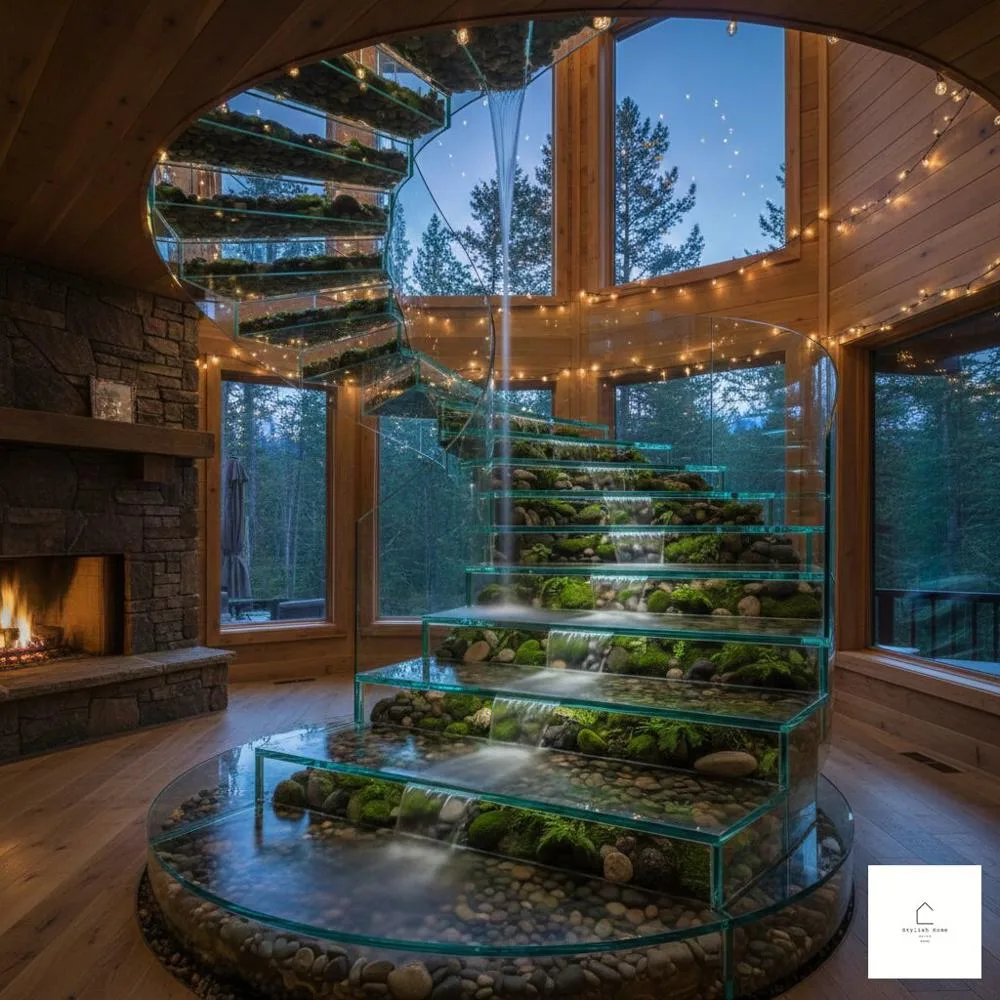
Creating a glass waterfall staircase requires specialized expertise that goes far beyond traditional carpentry or general contracting. The installation process begins with precise measurements and structural analysis to ensure your home can support this architectural feature. Load-bearing calculations must account for the weight of the glass, the supporting framework, and the anticipated traffic patterns.
Professional installers use specialized mounting systems designed specifically for glass staircases. These may include stainless steel brackets, hidden anchoring systems, or floating attachments that create the illusion of steps suspended in mid-air. The choice of mounting system affects both the aesthetic appearance and structural performance of your staircase.
The installation timeline typically spans several weeks from initial consultation to final completion. This includes design development, structural engineering, glass fabrication, framework construction, and final assembly. Rushing this process can compromise safety and aesthetic quality, so patience during installation pays dividends in the finished product.
Maintenance and Long Term Care
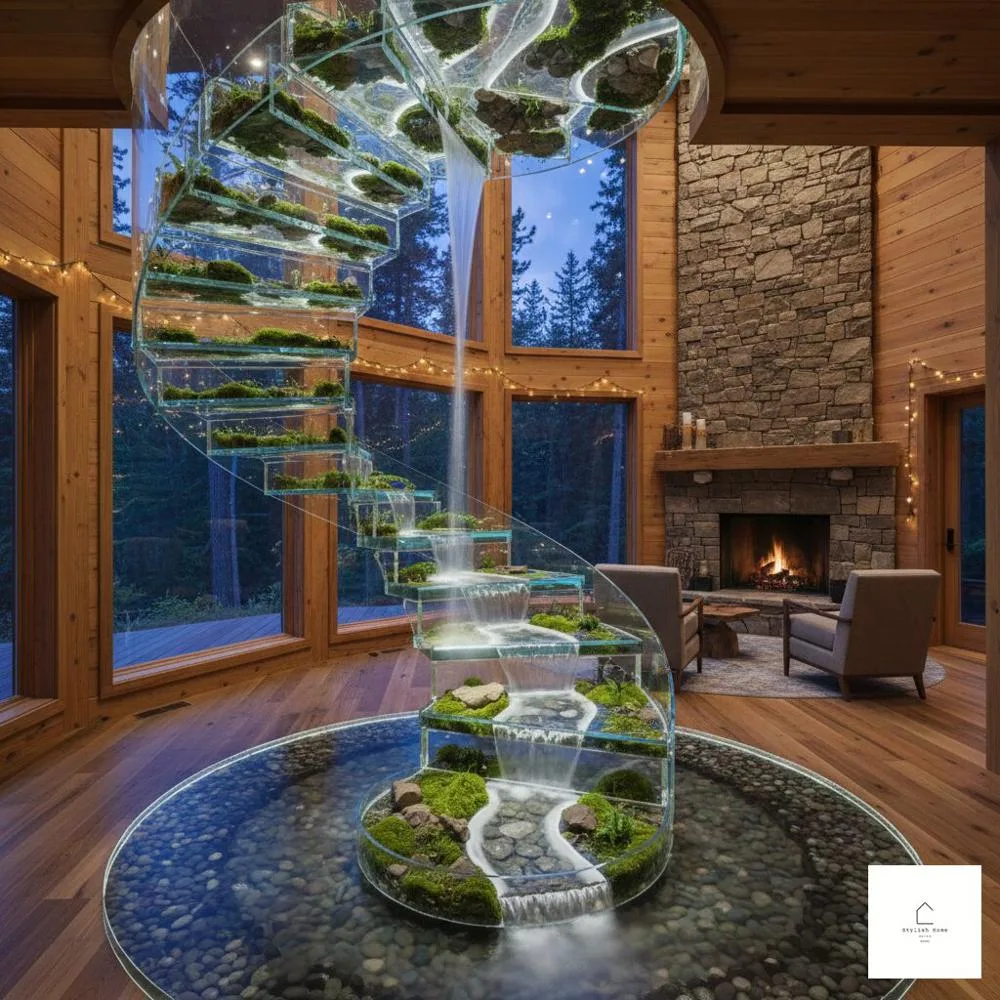
One common concern about glass waterfall staircases involves maintenance requirements. While glass surfaces do show fingerprints and smudges more readily than opaque materials, modern coatings significantly reduce this issue. Hydrophobic and oleophobic treatments create invisible barriers that repel water, oils, and dirt, making cleaning easier and less frequent.
Regular maintenance involves simple cleaning with appropriate glass cleaners and soft microfiber cloths. Avoid abrasive materials or harsh chemicals that could scratch or damage protective coatings. Most homeowners find that a quick weekly cleaning keeps their glass waterfall staircase looking pristine, while deeper cleaning every few months addresses any accumulated buildup.
The durability of properly installed glass staircases often surprises skeptics. High-quality tempered and laminated glass resists scratching, maintains clarity for decades, and withstands daily use without degradation. Unlike wooden stairs that may creak, warp, or require refinishing, glass stairs maintain their structural integrity and appearance with minimal intervention.
Cost Considerations and Investment Value
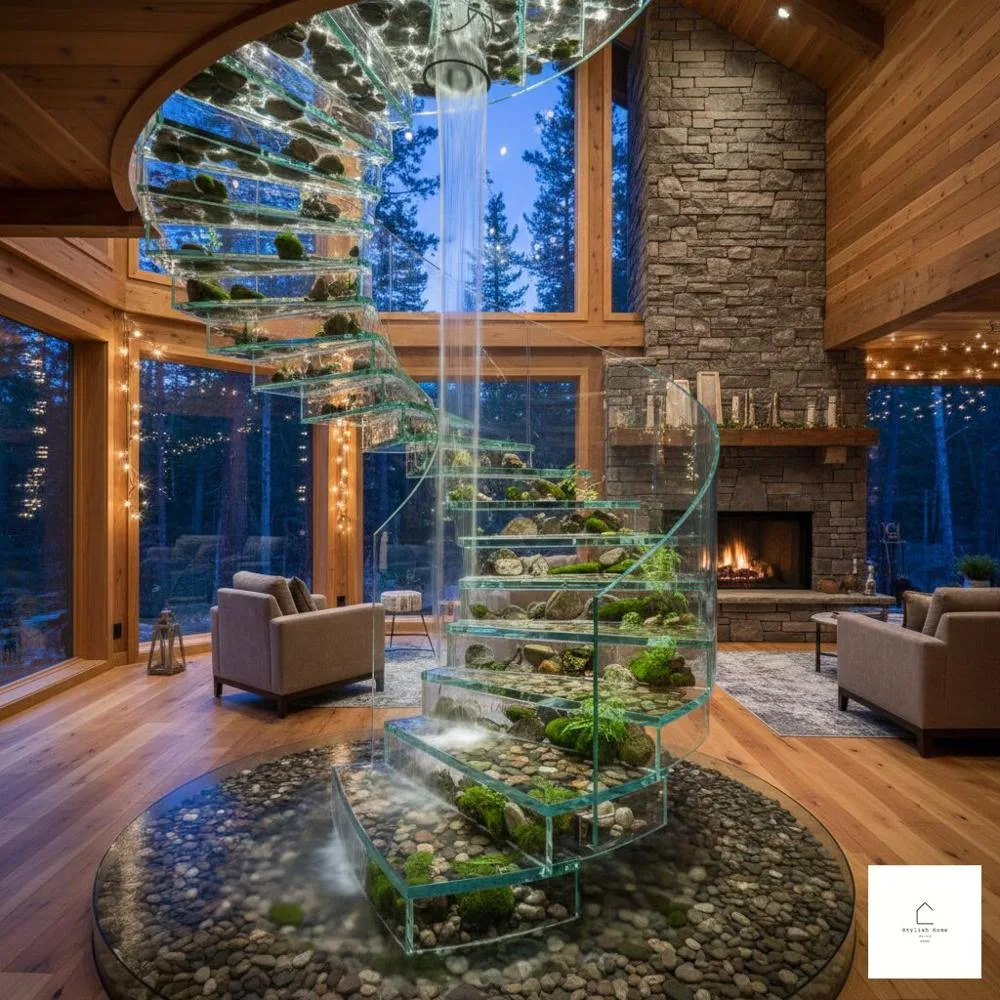
The investment required for a glass waterfall staircase varies considerably based on size, complexity, glass specifications, and geographic location. Entry-level installations typically start around fifteen thousand dollars for simple, straight designs, while elaborate curved or spiral configurations can exceed one hundred thousand dollars. This price range includes materials, professional design services, structural engineering, fabrication, and installation.
When evaluating costs, consider the long-term value proposition. A glass waterfall staircase significantly increases property value and marketability. Homes featuring this architectural element often command premium prices and attract discerning buyers who appreciate modern design excellence. The timeless appeal and durability mean your investment continues paying dividends for decades.
Financing options exist for homeowners undertaking major renovations. Home equity loans, renovation mortgages, and specialized home improvement financing can make this architectural upgrade more accessible. Consult with financial advisors to determine the best approach for your specific situation.
Combining Glass with Complementary Materials
While all-glass designs create dramatic visual impact, many homeowners choose to combine glass treads with complementary materials for added warmth or contrast. Stainless steel railings provide industrial elegance while maintaining the open, airy feeling. Wooden handrails introduce organic warmth that balances the cool transparency of glass. Stone or concrete supporting structures create beautiful juxtapositions between solid and transparent elements.
LED lighting integration represents another popular enhancement for glass waterfall staircases. Strips of LED lights installed along tread edges or within supporting structures create stunning illumination effects, especially dramatic during evening hours. This lighting serves both functional and aesthetic purposes, improving visibility while showcasing the staircase as a sculptural element.
Design Trends and Future Innovations
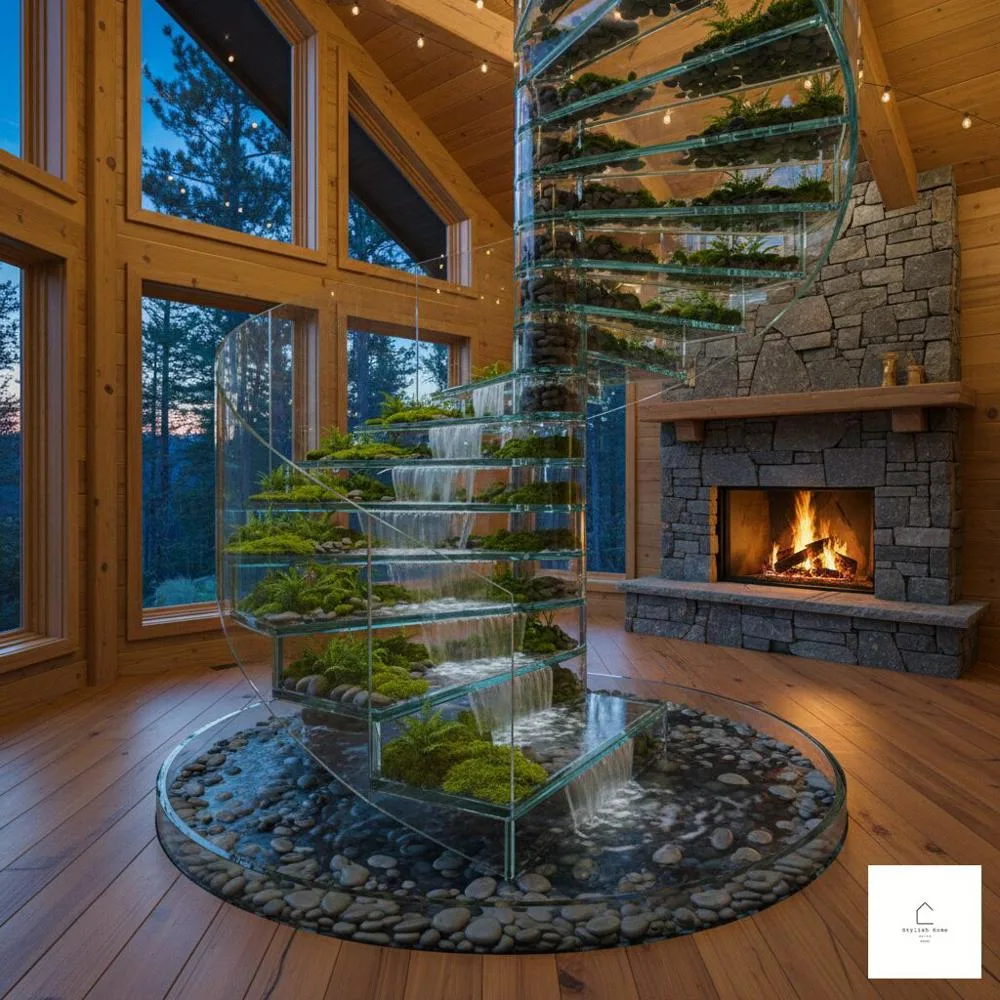
The glass waterfall staircase continues evolving as new technologies and design philosophies emerge. Smart glass technology, which can transition from transparent to opaque with electrical current, offers privacy control possibilities. Textured glass options provide slip resistance while maintaining transparency. Colored glass introduces personality without sacrificing the fundamental openness that makes these staircases so appealing.
Sustainability considerations increasingly influence design decisions. Many manufacturers now offer recycled glass options that maintain the same quality standards as virgin materials while reducing environmental impact. Energy-efficient production methods and local sourcing further enhance the ecological credentials of modern glass staircases.
Making the Decision: Is a Glass Waterfall Staircase Right for Your Home
Determining whether this architectural feature suits your needs requires honest assessment of several factors. Consider your lifestyle, household composition, design preferences, budget, and long-term plans. Homes with young children may require additional safety features like protective films or secondary railings. Pet owners should evaluate how their animals might interact with transparent surfaces.
The architectural style of your home also plays a role. While glass waterfall staircases adapt to various aesthetics, they shine brightest in contemporary, modern, or transitional designs. Traditional or period homes may benefit from more conventional staircase designs that respect historical architectural integrity.
Bringing Your Vision to Life: Elegance That Flows Through Every Level
The glass waterfall staircase represents more than an architectural feature; it embodies a commitment to design excellence, spatial innovation, and timeless beauty. This stunning element transforms the simple act of moving between floors into an aesthetic experience, creating daily moments of appreciation for thoughtful design. By understanding what makes waterfall stairs unique and how glass elevates this concept, you can make informed decisions about incorporating this feature into your home.
Whether you’re captivated by the light-enhancing properties, the space-expanding visual effects, or simply the undeniable elegance of transparent architecture, a glass waterfall staircase offers rewards that extend far beyond its functional purpose. This investment in beauty, quality, and innovation will serve your household for generations, creating a lasting legacy of exceptional design that future owners will treasure as much as you do today.