
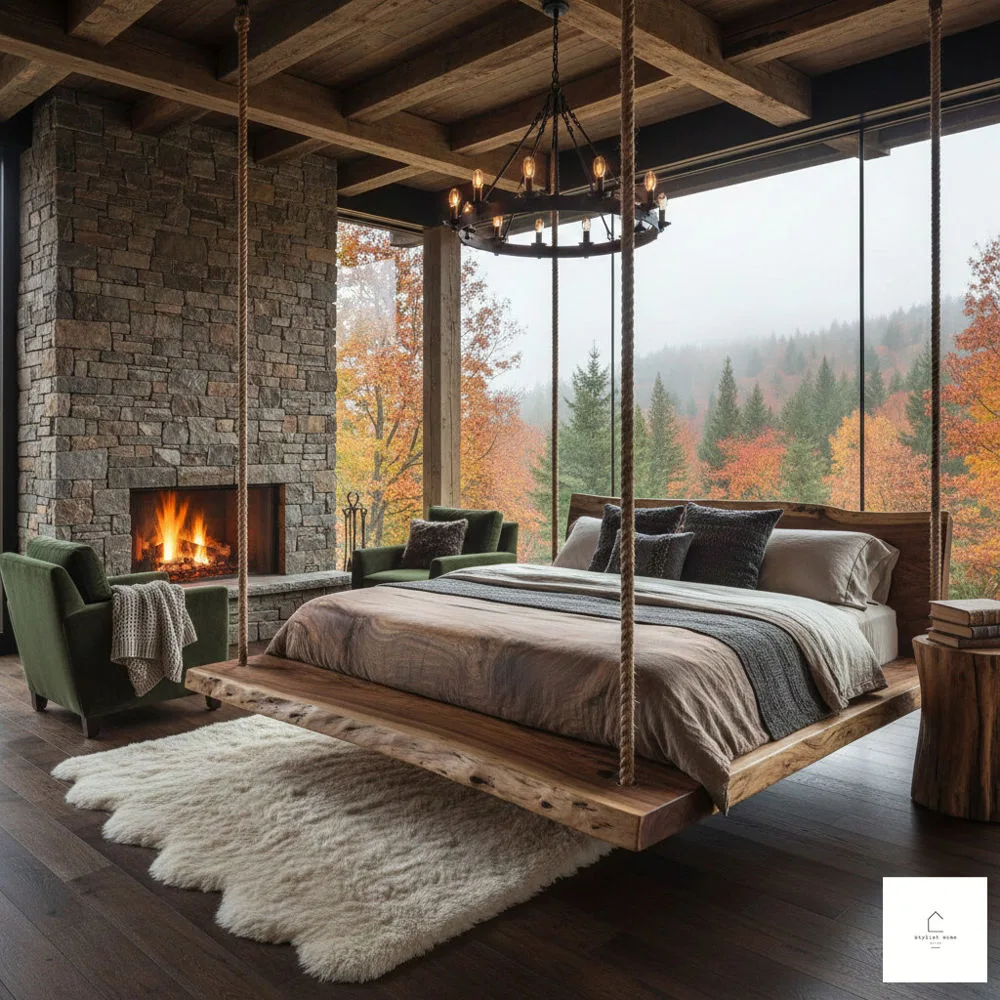
There’s something magical about a bed that appears to float in mid air. The hanging wood slab bed has become one of the most sought after furniture pieces for homeowners who want to blend natural materials with contemporary design. This innovative approach to bedroom furniture creates an illusion of weightlessness while showcasing the raw beauty of natural wood, making it a perfect centerpiece for any modern bedroom.
Unlike traditional bed frames that sit heavily on the floor, a hanging wood slab bed suspends from the ceiling or wall, creating a stunning visual effect that immediately draws the eye. The natural grain patterns and organic edges of the wood slab add warmth and character, while the floating design brings an unexpected element of sophistication to your sleeping space.
Understanding the Hanging Wood Slab Bed Concept
The concept behind a hanging wood slab bed is beautifully simple yet architecturally complex. Instead of relying on legs or a traditional box spring foundation, these beds use strong cables, chains, or rods anchored to ceiling joists or reinforced wall mounts. The bed platform itself is typically crafted from a single thick slab of wood or multiple planks arranged to create a solid sleeping surface.
What makes this design truly special is how it combines the organic beauty of natural wood with modern engineering principles. The wood slab can be finished in various ways, from maintaining its live edge for a rustic appearance to creating clean, straight lines for a more minimalist aesthetic. Some designs preserve the natural bark edge, while others feature smooth, polished surfaces that highlight the wood’s grain patterns.
The floating effect serves multiple purposes beyond aesthetics. It makes cleaning underneath the bed effortless, creates an impression of more floor space in smaller bedrooms, and provides a unique focal point that guests will remember long after they leave your home.
Exploring Hanging Wood Slab Bed Frame Options
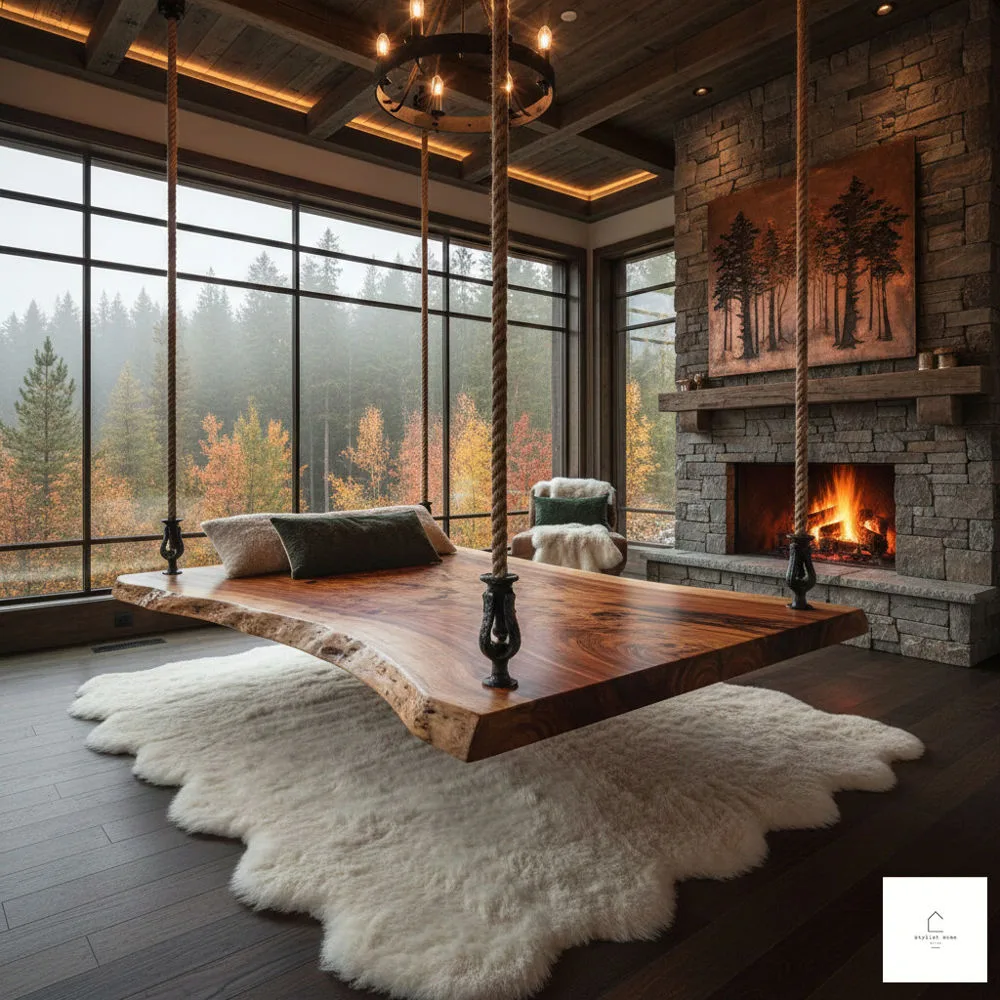
When considering a hanging wood slab bed frame, you’ll encounter numerous design variations that cater to different aesthetic preferences and structural requirements. The frame serves as the foundation that supports both the mattress and the sleepers, so choosing the right configuration is essential for safety and comfort.
Traditional hanging wood slab bed frames feature thick timber planks, often two to four inches thick, that provide substantial support without requiring additional framework. These slabs can weigh several hundred pounds before adding a mattress, which means proper installation is absolutely critical. The wood species you select will impact both the appearance and structural integrity of your bed. Walnut offers rich, dark tones with beautiful grain patterns, while oak provides strength and durability with a lighter color palette. Maple gives you a smooth, consistent grain, and reclaimed wood brings history and character to your bedroom.
Some hanging wood slab bed frame designs incorporate metal elements for added industrial appeal. Steel cables or iron chains can complement the natural wood while providing the necessary tensile strength to support weight safely. These mixed material frames often feature powder coated finishes that resist corrosion and match various décor styles.
Platform style hanging beds use multiple wood planks arranged parallel to each other, creating a slatted surface that promotes air circulation around the mattress. This design can be more forgiving for DIY builders since it distributes weight across several connection points rather than relying on a single massive slab.
The Rise of Hanging Wood Slab Beds in Modern Design
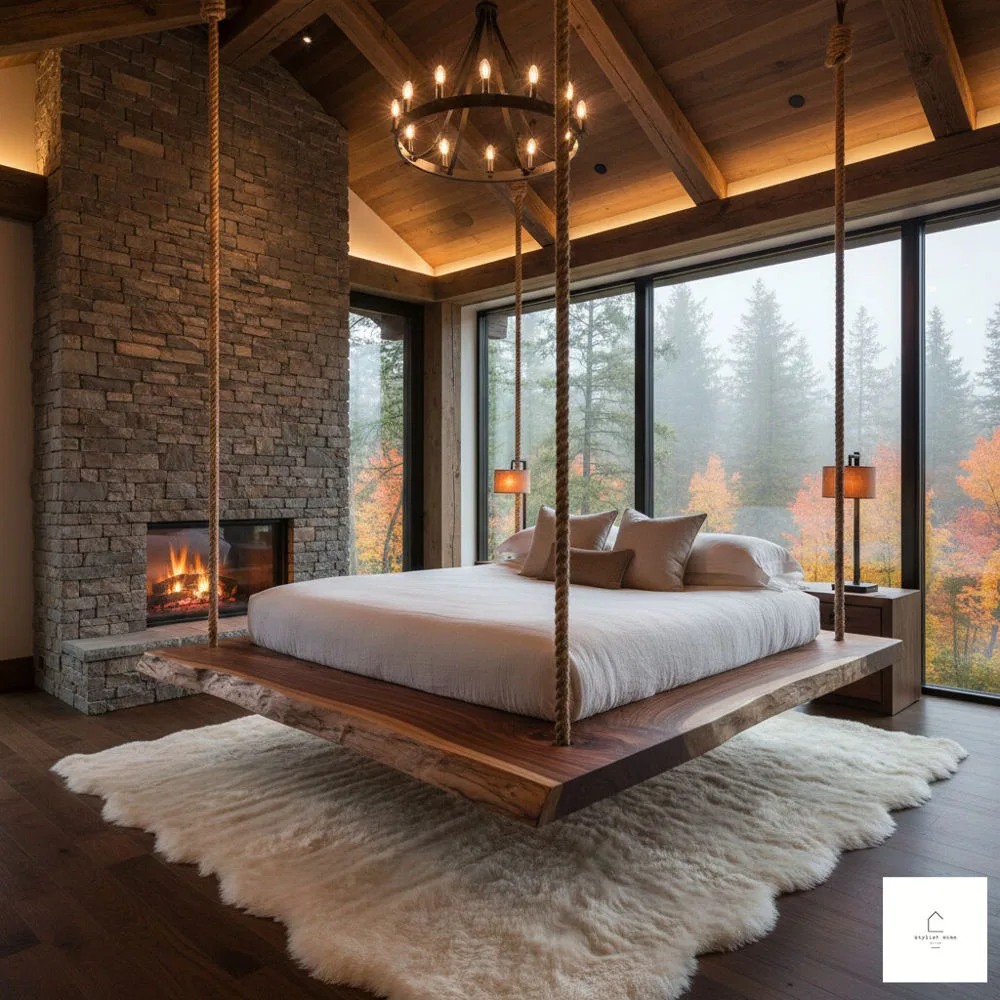
Hanging wood slab beds have surged in popularity as homeowners increasingly seek furniture that makes a statement while remaining functional. Interior designers have embraced these pieces because they solve several common bedroom challenges simultaneously.
In smaller bedrooms, the floating design creates visual breathing room. When a bed appears to hover above the floor, it tricks the eye into perceiving more square footage than actually exists. This psychological effect can make a cramped bedroom feel surprisingly spacious and open.
The trend also aligns perfectly with the broader movement toward biophilic design, which incorporates natural elements into indoor spaces. A thick wood slab brings the outdoors inside, connecting occupants with nature even in urban environments. The texture, color variations, and organic shapes found in natural wood create a calming atmosphere that promotes better sleep and relaxation.
Social media platforms have amplified interest in hanging wood slab beds, with thousands of photos showcasing creative installations in homes around the world. These eye catching designs photograph beautifully, making them favorites among homeowners who enjoy sharing their interior design achievements online.
Building Your Own Hanging Wood Slab Bed Frame DIY
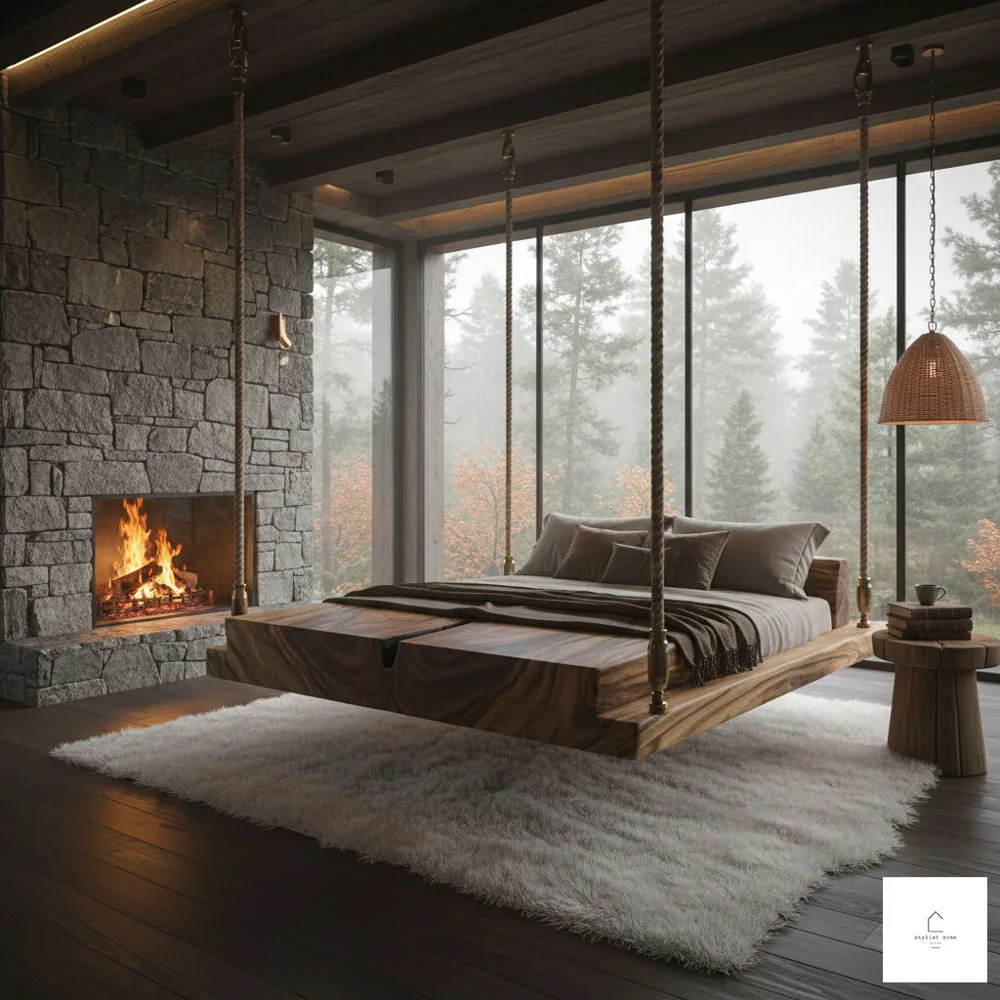
For those with carpentry skills and a sense of adventure, creating a hanging wood slab bed frame DIY project can be incredibly rewarding. However, this is not a beginner level project. It requires careful planning, precise measurements, and absolute attention to structural integrity since the bed will support hundreds of pounds during use.
Start by locating the ceiling joists in your bedroom using a stud finder. The suspension points must anchor directly into solid structural members, never just into drywall or plaster. Most hanging beds use four suspension points, one near each corner, though some designs employ six or eight for added stability and weight distribution.
Select your wood slab carefully. Visit local sawmills or specialty lumber yards where you can examine slabs in person. Look for wood that has been properly dried and treated to prevent warping or cracking over time. The slab should be at least two inches thick for a twin size bed, and preferably three to four inches thick for queen or king sizes.
You’ll need to purchase heavy duty hardware rated for well beyond the actual weight your bed will support. Safety experts recommend using components rated for at least four times the expected load. This means if your bed, mattress, and occupants total 800 pounds, your hardware should support 3,200 pounds minimum. Eye bolts, carabiners, cable clamps, and turnbuckles must all meet industrial grade specifications.
The actual assembly process involves several critical steps. First, drill pilot holes through the wood slab at your suspension points. These holes must be precisely positioned to ensure the bed hangs level. Install eye bolts with large washers on both sides of the slab to distribute stress. Thread steel cables or chains through the eye bolts and connect them to ceiling mounted anchor points using appropriate hardware.
Before placing your mattress on the bed, test it thoroughly with sandbags or other heavy materials that approximate the weight it will bear. Make adjustments to the cable lengths using turnbuckles until the bed hangs perfectly level. This fine tuning process can take several hours but is essential for comfort and safety.
Consider adding safety features like wall bumpers or guides that prevent the bed from swinging excessively. While some gentle movement is normal and even enjoyable, you don’t want the bed to feel unstable or create dangerous situations during use.
Design Considerations for Hanging Wood Slab Beds
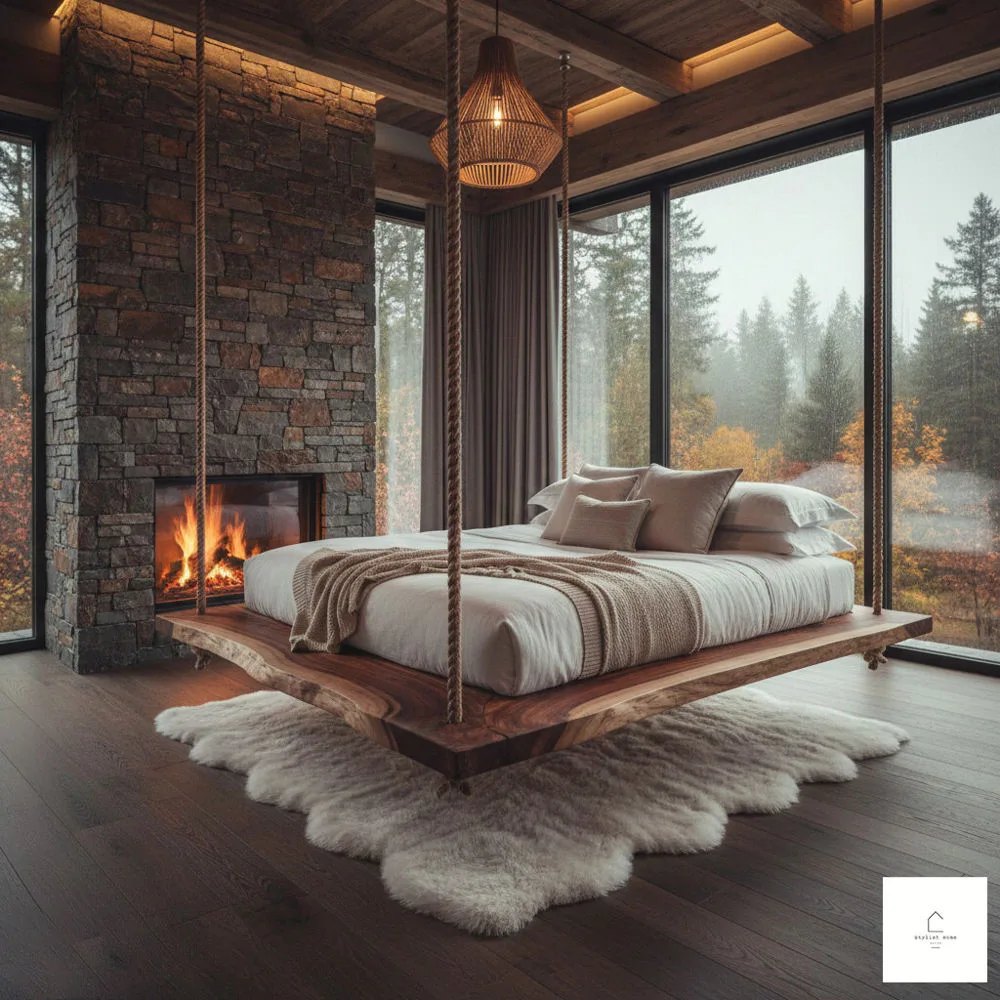
Choosing the right design for your hanging wood slab bed involves balancing aesthetic preferences with practical considerations. The finished piece should complement your existing décor while meeting your functional needs for comfort and durability.
Wood finish options range from natural oil treatments that enhance the grain while providing protection, to stains that alter the color, to painted surfaces for those who prefer a specific color scheme. Natural finishes are popular because they allow the wood’s inherent beauty to shine through, but they require more maintenance to preserve their appearance over time.
The suspension method significantly impacts the overall look. Thick maritime rope creates a nautical or bohemian vibe, while thin steel cables offer an almost invisible support system that emphasizes the floating effect. Chain suspensions add industrial character and can be left raw for a vintage appearance or powder coated in colors that match your bedroom palette.
Height considerations are crucial. The bed should hang high enough to make cleaning underneath easy but not so high that getting in and out becomes awkward. Most designers recommend positioning the top of the mattress between 20 and 24 inches from the floor, similar to conventional bed heights.
Think about bedding access as well. A hanging bed needs sheets and blankets just like any other bed, but the floating design can make tucking in corners slightly more challenging. Some people prefer fitted sheets with deep pockets that stay secure even if the bed moves slightly.
Safety and Structural Requirements
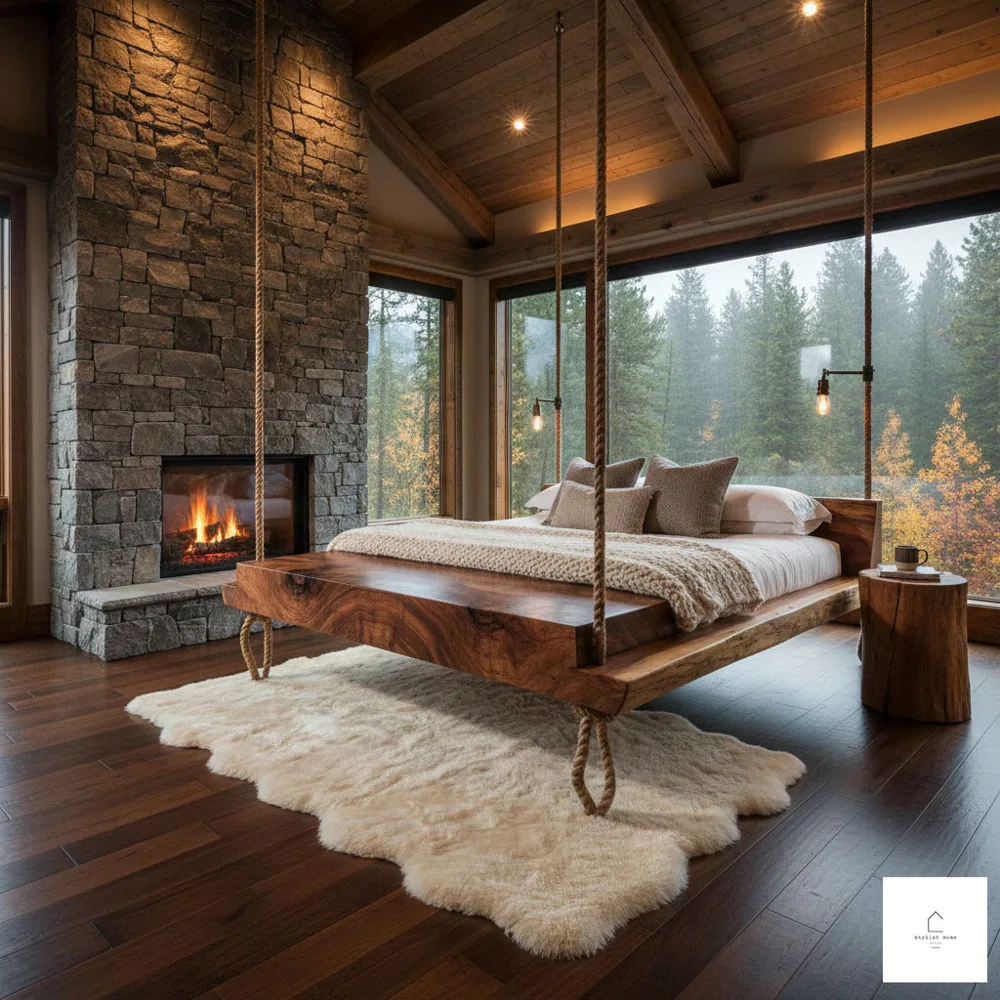
Safety should be your primary concern when installing any hanging wood slab bed. The consequences of improper installation can be severe, so taking shortcuts or ignoring professional advice is never acceptable.
Ceiling joists in most residential construction run 16 or 24 inches on center and can typically support significant weight when properly accessed. However, you may need to add additional blocking between joists to create ideal suspension points. This work often requires opening the ceiling slightly or working from the attic space above.
In homes with concrete ceilings, installation becomes more complex and usually requires specialized anchors designed for overhead loads in masonry. Consult with a structural engineer if you have any doubts about your ceiling’s load bearing capacity.
Weight distribution across the suspension points should be as even as possible. Uneven loading can create stress concentrations that compromise safety over time. Use a level during installation and periodically check that the bed remains properly balanced as the wood ages and potentially shifts.
Regular inspections are essential for maintaining safety. Every few months, examine all hardware for signs of wear, corrosion, or loosening. Cables can fray, wood can crack, and connections can gradually work themselves loose through normal use. Addressing small issues immediately prevents them from becoming dangerous problems.
Maintenance and Long Term Care
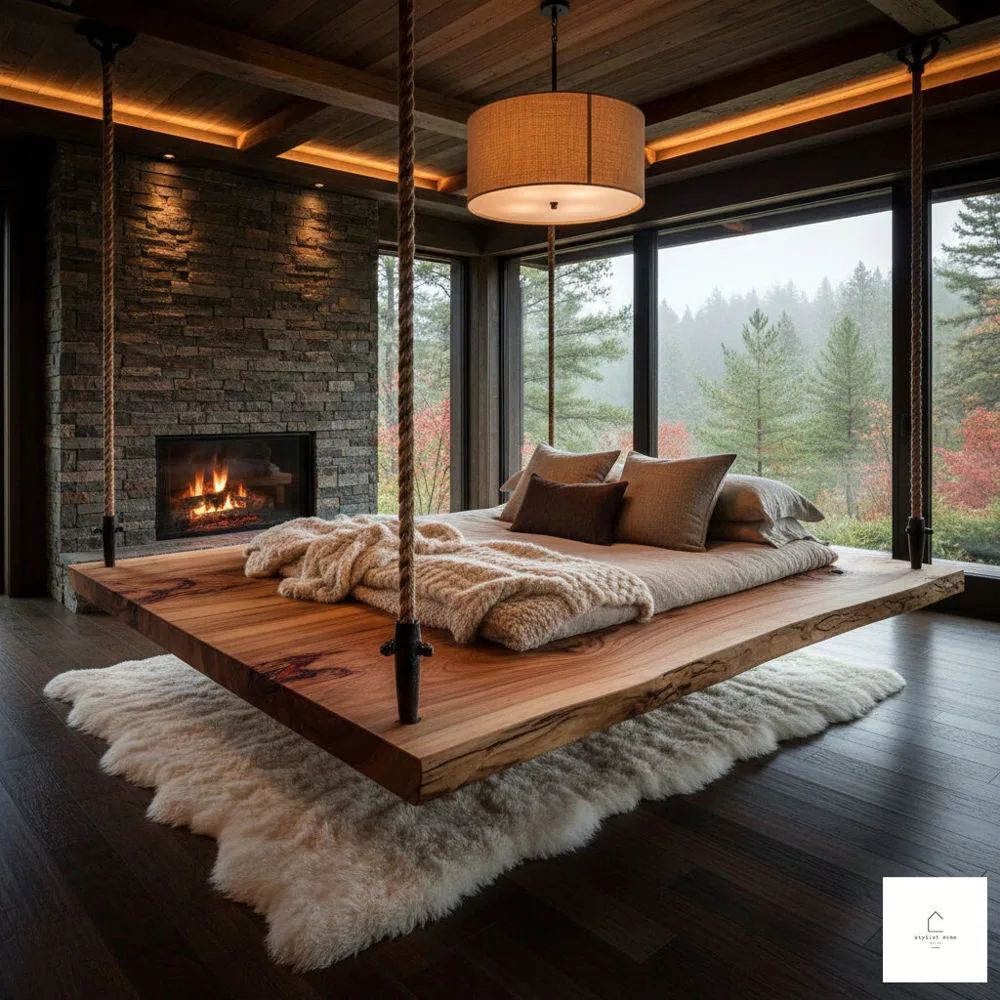
Maintaining a hanging wood slab bed requires attention to both the wood surface and the suspension system. Natural wood needs periodic treatment to preserve its appearance and structural integrity. Depending on the finish you’ve chosen, this might involve applying oil, wax, or polyurethane every six to twelve months.
Dust the wood regularly using a soft cloth to prevent buildup that can dull the finish. For deeper cleaning, use products specifically formulated for wood furniture, avoiding harsh chemicals that might damage the finish or dry out the wood fibers.
Monitor the wood for signs of splitting, cracking, or warping. Changes in humidity and temperature can cause wood to expand and contract, potentially creating structural issues over time. Maintaining consistent indoor humidity levels between 30 and 50 percent helps minimize these effects.
The suspension hardware needs regular attention as well. Lubricate moving parts like turnbuckles and carabiners annually to prevent seizing. Check cable tensions and adjust as needed to keep the bed level. Look for any signs of metal fatigue or corrosion, especially in humid climates where rust can develop on untreated steel components.
Cost Considerations and Investment Value
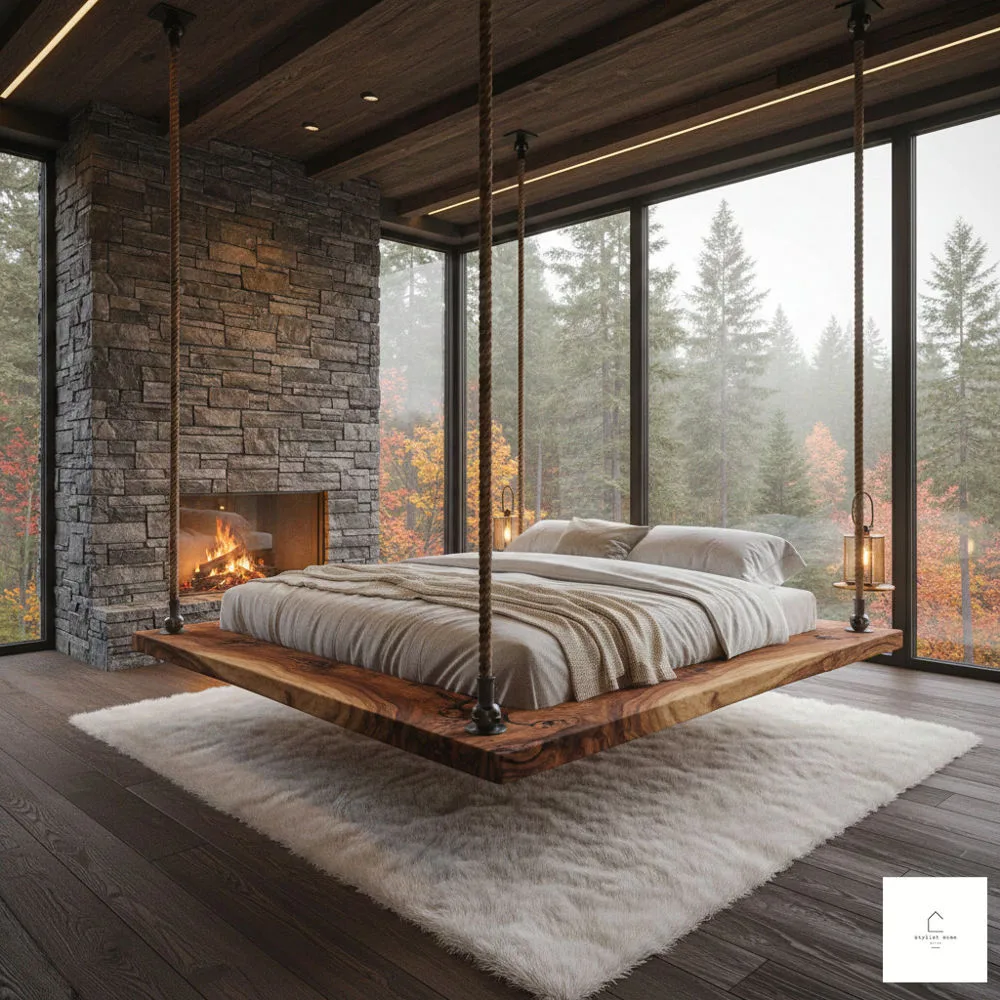
Investing in a hanging wood slab bed represents a significant financial commitment, whether you purchase a custom piece or build one yourself. Professional installations typically range from several thousand dollars to over ten thousand, depending on wood species, size, and design complexity.
The wood slab itself often constitutes the largest expense. Premium hardwoods with beautiful grain patterns and live edges command premium prices. A queen size walnut slab might cost between 800 and 2,000 dollars just for the raw material. Add hardware, professional installation, and finishing work, and costs escalate quickly.
DIY builders can reduce expenses substantially, potentially creating a hanging wood slab bed frame DIY project for under one thousand dollars if they source materials carefully and do all labor themselves. However, the value of professional expertise shouldn’t be underestimated, especially regarding structural safety.
Consider this purchase an investment in both aesthetics and quality of life. A well built hanging wood slab bed can last for generations with proper care, making the cost per year of ownership very reasonable. The unique design also adds character to your home that mass produced furniture simply cannot match.
Environmental and Sustainability Aspects
Choosing a hanging wood slab bed can align with environmental values when approached thoughtfully. Reclaimed wood from demolished buildings, old barns, or fallen trees reduces demand for newly harvested timber while adding historical character to your bedroom.
Look for wood certified by the Forest Stewardship Council or similar organizations that verify sustainable forestry practices. These certifications ensure that your furniture doesn’t contribute to deforestation or habitat destruction.
Local sourcing reduces the carbon footprint associated with transportation. Many regions have sawmills and woodworkers who can provide locally harvested timber that supports your community’s economy while minimizing environmental impact.
The longevity of a well built wood slab bed also contributes to sustainability. Furniture designed to last decades reduces the cycle of consumption and disposal that characterizes much of today’s furniture industry. When properly maintained, your hanging bed could serve multiple generations, becoming a treasured heirloom.
The Perfect Marriage of Form and Function
A hanging wood slab bed represents more than just a place to sleep. It embodies a philosophy that everyday objects should be beautiful, functional, and meaningful. The natural variations in wood grain mean that no two beds are exactly alike, giving you a truly one of a kind piece that reflects your personal taste and values.
The floating design creates a sense of lightness and space that traditional furniture cannot achieve. This openness promotes better energy flow in the room, aligns with feng shui principles for some homeowners, and simply feels more modern and fresh than conventional bedroom arrangements.
For those who appreciate craftsmanship, a hanging wood slab bed showcases the marriage of traditional woodworking skills with contemporary design sensibilities. The joinery, finish work, and overall execution reveal the maker’s expertise and attention to detail in ways that resonate with anyone who values quality.
Transforming Your Bedroom Into a Personal Sanctuary
Your bedroom should be a retreat from the stresses of daily life, and the furniture you choose plays a significant role in creating that atmosphere. A hanging wood slab bed brings warmth, texture, and visual interest that helps establish the calming environment essential for rest and rejuvenation.
The natural wood tones can be enhanced with complementary décor choices. Soft textiles, ambient lighting, and carefully selected accessories create layers of comfort and style around your floating centerpiece. The bed becomes an anchor point around which the entire room’s design can revolve.
Consider how different lighting conditions affect your bed’s appearance throughout the day. Morning sunlight might highlight the wood’s golden tones, while evening lamplight could emphasize deeper shadows in the grain patterns. This changing character keeps the piece visually interesting and engaging year after year.
Bringing Timeless Elegance Home With Your Hanging Wood Slab Bed
Creating a bedroom centered around a hanging wood slab bed represents a commitment to design excellence and quality craftsmanship. Whether you choose to work with professional furniture makers or tackle a hanging wood slab bed frame DIY project yourself, the result will be a stunning piece that transforms your sleeping space into something extraordinary.
The combination of natural materials, innovative engineering, and thoughtful design produces furniture that transcends trends and remains relevant for decades. As you drift off to sleep each night on your floating sanctuary, you’ll appreciate the unique blend of comfort, beauty, and craftsmanship that only a hanging wood slab bed can provide.
This investment in your home and wellbeing creates value that extends far beyond the financial. It demonstrates a commitment to quality, sustainability, and personal style that reflects who you are and how you want to live. The hanging wood slab bed isn’t just furniture; it’s a statement about what matters to you and a daily reminder that even functional objects can be works of art.