
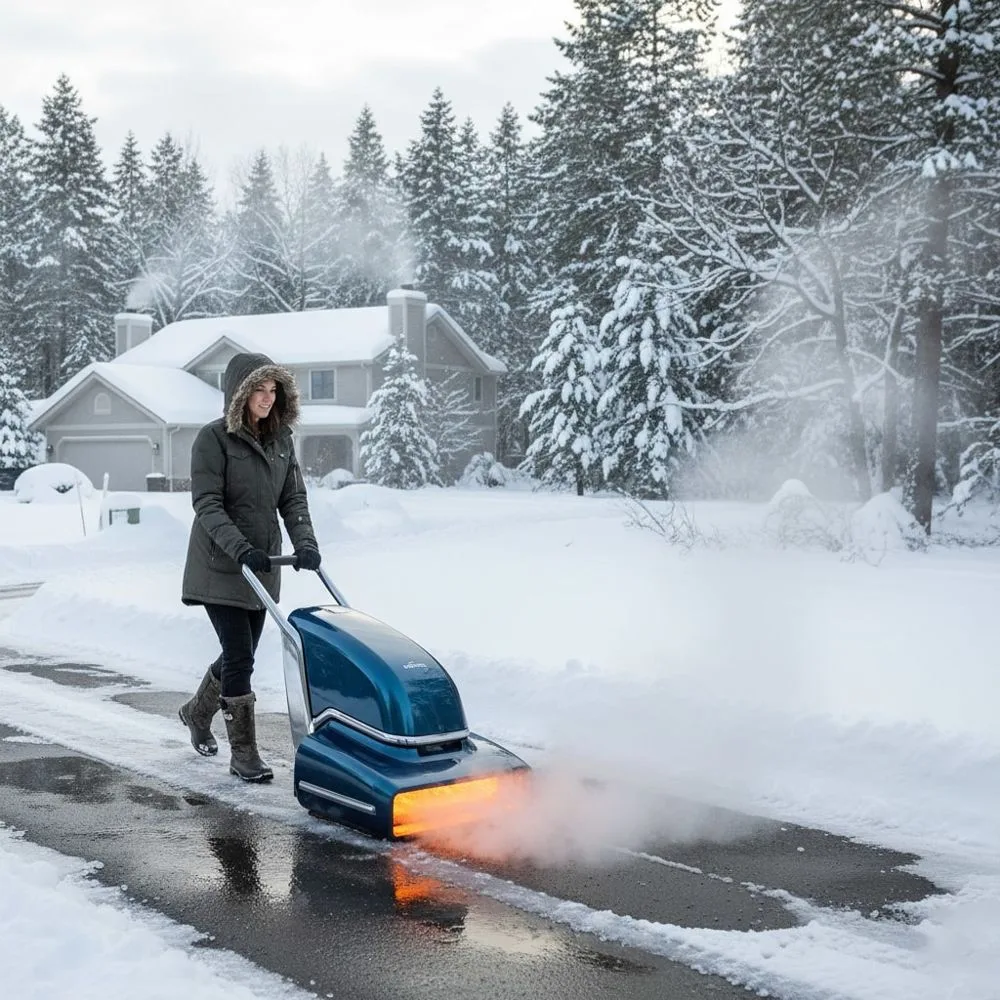
Winter arrives with its beautiful blanket of snow, but for homeowners and property managers, that beauty quickly transforms into a challenging task. Operating traditional snow removal equipment in freezing temperatures can be uncomfortable and sometimes dangerous. This is where the innovation of the heated snowblower comes into play, transforming how we approach winter maintenance.
The concept behind heated snowblowing technology extends beyond simple comfort. These machines incorporate heating elements in strategic locations to improve operator comfort, prevent mechanical issues caused by extreme cold, and ensure reliable performance when you need it most. Whether you manage a large commercial property or maintain your residential driveway, understanding how heat technology integrates with snow removal equipment helps you make informed purchasing decisions.
Modern heated models feature heated handgrips that keep your hands warm during extended use, preventing numbness and maintaining dexterity for safe operation. Some advanced units include engine warming systems that facilitate easier starting in subzero temperatures, reducing wear on internal components. The integration of heat elements represents a significant advancement in snow removal technology, addressing long standing complaints about cold weather equipment operation.
The Science Behind Heated Handle Technology
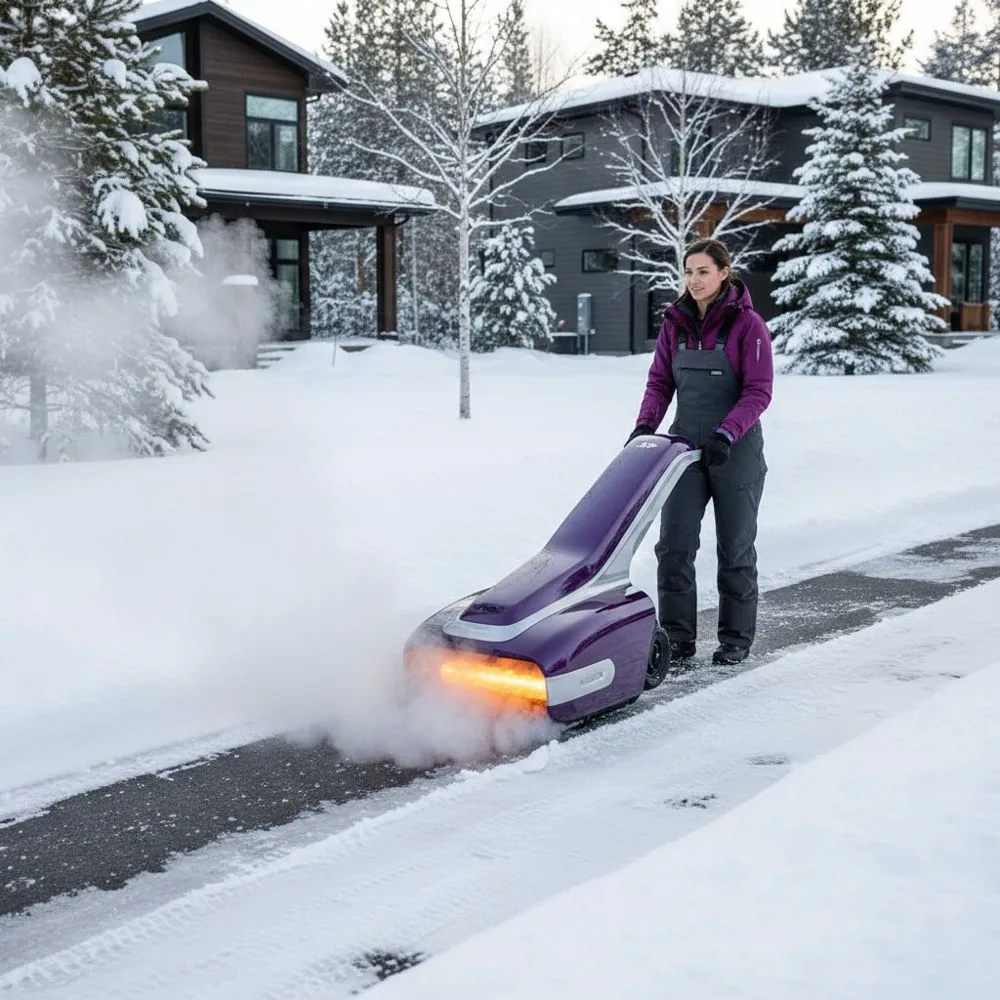
The most common application of heat in snowblowers focuses on the handle system. Heated handgrips work similarly to those found on motorcycles and ATVs, using electrical resistance to generate warmth. Small heating elements embedded within the grip material draw power from the engine’s electrical system, typically producing temperatures between 90 and 110 degrees Fahrenheit.
This temperature range provides sufficient warmth to prevent cold related discomfort without becoming uncomfortably hot. Quality systems include variable heat settings, allowing operators to adjust warmth levels based on ambient temperature and personal preference. During moderately cold conditions around 30 degrees, you might use a lower setting. When temperatures plummet below zero, maximum heat becomes necessary for comfortable operation.
The electrical draw from heated grips remains minimal, typically consuming between 30 and 60 watts total. This modest power requirement means the heating system operates without significantly impacting engine performance or fuel consumption. Most modern snowblowers generate sufficient electrical output to support heated grips along with standard lighting systems without battery drain concerns.
Installation quality matters significantly for heated grip performance. Premium factory installed systems integrate seamlessly with the machine’s electrical architecture, featuring proper insulation, weather sealed connections, and reliable switches. Aftermarket heated grip kits offer retrofit options for existing equipment, though installation complexity varies depending on your snowblower’s electrical system configuration.
Engine Warming Systems for Cold Weather Performance
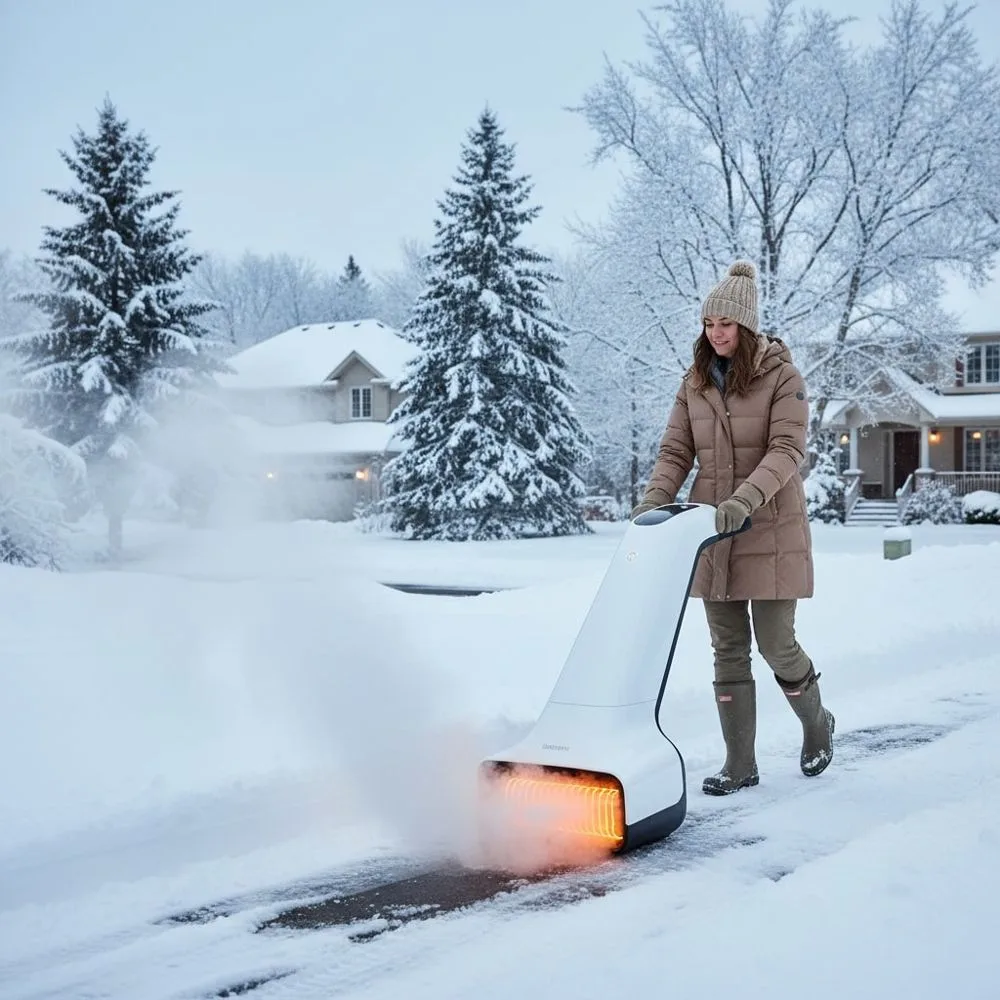
Beyond operator comfort, some premium snowblowers incorporate engine heating technology that addresses cold starting challenges. These systems typically take two forms: block heaters and carburetor heaters. Block heaters warm the engine block and oil, while carburetor heaters prevent fuel delivery problems caused by ice formation.
Cold temperatures dramatically affect engine starting reliability. Oil thickens, reducing its ability to lubricate moving parts during startup. Fuel atomization decreases, making combustion less efficient. Battery output drops, providing less cranking power. A heated engine overcomes these challenges, starting reliably even when stored in unheated garages or outdoor sheds.
Block heater systems for snowblowers typically plug into standard household outlets. You connect the heater several hours before planned use, allowing gradual warming of critical engine components. This preheating reduces mechanical stress during cold starts, potentially extending engine life. Many commercial operators consider block heaters essential equipment for maintaining large snowblower fleets.
Carburetor heating addresses a different cold weather problem. When temperatures drop below freezing, moisture in fuel can freeze within the carburetor, blocking fuel passages. Some snowblowers feature heated carburetor designs that use engine heat or electrical elements to maintain temperatures above freezing. This technology proves particularly valuable in extremely cold climates where temperatures regularly reach negative double digits.
Choosing the Right Heat Snowblower for Your Needs
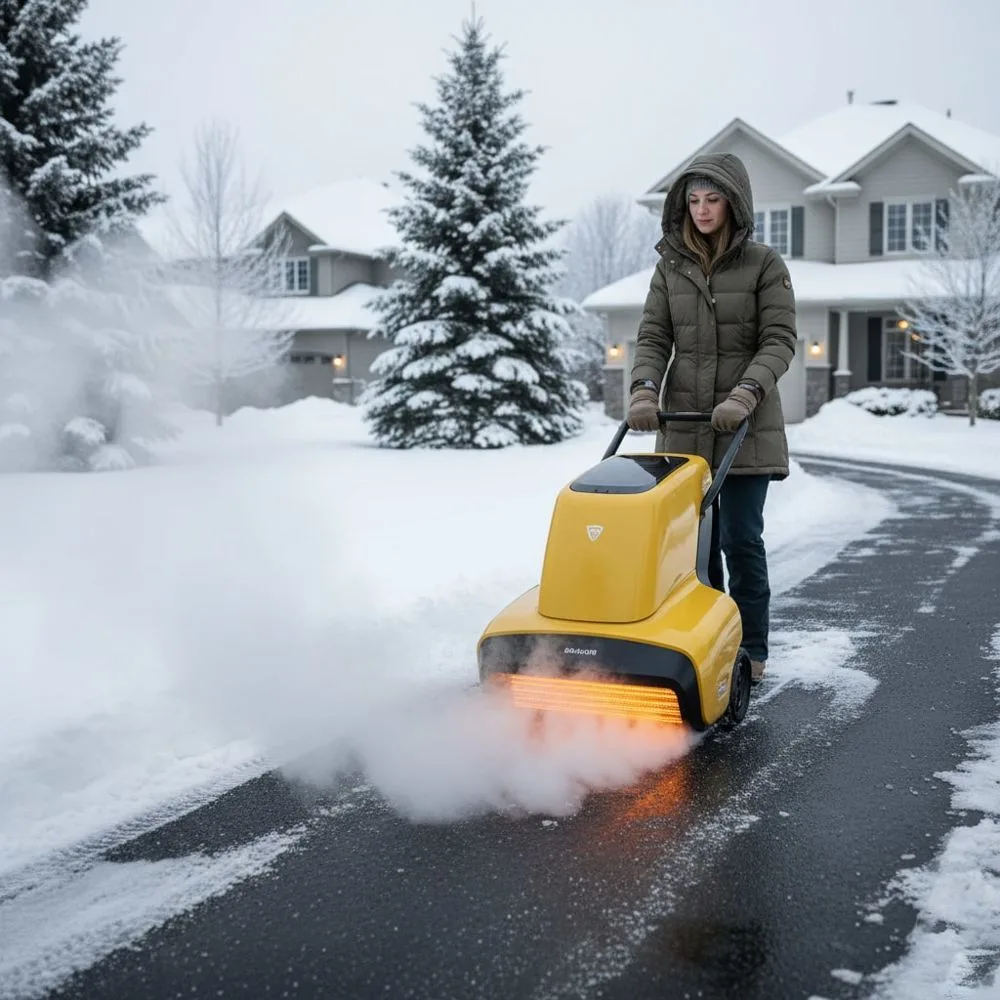
Selecting equipment with appropriate heating features requires evaluating your specific circumstances. Consider your local climate, property size, frequency of use, and personal cold tolerance. Someone clearing a small suburban driveway twice per winter has different needs than a professional snow removal contractor operating equipment daily throughout the season.
For residential users in moderate climates where temperatures rarely drop below 20 degrees, basic heated handgrips might suffice. These provide comfort during occasional use without adding significant cost. Look for models with at least two heat settings for versatility. Single stage electric snowblowers increasingly offer heated grip options, combining the convenience of electric power with cold weather comfort.
Property owners in severe winter climates should consider machines with comprehensive heating features. Two stage or three stage gas powered units with heated grips, electric start, and optional block heaters deliver maximum reliability. These features transform snow clearing from a dreaded chore into a manageable task, even during the worst winter storms.
Commercial operators and municipalities require heavy duty equipment with industrial grade heating systems. Commercial grade snowblowers feature reinforced heated grips designed for extended daily use, powerful engines with factory installed heating options, and electrical systems capable of supporting multiple accessories. The investment in premium heating features pays dividends through increased operator productivity and reduced equipment downtime.
Installation and Maintenance of Heated Components
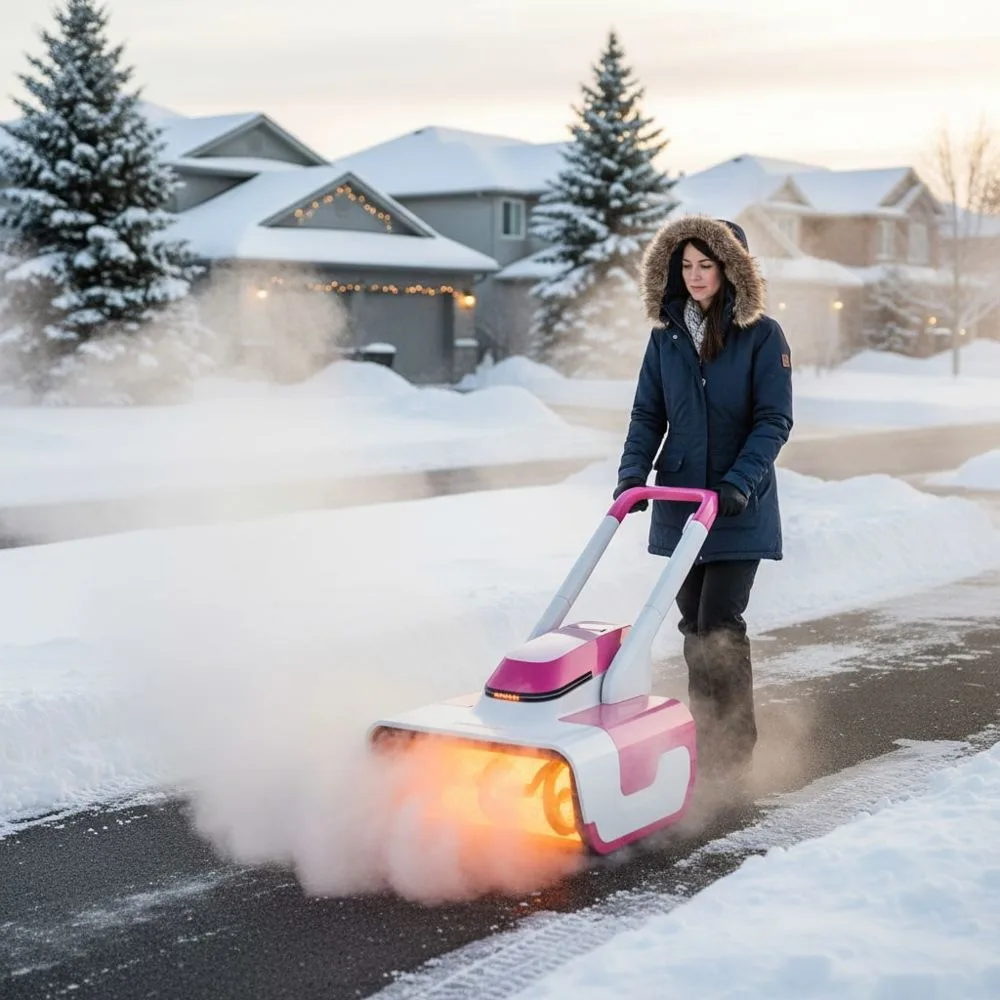
Proper maintenance ensures your heated snowblower components function reliably season after season. Heated grips require minimal maintenance but benefit from regular inspection. Before each winter season, examine grip surfaces for cracks, tears, or exposed heating elements. Damaged grips should be replaced immediately, as moisture infiltration can cause electrical shorts or complete failure.
Check electrical connections annually, ensuring terminals remain clean and tight. Corrosion on electrical connections reduces heating efficiency and can lead to intermittent operation. Apply dielectric grease to exposed terminals to prevent moisture related corrosion. Test heating function before the first significant snowfall, verifying all heat settings work properly and switches operate smoothly.
Block heaters require simple but important maintenance procedures. Inspect the power cord for damage, paying special attention to areas near the plug and where the cord enters the heater. Cold temperatures make cord insulation brittle, increasing vulnerability to cracking. Replace damaged cords immediately to prevent electrical shock hazards. Store cords properly during offseason months, avoiding sharp bends that can damage internal conductors.
Engine heating systems benefit from annual professional inspection as part of comprehensive snowblower servicing. Technicians verify heating element condition, test thermostat operation, and ensure proper electrical system function. This preventive maintenance identifies potential problems before they cause cold weather starting failures when you need your equipment most.
Comparing Heated Features Across Different Snowblower Types
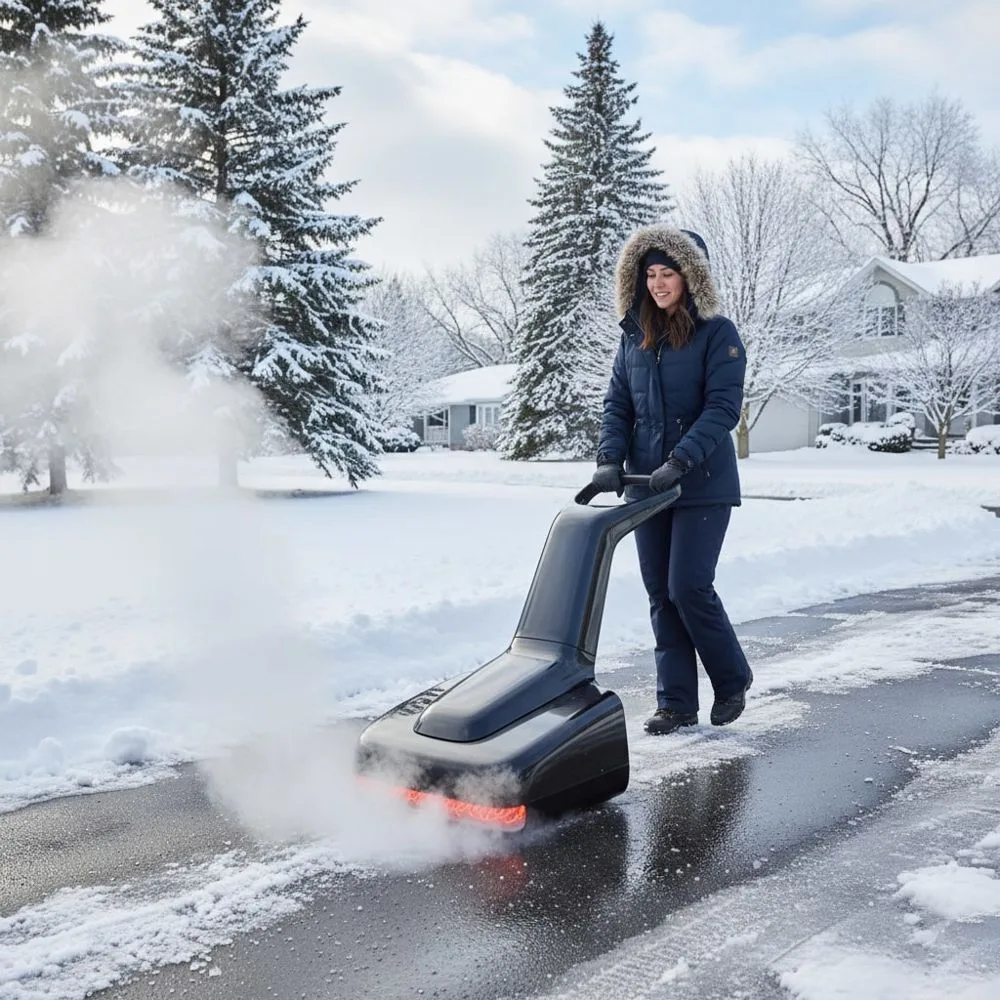
Single stage electric snowblowers represent the entry level for heated equipment. These compact machines suit small driveways and walkways, typically moving snow up to 8 inches deep. Electric models with heated grips combine quiet operation, zero emissions, and cold weather comfort at affordable prices. However, their limited power and corded operation restrict use to smaller properties near electrical outlets.
Two stage gas snowblowers dominate the residential market, offering excellent versatility. Many mid range and premium two stage models include heated grips as standard or optional features. These machines handle deeper snow and larger areas than single stage units, making them ideal for typical suburban properties. Gas power provides unlimited runtime, while heated grips ensure comfortable operation during extended clearing sessions.
Three stage snowblowers represent the premium residential and light commercial category. These powerful machines feature accelerators that break up heavy, compacted snow before the auger and impeller stages process it. Premium three stage models typically include comprehensive heating features: heated grips, electric start, and provisions for block heater installation. The combination of maximum clearing power and cold weather comfort features makes these machines favorites among serious snow removal enthusiasts.
Commercial grade equipment takes heating features to professional levels. Track driven commercial snowblowers may include heated operator platforms, enclosed cabs with climate control, and robust electrical systems supporting multiple heated accessories. These features enable comfortable operation during long shifts in extreme conditions, reducing operator fatigue and increasing productivity.
Energy Efficiency and Operating Costs
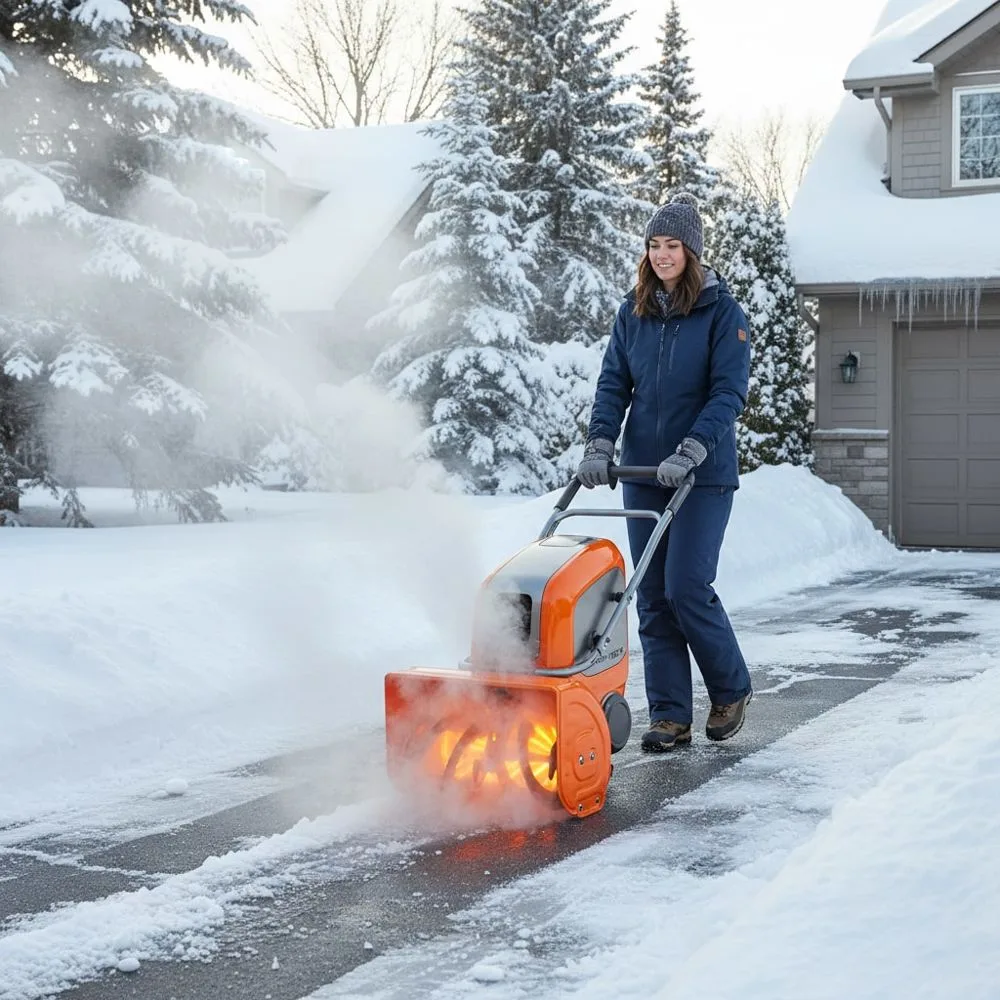
Many potential buyers wonder about the operating costs associated with heated features. The good news is that heating systems add minimal expense to snowblower operation. Heated grips draw between 30 and 60 watts, equivalent to running a small light bulb. During typical one hour snow clearing sessions, heated grips consume approximately 0.03 to 0.06 kilowatt hours of electricity, costing less than one penny.
Block heaters consume more energy due to their purpose: warming large metal masses over extended periods. A typical block heater draws 400 to 600 watts and requires 2 to 4 hours of preheating for optimal results. This translates to 0.8 to 2.4 kilowatt hours per use, costing approximately 10 to 30 cents depending on local electricity rates. While more substantial than grip heating costs, block heater operation remains quite economical, especially considering the mechanical protection and starting reliability benefits.
The electricity consumed by heating features pales in comparison to fuel costs for gas powered snowblowers. A typical two stage gas snowblower consumes 0.5 to 1 gallon of fuel per hour during operation. At current fuel prices, an hour of snow clearing costs between 2 and 4 dollars in fuel alone. The minimal cost of heating features represents excellent value for the comfort and reliability improvements they provide.
Some operators question whether heated grips drain batteries or reduce engine performance. Quality systems designed specifically for snowblower applications integrate properly with engine electrical output. Snowblower engines typically generate 100 to 300 watts of electrical power during operation, more than sufficient to support lights, heated grips, and other accessories while maintaining battery charge. Properly functioning charging systems easily accommodate heating loads without impacting performance.
Safety Considerations for Heated Equipment
Operating any powered equipment safely requires understanding potential hazards and following proper procedures. Heated snowblowers introduce specific safety considerations related to electrical systems and heating elements. Understanding these factors helps you operate equipment safely while maximizing the benefits of heating features.
Heated grip temperatures typically range from 90 to 110 degrees Fahrenheit, warm enough for comfort but not hot enough to cause burns during normal operation. However, malfunction or damage can cause overheating. Never operate equipment with damaged heating elements or frayed wiring. If grips become uncomfortably hot or you notice burning smells, shut down immediately and have the system inspected by qualified technicians.
Block heaters present different safety concerns. These devices plug into household electrical outlets and remain energized for hours while unattended. Always use block heaters with properly grounded outlets and ensure cords remain in good condition. Never use damaged extension cords or adapters that might create fire hazards. Position cords where they won’t be damaged by foot traffic or vehicle movements.
Water and electricity create dangerous combinations. While snowblowers operate in snowy conditions by nature, avoid submerging electrical components in water or slush. Park equipment on level surfaces when using block heaters, preventing melted snow from pooling around electrical connections. After snow clearing sessions, allow heated components to cool before covering equipment or storing it in enclosed spaces.
Standard snowblower safety practices remain essential regardless of heating features. Maintain safe distances from rotating augers and impellers, never clear jams with the engine running, and operate equipment only when alert and physically capable. Heated grips improve comfort and reduce cold related numbness that might impair dexterity, actually enhancing safety when used properly.
Future Innovations in Snowblower Heating Technology
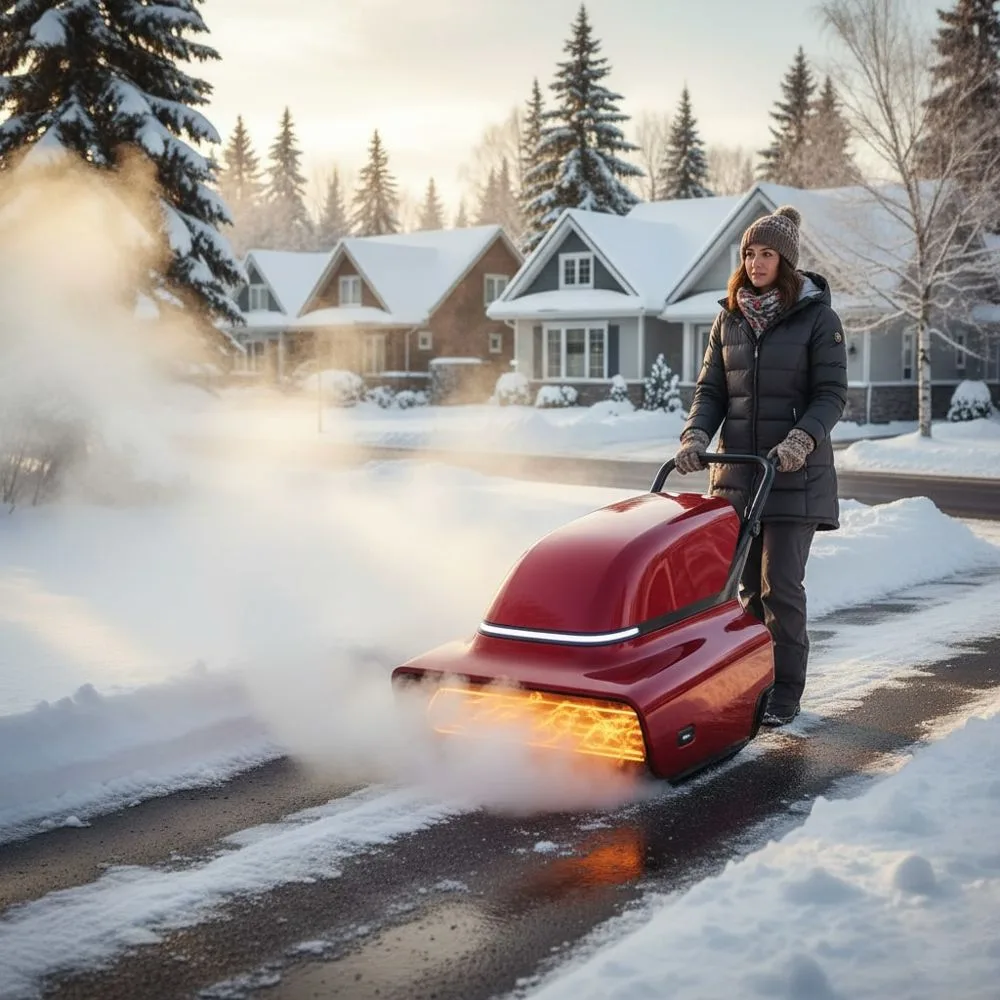
The snow removal equipment industry continues evolving, with heating technology advancing alongside other innovations. Battery powered snowblowers represent one emerging technology category where heating features present interesting challenges and opportunities. Battery systems must carefully manage power distribution between motors, lights, and heating elements to maximize runtime.
Some manufacturers experiment with seat heating for ride on snowblowers, borrowing technology from automotive applications. Heated seats would provide additional comfort during extended commercial operations, potentially reducing operator fatigue during long shifts. The feature remains uncommon currently but might become standard on premium commercial equipment.
Smart heating controls represent another innovation area. Instead of simple on/off switches or basic variable controls, future systems might automatically adjust heat output based on ambient temperature sensors. These systems would optimize comfort while minimizing electrical consumption, extending battery runtime on cordless models or reducing fuel consumption on gas powered units.
Material science advances may improve heating element durability and efficiency. Current heating elements typically use resistive wires embedded in rubber or foam grips. Newer materials like carbon fiber heating elements or conductive polymers might offer improved performance, faster warmup times, and enhanced durability. These technologies already appear in premium gloves and clothing, suggesting eventual migration to power equipment applications.
Making Your Investment Worthwhile
Purchasing a heat equipped snowblower represents a significant investment in winter property maintenance. Maximizing the value of this investment requires proper selection, diligent maintenance, and safe operation practices. Consider heating features as long term comfort and reliability enhancements that improve your snow clearing experience season after season.
Budget appropriately for quality equipment. While heated grips add modestly to purchase prices, typically 50 to 200 dollars depending on implementation quality, they deliver value far exceeding their cost through improved comfort and safer operation. Cheap aftermarket heating kits might save money initially but often fail prematurely or integrate poorly with equipment electrical systems.
Factor heating features into your total cost of ownership calculations. Equipment that starts reliably in extreme cold requires less maintenance and experiences reduced mechanical wear. Comfortable operators work more efficiently and safely, completing snow removal tasks faster with less fatigue. These practical benefits justify modest premium prices for properly implemented heating systems.
Wrapping Up Your Winter Comfort Solution
Investing in a heated snowblower transforms winter snow removal from an uncomfortable ordeal into a manageable task. Modern heating technology addresses the primary complaints about cold weather equipment operation through heated handgrips that eliminate frozen fingers, engine warming systems that ensure reliable starting, and electrical systems designed to support comfort features without compromising performance.
Whether you clear a modest residential driveway occasionally or operate commercial snow removal equipment professionally, heated features deliver measurable benefits. The modest additional cost for these technologies pays dividends through increased comfort, enhanced safety, improved reliability, and reduced operator fatigue. As winter storms approach, you will appreciate the foresight of choosing equipment designed for comfortable operation in the harshest conditions.
Consider your specific needs carefully when selecting snow removal equipment. Evaluate your climate, property size, frequency of use, and personal priorities to identify the optimal combination of clearing power and heating features. Quality heated snowblowers represent wise investments that make winter property maintenance less demanding while ensuring your equipment performs reliably when you need it most.