
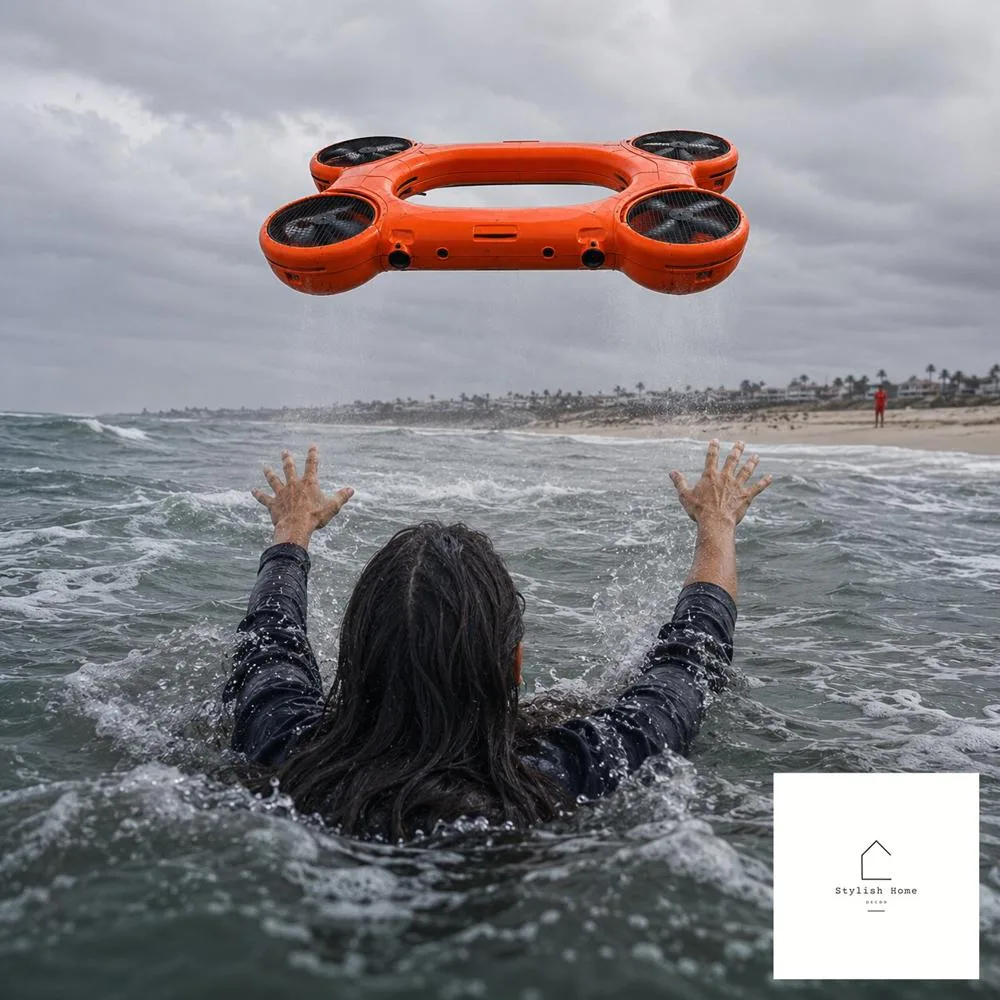
There is a moment in every water emergency that feels suspended in time. A swimmer caught in a rip current. A child disappearing beneath a wave. A flood victim clinging to wreckage in the dark. In those seconds — those agonizing, irreversible seconds — the difference between a story with a happy ending and a tragedy is measured not in minutes, but in heartbeats.
Now, the sky is answering.
The life preserver drone has arrived, and it is not a gadget. It is not a novelty. It is a revolution born from desperation, engineered from necessity, and powered by one simple, profound truth: no human being should drown while technology capable of saving them sits idle on a shelf.
What Is a Life Preserver Drone — and Why Does It Matter Right Now?
A life preserver drone — also known as a life ring drone, life saver drone, life jacket drone, or life vest drone — is an unmanned aerial vehicle (UAV) specifically designed or adapted to deliver flotation devices to people in aquatic distress. These aren’t modified recreational drones. The most advanced models are purpose-built machines with waterproofing, thermal imaging, payload release mechanisms, and intelligent flight systems that allow them to reach a drowning victim in seconds.
According to the World Health Organization, drowning is the third leading cause of unintentional injury death worldwide, accounting for an estimated 236,000 deaths annually. Many of those deaths are preventable. Many happen within sight of shore, within view of a lifeguard who simply could not move fast enough. That is the wound this technology was created to heal.
The underwater and water rescue drone market has grown from $4.4 billion in 2023 to $5.6 billion in 2025 — a staggering leap that reflects not just commercial interest, but genuine, life-or-death urgency.
The Seconds That Change Everything: Real Stories of Life Preserver Drones in Action
A 14-Year-Old Boy and a Drone That Would Not Quit
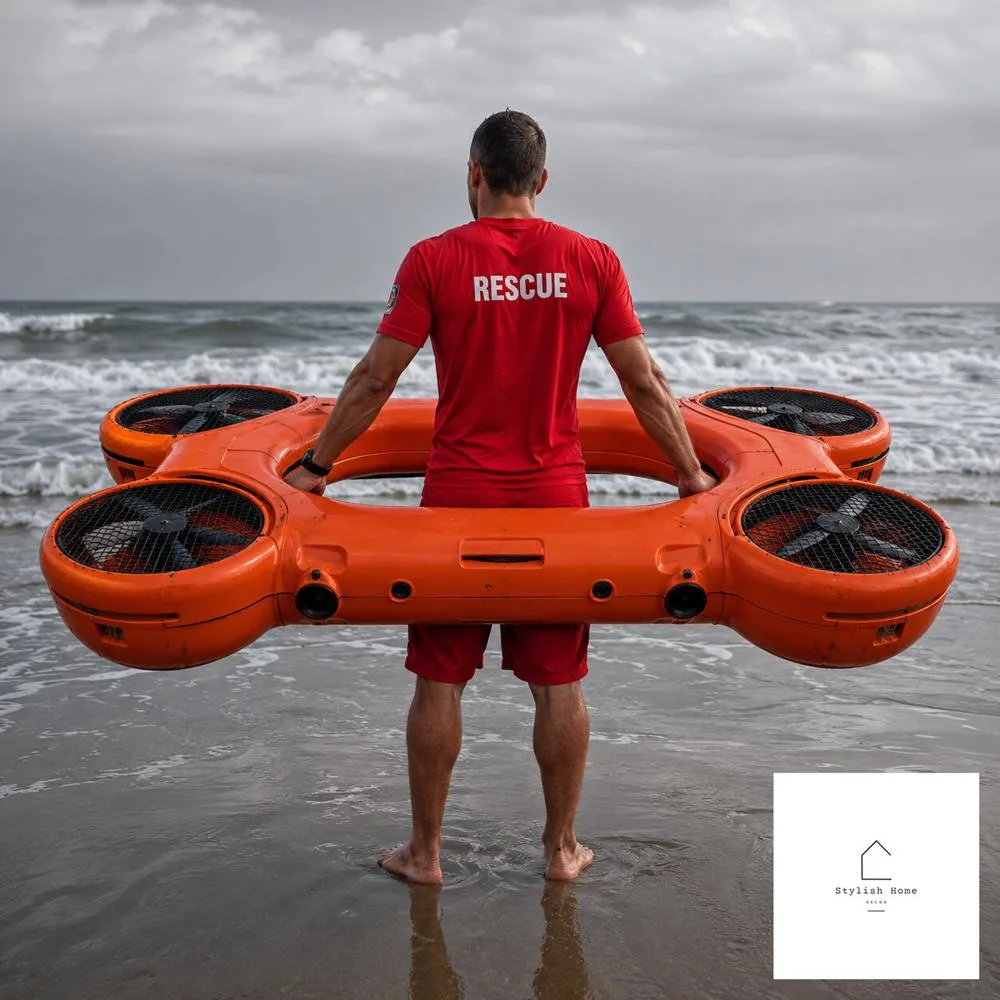
The story that changed the conversation happened on a Spanish beach in Valencia. When a 14-year-old boy was in danger of drowning off the Spanish shores of Valencia, within seconds of spotting trouble, lifeguards used walkie-talkies to notify trained drone pilots to fly a drone over to the child. The drone battled crosswinds and hovered a few feet over the boy, dropping an auto-inflating life vest.
He survived. He walked out of a hospital 24 hours later. A life preserver drone did what no human could have done in time.
The drone lifeguard service operating on Spanish beaches now has more than 30 pilots and drones working with lifeguards at 22 beaches across Spain, providing rapid reaction support in the critical moments of a potential drowning before lifeguards can physically reach the scene.
A Fisherman, a Drone, and a Teenager in Florida
Sometimes the life saver drone doesn’t arrive with a logo on it. Amateur shark fisherman Andrew Smith was at Pensacola Beach when within 10 minutes of arriving, the scene went from a casual afternoon by the water to a full-fledged emergency. He attached a life preserver to the drone he had brought with him, and began piloting it out towards a drowning girl.
Improvised. Imperfect. Extraordinary. The will to act, combined with the technology in hand, saved her life.
Spain’s Coast: A Life Ring Drone Drops a Lifeline
A visitor was washed out to sea off the coast of Valencia, Spain, in August 2023. Lifeguards could hardly get to her in time due to strong currents. An inflatable life preserver was dropped by a specially outfitted water rescue drone that flew straight over the stranded swimmer in a matter of minutes. Rescuers arrived by boat and safely brought her to land.
Three stories. Three lives. One recurring hero — the aerial life preserver.
How a Life Jacket Drone Actually Works
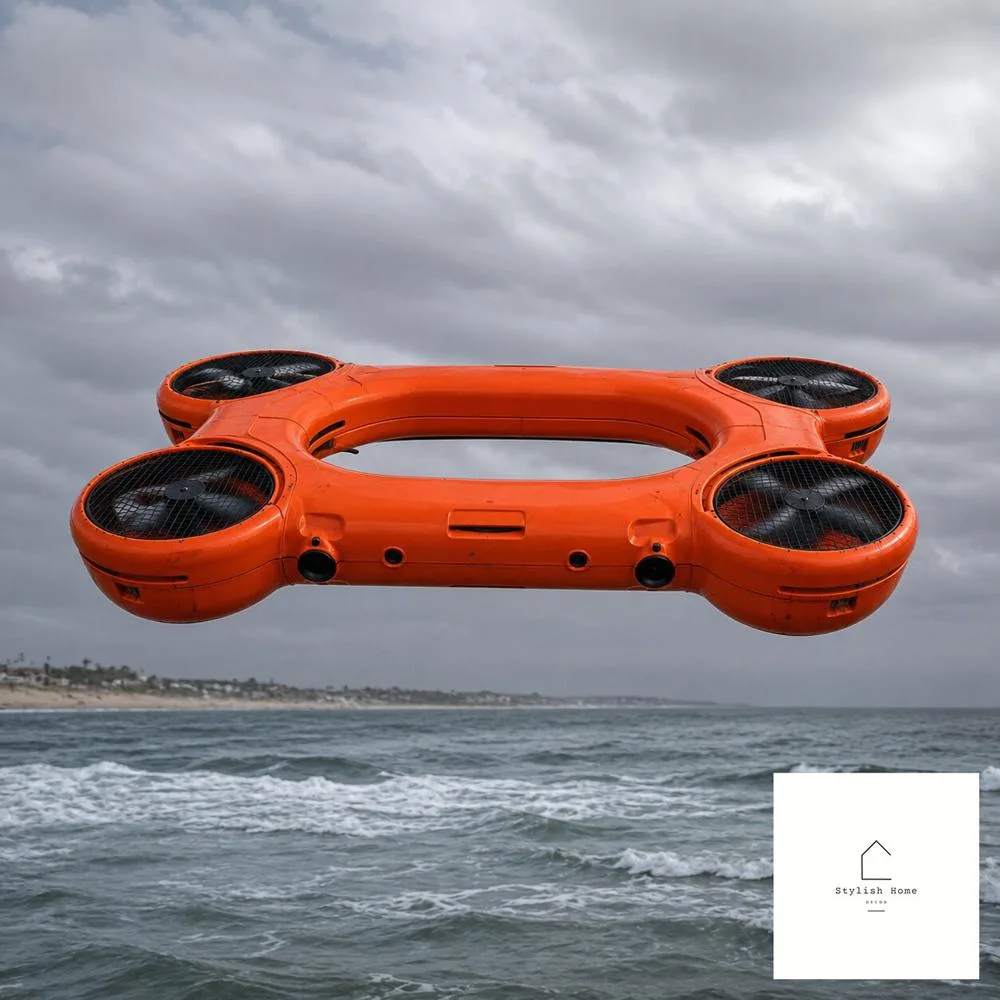
Understanding the mechanics of a life jacket drone or life vest drone is essential, because the technology is both more sophisticated and more elegant than most people realize.
Flight and Detection
Equipped with high-resolution cameras and thermal imaging, drones can swiftly locate individuals in distress — even in low-visibility conditions — and guide rescue boats or deliver essential supplies. This matters enormously at night, in fog, or in choppy water where a human head is nearly impossible to spot.
Speed Over the Water
Drones can reach distressed swimmers faster than traditional lifeguards, zooming over waves at impressive speeds. Unlike a lifeguard, who may have to navigate crowded beaches, drones can take a direct path, making them an indispensable part of modern rescue operations. Drones like the Flying Lifebuoy are designed to reach those in need at a top speed of 29 mph, effectively shortening response times and increasing the chances of a successful rescue.
The Payload That Saves
A key feature of rescue drones is their ability to carry and drop flotation devices. Their payload capacity is vital for carrying and deploying rescue equipment — they can usually carry items such as life buoys, making them ready for action in emergencies.
The most advanced life ring drones feature auto-deploying inflatable rings that expand on contact with water, removing the burden of coordination from a panicked victim who may already be semi-conscious.
Battery and Endurance
With long-lasting batteries, these drones can hover over the water for extended periods, usually up to 30 minutes or more. This is critical for monitoring beach areas and responding quickly to emergencies.
The Technology Behind the Revolution: Meet the Machines
The JX-6A Air-Water Dual-Role Rescue Drone
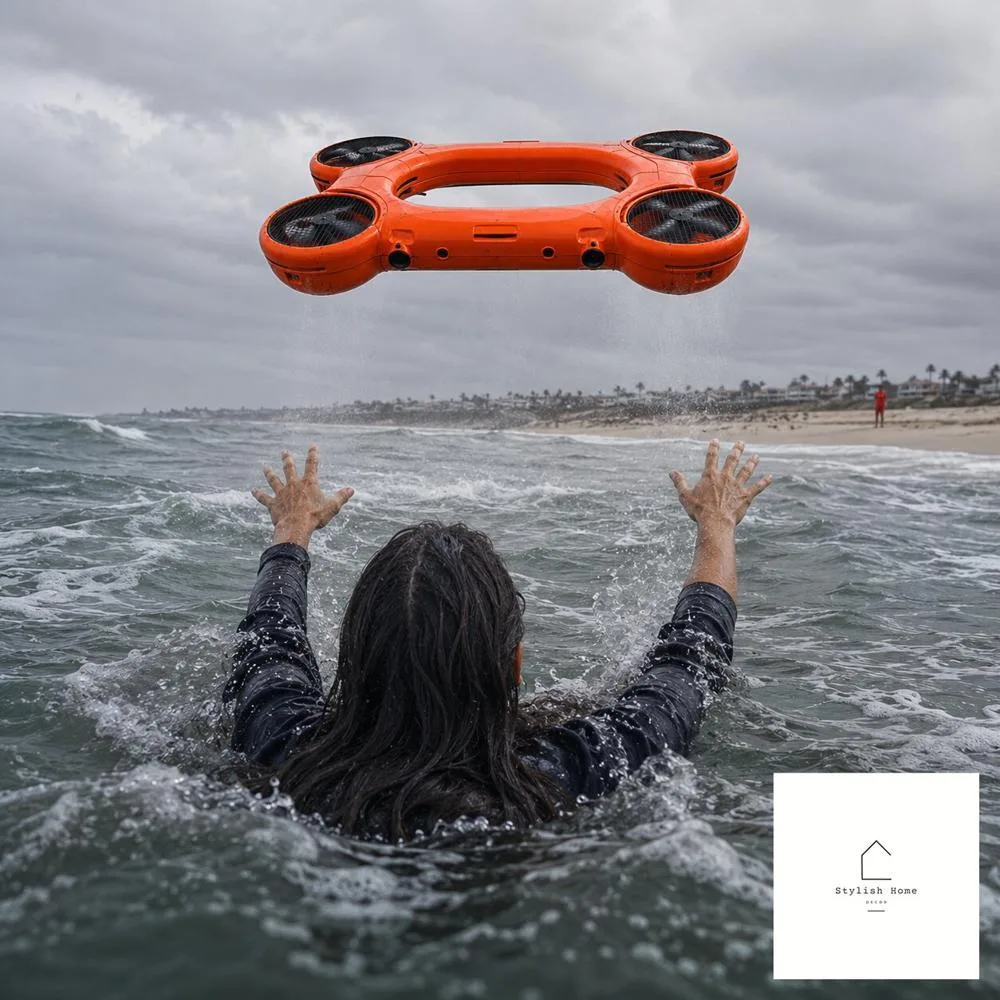
Among the most celebrated life saver drone platforms in the world today is the JX-6A. The JX-6A can be deployed within minutes, dramatically reducing the time needed to reach a victim during emergencies. With an IP68 waterproof rating, the JX-6A is built to operate in challenging aquatic environments.
Developed from technological achievements by China’s Emergency Management Agency for Firefighting Emergency and Rescue Equipment, this compact powerhouse delivers professional rescue capabilities in a package weighing less than 5 kg.
It isn’t just a drone. It’s a paradigm shift with propellers.
General Drones: The Company Behind Spain’s Beach Revolution
The technology deployed on those 22 Spanish beaches came from General Drones, a Spanish company founded by a former lifeguard. “Every second matters,” said Adrián Plazas Agudo, the chief executive of General Drones. “Our first response is in about five seconds. It’s very important to reduce the time.”
Five seconds. When a person is drowning, five seconds is an eternity of hope.
Who Is Using Life Preserver Drones Today?
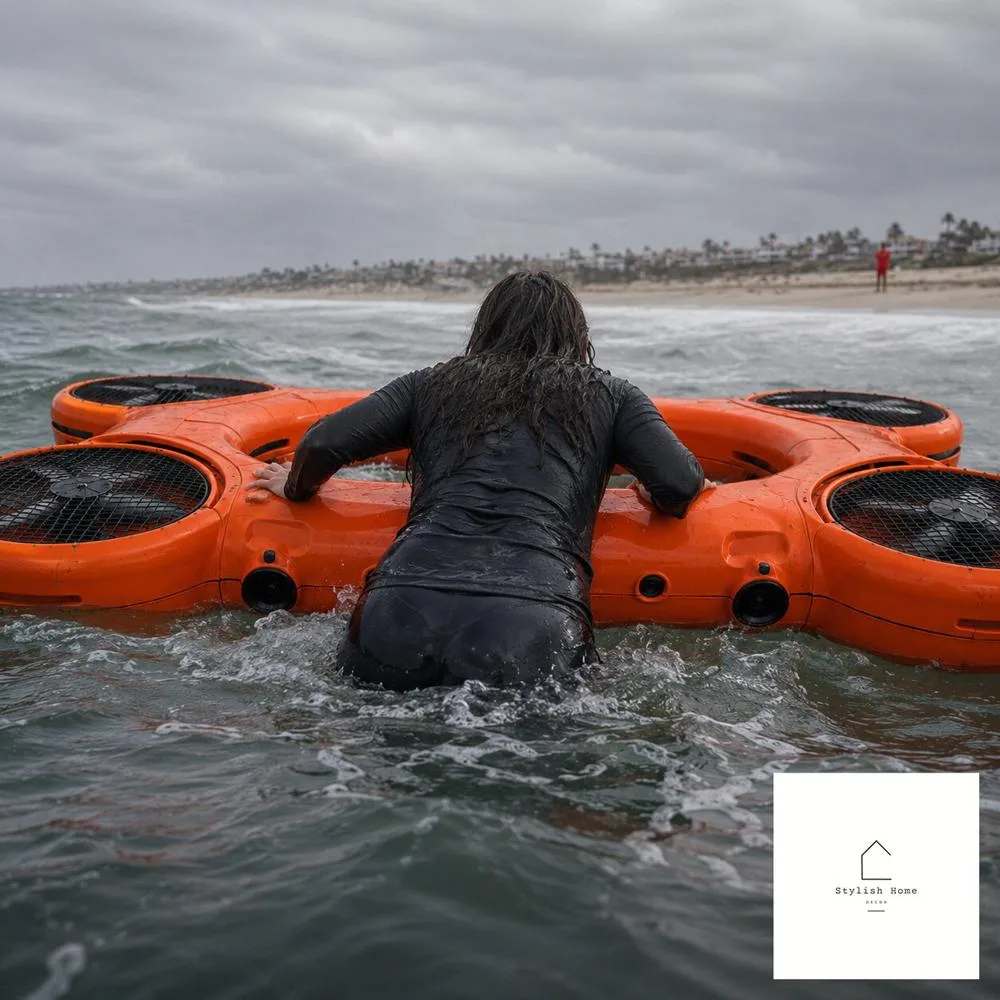
Lifeguard Services and Coast Guards
Coast guards, lifeguard squads, and maritime rescue groups are now using water rescue drones as their primary equipment. The integration is no longer experimental — it is operational, routine, and expanding.
Flood and Disaster Response Teams
Floods, overboard accidents, inland waterways and lakes, ship stranding and sinking accidents — in all of these scenarios, drone life buoys continue to transform and upgrade, and have now been demonstrated in numerous places with stable, reliable, rapid flight performance.
The life preserver drone is becoming as standard to disaster response as the helicopter — only cheaper, faster to deploy, and available without a runway.
Amateur and Community Rescuers
The Florida story proved something powerful: you don’t need to be a government agency to save a life with a drone. Ordinary people with consumer-grade UAVs and a moment of clear thinking are becoming accidental heroes. This is the democratization of rescue — and it is changing everything.
The Emotional Truth Behind the Technology
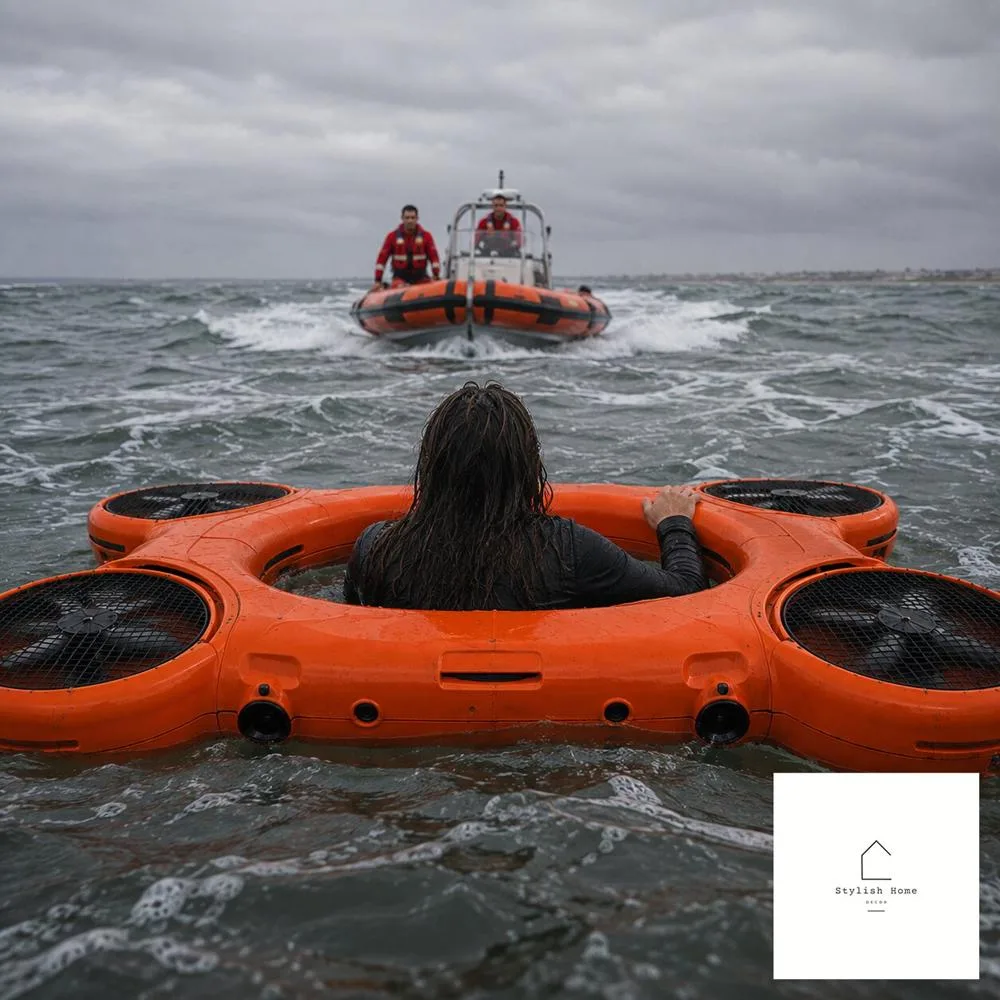
There is something deeply moving about a life ring drone. It represents a refusal to accept the tragic as inevitable. It is humanity’s best impulse — the need to reach out, to help, to not stand on a shoreline watching someone drown — given mechanical wings.
The use of drones for beach rescues has proven beneficial in reducing response times, thus helping to save lives. But the number that research cannot fully capture is the grief that didn’t happen. The families that stayed whole. The parents who got to hug their child again because a machine was faster than fate.
In 2018, a lifeguard drone in Australia delivered a flotation device to two swimmers who were caught in a rip current, saving their lives in less than two minutes. Two minutes. Less time than it takes to make a cup of coffee. That is what speed means in the water. That is why the life vest drone is not optional — it is urgent.
Challenges, Limitations, and the Road Ahead
No technology arrives without honest conversation about its constraints. In the United States, lifeguard drones are costly and less prevalent than in Europe, where regulatory frameworks and public funding have made broader deployment possible. Wind, rain, and visibility can all impact flight performance. Pilots require training. Regulations vary by country and coastline.
But these are problems of implementation, not of principle. The principle is clear: a life preserver drone saves lives. Every obstacle in its path is a solvable engineering problem, a trainable human skill, a policy waiting to be written.
Traditional boat deployment can take precious minutes. The life preserver drone can quickly reach the affected areas — and every year, the technology gets faster, lighter, smarter, and more affordable.
What the Future Looks Like from Above
Imagine every public beach, every lake, every flood-prone riverbank equipped with an autonomous life ring drone station. Artificial intelligence monitors the water in real time, identifies distress patterns, and deploys a life saver drone before a human operator has even registered that something is wrong. The drone arrives. A flotation device drops. A person breathes.
That future is not science fiction. Among the search and rescue drones for sale in 2024 and beyond, the integration of UAV and flotation device functionality makes aquatic rescue drones an ideal cutting-edge solution. The engineering exists. The will is growing. What remains is scale, investment, and the collective decision that no one should drown when a life jacket drone could have saved them.
When the Sky Becomes the Last Lifeline: Why Life Preserver Drones Are the Future of Water Safety
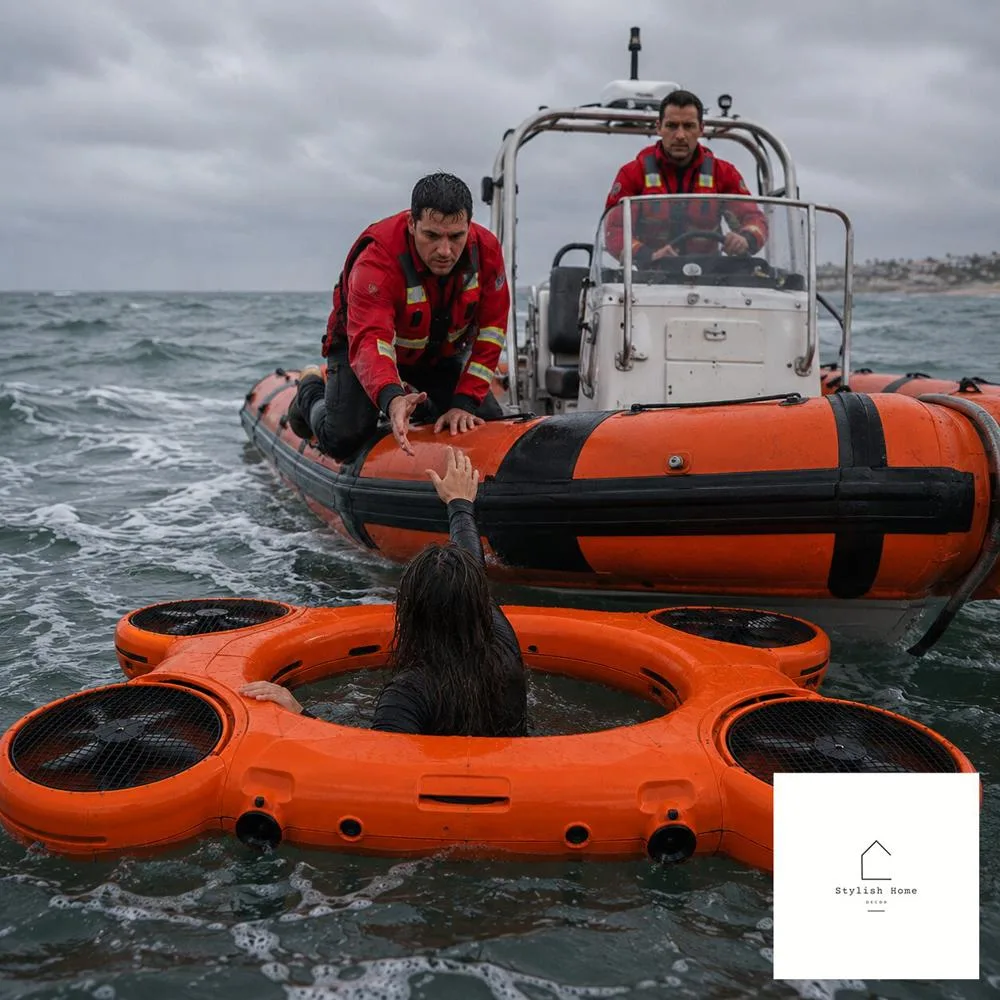
The ocean does not care how fast a human can run. Rip currents don’t pause for a lifeguard’s exhaustion. Floodwaters don’t wait for a rescue boat to launch. But a life preserver drone doesn’t tire. It doesn’t panic. It doesn’t have to swim.
It simply flies — straight to the person who needs it most — carrying a life ring, a life vest, a life jacket, and with it, a chance at one more morning, one more breath, one more chance to say the things that matter to the people who matter most.
The technology that once seemed futuristic is now saving lives on real beaches, in real floods, on real coastlines around the world. The only question left is how many more beaches, how many more rivers, how many more communities will join the revolution before they need it instead of after.
The sky is watching. And now, for the first time in history — the sky can help.
Have questions about life preserver drone technology? Explore innovations, research, and reviews at StylishhomeIdea.net.
Ready to see the future through a different lens?
What you just read is only a glimpse of what’s possible when imagination meets innovation. At StylishhomeIdea.net, we go beyond the ordinary — exploring the ideas, technologies, and designs that are quietly reshaping the world around us. Whether it’s cutting-edge concepts, AI-powered art, or inspired home décor that stops you in your tracks, Stylish Home Ideas is where curiosity finds its home. Come for the inspiration. Stay for the revolution.
Follow the movement:
- Facebook: facebook.com/stylishhome
- Instagram: @trendingartworks
- Pinterest: pinterest.com/trendingartworks