

The intersection of naval history and aquatic life creates one of the most captivating displays you can imagine in home aquariums. A naval ship aquarium brings together the majesty of seafaring vessels with the tranquil beauty of underwater ecosystems, offering enthusiasts a unique way to celebrate maritime heritage while providing an enriching environment for their fish.
Whether you’re a naval history buff, a dedicated aquarist, or someone who simply appreciates the aesthetic appeal of nautical themes, incorporating naval ship elements into your aquarium design opens up a world of creative possibilities. This comprehensive guide explores everything you need to know about creating and maintaining a stunning naval themed aquatic display that will become the centerpiece of any room.
Understanding the Naval Ship Aquarium Concept
A naval ship aquarium goes beyond simple decoration. It’s about creating an immersive underwater world that tells a story. The concept combines authentic looking naval vessels, from aircraft carriers to submarines, with living aquatic plants and fish to create a dynamic ecosystem that educates and entertains.
The beauty of this approach lies in its versatility. You can recreate historical naval battles, design a peaceful harbor scene, or even imagine a post apocalyptic underwater world where nature has reclaimed abandoned vessels. Each naval ship fish tank becomes a personal canvas for your creativity and passion for maritime themes.
Modern aquarium enthusiasts have discovered that naval themed setups offer practical benefits beyond aesthetics. The structures provide excellent hiding spots for shy fish species, create interesting water flow patterns, and offer vertical elements that maximize the use of aquarium space. These functional advantages make naval ship decorations both beautiful and beneficial for your aquatic inhabitants.
Planning Your Naval Ship Aquarium Project
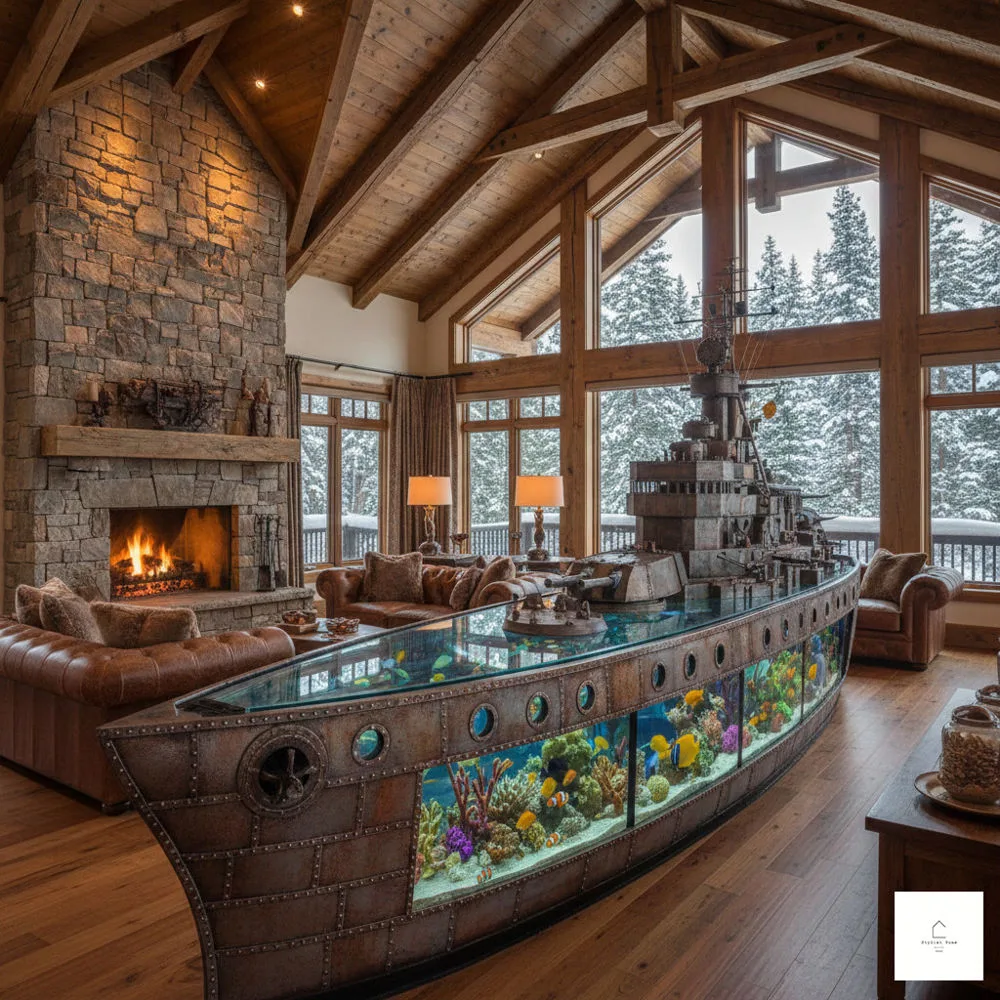
Every successful naval ship aquarium project begins with careful planning. The size of your tank will determine which types of naval vessels and how many elements you can incorporate without overcrowding. A larger tank naturally allows for more elaborate scenes, while smaller tanks benefit from focusing on a single striking centerpiece.
Consider the scale and proportion of your decorations relative to your fish. Oversized ornaments in a small tank can create a cramped environment, while tiny decorations in a massive aquarium may look lost and insignificant. The goal is to achieve visual balance that feels natural and provides adequate swimming space for your fish.
Research different naval vessels to decide which ones resonate with your vision. Aircraft carriers offer expansive deck surfaces perfect for fish to explore. Submarines create mysterious tunnel like structures. Destroyers and battleships provide multiple levels and hiding spots. Each vessel type brings its own character and functionality to your underwater landscape.
Budget considerations play an important role in any naval ship aquarium project. High quality resin decorations cost more but offer superior detail and durability. You might also explore DIY options using aquarium safe materials, though this requires more time and skill. Determine your budget early to guide your purchasing decisions and prevent overspending.
Selecting the Perfect Naval Ship Aquarium Decoration
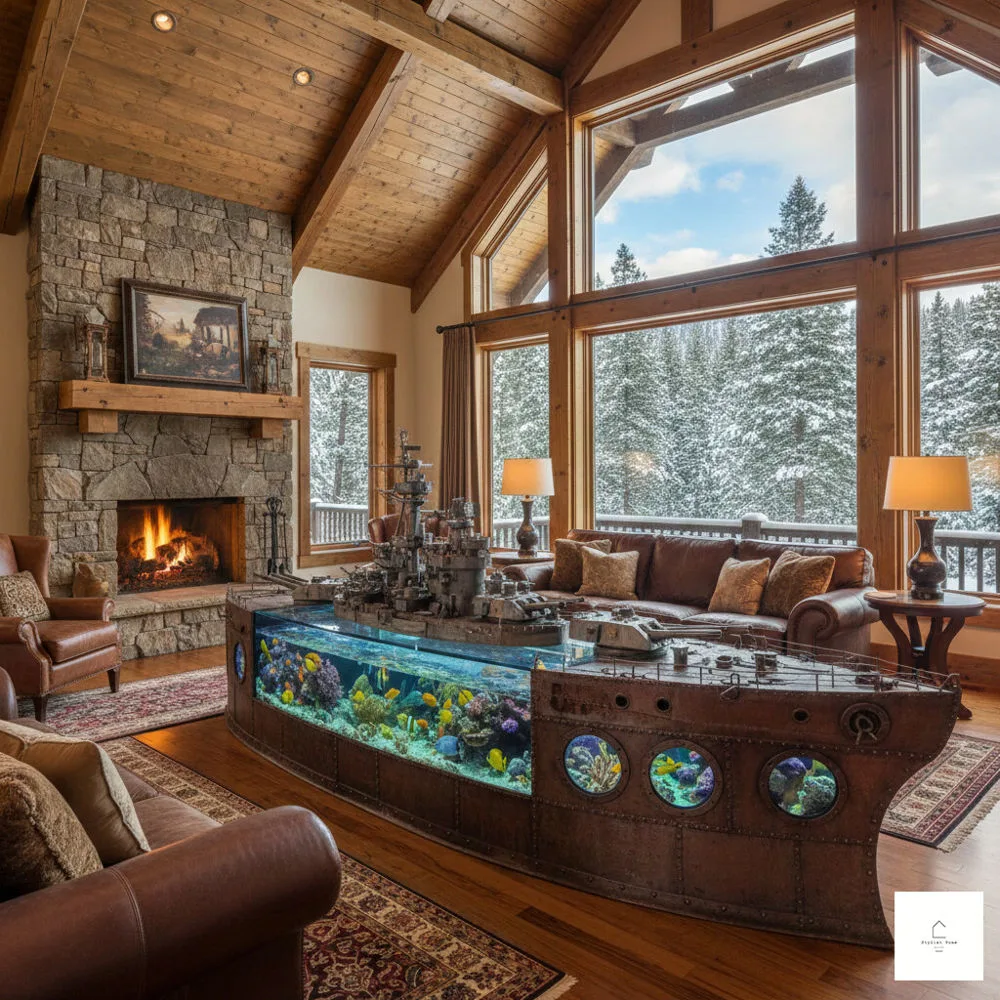
The market offers an impressive variety of naval ship aquarium decoration options ranging from historically accurate replicas to fantastical interpretations. When selecting decorations, prioritize pieces made from aquarium safe materials that won’t leach harmful chemicals into the water or alter pH levels.
Resin remains the most popular material for aquarium decorations due to its durability, detail retention, and safety. Quality resin naval ships can withstand years of submersion without deteriorating or fading. Look for decorations specifically labeled as aquarium safe rather than general collectibles, as not all materials suitable for display cases work well underwater.
Size variation adds depth and visual interest to your setup. Combining a large centerpiece naval vessel with smaller support ships or submarine models creates a more dynamic scene. This layered approach mimics how objects appear in actual harbor settings and prevents your aquarium from looking flat or one dimensional.
Weathered and battle damaged designs often look more authentic than pristine vessels. Ships with realistic rust patterns, barnacle growth, or battle scars tell stories and integrate more naturally with aquatic environments. These aged appearances also blend better with natural algae growth that inevitably occurs in established aquariums.
Incorporating Naval Ship Aquarium Ornaments
Naval ship aquarium ornament choices extend beyond the vessels themselves. Complementary elements like anchors, cannons, ship wheels, life preservers, and naval flags complete the maritime atmosphere. These smaller ornaments fill empty spaces and add storytelling elements to your display.
Anchor decorations work particularly well near the substrate, creating the impression that ships are moored in your aquarium harbor. Choose anchors proportionate to your vessel sizes for visual coherence. Many anchor ornaments feature rope or chain details that add texture and authenticity to the scene.
Sunken treasure elements pair beautifully with naval themes, especially if you’re creating a shipwreck scenario. Treasure chests, scattered gold coins, and ceramic jugs suggest stories of piracy and adventure. These elements also provide additional hiding spots for bottom dwelling fish species.
Consider movement and interactive elements when selecting ornaments. Some decorations feature moving parts like spinning ship wheels or opening treasure chests activated by water flow. While not essential, these dynamic elements add an extra dimension of interest, especially for children and visitors.
Choosing Naval Ship Aquarium Plants
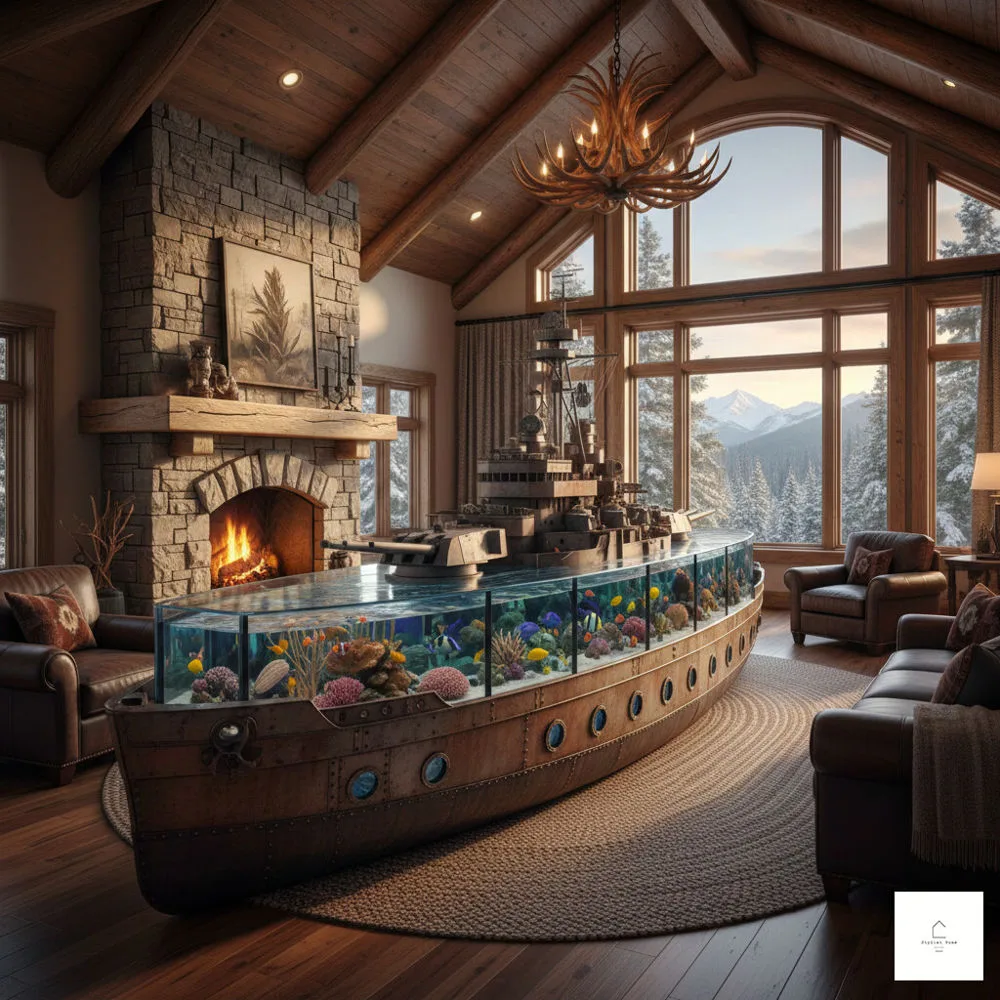
Live plants transform a naval ship aquarium from a static display into a living, breathing ecosystem. Naval ship aquarium plants serve multiple purposes including oxygenation, nitrate absorption, and providing natural shelter for fish. The right plant selection enhances your maritime theme while supporting water quality.
Java fern works exceptionally well with naval themes due to its dark green color and flowing leaves that suggest underwater kelp forests. This hardy plant attaches easily to your naval decorations, appearing to grow directly from the ship surfaces. Its low light requirements make it ideal for beginners.
Anubias species offer another excellent choice for naval themed tanks. These robust plants feature thick, leathery leaves that resist damage from most fish species. Like java fern, anubias can be attached directly to ship decorations, creating the appearance of vessels overtaken by aquatic vegetation over time.
Tall background plants like vallisneria or amazon swords add height and create depth perception in your naval ship fish tank. These plants can represent coastal vegetation or underwater grass beds, framing your naval vessels and directing viewer attention toward the main decorative elements.
Floating plants such as water lettuce or frogbit suggest surface activity and create interesting lighting effects as shadows dance across your submerged naval fleet. However, use floating plants sparingly to ensure adequate light reaches lower levels of your aquarium.
Designing Your Naval Ship Aquarium Tank Layout
Layout design determines whether your naval ship aquarium tank looks like a cohesive scene or a random collection of decorations. Start by establishing a focal point, typically your largest or most detailed naval vessel. Position this centerpiece slightly off center using the rule of thirds for more pleasing visual composition.
Create depth by arranging elements at different distances from the viewing glass. Place larger decorations toward the back and sides, with smaller elements and open swimming space toward the front. This arrangement mimics natural perspective and prevents your aquarium from appearing two dimensional.
Consider sight lines from multiple viewing angles if your tank is visible from different sides. Your design should look intentional and attractive from each perspective. Avoid creating dead zones where decorations block views of interesting areas or where waste can accumulate unnoticed.
Leave adequate swimming space for your fish species. While decorations create interest, fish need open areas to exercise and display natural behaviors. A good rule of thumb is maintaining at least 40 percent open swimming space in community tanks, with more for active swimming species.
Water flow patterns influenced by your decoration placement affect filtration efficiency and fish comfort. Position decorations to direct flow throughout the tank without creating dead spots where debris accumulates. Test your layout before finalizing by observing how water moves through the space.
Installing and Securing Naval Decorations
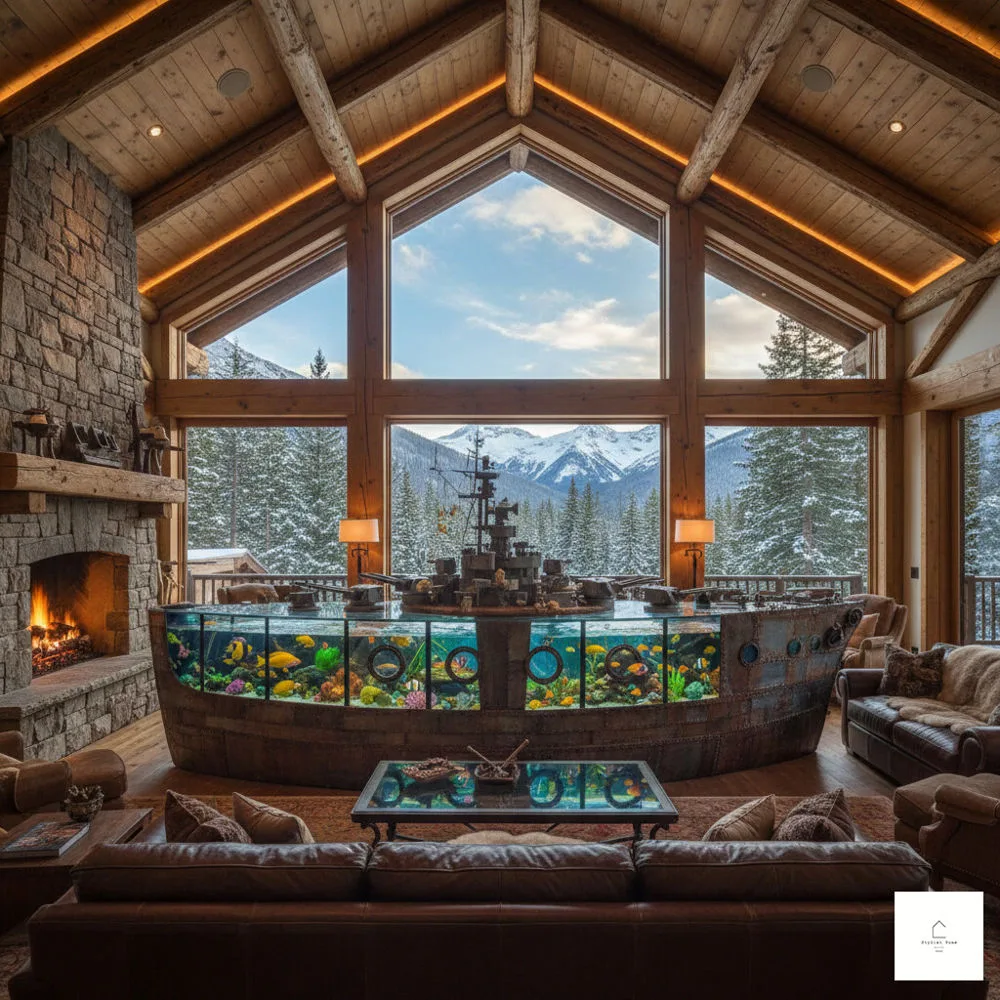
Proper installation ensures your naval ship aquarium decoration remains stable and safe for your fish. Rinse all new decorations thoroughly with warm water to remove manufacturing residues, dust, and potential contaminants. Never use soap or cleaning chemicals as residues can harm aquatic life.
Heavy decorations may require support or anchoring to prevent toppling. Bury the base of large ships partially in substrate for stability, or use aquarium safe adhesives like silicone to secure them to the tank bottom. Unstable decorations pose injury risks to fish and can damage tank glass if they fall.
Create caves and hiding spots by thoughtfully positioning decorations. Lean ships against rocks or stack elements to form overhangs and tunnels. Ensure all structures are stable and won’t collapse if fish swim through or around them.
Some aquarists drill small holes in hollow decorations to prevent air pockets from causing buoyancy issues. If your naval ornament keeps floating to the surface, it likely contains trapped air. Carefully creating drainage holes allows water to fill the interior, weighing it down naturally.
Allow new decorations to soak for several days before adding fish, especially if they have strong manufacturing odors. This soaking period leaches out any remaining chemicals and ensures the decorations won’t affect water parameters when you finally introduce livestock.
Maintaining Your Naval Ship Aquarium
Maintenance routines for naval themed tanks follow standard aquarium practices with special attention to decoration cleaning. Algae growth on ship surfaces can enhance authenticity by suggesting age and weathering, but excessive buildup requires removal to maintain visibility of decorative details.
Use soft bristle brushes or algae pads to clean decorations during water changes. Avoid abrasive materials that might scratch or damage painted surfaces. For stubborn algae, remove decorations and soak them in a diluted bleach solution, followed by thorough rinsing and dechlorination before returning them to the tank.
Check decorations regularly for structural damage or deterioration. Lower quality ornaments may crack, chip, or fade over time. Damaged decorations can develop sharp edges dangerous to fish or begin leaching materials into the water. Replace compromised pieces promptly to maintain tank safety.
Trim and prune live plants regularly to prevent them from overwhelming your naval decorations. While plant growth enhances realism, excessive vegetation can obscure your carefully chosen ornaments. Strategic pruning maintains the balance between natural growth and visible maritime elements.
Monitor water parameters closely, especially in newly established naval ship aquariums. Decorations can initially affect pH and hardness as they fully cure underwater. Test water weekly during the first month, then adjust to a regular schedule based on your tank’s stability.
Lighting Considerations for Maximum Impact

Lighting dramatically affects how your naval ship aquarium appears and functions. The right lighting setup highlights decorative details, supports plant growth, and creates atmospheric effects that enhance the maritime theme.
Cool white or daylight spectrum LEDs work well for naval themes, creating a realistic oceanic atmosphere. These color temperatures make metallic ship details gleam and enhance the appearance of weathering effects. Avoid overly warm lighting that can make ships look yellowish or dingy.
Strategic lighting placement creates depth and drama. Directing light from above mimics natural sunlight penetrating water, while subtle backlighting can create silhouettes and highlight ship profiles. Some aquarists use blue LED moonlights for nighttime viewing that suggests deep ocean environments.
Adjustable lighting intensity allows you to customize the mood and accommodate different plant species’ needs. Higher light levels support more demanding plants but may encourage algae growth. Finding the right balance requires experimentation based on your specific setup.
Consider adding lighting effects like slow transitions from dawn to dusk or occasional storm simulations with flickering patterns. These programmable features, available in many modern LED systems, add another dimension to your naval aquarium experience.
Fish Selection for Naval Themed Aquariums
Choosing appropriate fish species completes your naval ship aquarium ecosystem. Select fish that complement rather than compete with your decorative theme. Active schooling fish create the impression of busy harbor waters, while larger centerpiece fish suggest naval power and presence.
Tropical fish like neon tetras, cardinal tetras, or rummynose tetras school beautifully around naval structures, their bright colors contrasting attractively with gray and green ship tones. These peaceful community fish thrive in planted tanks and pose no threat to decorations.
Angelfish make excellent centerpiece species for larger naval aquariums. Their majestic profiles and graceful movements complement the grandeur of warships and carriers. Discus fish offer similar visual impact for aquarists willing to meet their more demanding care requirements.
Bottom dwelling species like corydoras catfish or plecos serve practical maintenance roles while adding activity to lower tank regions. Watching these fish explore around anchors and beneath ship hulls adds life to areas that might otherwise appear static.
Avoid aggressive species that might damage plants or territorial fish that could claim ship structures as exclusive territories. Peaceful community fish ensure all areas of your naval aquarium remain accessible and your plants stay intact.
Advanced Naval Aquarium Techniques
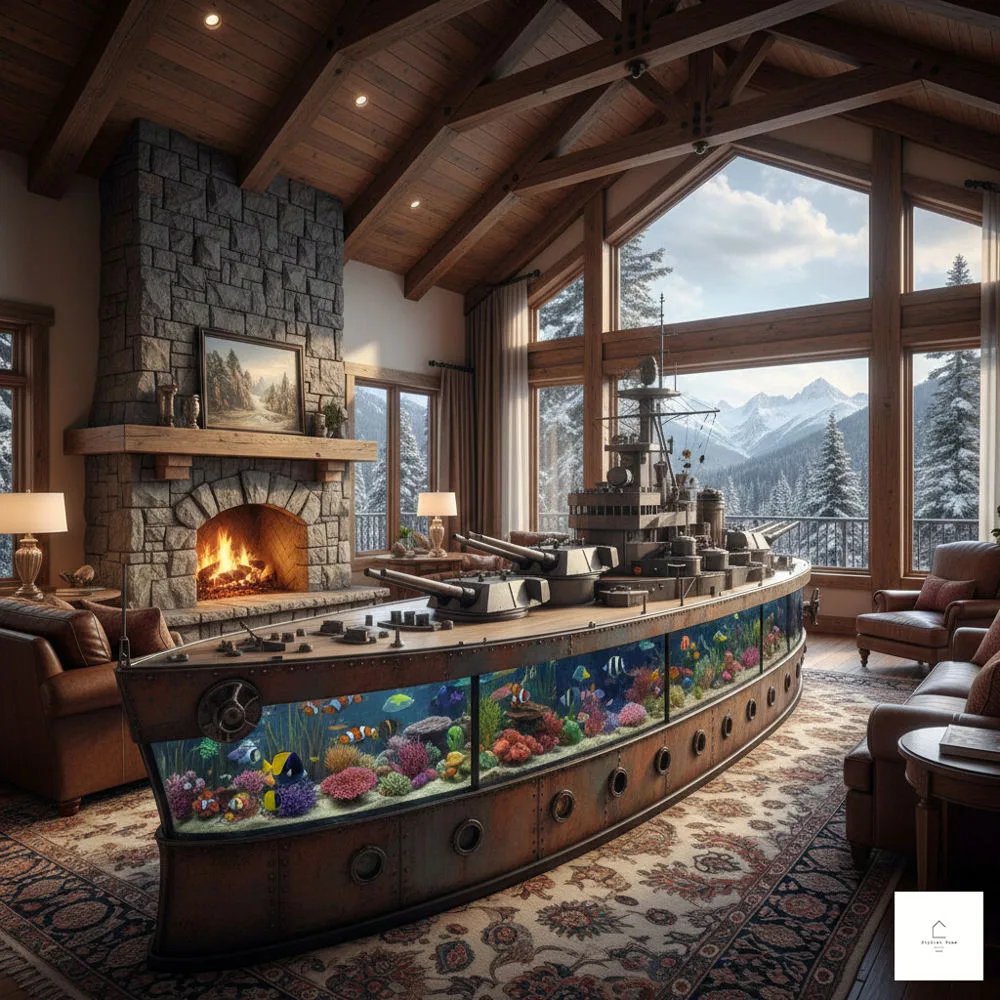
Experienced aquarists can elevate their naval ship aquarium projects with advanced techniques. Creating forced perspective using progressively smaller ships toward the back of the tank enhances depth perception and makes modest sized aquariums appear more spacious.
Incorporating actual sand from naval bases or historic sites adds authenticity, though proper cleaning is essential to prevent introducing contaminants. This substrate choice creates immediate connection to real naval environments and can be a conversation starter.
Custom painting or weathering techniques allow you to personalize commercial decorations. Aquarium safe paints and sealers let you add authentic rust patterns, barnacle details, or even custom ship names and numbers. This customization makes your setup truly unique.
Some advanced aquarists create entire diorama backgrounds depicting naval bases, harbors, or coastal scenes. These three dimensional backgrounds, whether DIY or purchased, transform the entire tank into an immersive environment rather than just featuring foreground decorations.
Integrating technology like bluetooth speakers hidden behind backgrounds allows you to add ambient ocean sounds or historical naval radio communications during viewing. While not affecting the fish, these additions enhance the human experience of your naval aquarium.
Troubleshooting Common Issues
Even well planned naval ship aquarium projects encounter occasional challenges. Understanding common issues and their solutions helps maintain your display’s beauty and functionality.
Algae overgrowth on decorations often results from excessive lighting duration or nutrient imbalances. Reduce lighting hours, increase water change frequency, and consider adding algae eating fish or invertebrates to control growth naturally. Some algae on ships actually enhances realism, so aim for management rather than elimination.
Cloudy water after adding new decorations suggests insufficient rinsing or bacterial blooms. Perform large water changes and ensure your filtration system is adequate for your tank volume. Most cloudiness resolves within a few days as beneficial bacteria establish.
Fish hiding constantly might indicate inadequate cover or overly bright lighting. Add more plants and ensure your naval structures provide sufficient hiding spots. Some fish need transition time to become comfortable in new environments with bold decorations.
Paint chipping or discoloration of decorations usually indicates poor quality products or use of non aquarium safe paints. Replace affected decorations and research reputable brands before purchasing replacements. Quality resin decorations should maintain color and integrity for many years.
Budget Friendly Naval Aquarium Options
Creating an impressive naval ship aquarium doesn’t require enormous investment. Strategic shopping and creative DIY approaches make maritime themes accessible to aquarists at any budget level.
Start with a single high quality centerpiece decoration rather than multiple cheaper pieces. One impressive naval vessel creates more impact than several small, low detail ornaments. Build your collection gradually, adding complementary elements as budget allows.
Explore secondhand marketplaces for aquarium decorations. Many aquarists redesign their tanks regularly, selling quality decorations at significant discounts. Inspect used items carefully for damage but don’t hesitate to buy pre owned when condition permits.
DIY decorations offer substantial savings for crafty aquarists. PVC pipes can become submarine hulls, terracotta pots transform into ship sections, and creative painting achieves authentic naval appearances. Ensure all materials used are aquarium safe and won’t leach toxins.
Natural elements like driftwood and rocks cost less than manufactured decorations while providing similar functionality. Arrange these natural materials to suggest shipwreck debris or coastal fortifications, complementing rather than replacing naval ornaments.
Educational Value and Historical Accuracy
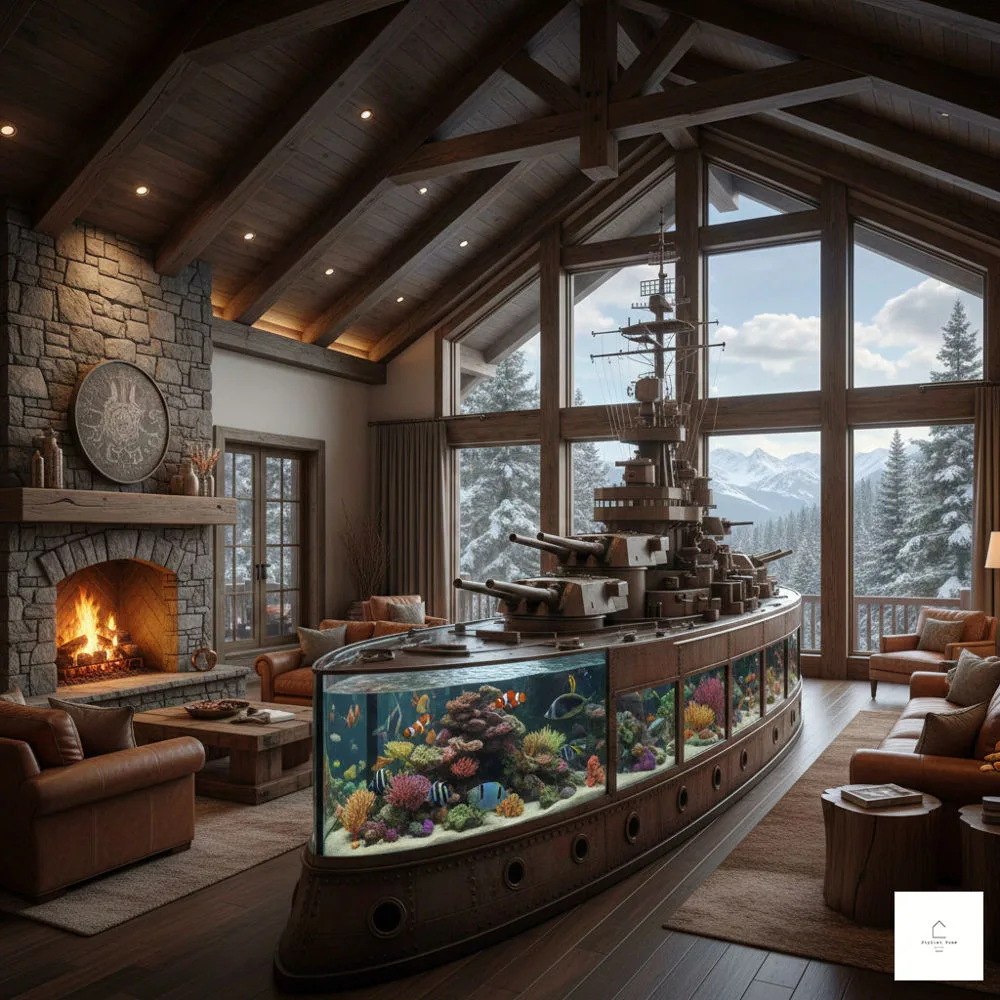
Naval ship aquariums offer excellent opportunities to educate children and visitors about maritime history while enjoying aquarium keeping. Choosing historically accurate ship models and providing information cards near your tank transforms it into an interactive learning display.
Research the vessels you’re representing to understand their significance and share interesting facts. Whether featuring USS Constitution, HMS Victory, or modern aircraft carriers, each ship carries stories worth telling. This historical context adds depth to your aquarium experience.
Consider creating themed displays around specific naval battles, expeditions, or time periods. A World War II Pacific theater theme differs dramatically from an Age of Sail Caribbean display, each offering unique decorative and educational opportunities.
Schools and educational institutions particularly appreciate naval aquariums for their cross curricular appeal, connecting science education with history and engineering concepts. The living ecosystem demonstrates biology while the naval elements teach history and human achievement.
Creating Your Maritime Masterpiece
A well executed naval ship aquarium represents the perfect fusion of natural beauty and human ingenuity. By thoughtfully selecting decorations, plants, and fish that work harmoniously together, you create more than just an aquarium. You build a window into maritime history, an ecosystem teeming with life, and a stunning focal point that captivates everyone who sees it.
The journey from empty tank to finished naval aquarium challenges your creativity, patience, and aquarium keeping skills. Each decision about ship placement, plant selection, and fish stocking shapes the final result. The most successful naval themed tanks balance aesthetic appeal with practical considerations, ensuring both beautiful displays and healthy environments for aquatic life.
Remember that your naval ship aquarium will evolve over time. Plants grow and fill in around decorations, fish develop personalities and territories, and you’ll continue refining the layout as you learn what works best. This organic development is part of the hobby’s appeal, keeping your display dynamic and interesting.
Don’t be discouraged if your first attempt doesn’t match your vision perfectly. Aquascaping is an art that improves with practice. Study other naval aquariums for inspiration, join online communities to share experiences, and most importantly, enjoy the creative process.
Anchoring Your Passion: The Lasting Appeal of Naval Aquariums
The enduring popularity of naval ship aquariums stems from their unique ability to honor maritime heritage while creating thriving aquatic ecosystems. These specialized tanks appeal to diverse audiences including history enthusiasts, military veterans, model collectors, and aquarium hobbyists seeking something different from traditional setups.
Beyond aesthetics, naval themed aquariums remind us of humanity’s complex relationship with the sea. The vessels we create to traverse oceans eventually return to the water, becoming part of marine ecosystems. Your aquarium captures this cycle in miniature, celebrating both human achievement and nature’s resilience.
The skills you develop creating and maintaining a naval ship fish tank extend beyond the hobby itself. Patience, attention to detail, research abilities, and creative problem solving all improve through this engaging pursuit. These benefits make the time and resources invested worthwhile beyond the visual results.
As your expertise grows, you might inspire others to explore naval aquariums or aquarium keeping generally. Sharing your knowledge through social media, local aquarium clubs, or casual conversations spreads appreciation for both maritime history and aquatic ecosystems. Your personal display becomes a ambassador for the hobby.
Whether you’re drawn to the majesty of aircraft carriers, the mystery of submarines, or the elegance of historical sailing vessels, a naval ship aquarium lets you bring those passions into your daily environment. Every glance at your tank offers a moment of calm reflection, a reminder of nautical adventure, and the satisfaction of maintaining a balanced ecosystem. Set your course toward creating this unique aquatic display, and discover why naval themed aquariums continue capturing imaginations and hearts worldwide.