
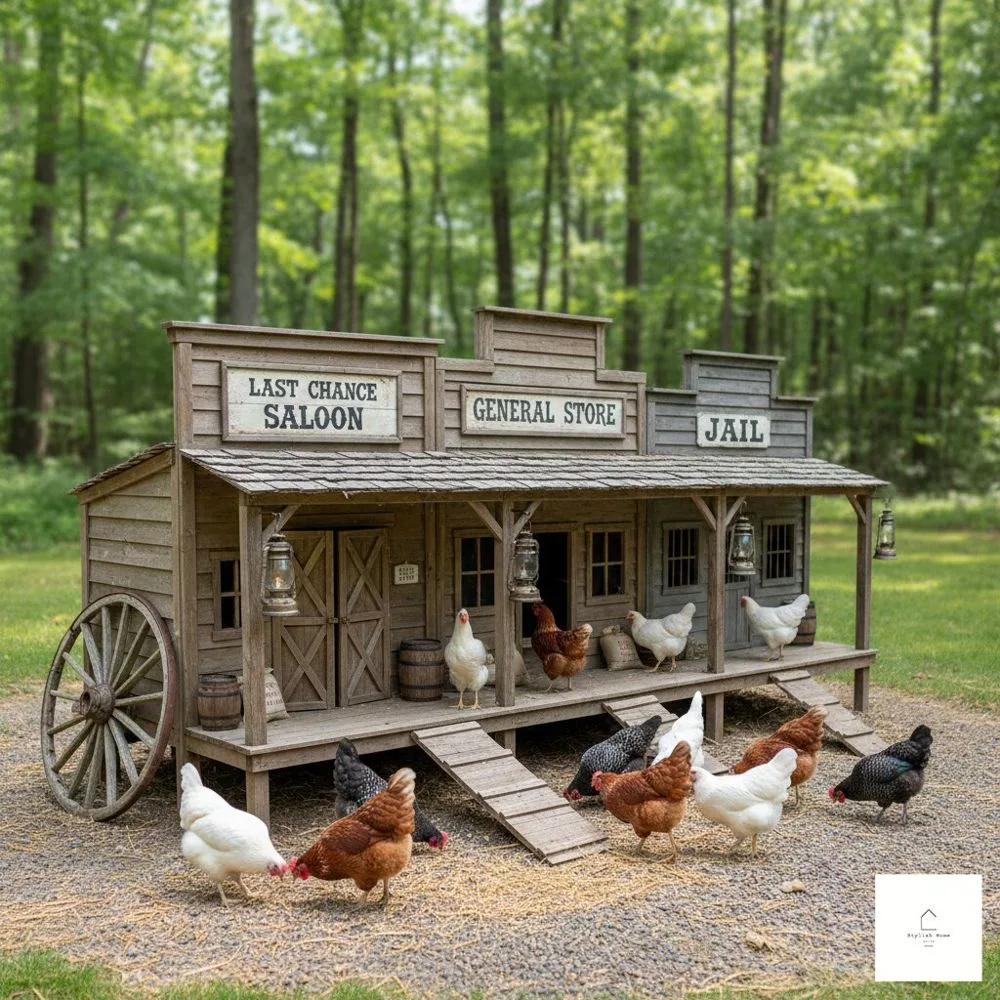
There’s something undeniably charming about the rugged aesthetic of America’s frontier past. The weathered wood, the simple yet functional architecture, and the stories of self-sufficiency continue to capture our imagination. For backyard chicken enthusiasts looking to combine practicality with personality, an old western town chicken coop offers the perfect blend of nostalgia and utility. These distinctive structures transform ordinary poultry keeping into a statement piece that celebrates heritage while serving a modern purpose.
Understanding the Appeal of Old Western Chicken Coops
The old western chicken coop represents more than just housing for your flock. It’s a connection to an era when every homestead needed to be self-reliant, and every structure was built with purpose and character. During the 1800s, frontier towns dotted the American landscape, and chickens were essential to survival. They provided eggs, meat, and even pest control. The coops that housed them were built from whatever materials were available, typically rough-sawn lumber, salvaged wood, and basic hardware.
Today’s revival of interest in these rustic designs stems from multiple factors. The urban and suburban homesteading movement has grown exponentially, with more people raising backyard chickens than ever before. According to recent agricultural surveys, millions of American households now keep chickens, and many are seeking ways to make their coops both functional and visually appealing. An old west town chicken coop satisfies both requirements while adding a distinctive focal point to your property.
The aesthetic also taps into our collective appreciation for simpler times. In an age dominated by modern materials and sleek designs, there’s something refreshing about weathered wood, vintage hardware, and the imperfect beauty of frontier architecture. These coops tell a story and create conversation, turning a utilitarian structure into a genuine piece of backyard art.
Historical Accuracy and Design Elements
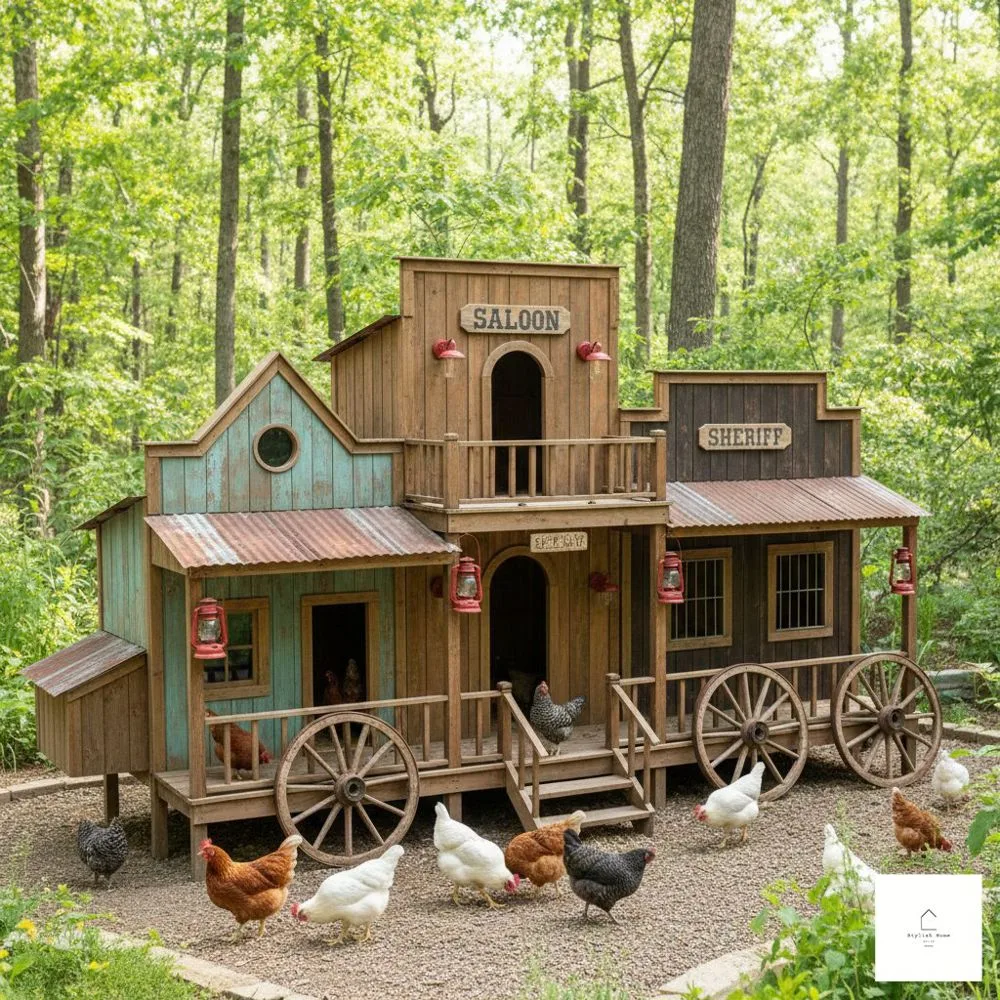
When considering an old western town chicken coop for your property, understanding authentic historical elements helps create a more convincing and attractive final product. Frontier coops were characterized by several distinct features that set them apart from other architectural styles.
The construction typically featured vertical board and batten siding, which was both practical and economical. This technique involved placing wide vertical boards with narrow strips covering the gaps between them. This method required less precise carpentry while providing excellent weather protection. The boards were often left unpainted or treated with simple whitewash or linseed oil, developing a silvery gray patina over time that has become synonymous with western architecture.
Roofing materials in authentic old west chicken town designs varied by region and availability. Corrugated metal was a popular choice in many frontier communities because it was durable, relatively inexpensive, and easy to install. Others used wooden shingles split from cedar or pine. The roof pitch was typically steep enough to shed rain and snow but not so elaborate as to waste materials or time.
Window placement and design also reflected the practical nature of frontier life. Small windows with simple wooden shutters allowed for ventilation while protecting against predators and harsh weather. Many old western chicken coops incorporated repurposed materials, with windows salvaged from other buildings or simple openings covered with chicken wire or wooden slats.
Door hardware was straightforward and functional. Heavy strap hinges, simple latches, and occasionally decorative elements like horseshoes or wagon wheel pieces added character. The doors themselves were often split Dutch-style, allowing the top to open for ventilation while the bottom remained closed for security.
Planning Your Old Western Town Chicken Coop
Before breaking ground on your old west chicken town project, careful planning ensures both aesthetic success and functional efficiency. The first consideration is size. A good rule of thumb is providing three to four square feet of interior space per chicken, with additional square footage in an attached run. For a small flock of six chickens, this translates to a coop of approximately 24 square feet, though larger is generally better for chicken health and comfort.
Location matters tremendously. Your old western chicken coop should be situated on well-drained ground, ideally with some natural slope to prevent water accumulation. Consider sun exposure carefully. Morning sun is beneficial, warming the coop after cool nights, while afternoon shade helps prevent overheating in summer. Positioning the coop with the door facing away from prevailing winds protects your flock during storms.
Access to utilities should also influence placement. Running electricity to the coop for lighting and heated waterers during winter is much easier if you plan the route beforehand. Water access for cleaning and filling waterers is another practical consideration that affects long-term convenience.
Sketching your design before construction helps visualize the final product and identify potential issues. Study photographs of authentic frontier buildings for inspiration. Notice the proportions, the roof overhang, the placement of windows and doors. Many old western town chicken coops featured false fronts, making small structures appear more substantial, a common trick in frontier architecture that adds tremendous character.
Construction Materials and Techniques
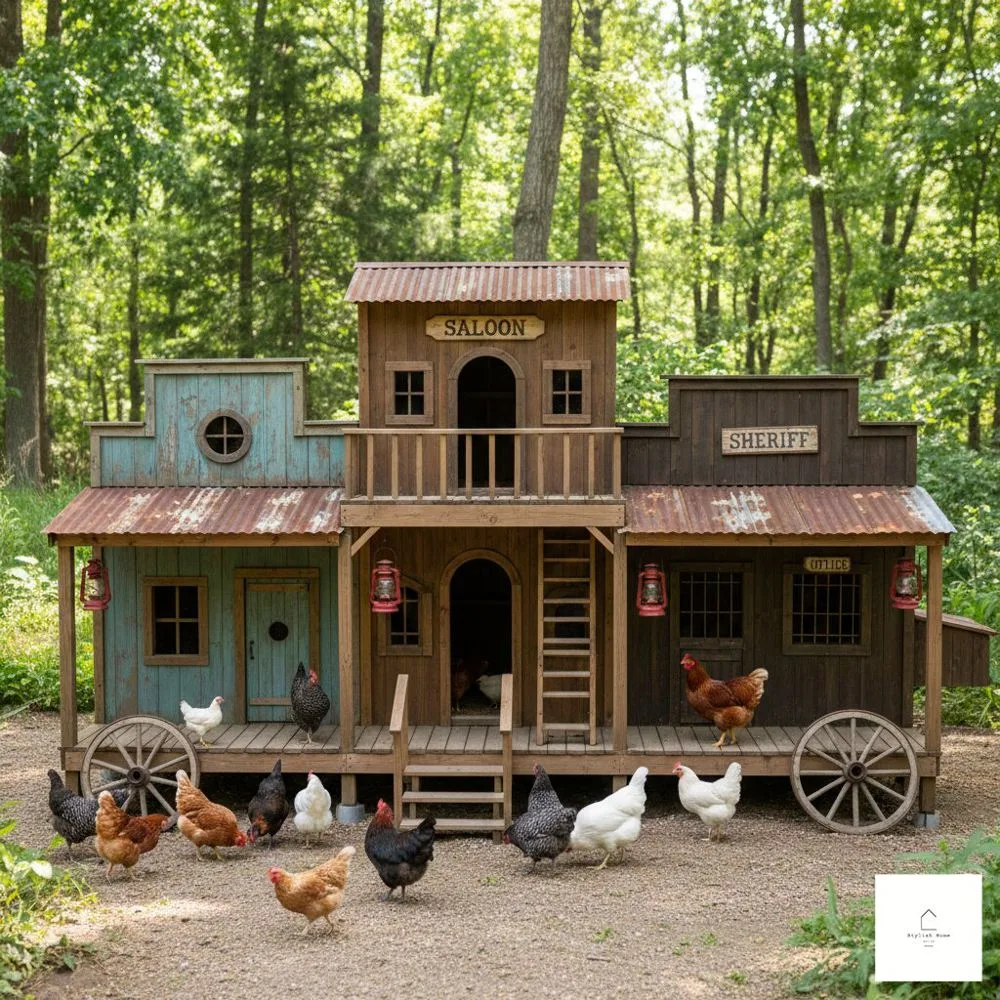
Building an authentic-looking old western chicken coop doesn’t necessarily require antique materials, though incorporating some salvaged elements certainly adds character. New lumber can be weathered using various techniques to achieve that aged frontier appearance.
For framing, standard dimension lumber works perfectly well. Two-by-four studs create a sturdy skeleton for your coop. The siding is where you can really capture that old west aesthetic. Rough-sawn lumber, if available locally, provides instant authenticity. Alternatively, standard boards can be distressed using wire brushes, chains, or specialized tools to create the appearance of weathering and age.
Creating a convincing weathered finish involves more than just the wood texture. Various techniques can age new wood quickly. A solution of steel wool dissolved in vinegar, when applied to wood, creates a gray, weathered appearance within hours. Commercial wood stains designed to mimic aged wood are also available. Some builders prefer to let nature do the work, using no finish at all and allowing the wood to weather naturally over the first year.
Corrugated metal roofing instantly evokes the old west town chicken coop aesthetic. Available at most home improvement stores, it’s affordable, durable, and easy to install. Consider using weathered or rusted metal panels for even more authenticity, though ensure they’re still structurally sound and won’t leak.
Hardware choices significantly impact the overall look. Modern hinges and latches can break the illusion of an old western chicken coop. Instead, seek out black or dark bronze finished hardware with a traditional appearance. Strap hinges, barrel bolts, and simple hook-and-eye latches all maintain the frontier aesthetic while providing necessary functionality.
Essential Features for Chicken Health and Safety
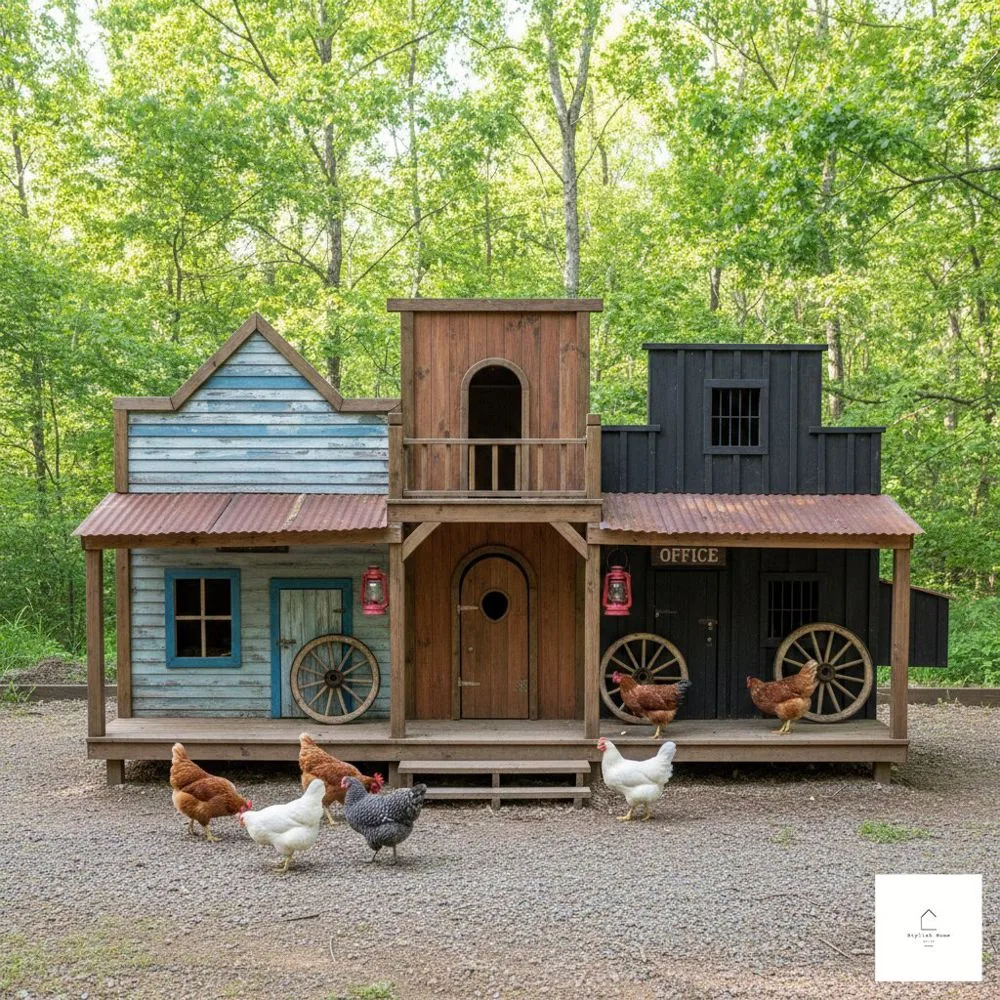
While aesthetics drive the old west chicken town design, never compromise on the features that keep your flock healthy and safe. Proper ventilation is crucial, preventing moisture buildup that can lead to respiratory issues. Include ventilation openings near the roof peak, protected by hardware cloth to exclude predators. Adjust-able vents allow you to control airflow based on seasonal needs.
Roosting bars should be positioned higher than nesting boxes, as chickens naturally prefer to sleep at the highest available point. Use rounded edges, about two inches in diameter, spaced 12 to 18 inches apart. Allow 8 to 10 inches of roosting space per bird.
Nesting boxes are where your hens will lay eggs, so make them comfortable and accessible. One box per three to four hens is generally sufficient. Dimensions of approximately 12 inches square work well for standard breeds. Position them lower than roosting bars and provide easy human access for egg collection. Many old western town chicken coop designs incorporate external nest box access, allowing egg retrieval without entering the coop itself.
Predator protection cannot be overlooked. Hardware cloth rather than chicken wire provides superior protection against raccoons, weasels, and other nighttime raiders. Bury hardware cloth at least 12 inches underground around the coop perimeter to prevent digging predators. Secure all openings, including ventilation holes, with half-inch or quarter-inch hardware cloth.
Incorporating Authentic Western Details
The difference between a chicken coop that looks vaguely rustic and one that genuinely captures the old western chicken coop spirit often lies in the details. False storefronts were iconic elements of frontier towns, where modest single-story buildings sported two-story facades with decorative cornices and painted signs. Applying this technique to your coop creates instant visual impact.
Consider adding a small covered porch or overhang at the entrance. This provides a shaded area where chickens can escape intense sun while adding architectural interest. Support posts can be simple peeled logs or rough-hewn timbers, reinforcing the frontier aesthetic.
Authentic signage adds personality and humor. Hand-painted signs reading “Saloon,” “General Store,” or custom names for your coop enhance the old west town chicken coop theme. Use period-appropriate fonts and weathered boards for maximum effect. Some enthusiasts create entire miniature western streetscapes, with their coop representing one building in a frontier town.
Decorative elements like wagon wheels, horseshoes, or vintage farm implements can be incorporated tastefully. Avoid overdoing it; frontier architecture was fundamentally practical, and too many decorative elements can make the structure appear more like a theme park than an authentic old western chicken coop.
Fencing around your chicken run can also reflect western themes. Split-rail fencing or rough post-and-rail designs complement the coop architecture. Some builders create miniature corral-style enclosures, using peeled logs and natural materials that would have been readily available on the frontier.
Regional Variations in Old West Chicken Coop Design
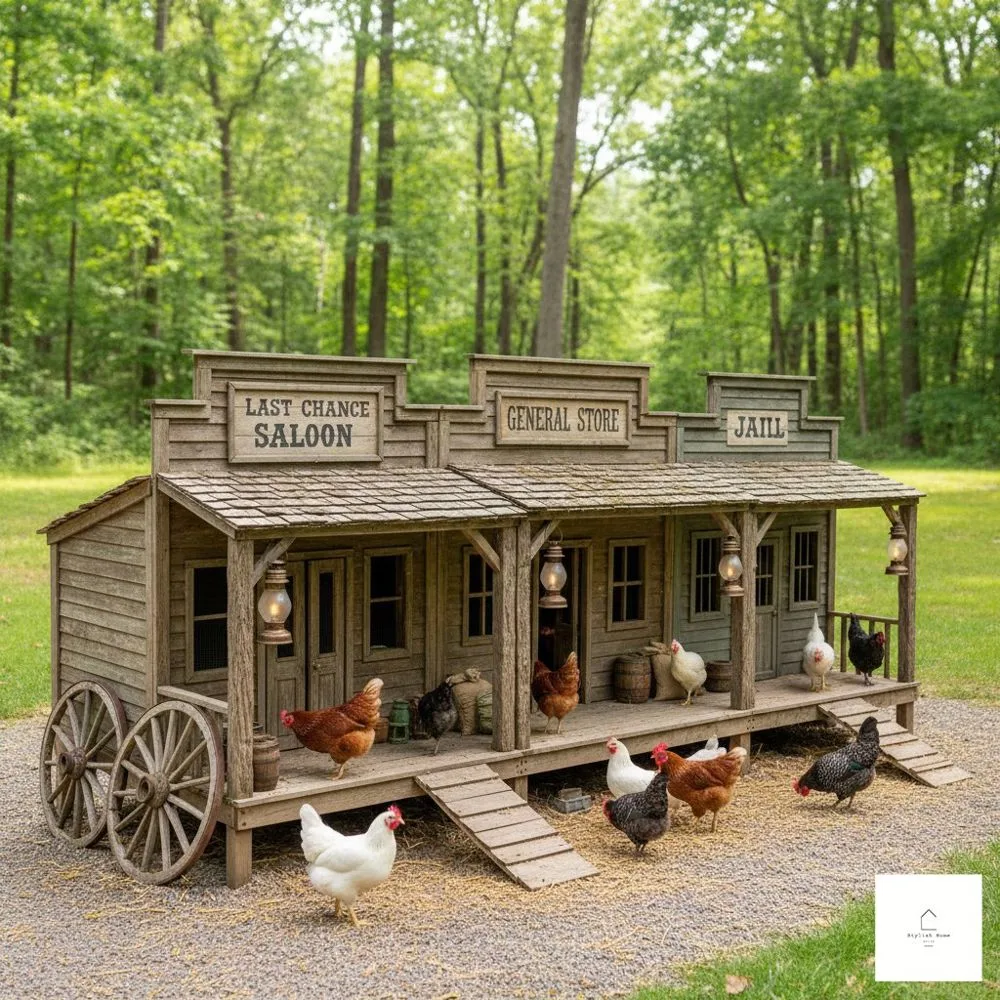
The American frontier was vast and diverse, and old western town chicken coops varied considerably by region. Understanding these variations allows you to create a design that reflects specific historical influences or personal preferences.
Southwest-style coops might incorporate adobe or stucco finishes, flat or low-pitched roofs, and earth-tone color schemes. Exposed vigas, or wooden beams extending through the walls, add authentic detail. These designs reflect Spanish and Mexican influences prevalent in areas like New Mexico, Arizona, and parts of Texas.
Pacific Northwest coops often featured steeper roof pitches to handle heavy rain and snow. Darker stained or painted wood was common, and cedar was frequently used for its natural rot resistance. These structures tend to be more robust and enclosed, protecting against the region’s damper climate.
Great Plains designs typically emphasized simplicity and wind resistance. Lower profiles, secure roofing, and strategic orientation protected against prairie winds. These old west chicken town coops often incorporated sod or earth berms for additional insulation and wind protection.
Mountain town coops reflected mining camp architecture, sometimes incorporating stone foundations or lower walls. Steeper roof pitches handled snow loads, and smaller windows reduced heat loss during bitter mountain winters.
Maintaining the Old Western Aesthetic Over Time
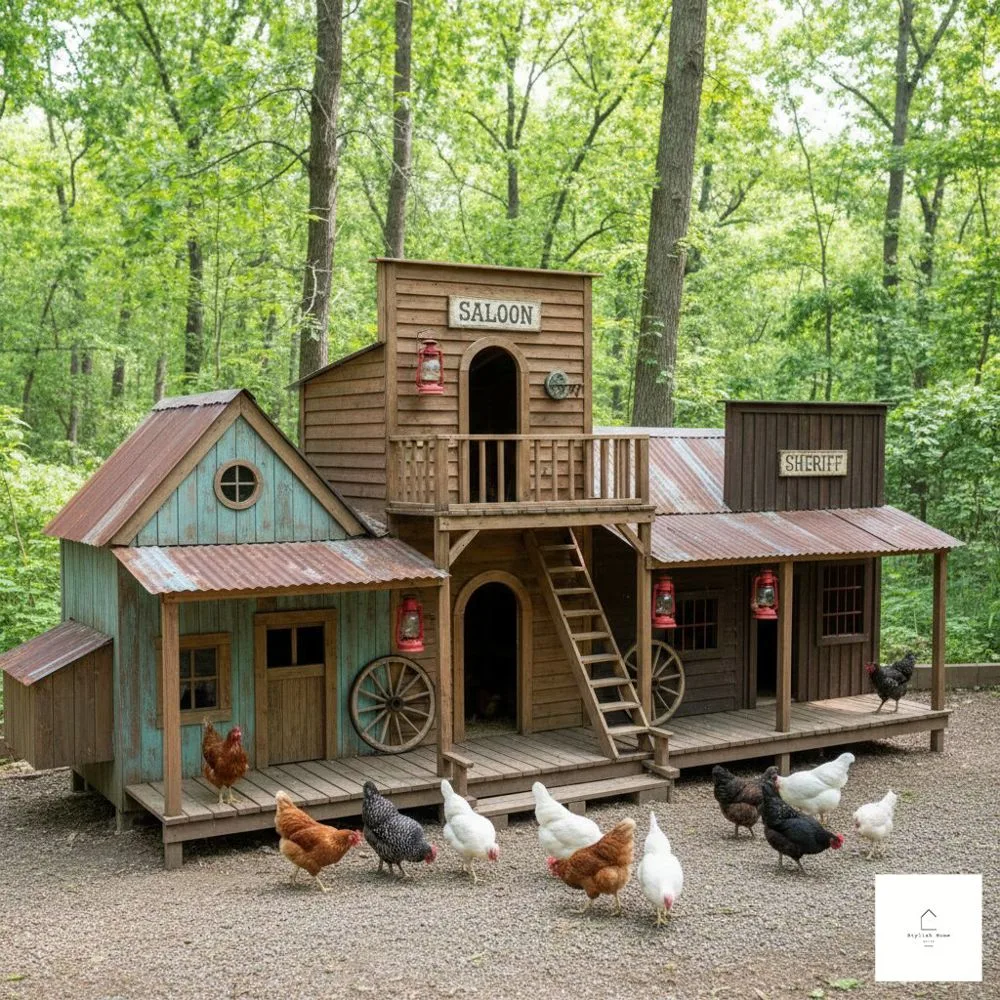
One advantage of the old western town chicken coop style is that weathering actually enhances its appearance. Unlike modern structures that look worse as they age, a frontier-style coop develops character over time. However, this doesn’t mean maintenance can be ignored entirely.
Regular inspection of the roof prevents leaks that could damage the structure or harm your flock. Corrugated metal roofing is durable but can develop leaks where panels overlap or at fastener points. Annual inspection and minor repairs keep problems from escalating.
Wood components benefit from occasional treatment, even if you’re cultivating a weathered appearance. Boiled linseed oil preserves wood while maintaining a natural look. Applied every few years, it penetrates the wood, providing protection without creating a glossy or obviously finished appearance that would contradict the old western chicken coop aesthetic.
Hardware requires periodic maintenance. Hinges and latches should be lubricated annually to ensure smooth operation. Check for rust on metal components, treating or replacing as necessary. While some rust can add to the weathered appearance, excessive corrosion compromises functionality and security.
The area around your coop contributes to the overall frontier atmosphere. Maintaining gravel or bare earth immediately surrounding the structure reinforces the old west town chicken coop aesthetic. Period-appropriate plantings like native grasses, sunflowers, or simple vegetable gardens complete the scene without requiring elaborate landscaping that would be anachronistic.
Cost Considerations and Budget-Friendly Options
Building an old western town chicken coop doesn’t necessarily require a substantial budget, though costs vary based on size, materials, and level of detail. A basic functional coop for a small flock can be constructed for a few hundred dollars using new materials, while more elaborate designs with salvaged antique elements might cost significantly more.
Salvaged and reclaimed materials offer both economic and aesthetic advantages. Old barn wood, weathered fence boards, and vintage hardware provide instant authenticity while reducing costs. Check local classifieds, salvage yards, and rural properties for materials. Many farmers are happy to give away old lumber from structures being demolished.
Repurposing existing structures provides another budget-friendly approach. An old shed, small outbuilding, or even large doghouse can be transformed into an old western chicken coop with appropriate modifications and decorative elements. This approach saves on basic construction while allowing you to focus resources on aesthetic details.
Phased construction allows you to spread costs over time. Begin with a functional basic structure, then add decorative elements and refinements as budget permits. The false front, decorative trim, and vintage accessories can all be added later without compromising the coop’s immediate functionality.
The Joy of Keeping Chickens in Style
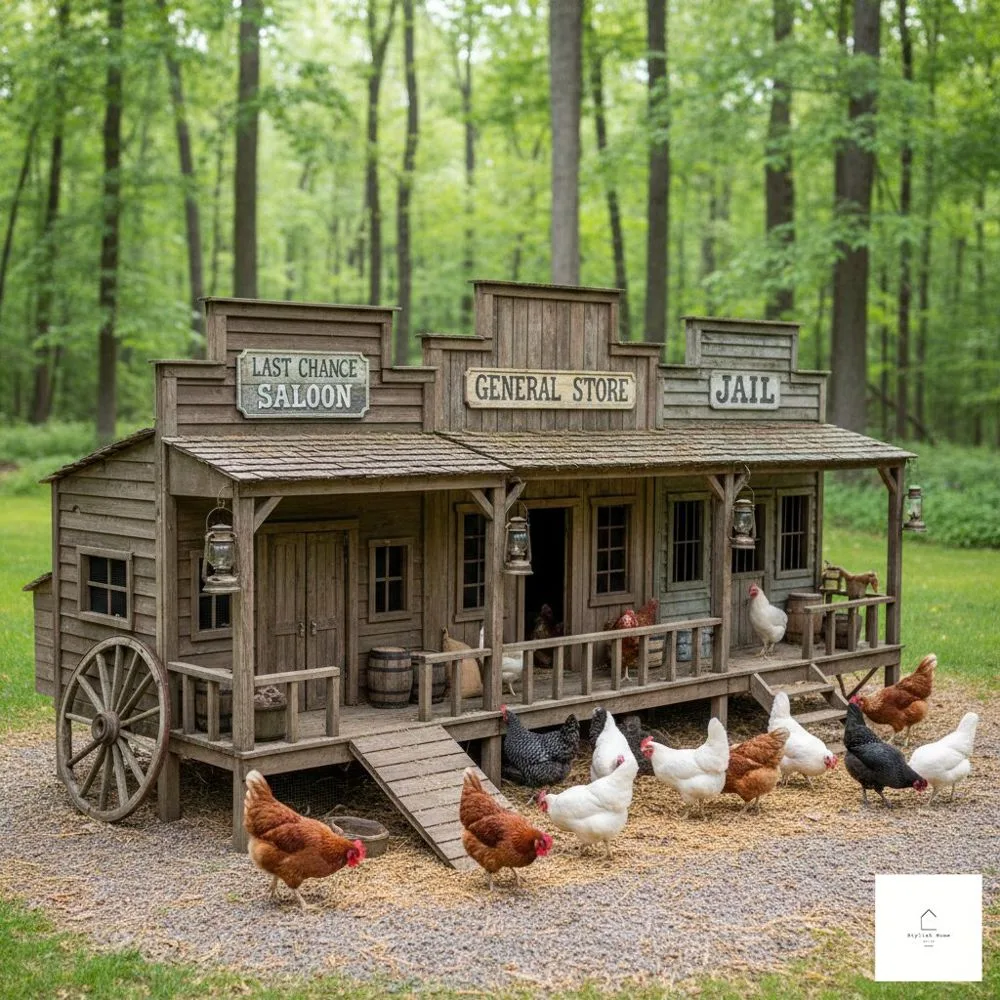
Beyond the practical benefits of fresh eggs and natural pest control, maintaining an old west chicken town creates daily enjoyment. There’s genuine pleasure in visiting a structure that’s both functional and beautiful, that honors history while serving present needs. Neighbors and visitors invariably comment on these distinctive coops, often sharing their own frontier stories or family histories.
Children particularly appreciate the storytelling potential of an old western town chicken coop. The structure becomes a prop for imaginative play, a living history lesson, and a connection to America’s pioneer heritage. Collecting eggs from a frontier-style coop transforms a simple chore into a adventure for young helpers.
Photography enthusiasts find these coops irresistible subjects. The rustic textures, interesting shadows, and characterful details create compelling images. Many chicken keepers document their flock against the backdrop of their old western chicken coop, creating memorable photos that celebrate both the birds and their distinctive home.
The broader backyard becomes more cohesive when the chicken coop reflects intentional design rather than purely utilitarian construction. An old west chicken town theme can extend to other outbuildings, garden structures, or landscaping elements, creating a unified aesthetic that enhances your entire property.
Building Community Through Shared Interests
The growing popularity of backyard chickens has created communities of enthusiasts who share tips, celebrate successes, and support each other through challenges. An old western town chicken coop often serves as a conversation starter, connecting you with fellow chicken keepers and history enthusiasts alike.
Online forums and social media groups dedicated to backyard poultry keeping frequently feature members’ coop designs. Sharing your old western chicken coop project inspires others while allowing you to receive feedback and suggestions. Many lasting friendships have formed through these shared interests.
Local chicken coop tours have become popular events in many communities. These self-guided or organized tours allow chicken keepers to showcase their coops while learning from others’ designs. An old west town chicken coop always stands out on these tours, often winning awards or receiving special recognition for creativity and execution.
Contributing to the preservation and appreciation of frontier architecture, even through a chicken coop, helps keep these design traditions alive. As modern construction increasingly favors efficiency over character, maintaining historical building styles through projects like an old western town chicken coop ensures these aesthetic traditions endure.
Bringing It All Together: Your Frontier Dream
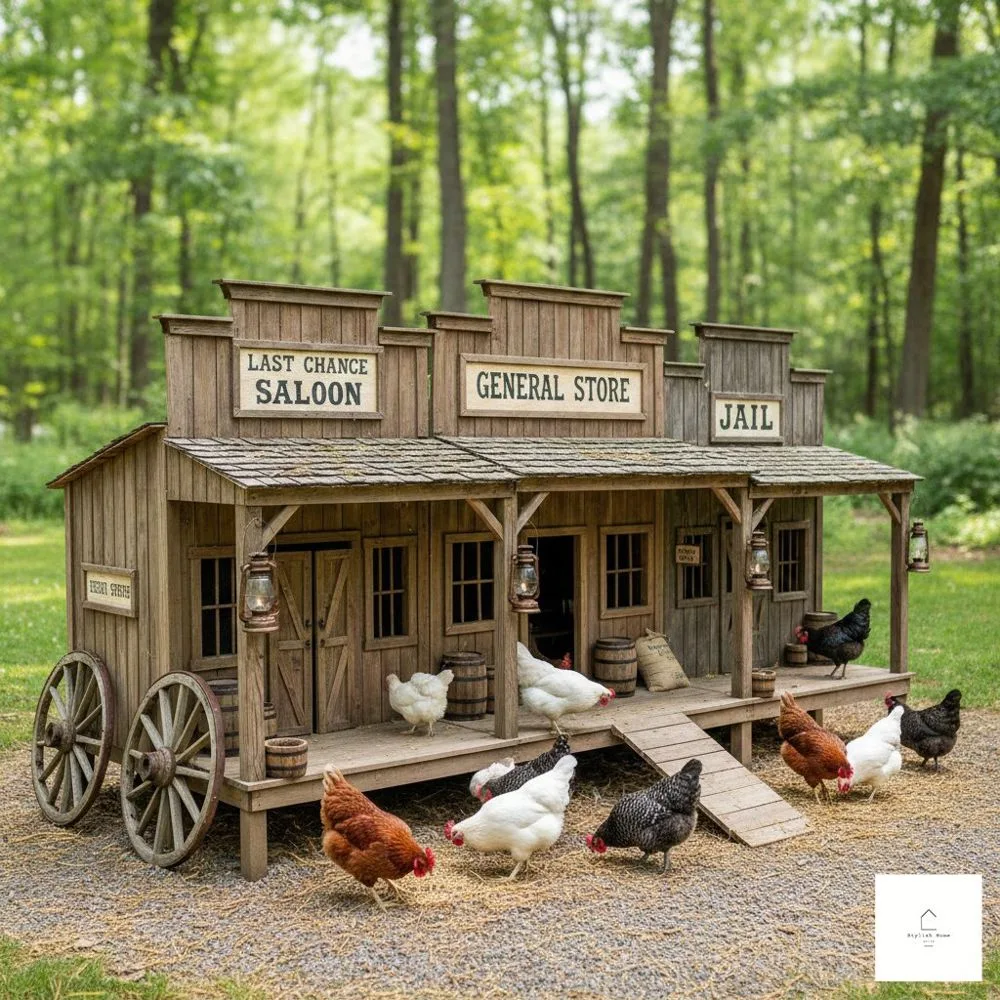
Creating an old western town chicken coop combines practical animal husbandry with historical appreciation and creative expression. Whether you choose to build from scratch, convert an existing structure, or commission a custom design, the result will be a distinctive addition to your property that serves your flock while celebrating American heritage.
Remember that perfection isn’t the goal. Authentic frontier structures were built quickly with available materials by people focused on function over form. Slight imperfections, variations in board width, and weathered finishes all contribute to the charm. Your old western chicken coop doesn’t need to look professionally constructed; it needs to look authentic, functional, and loved.
As you plan and build, consider what specific elements of frontier life and architecture resonate most with you. Perhaps it’s the simplicity and self-sufficiency of homestead living. Maybe it’s the entrepreneurial spirit of boom towns and mining camps. Or it could be the romantic notion of open spaces and limitless possibilities. Let these personal connections guide your design choices, creating an old west chicken town structure that’s uniquely yours.
The chickens themselves don’t particularly care about aesthetics, but they will thrive in a well-designed, properly constructed coop regardless of its style. The old western town chicken coop allows you to provide excellent housing for your flock while indulging your appreciation for frontier history and rustic beauty. It’s a win for everyone involved, feathered and otherwise.
Start planning your project today. Sketch ideas, gather inspiration from historical photographs, scout for salvaged materials, and imagine the satisfaction of collecting eggs from your own piece of the Old West. The frontier spirit of independence, creativity, and making do with what you have is perfectly embodied in the project of building an old western chicken coop. Your backyard frontier awaits.
A Heritage Worth Preserving: Final Thoughts on Frontier Chicken Keeping
The old western town chicken coop represents more than a housing solution for poultry. It’s a tangible connection to our collective past, a celebration of self-sufficiency, and a testament to the enduring appeal of frontier aesthetics. In an era of increasing urbanization and disconnection from food sources, raising chickens in a structure that honors historical traditions creates meaningful links to the past while serving practical present-day needs.
These distinctive coops remind us that functional structures can also be beautiful, that efficiency and aesthetics aren’t mutually exclusive, and that our daily routines can be enriched by thoughtful design. The old western chicken coop brings story and character to your backyard, transforming chicken keeping from a simple hobby into a lifestyle statement that celebrates American heritage.
Whether you’re an experienced builder or a novice taking on your first major project, creating an old west chicken town structure offers rewards that extend far beyond fresh eggs. You’ll develop new skills, gain appreciation for historical construction methods, and create something that brings daily joy while serving an essential purpose. The weathered wood, the vintage hardware, the careful details all combine to produce something greater than the sum of its parts.
Your old western town chicken coop awaits. With planning, effort, and appreciation for frontier traditions, you’ll create a backyard feature that delights for years to come, houses your flock in style, and keeps a piece of American history alive in your own small way. The frontier spirit lives on, one chicken coop at a time.