
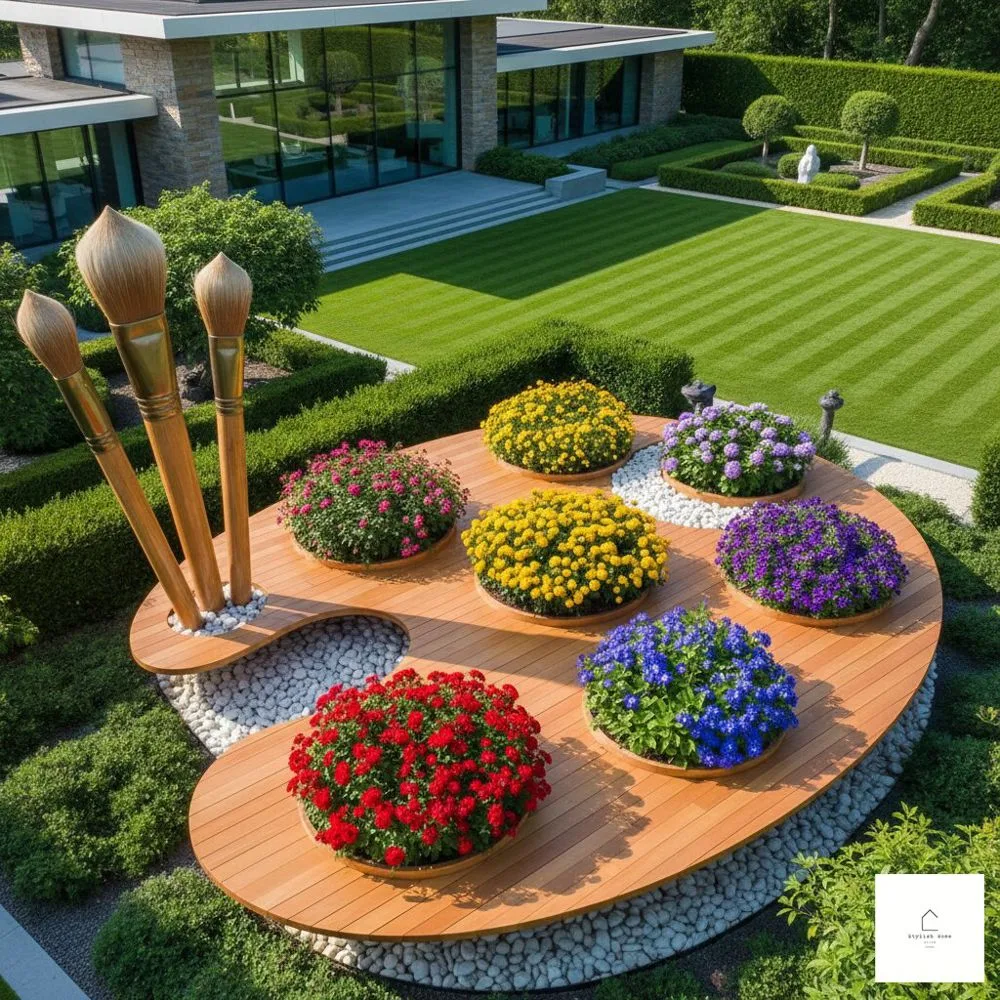
Gardens have always been nature’s canvas, but a paint palette garden takes this concept to an entirely new level. Imagine stepping into your backyard and feeling like you’ve walked into a living painting, where every bloom, leaf, and texture has been carefully chosen to create visual harmony. This approach to garden design goes beyond simply planting pretty flowers. It’s about understanding color relationships, creating mood through strategic plant placement, and developing an outdoor space that evolves like a masterpiece throughout the seasons.
The concept of designing gardens with color theory in mind has gained tremendous momentum among both amateur gardeners and landscape professionals. Whether you’re working with a small urban balcony or a sprawling suburban yard, applying artistic principles to your garden design can transform an ordinary green space into an extraordinary sensory experience.
Understanding Color Theory in Garden Design
Before you start digging in the dirt, it’s worth understanding the basics of color theory and how it applies to outdoor spaces. Just as painters mix pigments on their palettes, gardeners can blend flowers, foliage, and hardscaping elements to create stunning visual effects.
The color wheel remains your best friend when planning a paint palette garden. Primary colors like red, blue, and yellow form the foundation. Secondary colors emerge when you combine primaries, giving you orange, green, and purple. Tertiary colors fill in the gaps, offering endless possibilities for creating depth and interest in your plantings.
Complementary colors sit opposite each other on the color wheel and create dynamic, eye-catching combinations. Think purple salvia paired with yellow coreopsis, or orange marigolds dancing alongside blue lobelia. These high-contrast pairings energize a space and draw the eye across the garden.
Analogous color schemes use colors that sit next to each other on the wheel. A combination of yellow, orange, and red creates warmth and cohesion. Blue, purple, and pink combinations offer a cooler, more serene atmosphere. These harmonious arrangements feel naturally balanced and are particularly forgiving for beginning garden designers.
Choosing Your Garden’s Color Story
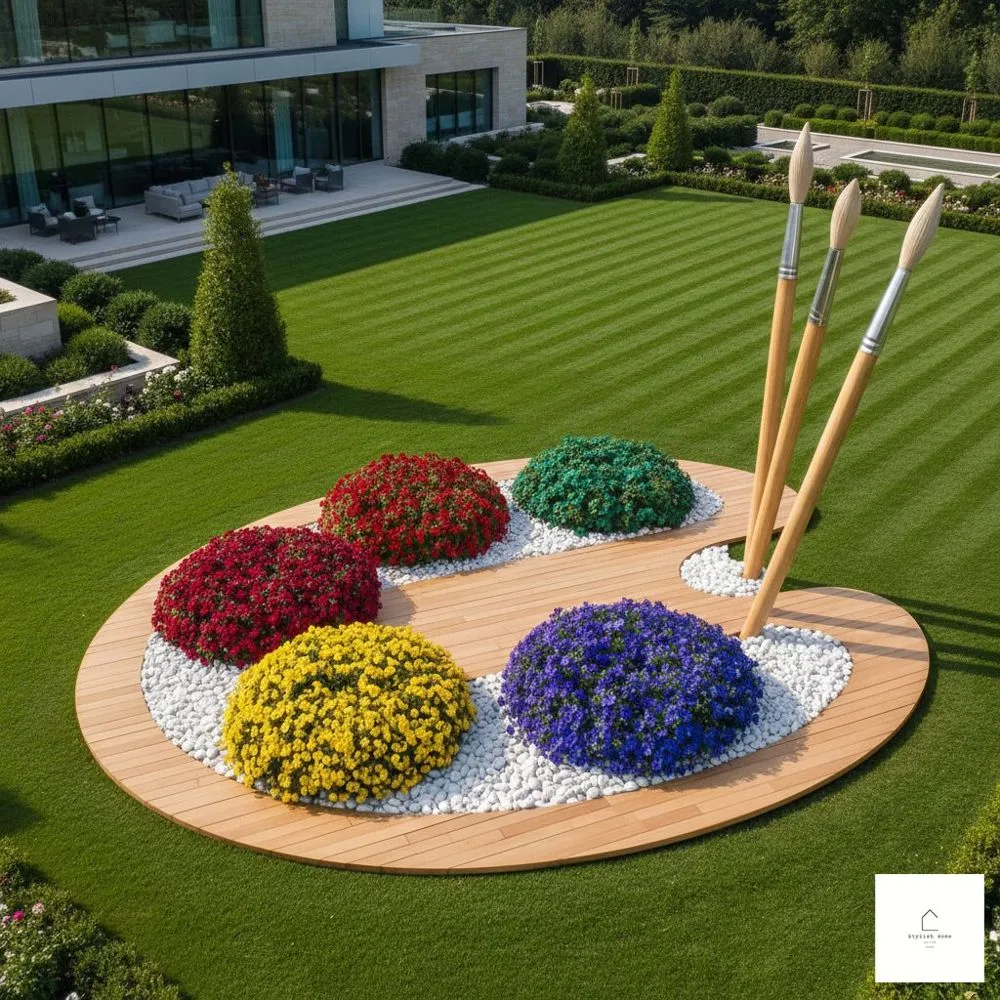
Every successful paint palette garden begins with a vision. What emotions do you want your garden to evoke? What colors make you feel energized, peaceful, or inspired? Your answers to these questions will guide your entire design process.
Warm color palettes featuring reds, oranges, and yellows create vibrant, energetic spaces that seem to advance toward the viewer. These gardens feel intimate and cozy, perfect for entertaining areas or spaces where you want to encourage activity and conversation. Warm-toned gardens also photograph beautifully during golden hour, making them ideal if you enjoy sharing your garden on social media.
Cool color schemes incorporating blues, purples, and whites create a sense of calm and spaciousness. These colors recede visually, making them excellent choices for smaller gardens where you want to create an illusion of depth. Cool gardens provide respite from summer heat and offer tranquil spaces for meditation or quiet reading.
Monochromatic gardens focus on variations of a single color, playing with different shades, tints, and tones. A white garden glows ethereally at dusk, while an all-purple garden creates drama and sophistication. These gardens challenge you to explore texture and form more deeply since you’re not relying on color contrast for interest.
Seasonal Considerations for Year-Round Color
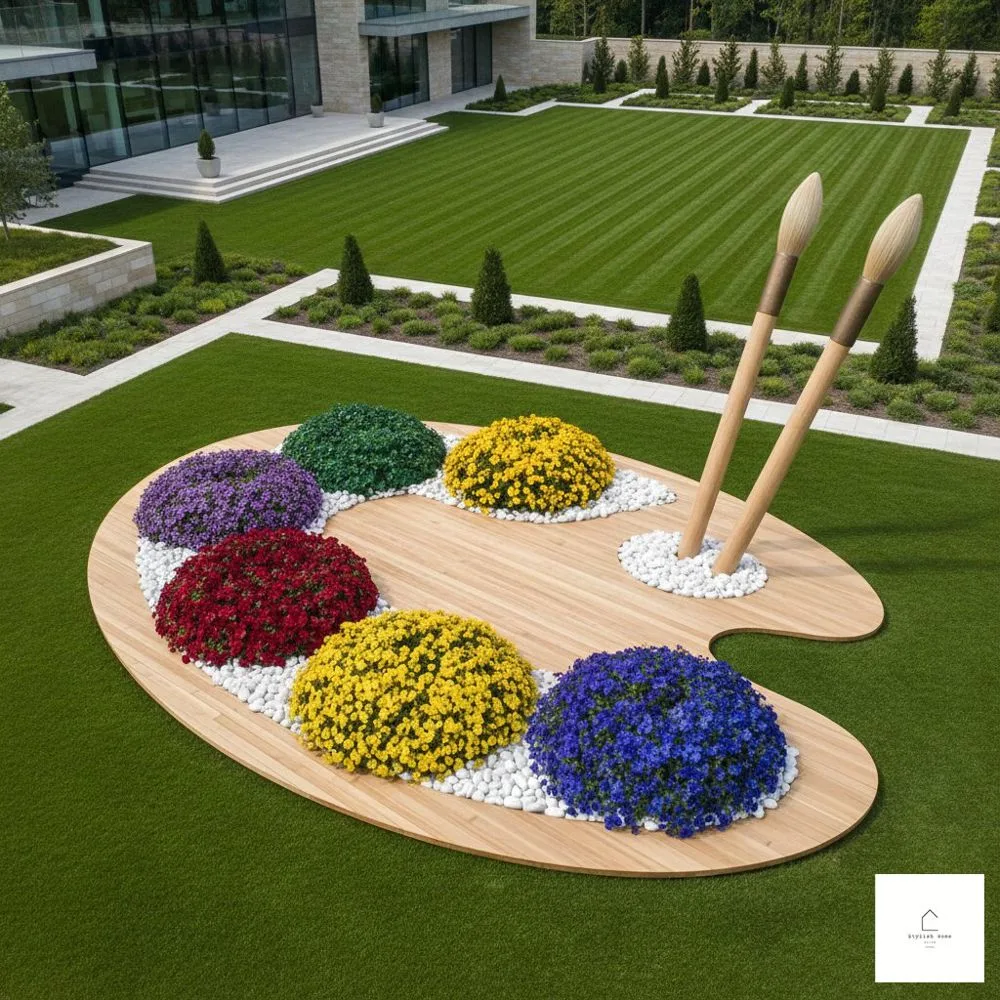
A truly successful paint palette garden thinks beyond the peak summer bloom period. Strategic planning ensures your garden canvas remains interesting throughout all four seasons, with different colors taking center stage as the year progresses.
Spring gardens often feature pastel palettes with tulips, daffodils, and flowering trees providing soft pinks, yellows, and whites. These gentle colors reflect the tender new growth emerging after winter dormancy. Consider adding early perennials like hellebores and pulmonaria to bridge the gap between bulb season and summer abundance.
Summer brings the most intense color opportunities. Perennials like echinacea, rudbeckia, and phlox reach their peak, while annuals such as zinnias, petunias, and marigolds offer continuous color until frost. This is when your paint palette garden can truly shine with bold, saturated hues that stand up to bright sunlight.
Autumn transforms your garden with warm, rich tones. Ornamental grasses turn golden bronze, asters provide purple and pink accents, and sedums deepen to russet red. Fall foliage from trees and shrubs adds layers of amber, crimson, and burnt orange that complement your remaining perennials beautifully.
Winter gardens rely more heavily on structure and subtle color, but they shouldn’t be dismissed. Evergreen shrubs provide constant green backdrops, while the architectural forms of dried perennials and ornamental grasses create texture against snow. Red-twig dogwood, winterberry holly, and ornamental cabbages offer unexpected pops of color during the coldest months.
Selecting Plants for Your Color Palette
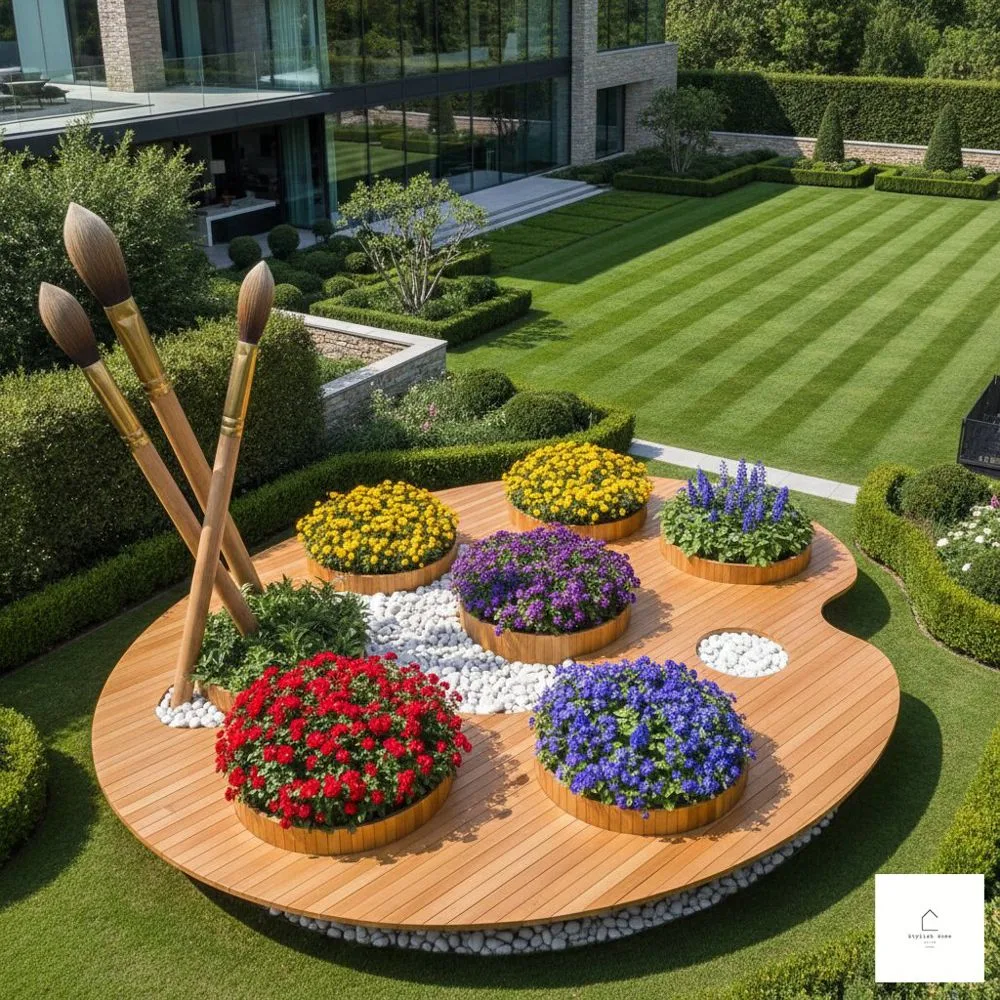
Once you’ve determined your color scheme and seasonal goals, it’s time to select specific plants. Successful plant selection for a paint palette garden requires balancing color, bloom time, height, texture, and growing requirements.
Start by creating a plant list organized by color and bloom time. Research which plants thrive in your hardiness zone and match your garden’s light and soil conditions. A beautiful color combination means nothing if the plants won’t survive in your specific environment.
Consider foliage color as carefully as flower color. Many plants offer colorful leaves that provide interest far longer than blooms. Purple-leafed heuchera, golden-leaved hostas, silver artemisia, and chartreuse sweet potato vine all contribute to your color story while adding textural diversity.
Don’t forget about bloom size and form. Large, bold flowers like dinner-plate dahlias or oriental lilies create focal points, while smaller blooms like alyssum or baby’s breath fill spaces and soften edges. Varying flower forms keeps your garden visually interesting even within a limited color palette.
Height layering is crucial for creating depth in your paint palette garden. Place taller plants like delphiniums, hollyhocks, or ornamental grasses toward the back of borders, medium-height plants like coneflowers and salvia in the middle, and low-growing options like creeping thyme or sweet alyssum at the front.
Creating Focal Points and Visual Flow
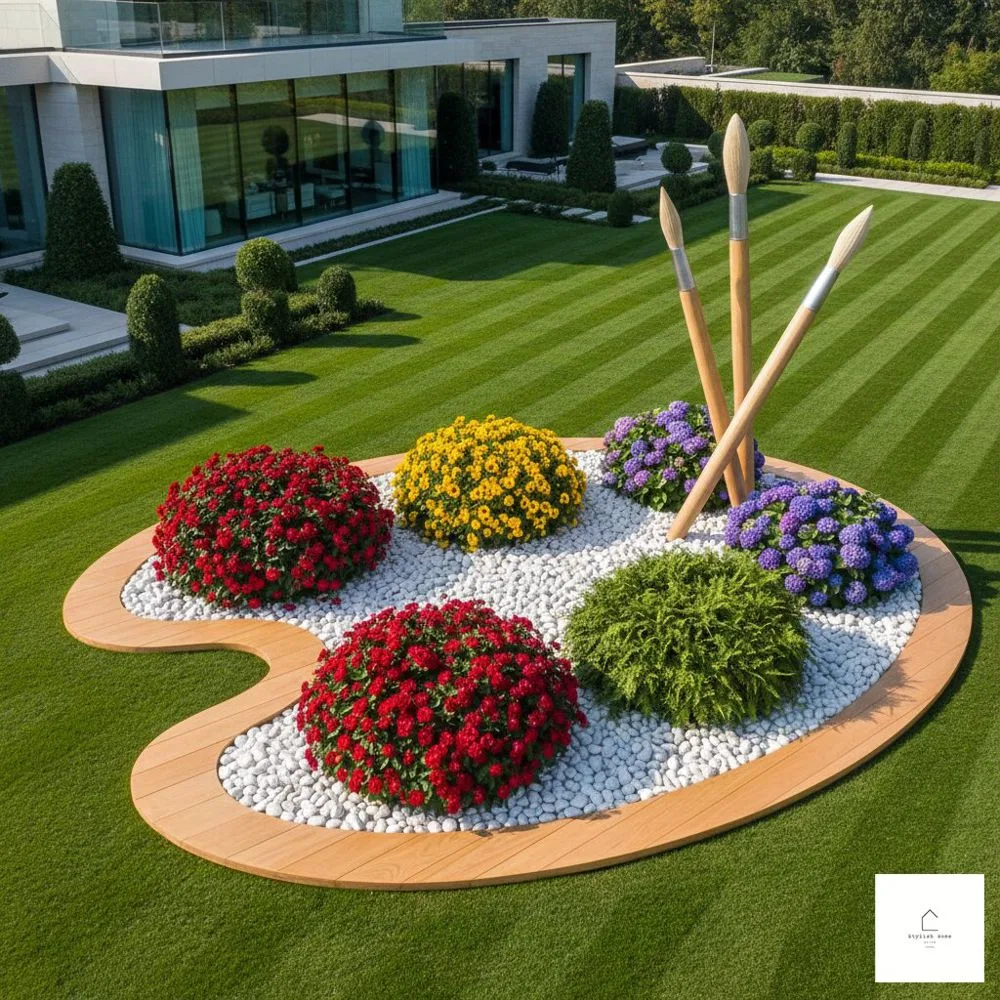
Great paint palette gardens guide the viewer’s eye through the space using strategic color placement and focal points. Think of your garden as a painting where certain elements draw immediate attention while others provide supporting context.
Create focal points using color intensity or contrast. A bright red rose bush surrounded by silvery lamb’s ear immediately captures attention. A purple clematis climbing a white arbor creates a striking vertical element that draws eyes upward.
Repetition creates rhythm and unity in garden design. Rather than using each plant only once, repeat key colors and plant varieties throughout your space. This technique, called echoing, helps tie disparate areas together and creates a more cohesive, professional appearance.
Drifts and mass plantings make stronger visual impacts than single specimens scattered randomly. Plant groups of odd numbers for the most natural look. Five purple salvias create more impact than one, while a drift of seven yellow coreopsis reads as an intentional design element rather than an accident.
Use paths, borders, and hardscaping to enhance your color story. Gravel paths in warm terracotta tones complement hot-colored plantings, while cool gray pavers enhance blue and purple schemes. Consider how your non-living elements contribute to the overall palette.
Maintaining Color Harmony Throughout the Season
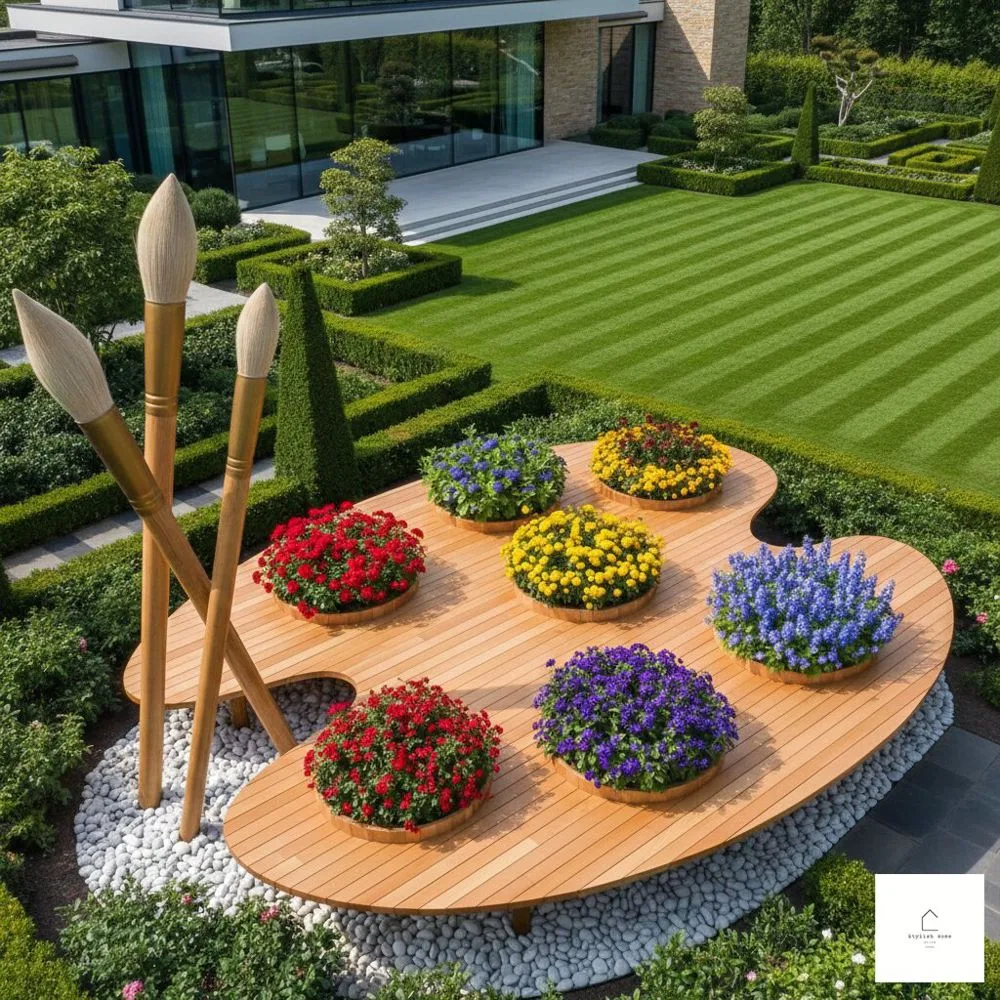
Keeping your paint palette garden looking its best requires ongoing maintenance and strategic interventions throughout the growing season. Deadheading spent blooms encourages many perennials and annuals to produce additional flowers, extending the color show. Regular grooming removes faded flowers that might clash with your intended color scheme.
Strategic pruning helps maintain the balance between different colored elements. If one plant threatens to overwhelm its neighbors, selective cutting back redistributes visual weight. Some gardeners even remove certain blooms or buds to maintain their desired color ratios.
Container gardens offer flexibility for adjusting your palette as seasons change. Swap out pots of spring bulbs for summer annuals, then transition to autumn mums and ornamental kale. This approach works especially well for renters or anyone wanting to experiment with different color combinations before committing to in-ground plantings.
Pay attention to how light affects your colors throughout the day. Morning light brings out cool tones, midday sun intensifies warm colors, and evening light adds golden casts to everything. Position your most important color combinations where they’ll be seen during the times you most frequently use your garden.
Common Mistakes to Avoid
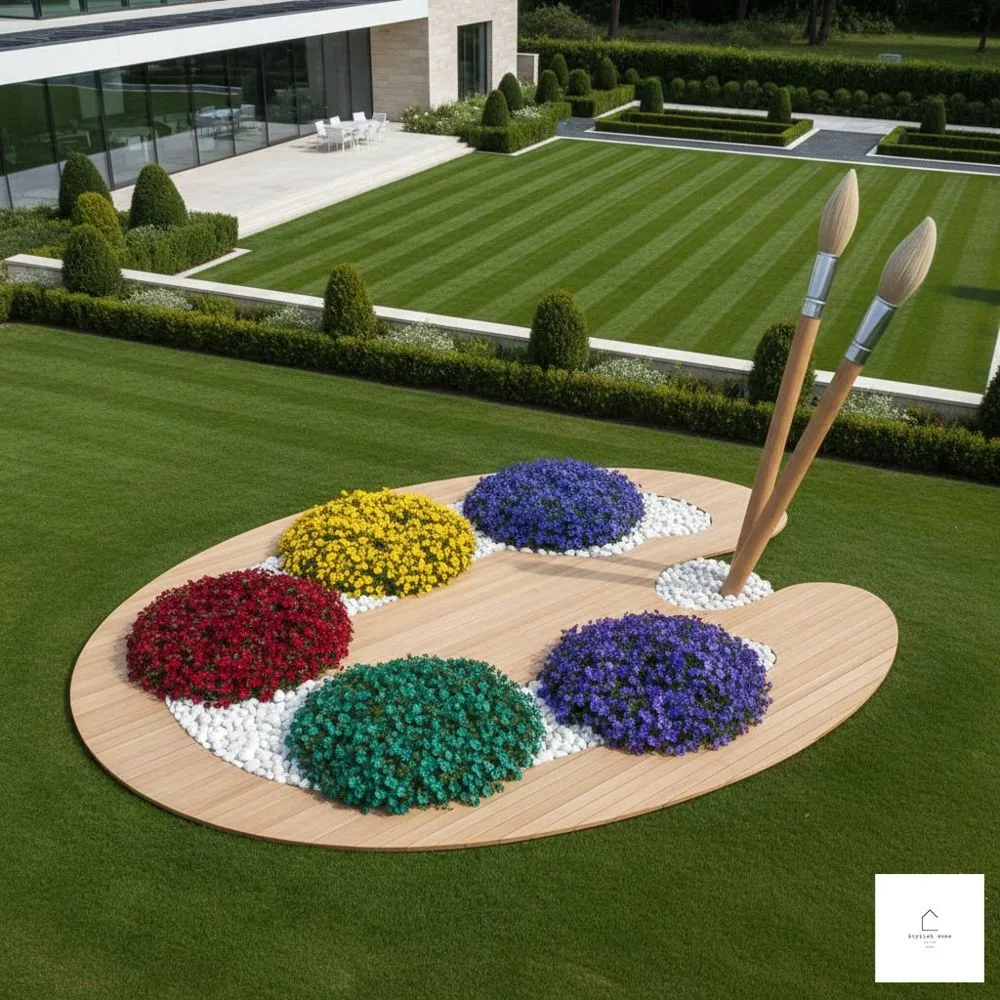
Even experienced gardeners can stumble when creating their first paint palette garden. Learning from common pitfalls saves time, money, and frustration.
Avoid using too many colors without a unifying theme. While diversity seems appealing, gardens with every color represented often feel chaotic rather than artistic. Limit yourself to three to five main colors for the most cohesive results.
Don’t ignore foliage when planning color schemes. Green comes in countless shades, from blue-green to yellow-green, and these variations significantly impact how flower colors appear. A red flower looks different against dark green foliage versus chartreuse leaves.
Resist the temptation to fill every space immediately. Gardens need breathing room, and some negative space allows individual colors to shine without competition. Mulch provides a neutral background that makes colors pop while you wait for plants to mature.
Remember that photographs can be misleading. Plant catalog photos often show peak bloom under ideal conditions. Research realistic mature sizes and actual bloom durations to avoid disappointment when your garden doesn’t match the glossy images.
Inspiring Paint Palette Garden Themes to Consider
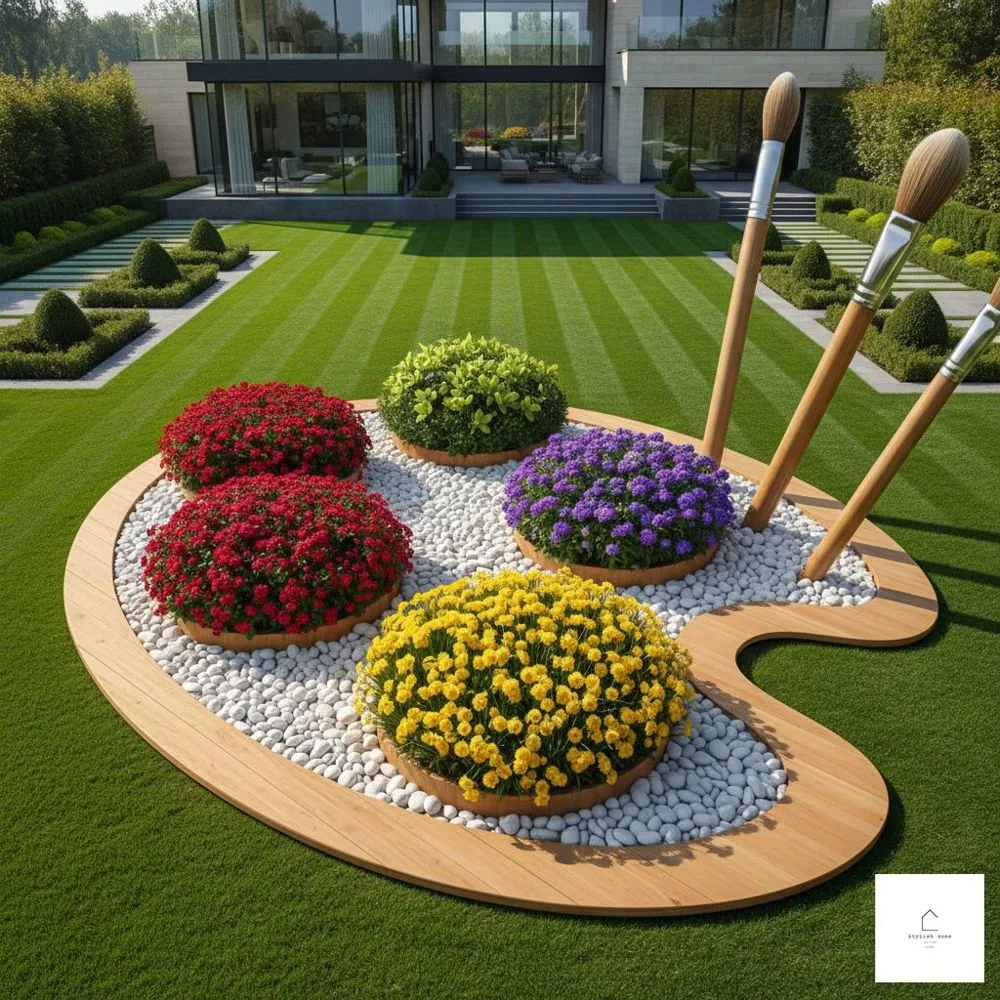
Looking for specific direction? These themed approaches to paint palette gardens provide frameworks for developing your unique outdoor space.
Sunset gardens capture the magic of evening skies with progressions from yellow through orange to deep red and purple. These gardens glow in late afternoon light and create romantic, warm atmospheres perfect for entertaining.
Cottage gardens traditionally embrace pastel palettes with pink roses, blue delphiniums, white daisies, and lavender creating soft, romantic spaces. This approach works beautifully for those who love traditional English garden aesthetics.
Tropical-inspired gardens use intense, saturated colors like hot pink, electric orange, and vivid purple alongside bold foliage. Even temperate-climate gardeners can achieve this look using hardy hibiscus, cannas, and elephant ears.
Meadow-style gardens incorporate naturalistic drifts of color inspired by wild landscapes. Purple coneflowers, golden black-eyed Susans, and blue bachelor’s buttons create casual, low-maintenance beauty that supports pollinators.
Wrapping Up Your Garden Masterpiece
Designing a paint palette garden represents a beautiful intersection of art and horticulture. By understanding color theory, selecting plants thoughtfully, and maintaining your vision throughout the seasons, you create outdoor spaces that nourish both the eyes and the soul. Your garden becomes more than a collection of plants. It transforms into a living artwork that evolves, surprises, and delights.
Whether you choose bold, contrasting colors or subtle, harmonious tones, the key lies in intentionality. Every plant selection, every color placement, and every seasonal transition contributes to your overall vision. Start small if the prospect feels overwhelming. A single border or container grouping lets you experiment with color relationships before expanding your palette across larger spaces.
Remember that gardens are never truly finished. They grow, change, and develop character over time. Your paint palette garden will teach you lessons each season, revealing which combinations sing and which need adjustment. Embrace this evolutionary process as part of the creative journey, and enjoy watching your living masterpiece unfold.