
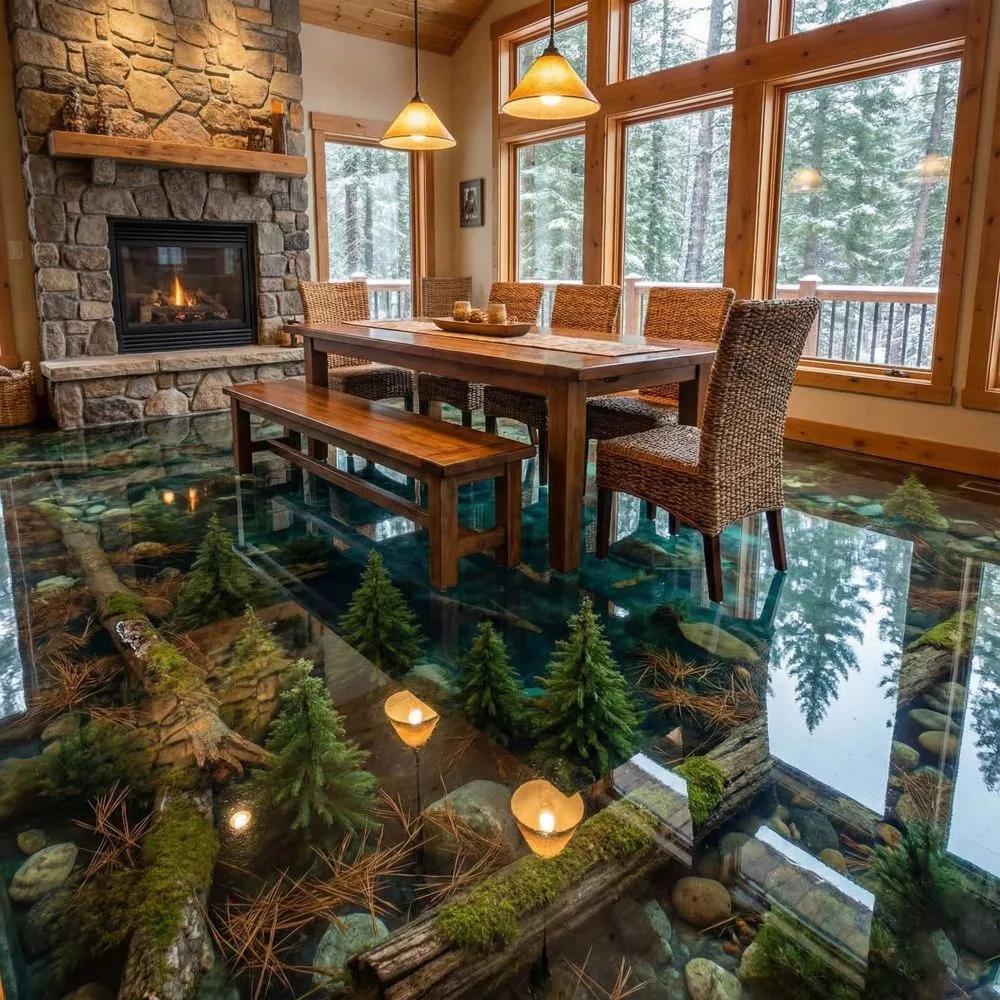
The world of interior design constantly evolves, bringing fresh concepts that blend functionality with artistic expression. Among the most captivating trends gaining momentum is the pine tree epoxy floor, a stunning fusion of natural pine wood elements encased in crystal clear epoxy resin. This innovative flooring solution has captured the attention of homeowners, business owners, and designers who seek to create spaces that stand out while maintaining durability and practicality.
A pine tree epoxy floor goes beyond traditional flooring options by incorporating actual pine wood slices, branches, or custom designed patterns that mimic the organic beauty of pine trees. The transparent or tinted epoxy resin acts as both a protective layer and a display case, preserving the natural character of the wood while creating a smooth, seamless surface. The result is a floor that tells a story, bringing the outdoors inside and creating a conversation piece in any room.
This flooring technique has gained recognition not just for its aesthetic appeal but also for its versatility. Whether you’re renovating a rustic cabin, updating a modern loft, or designing a commercial space that needs visual impact, pine tree epoxy floors offer endless possibilities for customization and creative expression.
What Makes Pine Tree Epoxy Floors Special
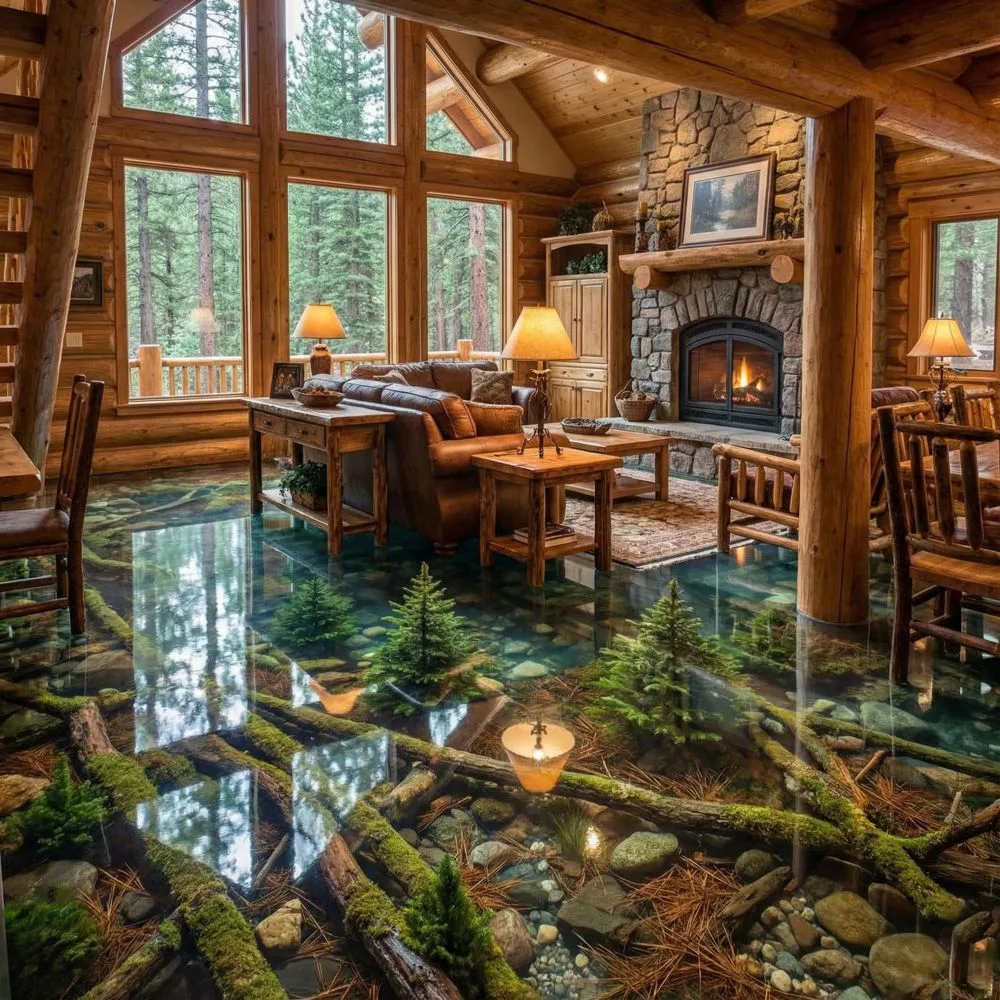
The uniqueness of pine tree epoxy floors lies in their ability to preserve natural materials in a functional, walkable surface. Unlike traditional hardwood floors that show the top surface of planks, epoxy floors can showcase pine wood from various angles, creating depth and dimensional interest that changes as you move through the space.
Pine wood brings its own distinctive characteristics to these floors. The grain patterns, natural knots, and warm honey tones of pine create visual warmth that complements both contemporary and traditional design schemes. When encased in epoxy, these features become permanent focal points that won’t fade or deteriorate over time.
The epoxy resin itself contributes significantly to the floor’s appeal. High quality epoxy creates a glass like finish that enhances the natural beauty of the pine while providing exceptional durability. This protective coating resists scratches, stains, and moisture damage far better than traditional wood finishes, making it an ideal choice for high traffic areas or spaces prone to spills.
Design Possibilities with Pine Tree Epoxy Floors
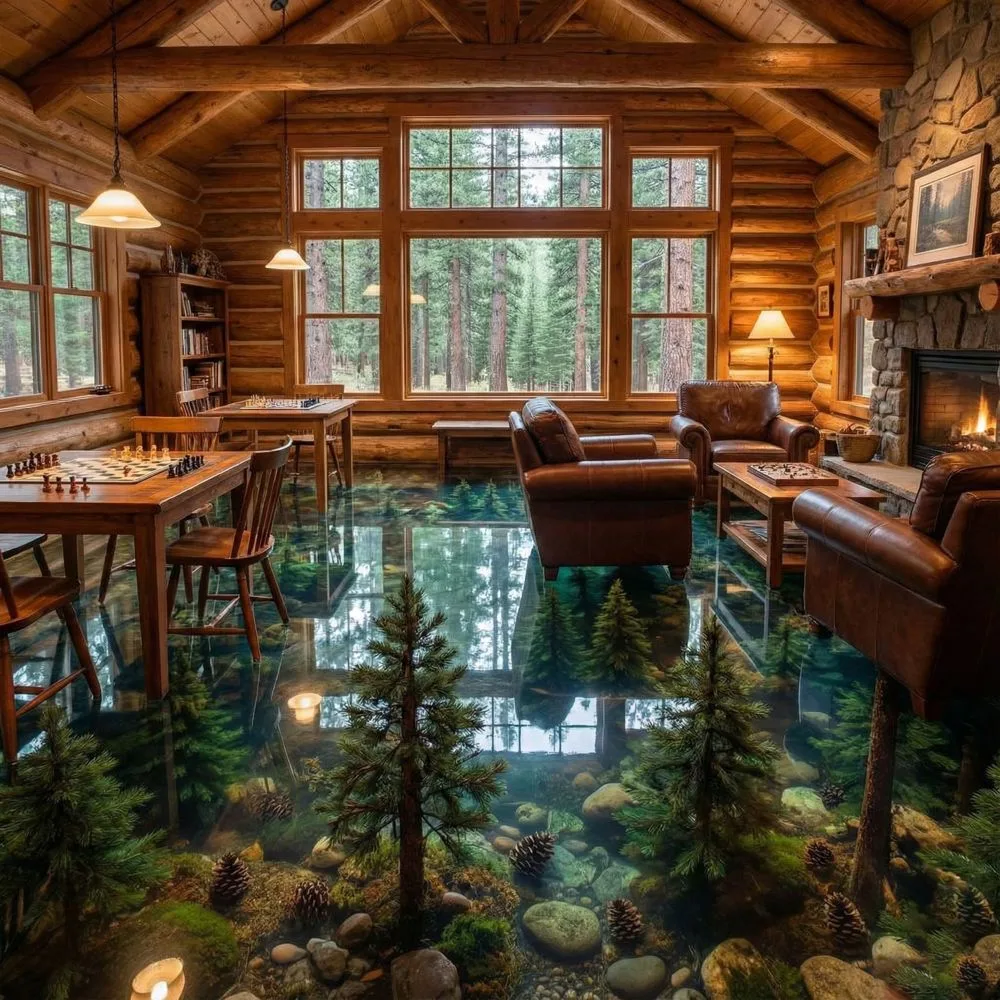
The design potential of pine tree epoxy floors is virtually limitless. Some homeowners choose to embed thin pine slices in geometric patterns, creating a mosaic effect that resembles looking down through water at a forest floor. Others prefer larger pine sections arranged organically, with the epoxy flowing around and between pieces like a river.
One popular approach involves creating a feature area within a larger floor, perhaps in an entryway or beneath a dining table, where pine elements are concentrated for maximum visual impact. The surrounding floor might use solid colored epoxy or a complementary design that frames the pine showcase.
Color plays an important role in these designs as well. While clear epoxy allows the natural pine tones to shine, tinted epoxy can create dramatic effects. Deep blue epoxy surrounding pine pieces evokes a forest lake, while white or light gray epoxy gives a contemporary, almost ethereal quality to the natural wood elements. Metallic epoxy powders can add shimmer and depth, creating the illusion of sunlight filtering through trees.
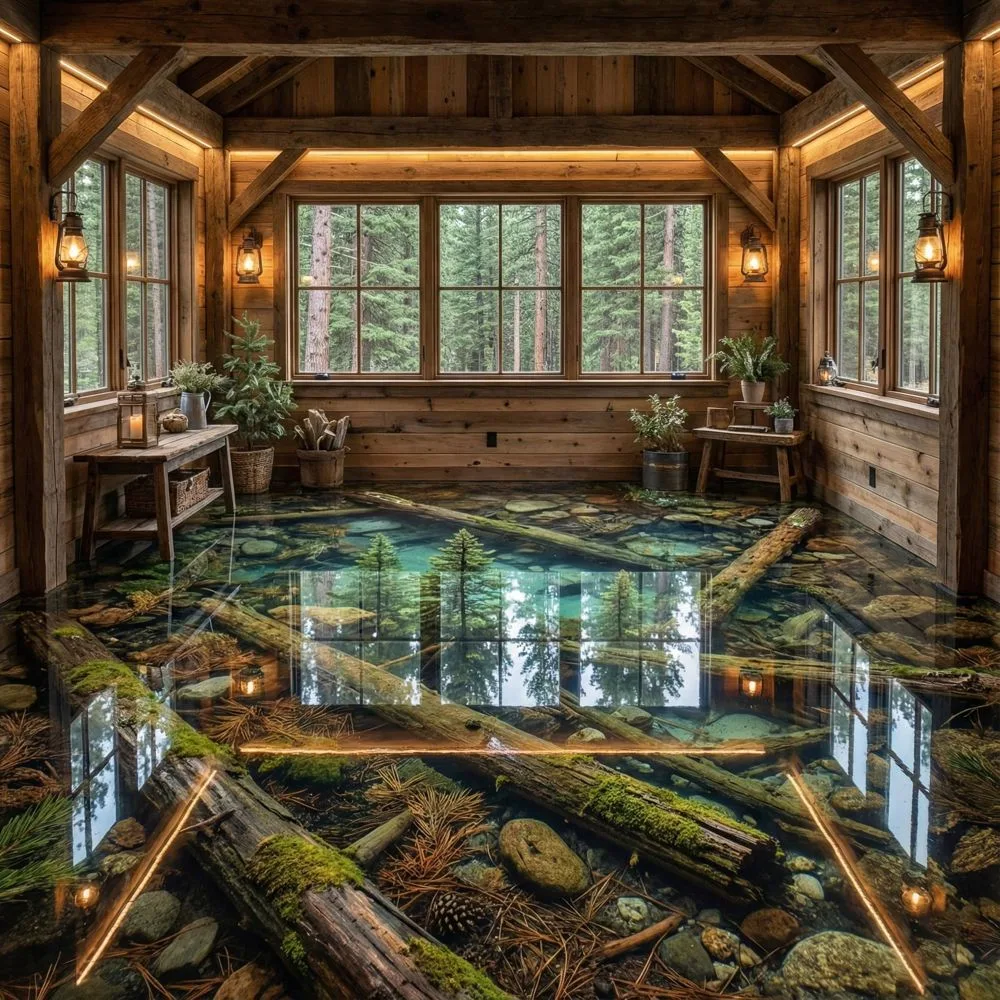
Three dimensional effects are also achievable with pine tree epoxy floors. By varying the thickness of epoxy layers and the depth at which pine pieces are placed, installers can create the perception of depth, making the floor appear deeper than it actually is. This technique is particularly striking when combined with LED underlighting.
The Installation Process Explained
Creating a pine tree epoxy floor requires careful planning and execution. The process begins with proper substrate preparation, which is critical for ensuring the epoxy bonds correctly and the finished floor remains level and stable. Concrete subfloors are ideal, though wood subfloors can work with appropriate preparation and moisture barriers.
Once the substrate is prepared, dried, and sealed, the design phase begins. Pine pieces must be properly dried and treated to prevent moisture issues that could compromise the epoxy. Many installers kiln dry their pine elements or use naturally aged wood that has reached equilibrium with ambient humidity levels. Treating the pine with a sealant before embedding prevents air bubbles from forming when the epoxy is poured.
The actual installation typically happens in layers. An initial seal coat of epoxy is applied to the substrate, creating a base. Pine elements are then positioned according to the design plan. Depending on the desired effect, these pieces might sit directly on the seal coat or be suspended at various heights using temporary supports that are later removed.
The flood coat comes next, where epoxy is poured to cover the pine elements completely. This stage requires skill to ensure even coverage without air pockets or thin spots. Larger installations often require multiple pours to build up adequate thickness. Between layers, the epoxy must cure to a specific stage before additional layers can be added.
Final finishing involves sanding and applying a protective top coat. Some installers add multiple top coats for enhanced durability, particularly in commercial applications or high traffic residential areas. The curing process can take several days to a week, during which the floor must be protected from dust, debris, and foot traffic.
Cost Considerations for Your Pine Tree Epoxy Floor
Budget planning for a pine tree epoxy floor requires understanding several cost factors. Material costs include the epoxy resin itself, which varies widely in quality and price, the pine wood elements, any colorants or additives, and the necessary preparation and finishing materials.
Professional installation is the largest expense for most projects. Epoxy flooring requires specialized knowledge and equipment, and mistakes can be costly to correct. Labor costs typically range from moderate to high depending on design complexity, room size, and regional pricing. A simple design in a small room will cost considerably less than an elaborate custom design covering a large open floor plan.
The pine elements themselves contribute to the overall cost. Purchasing pre cut pine slices from specialty suppliers offers convenience but costs more than sourcing and preparing raw pine yourself. Unique or figured pine pieces command premium prices, while standard pine is more affordable.
Despite the upfront investment, pine tree epoxy floors offer excellent long term value. Their durability means they can last decades without needing replacement, unlike many traditional flooring materials that require periodic renewal. The low maintenance requirements also translate to savings over time, as these floors need only basic cleaning rather than refinishing, resealing, or other intensive maintenance procedures.
Maintenance and Longevity of Pine Tree Epoxy Floors
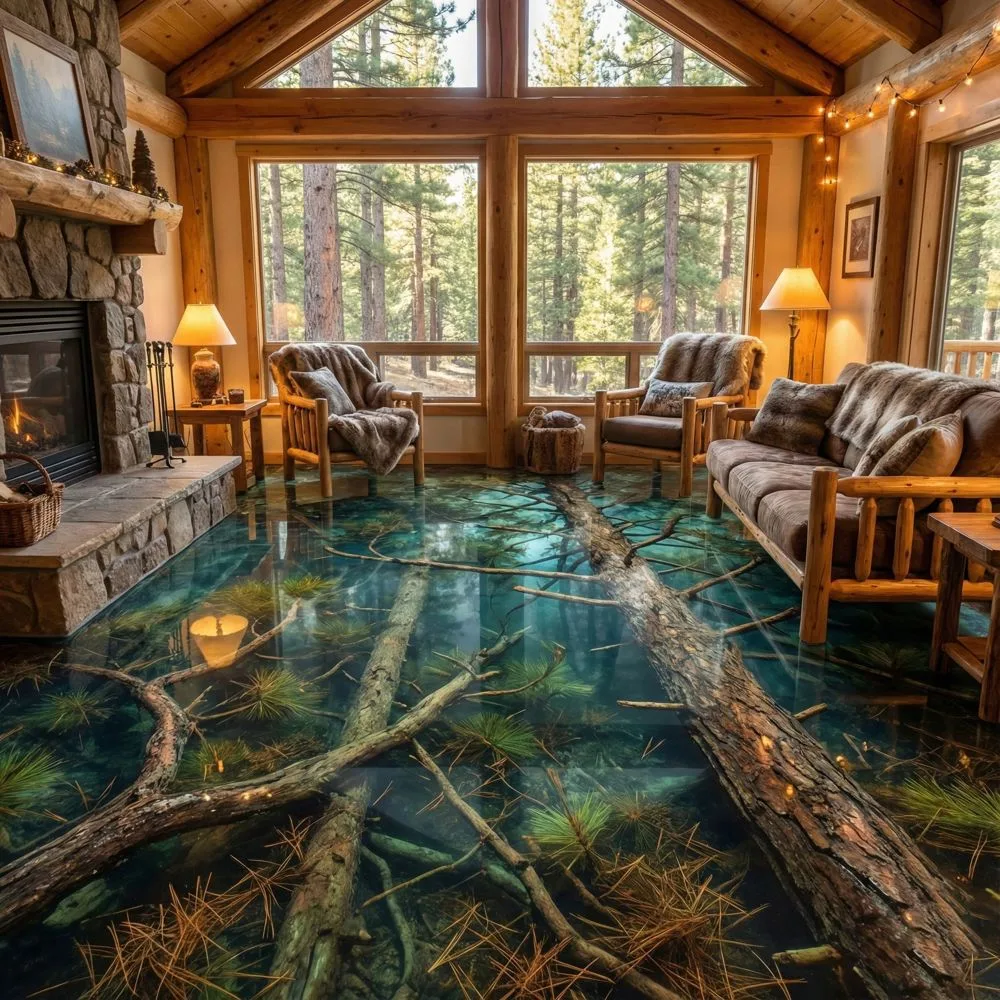
One of the most attractive features of pine tree epoxy floors is their remarkably simple maintenance requirements. Unlike hardwood floors that need regular refinishing or tile floors with grout that stains and deteriorates, epoxy floors maintain their appearance with minimal effort.
Daily maintenance involves simple dust mopping or sweeping to remove loose dirt and debris. For deeper cleaning, a damp mop with a pH neutral cleaner is all that’s needed. The non porous nature of cured epoxy means spills sit on the surface rather than penetrating, making cleanup easy and preventing stains from setting.
Protecting your investment requires a few simple precautions. Placing mats at entrances helps trap dirt and grit that could scratch the surface over time. Furniture pads prevent scratches from chairs and tables. While epoxy is highly durable, it’s not completely scratch proof, so taking basic protective measures extends the floor’s pristine appearance.
The longevity of pine tree epoxy floors is impressive. With proper installation and reasonable care, these floors can maintain their beauty for twenty years or more. The epoxy won’t yellow significantly if quality UV resistant products are used, and the encased pine remains protected from the wear and environmental factors that degrade traditional wood floors.
Should damage occur, many minor scratches can be buffed out or filled with additional epoxy. More significant damage may require professional repair, but the sectional nature of epoxy floors often allows for localized repairs without replacing the entire floor.
Environmental Considerations and Sustainability
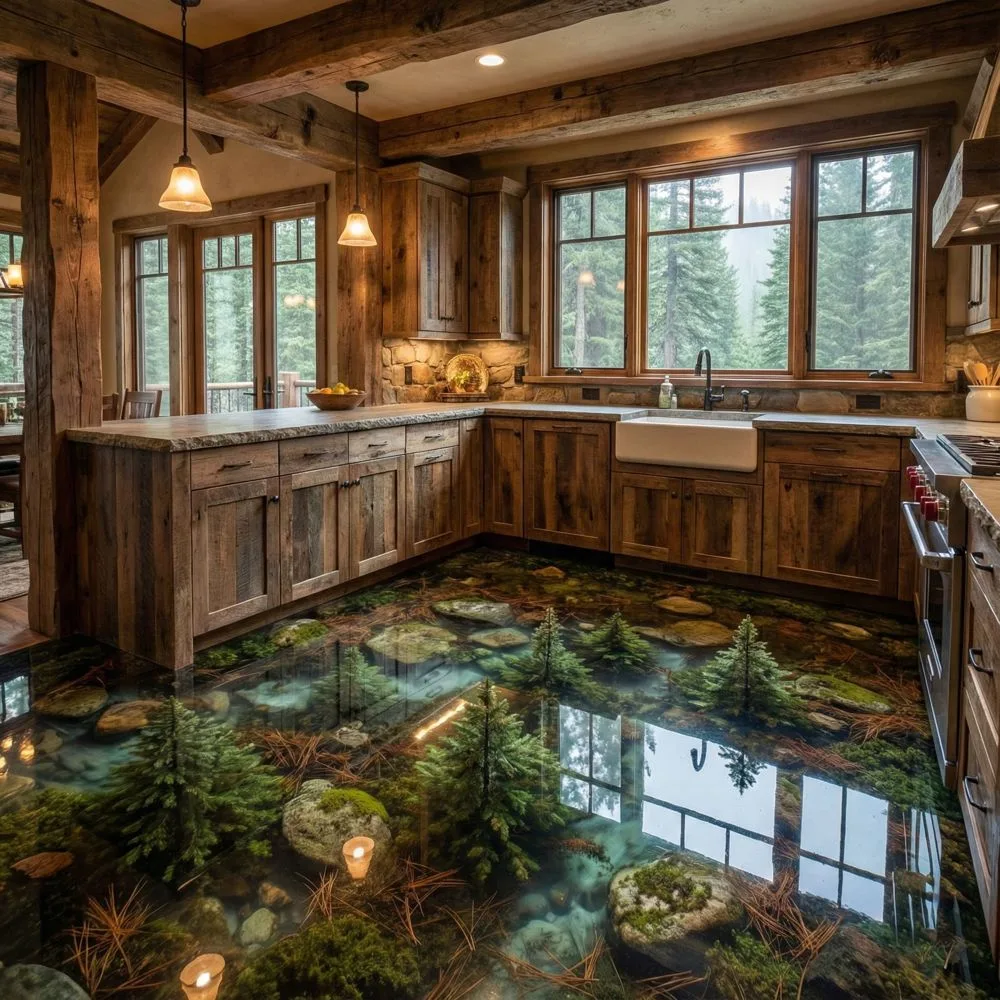
For environmentally conscious homeowners, pine tree epoxy floors present both opportunities and considerations. On the positive side, these floors can incorporate reclaimed or salvaged pine, giving new life to wood that might otherwise be discarded. Fallen trees, construction remnants, or demolished building materials can all be transformed into beautiful flooring elements.
Pine is a relatively sustainable wood choice compared to slower growing hardwoods. Pine trees mature more quickly, making pine a renewable resource when sourced from responsibly managed forests. Choosing pine from certified sustainable forestry operations ensures your flooring doesn’t contribute to deforestation or habitat destruction.
The epoxy component requires more careful consideration. Traditional epoxy resins are petroleum based products, which raises sustainability concerns. However, the industry is evolving, with manufacturers developing bio based epoxies derived from plant materials. While these may cost more, they reduce the environmental impact of your flooring choice.
The longevity of pine tree epoxy floors contributes positively to their environmental profile. A floor that lasts decades means fewer resources consumed over time compared to flooring materials that need frequent replacement. This durability reduces waste and the environmental costs associated with manufacturing and transporting replacement materials.
Ideal Applications for Pine Tree Epoxy Floors
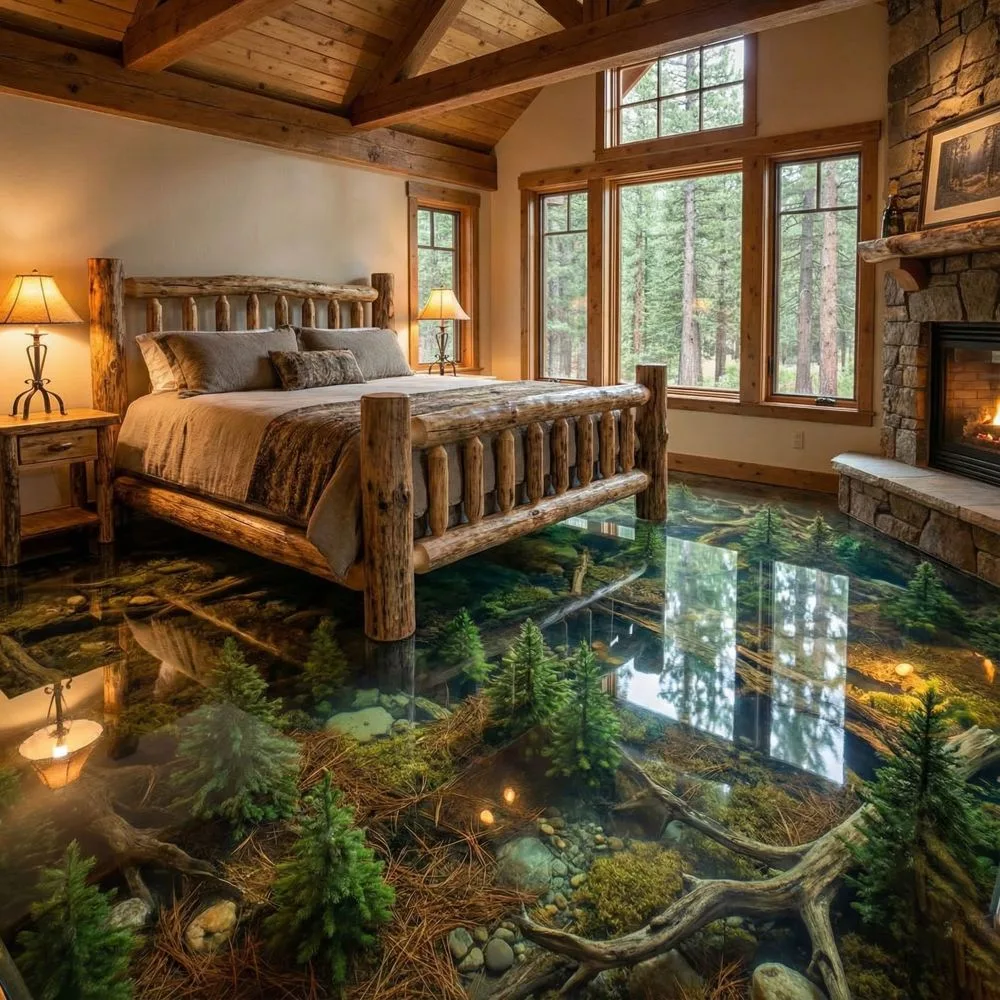
Pine tree epoxy floors excel in various settings, each benefiting from the unique properties these floors offer. Residential applications are perhaps most common, with homeowners installing these floors in living rooms, kitchens, basements, and even bathrooms. The moisture resistance makes epoxy particularly suitable for areas where traditional hardwood would be problematic.
Commercial spaces increasingly embrace pine tree epoxy floors for their durability and visual impact. Retail stores, restaurants, galleries, and office lobbies use these floors to create memorable first impressions. The seamless surface is easy to clean and maintain in high traffic environments, while the unique appearance reinforces brand identity and creates distinctive atmospheres.
Workshops, garages, and utility spaces also benefit from epoxy floors, though designs in these areas might emphasize durability over aesthetics. However, even functional spaces can incorporate pine elements for visual interest without compromising the floor’s practical performance.
Outdoor covered areas present another opportunity for pine tree epoxy floors. Porches, patios under roof coverage, and covered walkways can feature these floors, bringing the design from interior to exterior spaces. UV resistant epoxy formulations are essential for these applications to prevent yellowing and degradation from sun exposure.
Comparing Pine Tree Epoxy Floors to Other Flooring Options
Understanding how pine tree epoxy floors stack up against alternatives helps inform your flooring decision. Traditional hardwood floors offer natural beauty but require more maintenance, are susceptible to water damage, and can be easily scratched or dented. Pine tree epoxy floors provide similar aesthetic appeal with superior durability and moisture resistance.
Compared to standard epoxy floors without wood elements, pine tree designs offer significantly more visual interest and warmth. Plain colored epoxy is functional and durable but can feel industrial or cold. The pine elements add organic beauty that makes spaces feel more inviting and personalized.
Tile and stone flooring are durable and water resistant but lack the seamless appearance of epoxy. Grout lines require maintenance and can harbor bacteria or mold. The hard surface of tile can be uncomfortable for extended standing, whereas epoxy has slight give that’s easier on feet and joints.
Luxury vinyl and laminate floors can mimic wood appearance at lower costs but don’t offer the authenticity or longevity of actual wood embedded in epoxy. These products are also more susceptible to damage and typically need replacement sooner than epoxy floors.
The initial cost of pine tree epoxy floors typically exceeds basic flooring options but compares favorably to premium hardwood, natural stone, or high end tile when longevity and maintenance costs are factored into the total ownership expense.
Finding the Right Installer for Your Pine Tree Epoxy Floor
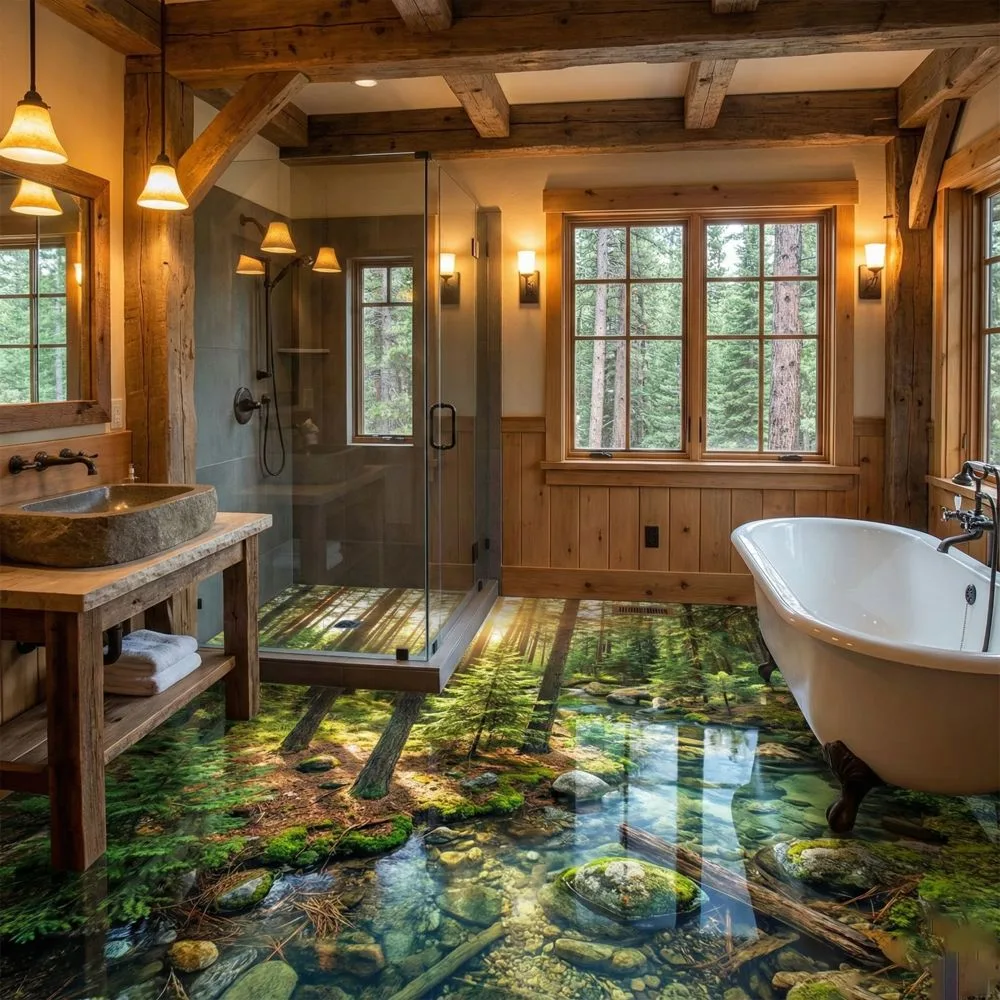
The success of your pine tree epoxy floor depends heavily on skilled installation. Finding qualified installers requires research and due diligence. Start by seeking installers with specific experience in decorative epoxy floors, particularly those who have worked with embedded natural materials.
Requesting portfolios or viewing completed projects helps you assess an installer’s skill level and design capabilities. Pay attention to finish quality, edge details, and how well natural elements are integrated into the overall design. Speaking with previous clients provides insight into the installer’s professionalism, communication, and problem solving abilities.
Proper licensing and insurance are non negotiable. Epoxy installation can involve chemicals and equipment that pose risks, so ensure your installer carries appropriate liability coverage and workers compensation insurance. This protects you from potential liability should accidents occur during installation.
Detailed written estimates should outline materials, labor, timeline, and warranty information. Be wary of installers who provide vague estimates or pressure you to commit without adequate time to review proposals. Quality installers stand behind their work with warranties covering both materials and workmanship.
Communication is essential throughout the project. Your installer should listen to your vision, offer professional guidance, and keep you informed as work progresses. The best installations result from collaborative relationships where homeowner preferences and installer expertise combine to create exceptional results.
Bringing Your Vision to Life with Pine Tree Epoxy Flooring
Pine tree epoxy floors represent more than just a flooring choice. They’re an opportunity to create truly unique spaces that reflect personal style while delivering exceptional functionality. Whether you’re drawn to the natural beauty of pine, the durability of epoxy, or the artistic possibilities these materials offer together, this flooring option deserves serious consideration for your next project.
The journey from concept to completed floor involves planning, investment, and patience, but the results can transform ordinary rooms into extraordinary spaces. As you’ve discovered throughout this exploration, pine tree epoxy floors offer versatility in design, durability in performance, and beauty that endures for decades.
For those ready to embrace this innovative flooring solution, the path forward begins with research and planning. Gather inspiration, consult with experienced installers, and develop a clear vision for your space. With proper preparation and professional execution, your pine tree epoxy floor will become a cherished feature of your home or business, admired by all who experience its unique beauty and appreciated daily for its practical benefits.
The investment in a pine tree epoxy floor is an investment in creating spaces that inspire, perform reliably, and stand the test of time. As flooring trends come and go, the timeless appeal of natural materials combined with modern innovation ensures these floors will remain relevant and beautiful for years to come.