
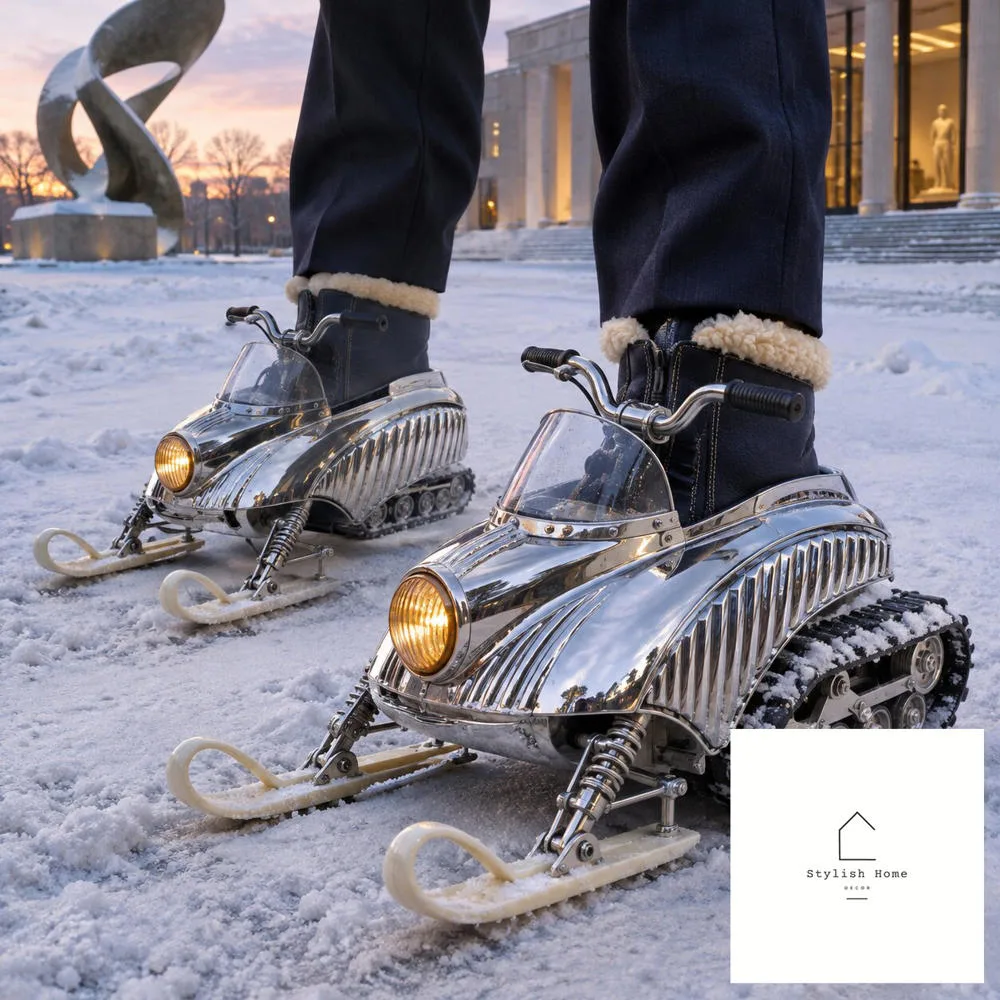
There’s a moment every snowmobiler knows. The engine is warm, the trail ahead is white and infinite, and you feel like you could ride forever — until your feet remind you that forever has a temperature limit. Cold, wet, numb feet don’t just kill comfort; they kill concentration, reaction time, and sometimes, the whole ride.
That’s why snowmobile boots aren’t optional gear. They’re the difference between a legendary day on the trail and a miserable slog back to the truck with frozen toes and a grudge against winter. This guide is for everyone who’s ever underestimated their feet — and lived to regret it.
Whether you’re shopping for snowmobile boots mens styles built for backcountry aggression, snowmobile boots women’s options with a custom fit, snowmobile boots for kids who are just discovering the thrill, or hunting through snowmobile boots clearance deals for unbeatable value, you’ve come to the right place.
Let’s keep those feet warm.
Why Your Snowmobile Boots Matter More Than You Think
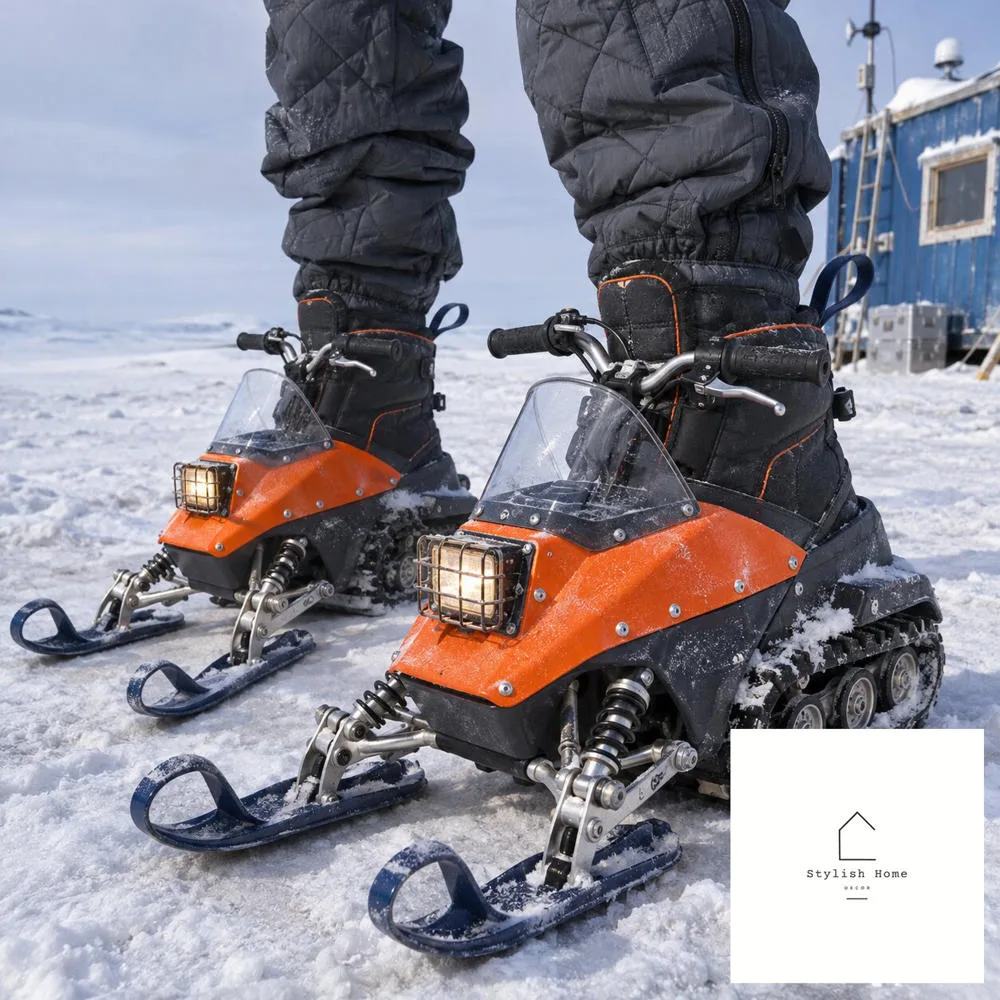
The Physics of Cold Feet (And Why Regular Winter Boots Fail)
Most people assume that any warm winter boot will do the job on a snowmobile. Those people have cold feet by mile three.
Standard winter boots are designed for walking — low impact, gradual movement, dry sidewalks. Snowmobile riding is an entirely different physical environment. You’re exposed to wind chill that can drop effective temperatures by 30°F or more. You’re planting your feet in snow repeatedly for balance and control. And you’re sitting on a machine that vibrates, splashes, and sometimes sends you sliding through a powder-filled ditch.
The best snowmobile boots are engineered specifically for this punishment. They’re built with aggressive insulation ratings (often -40°F or lower), waterproof membranes, oil-resistant outsoles, and boot-to-binding compatibility that keeps you locked into your sled’s running boards with confidence.
The Hidden Cost of Cheap Boots
Here’s a truth the discount rack doesn’t advertise: a boot that fails mid-ride doesn’t just ruin your day. Cold-weather extremity injuries develop fast. Frostbite can begin in exposed conditions within 30 minutes. The right snowmobile boots aren’t a luxury — they’re basic safety equipment dressed up in neoprene and rubber.
Investing in quality now means riding more, worrying less, and showing up to the trailhead with the quiet confidence of someone whose feet have never let them down.
What Makes a Great Snowmobile Boot: Key Features to Know
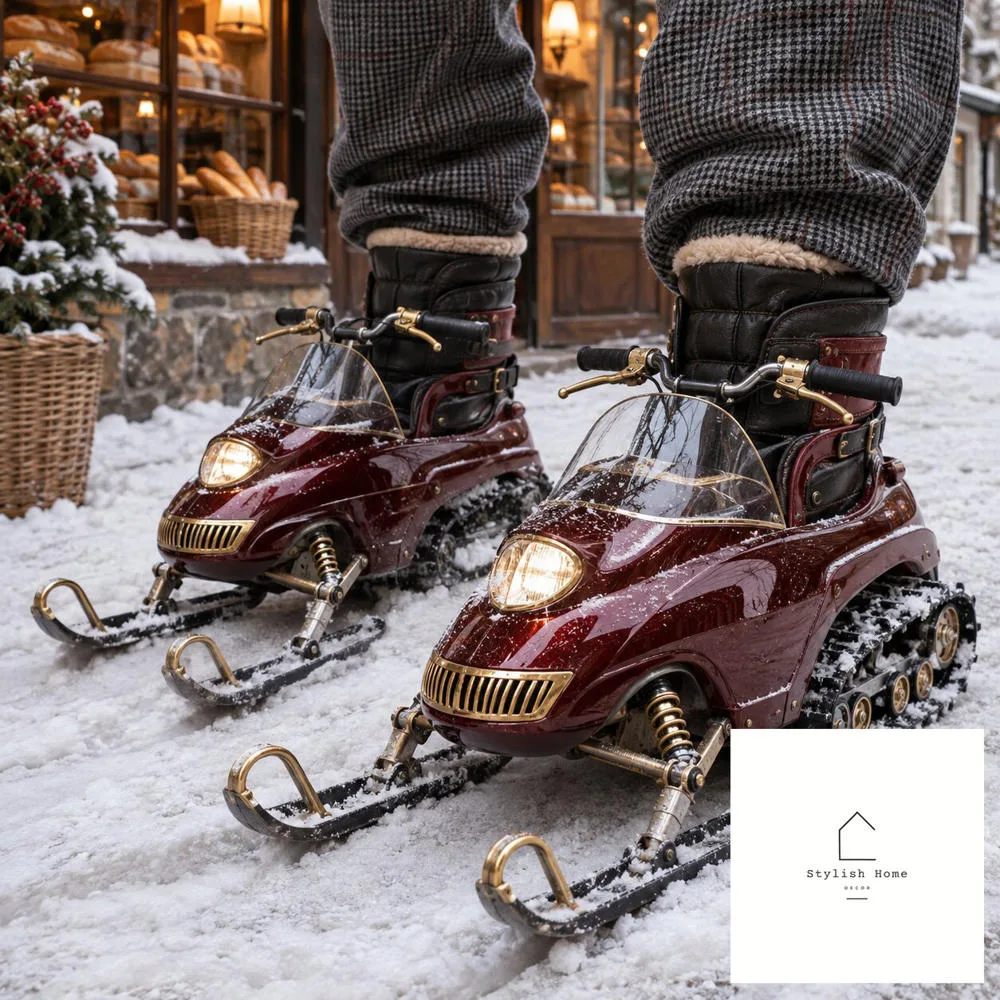
Insulation Rating — The Number That Changes Everything
Look for boots rated to at least -40°F for serious riding. The best snowmobile boots use layered insulation systems — often combining Thinsulate, PrimaLoft, or proprietary technology — that trap heat without adding bulk. A higher insulation rating doesn’t have to mean a stiffer boot; modern engineering has made warm and flexible genuinely compatible.
Waterproofing vs. Water Resistance — Know the Difference
Water-resistant boots shed light moisture. Waterproof boots, typically featuring sealed seams and membranes like GORE-TEX or similar proprietary linings, keep feet dry even when you’re post-holing through knee-deep snow to free a buried sled. For snowmobile riding, you want waterproof — full stop.
Outsole Grip and Boot-to-Binding Compatibility
Your outsole keeps you planted when you dismount on an icy slope. Look for aggressive lug patterns and oil-resistant rubber compounds. If you use snowmobile-specific running board grips or bindings, verify that the boot’s sole profile is compatible — this is a detail that seasoned riders never skip.
Fit, Break-In Period, and Liner Quality
A snowmobile boot should feel snug but not restrictive. Many premium boots include removable liners that can be dried overnight between rides — a small detail that makes a massive difference on multi-day trips. If your liner can’t be pulled out and dried, budget extra time before your next ride.
Snowmobile Boots for Men: Built for the Trail, Not the Sidewalk
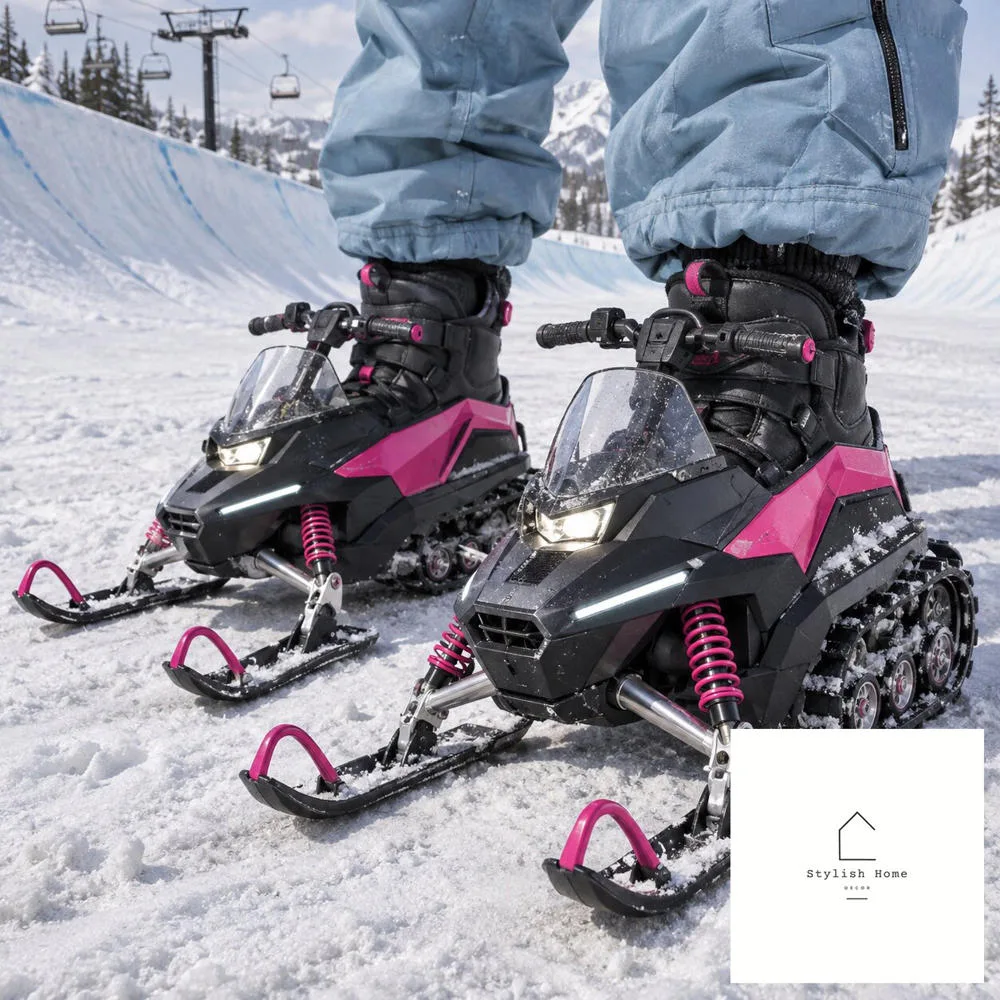
The Modern Men’s Snowmobile Boot
Today’s snowmobile boots mens market is rich with options across every price point. What unites the best of them is a commitment to performance over aesthetics — though the best brands have figured out how to deliver both.
Men’s snowmobile boots tend to prioritize ankle support and a stiffer boot structure to handle the torquing motions of active riding. If you ride in a mountain or backcountry style — sidehilling, steep-chute work, frequent dismounts — look for a boot with an aggressive ankle cuff and a sole that grips ice like it has something to prove.
Top Considerations for Men’s Snowmobile Boots
- Insulation: Minimum 800g for casual trail riding; 1,000g+ for extended cold-weather expeditions
- Height: Taller boots (10″–14″) protect calves from snow intrusion during deep powder runs
- Lacing Systems: Boa systems and quick-pull laces are worth the premium when you’re gearing up at -20°F with gloves on
- Weight: Heavier boots offer more protection; lighter boots reduce fatigue on long hikes back to the sled
The fit advice for men is universal: measure your foot at the end of the day (when it’s slightly larger), account for a thick sock layer, and don’t size down hoping the boot will pack out. Snowmobile boots don’t forgive sizing errors the way hiking boots do.
Snowmobile Boots for Women: Performance Without Compromise
Why Women’s-Specific Boots Actually Matter
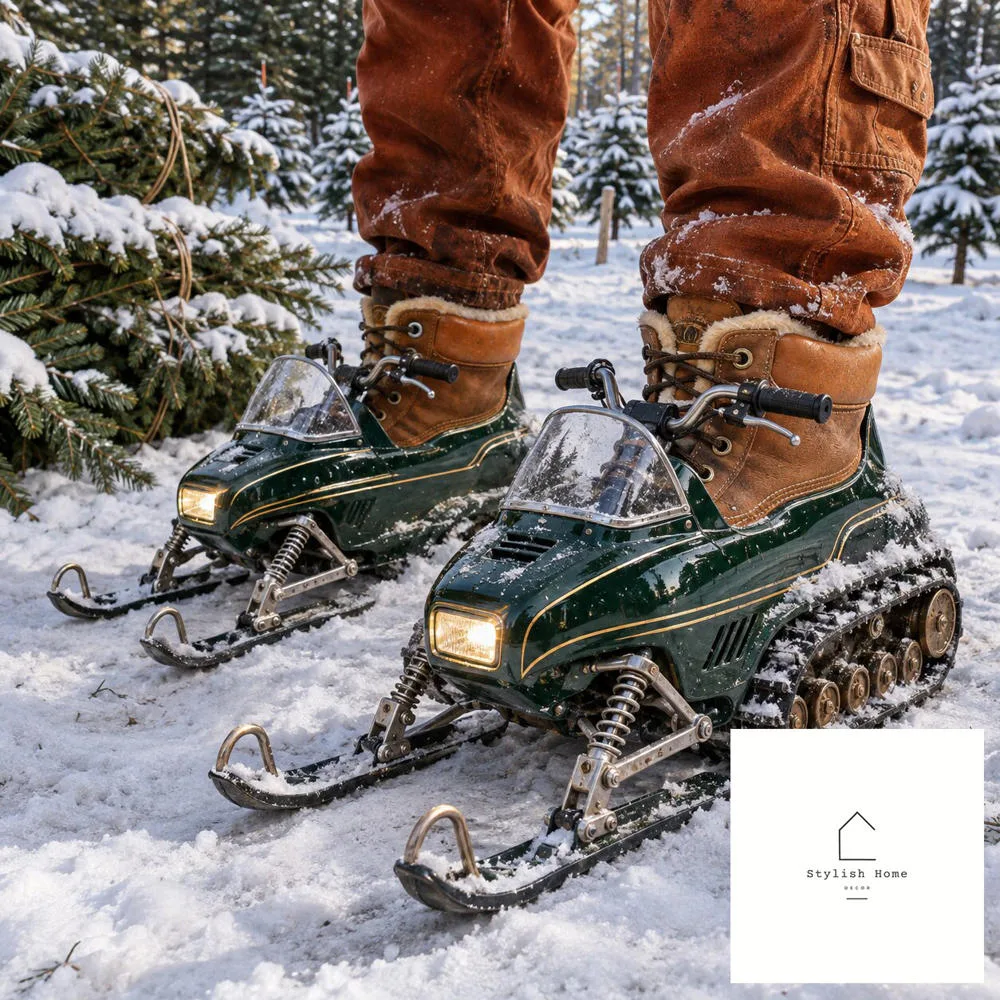
For years, women who rode snowmobiles were handed men’s boots in smaller sizes and told to make it work. The industry has finally caught up. True snowmobile boots women’s models are built on women-specific lasts — meaning the shape of the boot follows the natural anatomy of a woman’s foot and calf, not a scaled-down version of a man’s.
The difference is real: better heel lock, improved arch support, and a calf fit that doesn’t leave a cold gap at the top of the boot. Women’s snowmobile boots also tend to offer more color options, which shouldn’t matter — but honestly, when your gear looks as good as it performs, you feel it.
What Women Riders Should Prioritize
- Calf-specific fit: A boot that gapes at the top lets in snow and cold air
- Lightweight construction: Women’s feet are biomechanically different; lighter boots reduce knee and hip fatigue
- Liner warmth: Women tend to run colder in extremities; look for high-insulation liners (600g–1,000g) even in milder conditions
- Secure closure: A boot you can tighten properly with cold hands is a boot you’ll actually trust
The snowmobile boots women’s category has never been stronger. Premium brands now offer full women’s-specific lines with the same technology found in their flagship men’s models — no compromises, no afterthoughts.
KLIM Snowmobile Boots: The Gold Standard of Cold-Weather Riding
Why KLIM Has Become a Legend
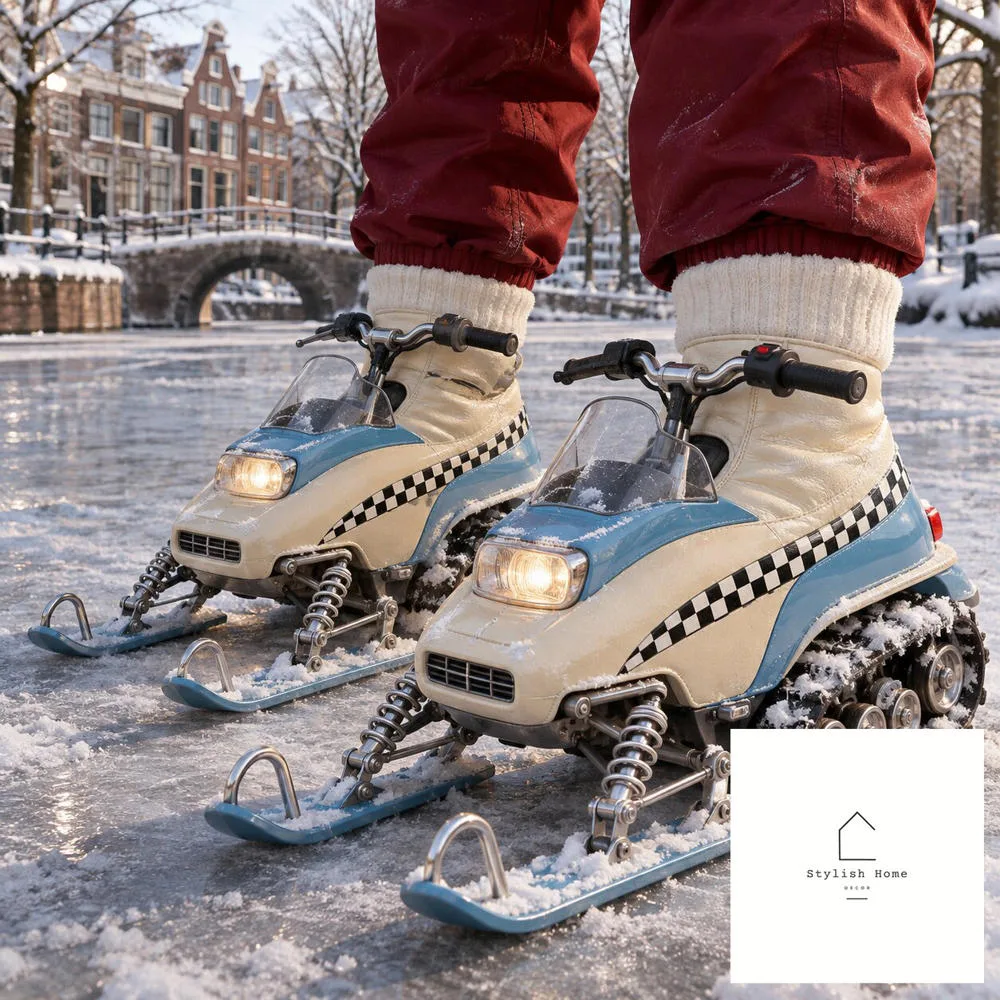
Ask a serious snowmobiler what brand they trust with their feet, and you’ll hear one name more than any other: KLIM. Snowmobile boots KLIM produces sit at the top of the market for good reason — they’re engineered by riders, for riders, with zero tolerance for failure in extreme conditions.
KLIM’s snowmobile boot lineup combines GORE-TEX waterproofing, proprietary insulation systems, and outsoles developed in partnership with Vibram. These aren’t mass-produced winter boots with a snowmobile logo slapped on. They’re purpose-built riding systems.
What Makes KLIM Boots Worth the Investment
- GORE-TEX Extended Comfort lining that breathes while remaining absolutely waterproof
- Vibram outsoles designed specifically for snowmobile running board grip
- Lace-lock and BOA closure systems that stay secure through vibration and impact
- Removable, washable liners for multi-day expedition use
Yes, KLIM boots cost more. But they last longer, perform better, and protect more completely than budget alternatives. When you’re two hours from the trailhead in a whiteout, you’ll remember why you paid the premium.
509 Snowmobile Boots: Aggressive Style Meets Technical Performance
The 509 Difference
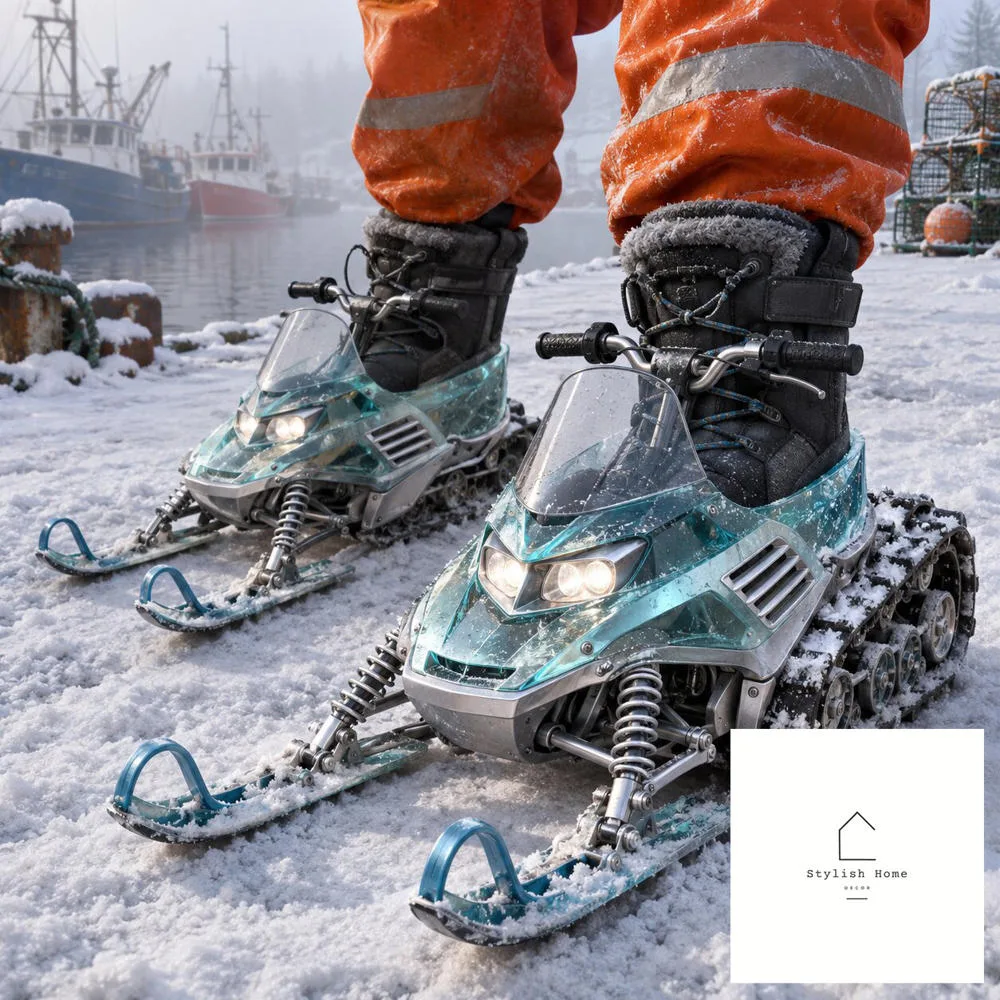
If KLIM is the technical gold standard, 509 is the brand that brought serious snowmobile gear to a wider audience without sacrificing performance. Snowmobile boots 509 produces are known for their aggressive styling, impressive warmth ratings, and a price point that sits more accessibly than KLIM while still delivering legitimate cold-weather protection.
509 boots feature their signature SledJump insole technology, designed to absorb vibration and provide energy return across long riding days. Their waterproofing systems, while not universally GORE-TEX, perform admirably in real-world conditions.
Who Should Choose 509 Boots
509 snowmobile boots are ideal for:
- Riders who want premium performance without top-tier pricing
- Younger riders transitioning from recreational to more serious gear
- Those who prioritize style alongside function
- Riders in milder winter climates who don’t need the absolute maximum in insulation
Both KLIM and 509 represent the upper tier of snowmobile boot engineering. The choice between them often comes down to fit preference and aesthetic style as much as technical specification.
Snowmobile Boots for Kids: Raising the Next Generation of Riders
Why Kids Need Dedicated Snowmobile Boots (Not Just Snow Boots)
Children experience cold more intensely than adults — their smaller bodies lose heat faster, and they’re less likely to vocalize discomfort until it becomes a problem. Snowmobile boots for kids are designed with this reality in mind: maximum warmth in a lightweight, easy-entry construction that young riders can manage themselves.
Good snowmobile boots for kids also need to fit securely without restricting circulation. A boot that’s too tight is almost as dangerous as one that’s too loose in cold weather.
What to Look for in Kids’ Snowmobile Boots
- Easy on/off systems: Velcro, single-pull laces, or simple buckle closures work best for younger riders
- High insulation ratings: Kids need -40°F rated boots even in conditions where adults would be fine in lower ratings
- Room to grow: Unlike adult boots, sizing slightly larger is acceptable if the ankle is still properly supported
- Bright colors: Because visibility on the trail matters, and because kids will actually be excited to wear them
As children grow into the sport, upgrading their boots seasonally is worth every dollar. Cold feet end riding days early — and early bad experiences can end a rider’s relationship with the sport before it really begins.
Finding Snowmobile Boots on Clearance: Smart Shopping Without Sacrificing Safety
How to Find Real Deals on Snowmobile Boots
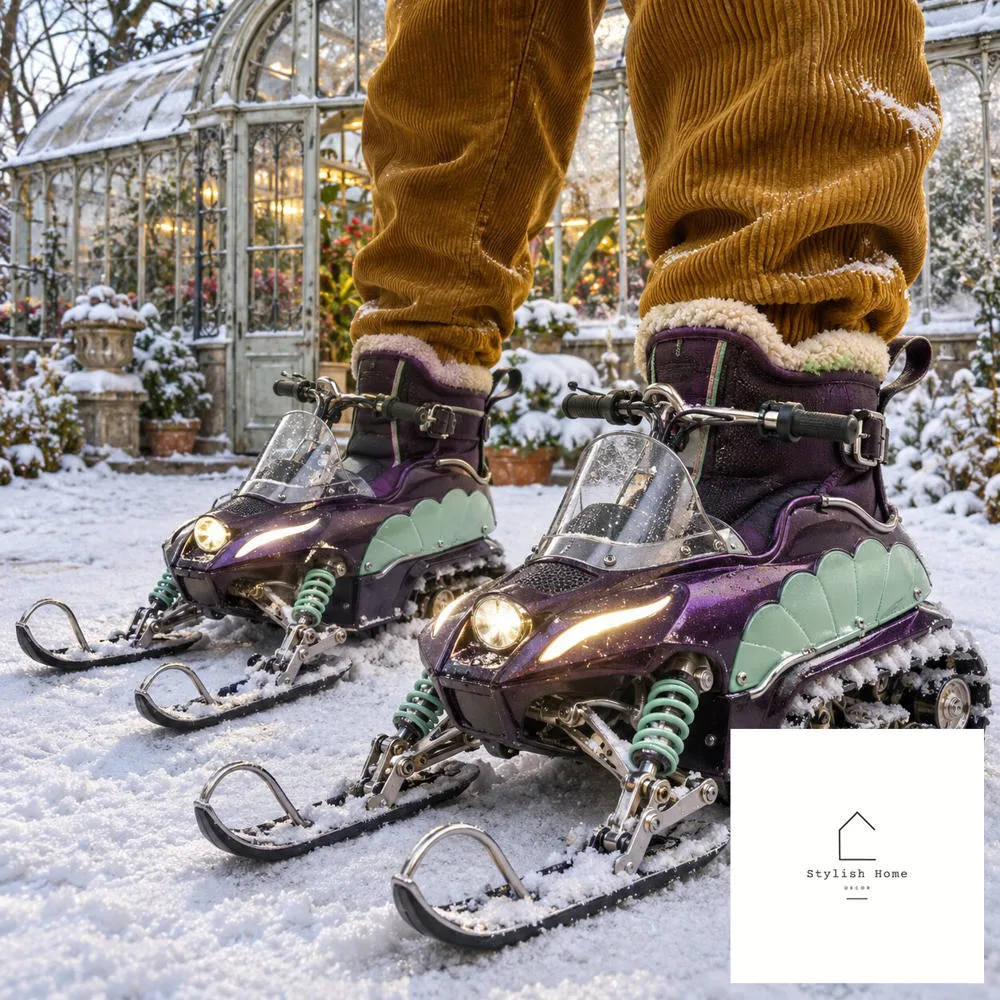
Snowmobile boots clearance shopping is an art form. The window is specific: late winter (February–March) when retailers are clearing seasonal inventory, and early fall (September–October) when last year’s models make way for new arrivals.
The golden rules of clearance boot shopping:
- Know your size before you shop. Clearance inventory is what it is — if your size isn’t there, don’t compromise.
- Check insulation ratings, not just price. A heavily discounted boot with a 200g insulation rating is not a bargain for northern riding.
- Inspect waterproofing claims carefully. Some clearance boots have minor seam defects that compromise waterproofing — always inspect before you buy.
- Look for discontinued colorways, not discontinued technology. Often, clearance boots are simply last season’s colors with the same excellent performance specs.
Reputable retailers for snowmobile boots clearance include brand-direct outlet sales (KLIM, 509, and others run annual clearance events), sporting goods chains at end-of-season, and trusted online retailers with clear return policies.
AEO Corner: Your Snowmobile Boot Questions, Answered
Q: How warm should snowmobile boots be?
Look for boots rated to at least -40°F for active riding. If you tend to run cold, or if you do a lot of standing/slow riding, choose the warmest option available.
Q: Can I use regular winter boots for snowmobiling?
Not safely. Regular winter boots lack the waterproofing depth, outsole grip, and insulation ratings needed for sustained snowmobile use. They also typically lack binding compatibility.
Q: How often should I replace my snowmobile boots?
Inspect annually. If the insulation has compressed, waterproofing has failed, or the outsole has worn smooth, it’s time to replace — regardless of how the boot looks from the outside.
Q: Are snowmobile boots good for ice fishing?
Many snowmobile boots double well as ice fishing boots, as long as they have adequate insulation and non-slip outsoles. They’re often warmer and more waterproof than dedicated ice fishing boots.
Q: What socks should I wear with snowmobile boots?
Merino wool or moisture-wicking synthetic socks in medium or heavy weight. Avoid cotton — it retains moisture and accelerates heat loss.
Where the Trail Ends and the Memory Begins
There is something deeply human about being warm when everything around you is frozen. Standing on a ridge at sunrise, engine ticking as it cools, snow stretching endlessly in every direction — that moment is only possible because your feet are dry, your toes are comfortable, and your whole body is free to feel the wonder of it.
The right snowmobile boots don’t just protect your feet. They protect your ability to be fully present in one of winter’s most extraordinary environments.
Whether you’re a seasoned rider logging thousands of miles each season or someone strapping on a helmet for the first time, the boots you choose will shape every mile you ride. Choose boots rated for the worst conditions you might face. Choose brands that build for performance, not just appearance. Choose the warmth that lets you stay out longer, ride farther, and remember more.
Because cold feet don’t just end rides early — they end adventures before they’re finished.
Gear Up, Ride Warm, and Never Look Back
The best snowmobile boots aren’t the ones that cost the most or carry the most famous logo. They’re the ones that fit your feet, suit your riding style, keep you warm through every mile, and disappear into the background so you can focus on what actually matters — the ride.
Whether you’re investing in snowmobile boots KLIM’s legendary cold-weather engineering, trusting snowmobile boots 509’s aggressive performance, sizing up snowmobile boots for kids who are just catching the fever, or finding your perfect pair through snowmobile boots clearance deals, one truth holds for every rider: the trail is waiting, and cold feet are no longer an excuse.
Gear up. Ride warm. And never, ever settle for numb toes again.
Ready to Bring More Inspired Ideas Into Your Life?
What you just read is only the beginning. At StylishhomeIdea.net, creativity and technology collide in the most unexpected ways — where artificial intelligence transforms imagination into stunning design concepts, home décor inspiration, and digital ideas that feel like they arrived from the future.
Whether you’re here for bold interior ideas, eye-catching art, or the kind of original digital creations you won’t find anywhere else, Stylish Home Ideas is where imagination comes home to stay.
Facebook: facebook.com/stylishhome
Instagram: @trendingartworks
Pinterest: pinterest.com/trendingartworks
Follow along — your next great idea is already waiting.