
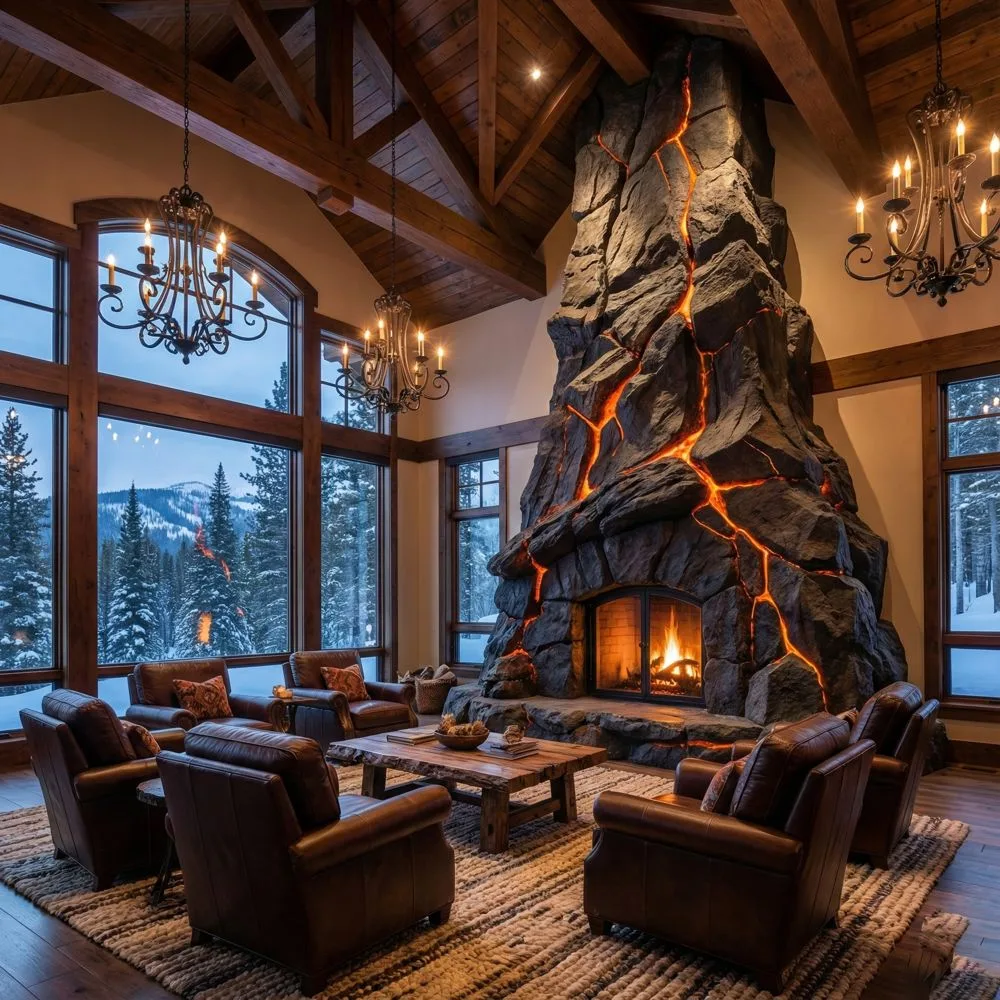
Walking into a room anchored by a beautifully crafted stone fireplace instantly transforms the entire atmosphere. There’s something inherently captivating about natural stone that modern materials simply cannot replicate. Whether you’re building a new home, renovating an existing space, or simply dreaming about your ideal living room, understanding the nuances of stone fireplaces will help you make informed decisions that you’ll appreciate for decades to come.
The appeal of stone extends far beyond mere aesthetics. These structures represent a perfect marriage of form and function, providing both practical warmth and visual impact. As someone who has spent years studying architectural elements and home design, I’ve witnessed firsthand how the right fireplace can completely redefine a space, becoming the heart of family gatherings and quiet evenings alike.
Understanding Different Types of Stone for Fireplaces
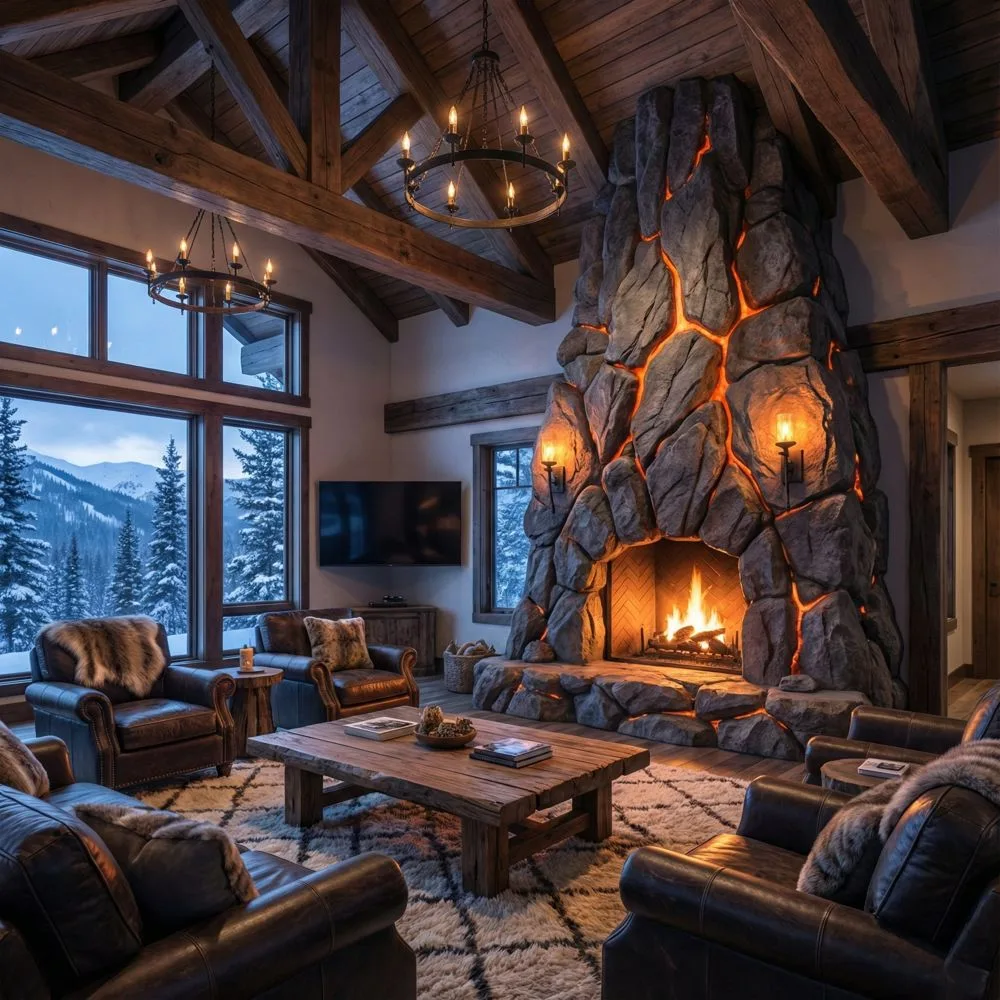
When selecting materials for your project, the variety of options can feel overwhelming. Each type of stone brings its own character, durability characteristics, and maintenance requirements to your space.
Natural fieldstone creates an organic, rustic appearance that works beautifully in cabin settings and traditional homes. These irregular shapes and varied colors tell a story of geological history, with each piece being completely unique. Fieldstone works particularly well when you want your fireplace to feel like it emerged naturally from the landscape rather than being constructed.
Limestone offers a softer, more refined aesthetic with its subtle color variations ranging from cream to gray. This sedimentary rock has been used in construction for thousands of years and brings a sense of classical elegance to any room. The smooth texture and consistent appearance make limestone an excellent choice for formal living spaces where you want sophistication without overwhelming drama.
Granite stands out as one of the most durable options available, offering remarkable heat resistance and longevity. Its speckled appearance adds visual interest without being too busy, and the wide range of colors from black to pink allows for significant design flexibility. Many homeowners appreciate granite for its ability to maintain its appearance with minimal maintenance over many years.
River rock presents a smooth, rounded aesthetic that evokes peaceful natural settings. These water worn stones create a tactile, organic look that softens the angular lines typical of many modern homes. The installation process requires skilled craftsmanship to ensure proper arrangement, but the results are stunning and worth the investment.
Manufactured stone veneer has gained tremendous popularity in recent years, offering the appearance of natural stone at a fraction of the weight and cost. Modern manufacturing techniques have advanced to the point where quality veneer can be difficult to distinguish from authentic stone at first glance. This option opens up possibilities for projects where weight restrictions or budget constraints might otherwise limit your choices.
Design Styles That Complement Stone Fireplaces
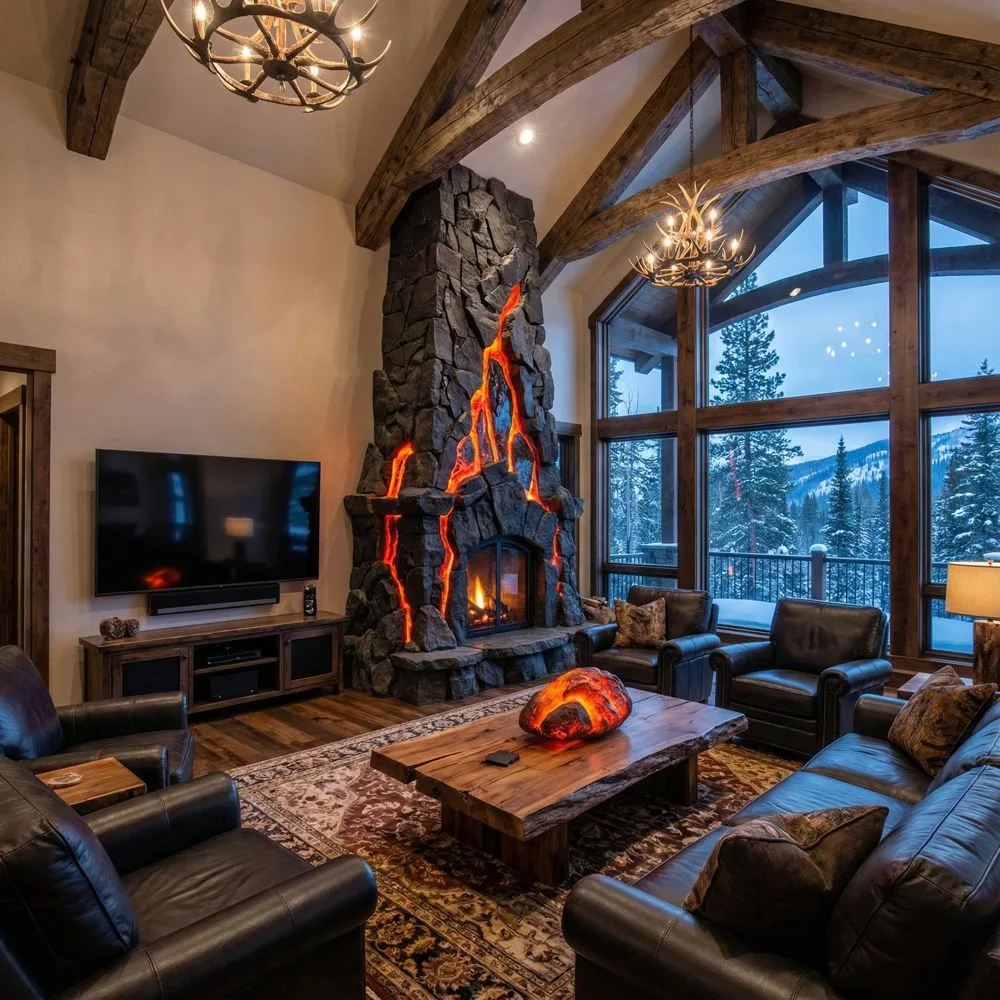
Your stone fireplace should harmonize with your home’s overall architectural style while serving as a distinctive focal point. Understanding how different approaches work together helps create cohesive, intentional spaces.
Rustic and farmhouse styles embrace the natural imperfections and varied textures of stone. Large, chunky pieces stacked with visible mortar lines create an authentic, lived in feeling that pairs beautifully with exposed wooden beams, vintage furniture, and warm color palettes. This approach works exceptionally well in mountain homes, country estates, and anywhere you want to emphasize connection to nature.
Contemporary designs often feature clean lines with stone applied in more geometric patterns. Floor to ceiling installations using uniform rectangular pieces create dramatic vertical impact in modern spaces. Pairing sleek stone with minimalist mantels, hidden technology, and neutral furnishings produces sophisticated results that feel current without being trendy.
Traditional settings benefit from classic stone applications with formal mantels and symmetrical arrangements. Limestone or marble surrounds with elegant detailing complement formal furniture arrangements and traditional architectural elements. This timeless approach ensures your investment will remain stylish regardless of changing design trends.
Transitional spaces allow for creative mixing of rustic stone textures with contemporary furniture and fixtures. This balanced approach appeals to those who appreciate both natural materials and modern conveniences, creating rooms that feel comfortable and current simultaneously.
Planning Your Stone Fireplace Installation
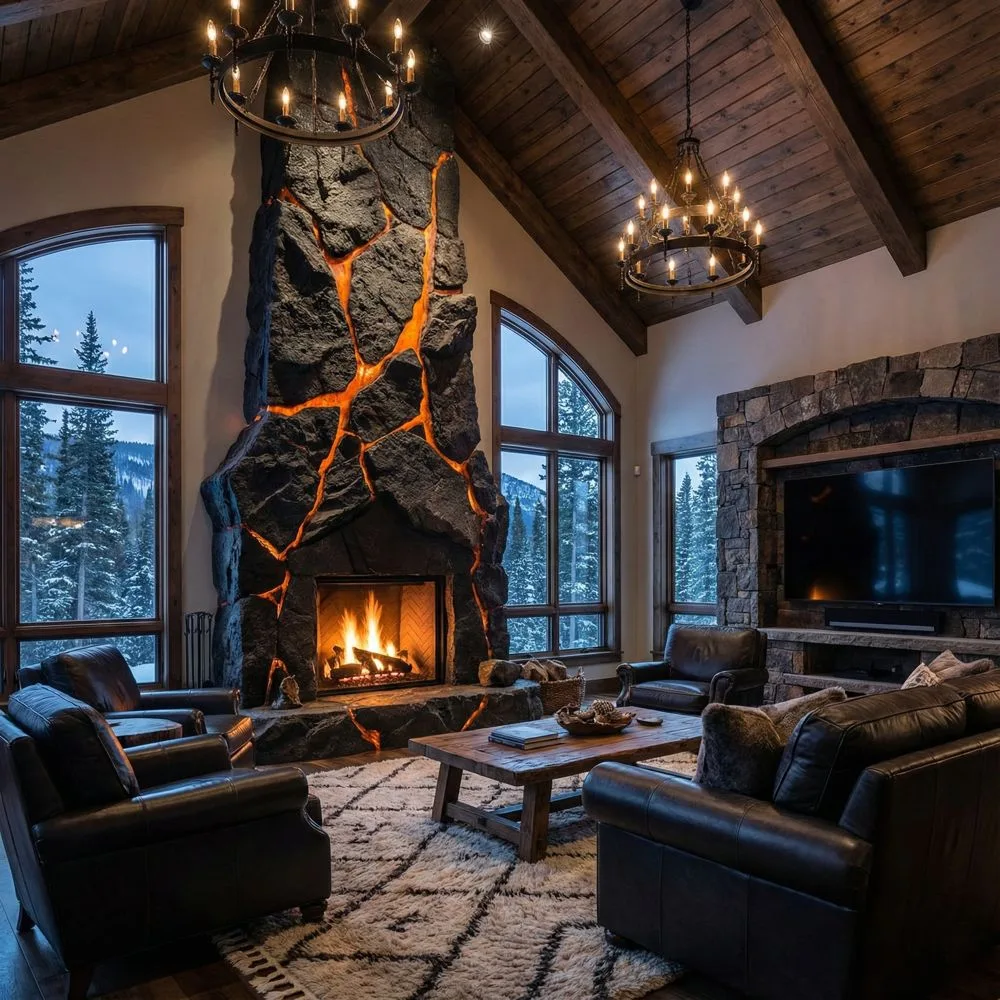
Successful projects begin with thorough planning and realistic assessment of your space, budget, and goals. Taking time during this phase prevents costly mistakes and ensures you achieve results that match your vision.
Structural considerations must come first. Stone is heavy, and your floor system must adequately support the weight. Older homes may require foundation reinforcement before installation can proceed. A structural engineer can evaluate your specific situation and recommend necessary modifications. These upfront costs protect your investment and ensure safety.
Placement within the room dramatically affects both function and aesthetics. Corner installations maximize space efficiency in smaller rooms while creating interesting architectural angles. Central placements on main walls create traditional focal points that anchor furniture arrangements naturally. Consider traffic flow, viewing angles from seating areas, and how the fireplace relates to windows and other architectural features.
Chimney and venting requirements vary based on whether you’re installing wood burning, gas, or electric units. Local building codes specify clearances, flue sizing, and safety features that must be incorporated. Working with licensed professionals ensures compliance while optimizing performance and efficiency.
Budget planning should account for materials, labor, permits, and potential structural modifications. Natural stone typically costs more than manufactured alternatives, but longevity and aesthetic impact often justify the investment. Labor represents a significant portion of total costs, as skilled masonry requires years of training and experience. Request detailed written estimates from multiple contractors before committing to ensure you understand all costs involved.
Installation Process and What to Expect
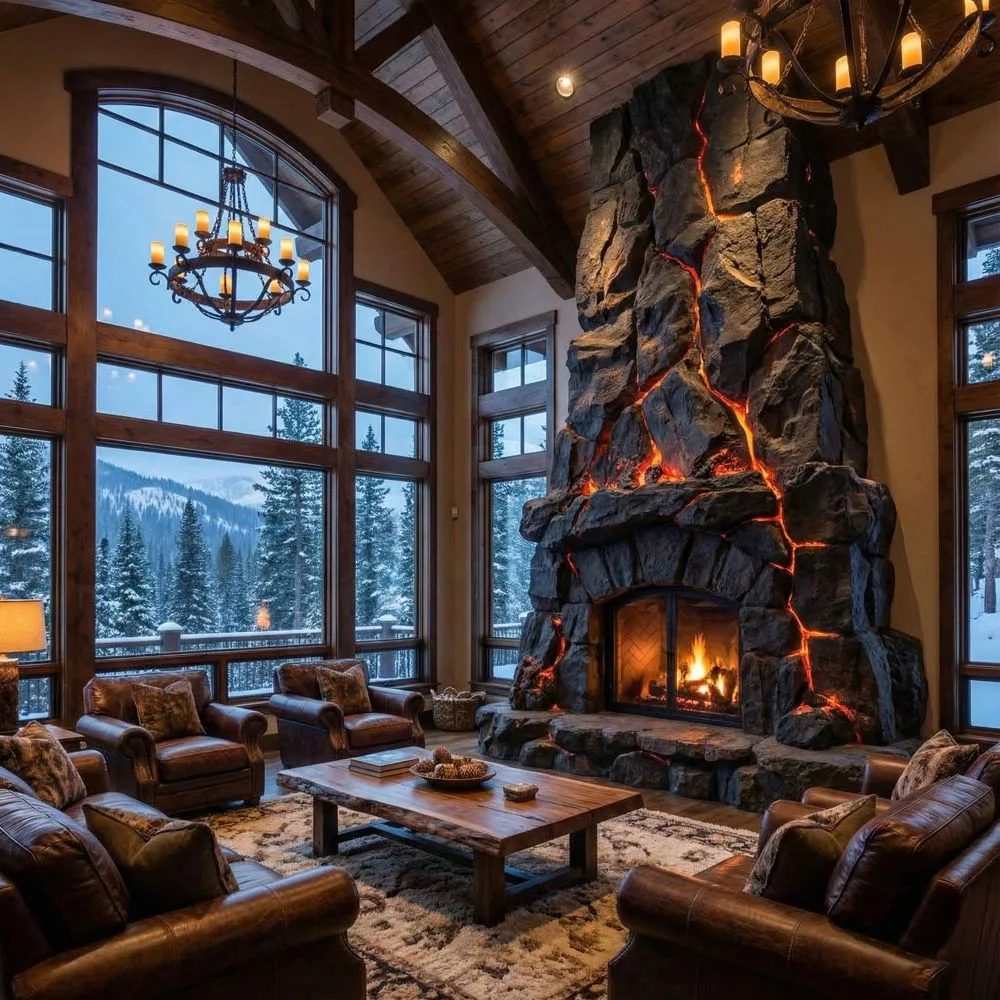
Understanding the installation timeline and process helps you prepare your home and family for the disruption that renovation projects inevitably bring.
Site preparation involves protecting flooring, moving furniture, and establishing work areas. Professional installers will create containment barriers to minimize dust spread, though some mess is unavoidable. Plan for limited access to the room for several days to a week depending on project complexity.
Foundation work establishes the base that supports your entire structure. This critical phase ensures proper weight distribution and creates a level surface for subsequent layers. Rushing this stage creates problems that become apparent only after completion, so patience here pays dividends.
Stone selection and layout happens before actual installation begins. Experienced masons arrange stones to optimize appearance, balancing colors, sizes, and shapes. This artistic phase transforms raw materials into your unique design. Changes become increasingly difficult once installation begins, so review and approve the layout carefully.
The actual stone installation progresses from bottom to top, with each course carefully positioned and secured. Mortar joints require proper spacing and finishing for both structural integrity and appearance. Skilled craftspeople work methodically, allowing adequate curing time between stages.
Finishing work includes cleaning excess mortar, sealing stone surfaces, and installing mantels or hearths. Professional sealing protects stone from staining and makes future maintenance easier. This final phase brings everything together and reveals the finished product.
Maintenance and Long Term Care
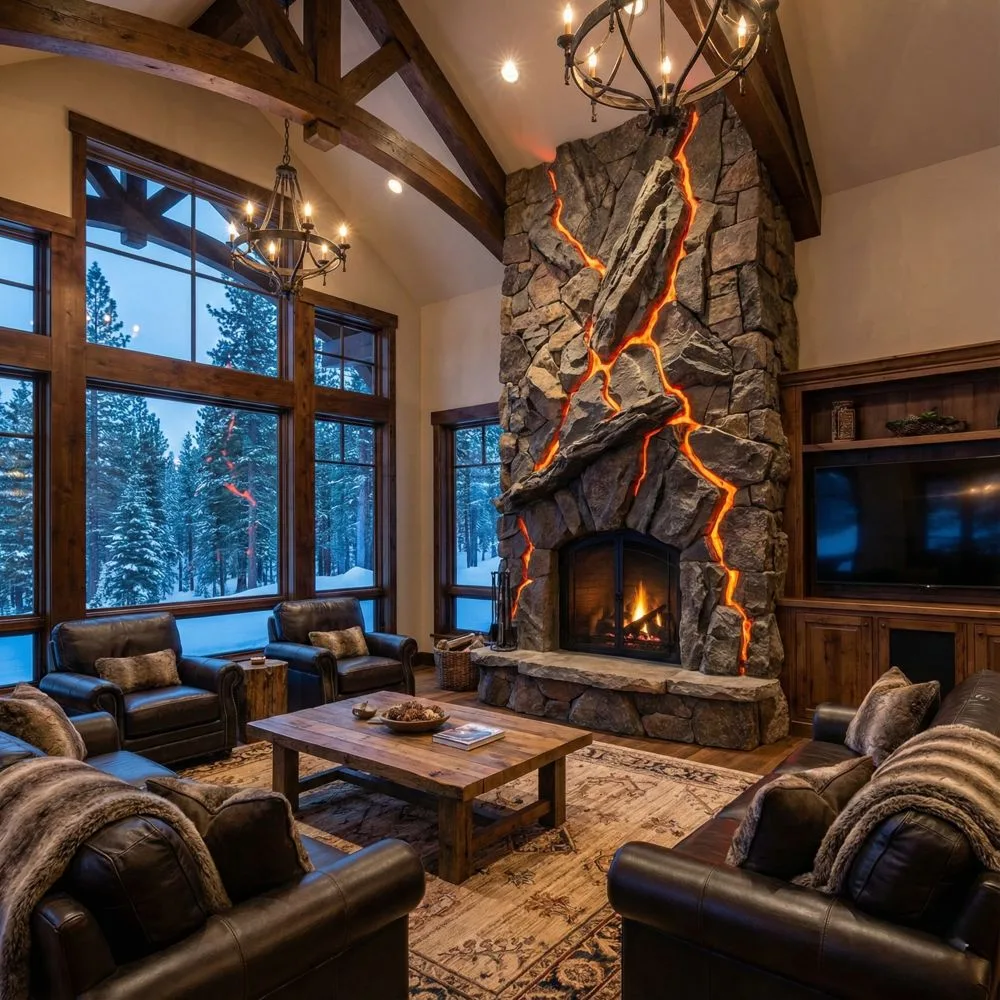
Proper maintenance preserves beauty and function for generations, making your stone fireplace a lasting investment rather than a temporary feature.
Regular cleaning removes ash, soot, and dust that accumulate during use. Soft brushes work well for textured stone surfaces, while smooth stones can be wiped with damp cloths. Avoid harsh chemicals that can damage stone or mortar, opting instead for pH neutral cleaners specifically formulated for natural stone.
Annual professional chimney inspections ensure safe operation and identify potential issues before they become serious problems. Creosote buildup, structural cracks, and deteriorating mortar all require professional attention. These inspections typically cost a few hundred dollars but prevent expensive repairs and dangerous situations.
Resealing stone surfaces every few years maintains stain resistance and enhances color depth. The frequency depends on your specific stone type and how heavily you use your fireplace. Professional application ensures even coverage and optimal protection, though many sealers are available for confident DIYers.
Mortar joint inspection should happen regularly, particularly after extreme temperature fluctuations. Small cracks can be addressed with repointing before they expand and compromise structural integrity. Early intervention with minor repairs prevents major reconstruction projects later.
Enhancing Your Stone Fireplace with Thoughtful Details
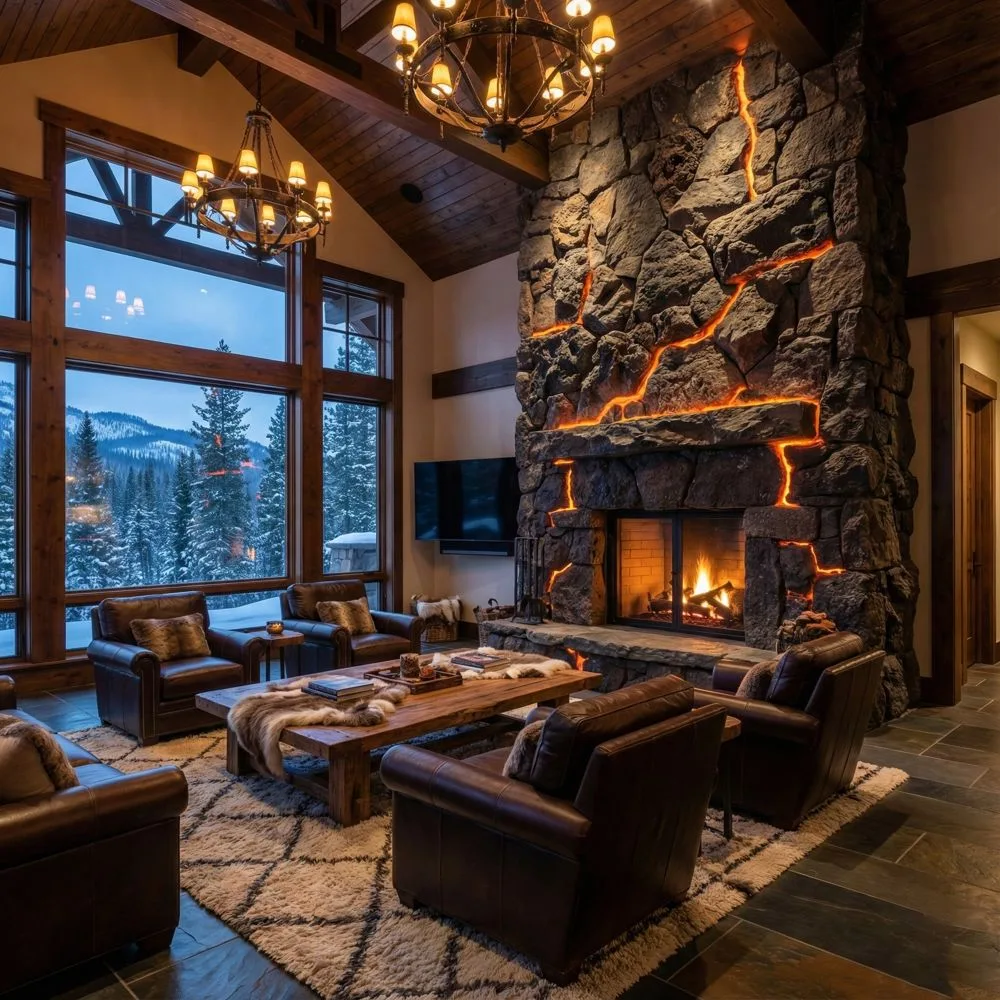
The area surrounding your fireplace offers opportunities to elevate the overall impact through carefully chosen complementary elements.
Mantel selection significantly influences style and functionality. Rustic wooden beams bring warmth and character to traditional and farmhouse designs, while sleek metal or stone shelves complement contemporary aesthetics. The mantel provides display space for artwork, family photos, and seasonal decorations that personalize your space.
Hearth materials should coordinate with your stone choice while providing practical protection for flooring. Extended hearths offer additional seating during gatherings, while minimal hearths maintain clean lines in contemporary settings. Heated hearth systems add luxury and comfort during cold months.
Lighting design highlights texture and creates ambiance beyond what the fire itself provides. Recessed lighting above draws attention upward on tall installations, while flanking sconces provide balanced illumination for reading and conversation. Dimmable fixtures allow adjustment based on time of day and mood.
Built in storage for firewood keeps fuel handy while adding architectural interest. Alcoves beside the fireplace or integrated shelving below the hearth provide practical solutions that enhance rather than detract from the overall design.
Addressing Common Concerns and Questions
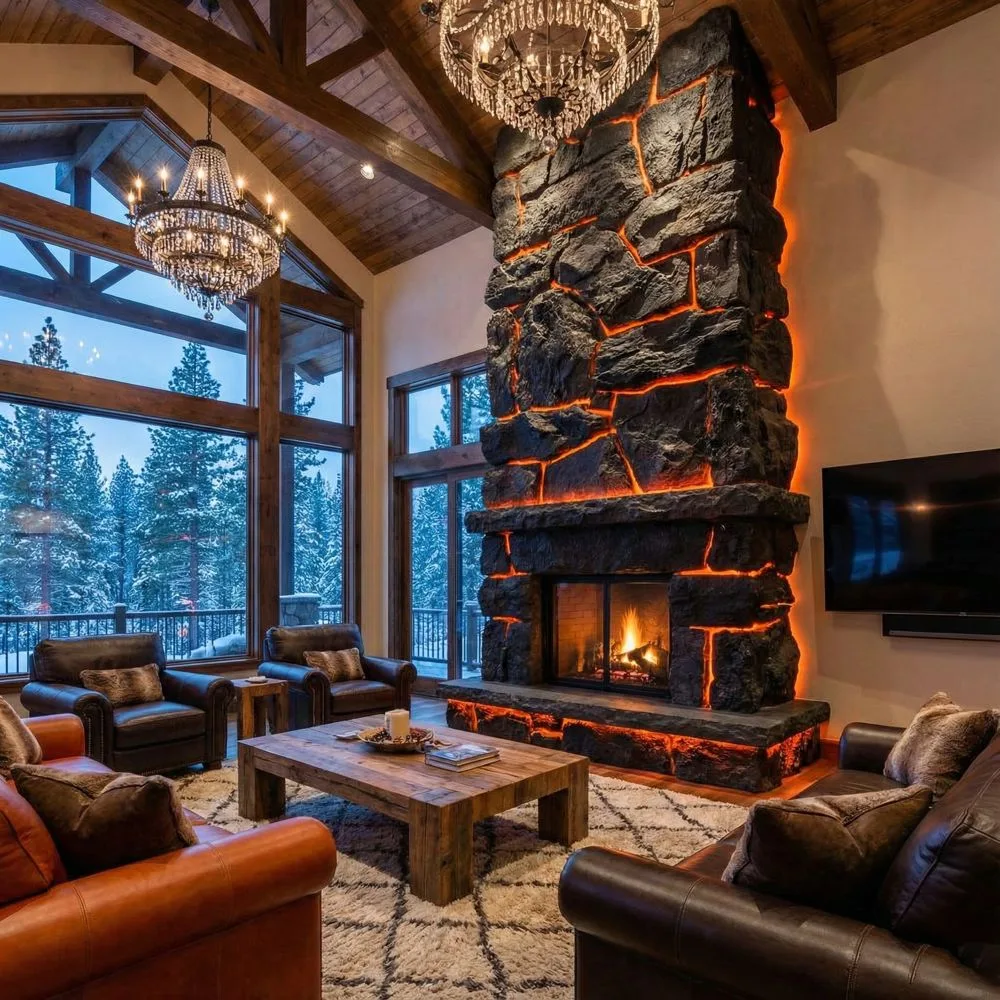
Many homeowners share similar concerns when considering stone fireplace projects. Addressing these upfront helps you make confident decisions.
Weight concerns are valid, particularly in upper floor installations or homes with aging infrastructure. Working with structural professionals early in planning identifies limitations and solutions. In some cases, manufactured veneer provides an excellent alternative that achieves desired aesthetics without excessive weight.
Cost considerations extend beyond initial installation to include long term maintenance and energy efficiency. While stone fireplaces represent significant investments, their durability and timeless appeal often make them more economical than repeatedly updating cheaper alternatives. Energy efficient inserts and proper dampers ensure your fireplace provides warmth without excessive heat loss when not in use.
Installation timeline questions arise frequently. Most projects require one to two weeks from start to finish, though complex designs or structural modifications can extend this timeframe. Planning around your schedule and understanding realistic timelines reduces stress and disappointment.
Making Your Stone Fireplace Energy Efficient
Modern technology allows you to enjoy the beauty of stone while maximizing heat output and minimizing energy waste.
Fireplace inserts transform traditional wood burning fireplaces into efficient heating systems. These metal boxes fit inside existing openings and include glass doors that contain heat while providing fire visibility. Quality inserts can heat substantial square footage, reducing reliance on central heating systems.
Gas logs and burners offer convenience and efficiency without sacrificing ambiance. Realistic ceramic logs and adjustable flames create convincing fire appearances while providing reliable, controllable heat. Remote controls and programmable thermostats add modern convenience to traditional aesthetics.
Heat reflecting panels installed behind and beside fireboxes redirect warmth into living spaces rather than allowing it to escape through stone and mortar. These relatively inexpensive additions significantly improve efficiency in existing installations.
Proper damper function prevents heated or cooled air from escaping when your fireplace is not in use. Upgrading to top sealing dampers provides superior protection compared to traditional throat dampers, saving energy and money year round.
Bringing It All Together: Your Dream Stone Fireplace Awaits
Creating the perfect stone fireplace involves balancing aesthetic preferences, practical considerations, and budget realities. The journey from initial concept to completed installation requires patience, planning, and partnership with skilled professionals who share your vision.
Your stone fireplace represents more than just a heating source or architectural feature. It becomes the gathering place where families create memories, the backdrop for countless photos, and the element that transforms a house into a home. The crackling fire, the warmth radiating from sun heated stone on cold evenings, and the timeless beauty that never goes out of style all contribute to spaces that nurture and inspire.
Whether you choose rustic fieldstone that celebrates natural imperfection, elegant limestone that whispers sophistication, or modern manufactured veneer that maximizes value, your decision should reflect your personal style and practical needs. Take time to explore options, consult with experienced professionals, and trust your instincts about what will bring you joy for years to come.
The investment you make today in thoughtful design and quality installation pays dividends through decades of beauty, function, and comfort. Your stone fireplace stands as a testament to appreciation for craftsmanship, natural materials, and the enduring human attraction to gathering around fire. Start planning your project today, and soon you’ll be enjoying the incomparable warmth and beauty that only stone can provide.