
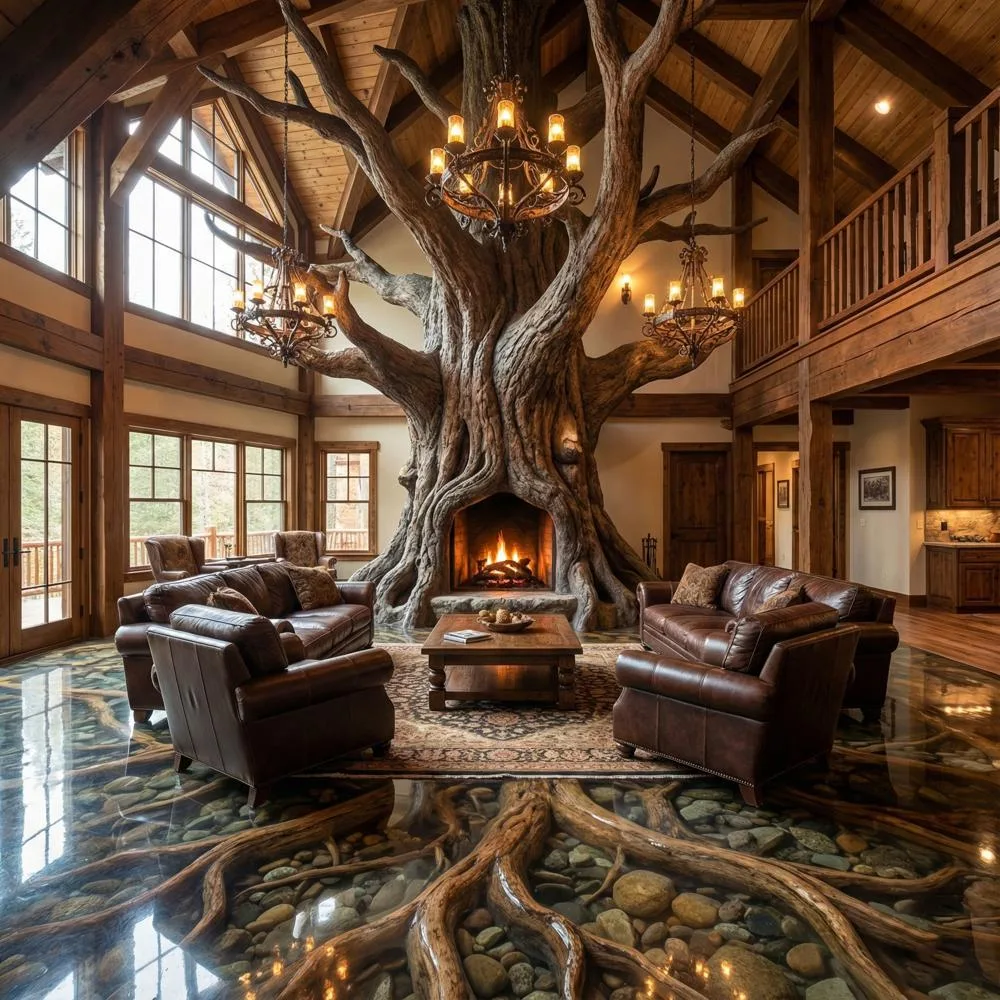
When winter arrives and temperatures drop, there’s nothing quite like gathering around a warm fireplace with family and friends. But what if your fireplace itself could become a work of art? Enter the tree fireplace, a design concept that brings the raw beauty of nature directly into your home while providing efficient heating and an unforgettable focal point.
The concept of incorporating natural tree elements into fireplace design has gained tremendous popularity among homeowners seeking authentic, rustic charm. Whether you’re building a new home, renovating an existing space, or simply dreaming about your ideal living room, understanding how to integrate natural wood elements into your heating solution can transform an ordinary room into an extraordinary sanctuary.
Understanding the Tree Fireplace Concept
A tree fireplace represents more than just a heating appliance. It’s a marriage of function and natural artistry that celebrates the organic beauty of wood in its most authentic form. This design philosophy encompasses several approaches, from using actual tree trunks as structural elements surrounding the firebox to incorporating live edge wood mantels and natural log storage that becomes part of the aesthetic.
The appeal lies in the authenticity. In a world of mass produced items, a tree fireplace brings something genuinely unique into your home. No two trees grow exactly alike, which means your fireplace will feature patterns, textures, and character that cannot be replicated. The knots, grain patterns, and natural coloring of the wood tell a story of years of growth, creating visual interest that synthetic materials simply cannot match.
Many homeowners are drawn to this style because it creates an immediate connection to nature. Even in urban settings, a well designed tree fireplace can evoke feelings of being in a mountain cabin or forest retreat. This biophilic design approach, which seeks to connect building occupants with nature, has been shown to reduce stress and improve overall wellbeing.
Design Variations and Styles
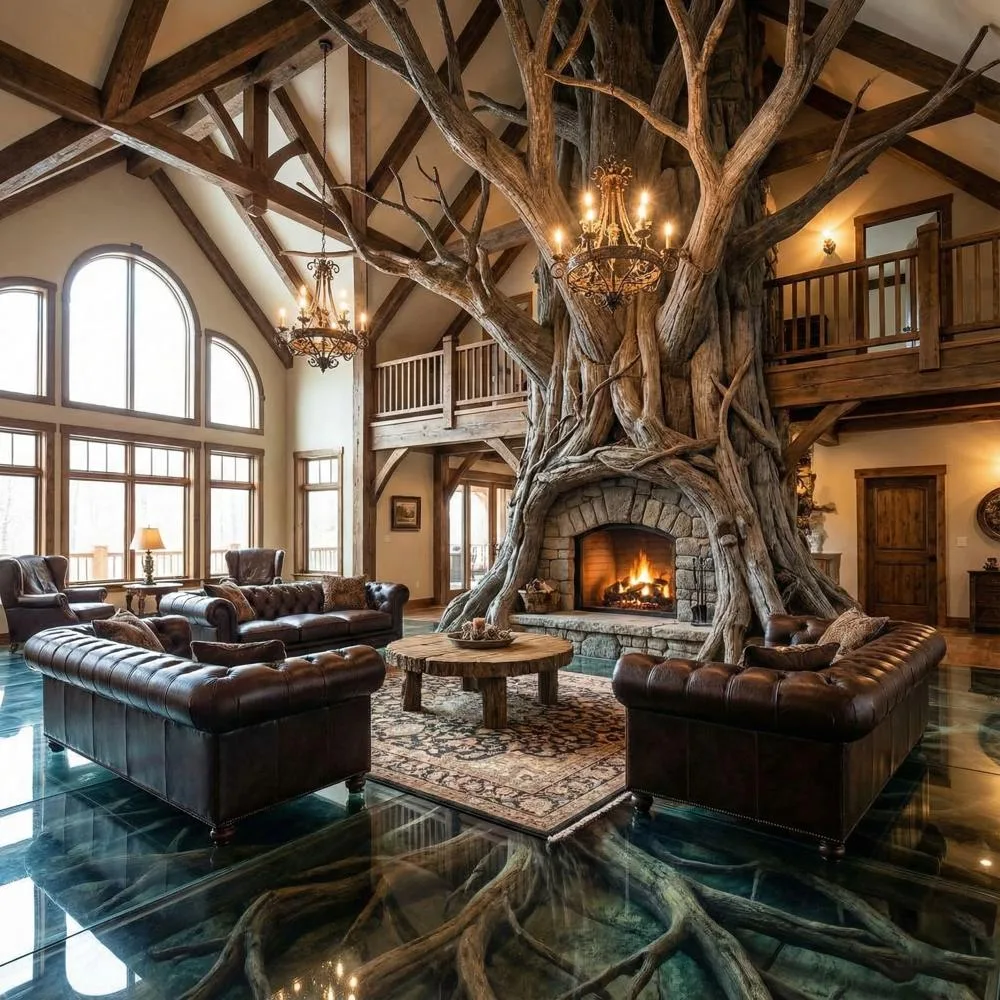
The beauty of incorporating natural tree elements into your fireplace design is the incredible variety of options available. Each approach offers distinct aesthetic and practical benefits depending on your space, budget, and personal style preferences.
Reclaimed Wood Surrounds
Using reclaimed wood from old barns, factories, or fallen trees creates a fireplace surround with rich history and character. These pieces often feature weathering, nail holes, and color variations that add depth and authenticity. The aged appearance pairs beautifully with both traditional and contemporary interiors, proving that natural elements can be versatile.
Live Edge Mantels
Perhaps the most popular tree fireplace element is the live edge mantel. These mantels preserve the natural edge of the tree, including the bark in some cases, creating a striking contrast with the clean lines of modern fireplaces. A thick slab of walnut, oak, or maple with its natural edge intact becomes a sculptural element that draws the eye and starts conversations.
Tree Trunk Columns
For dramatic impact, some designs incorporate actual tree trunks as vertical columns flanking the firebox. These substantial pieces ground the fireplace visually and create a sense of permanence and strength. When properly treated and installed, these trunks can last for generations while maintaining their natural beauty.
Integrated Log Storage
Incorporating visible log storage into your tree fireplace design serves dual purposes. It provides convenient fuel access while creating visual texture and reinforcing the natural theme. Stacked logs become part of the design, their circular ends creating repeating patterns that complement the organic forms of other wooden elements.
Selecting the Right Wood for Your Project
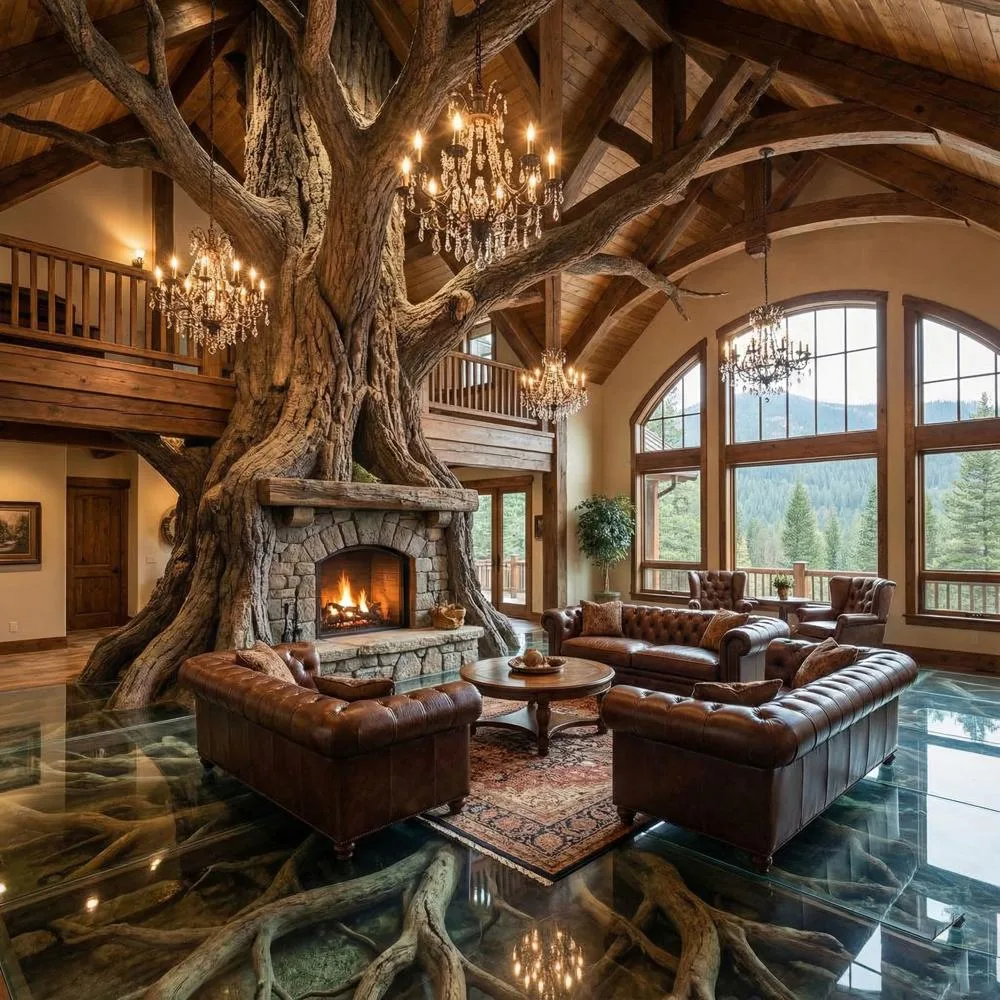
Choosing appropriate wood for your tree fireplace elements requires careful consideration of several factors. Not all wood species perform equally well in the warm, dry environment near a fireplace, and some offer superior aesthetic qualities for this application.
Hardwoods generally provide the best combination of durability, appearance, and stability. Oak remains a perennial favorite due to its prominent grain patterns, excellent strength, and resistance to warping. White oak and red oak each offer distinct coloring, with white oak providing lighter, more neutral tones while red oak delivers warmer, reddish hues.
Walnut brings sophistication with its rich, dark chocolate coloring and straight grain. This premium hardwood creates an upscale appearance and develops a beautiful patina over time. However, walnut commands higher prices than many alternatives, making it a luxury choice.
Maple offers a lighter, more contemporary look with subtle grain patterns and excellent durability. Its fine texture takes finishes beautifully, allowing for customization while still showcasing the wood’s natural beauty. Hard maple withstands heat exposure particularly well, making it ideal for mantels and surrounds.
For truly rustic character, consider reclaimed barn wood, which might include various species. The weathered appearance, nail holes, and saw marks tell stories of the wood’s previous life, creating instant heritage in your space.
Installation Considerations and Best Practices
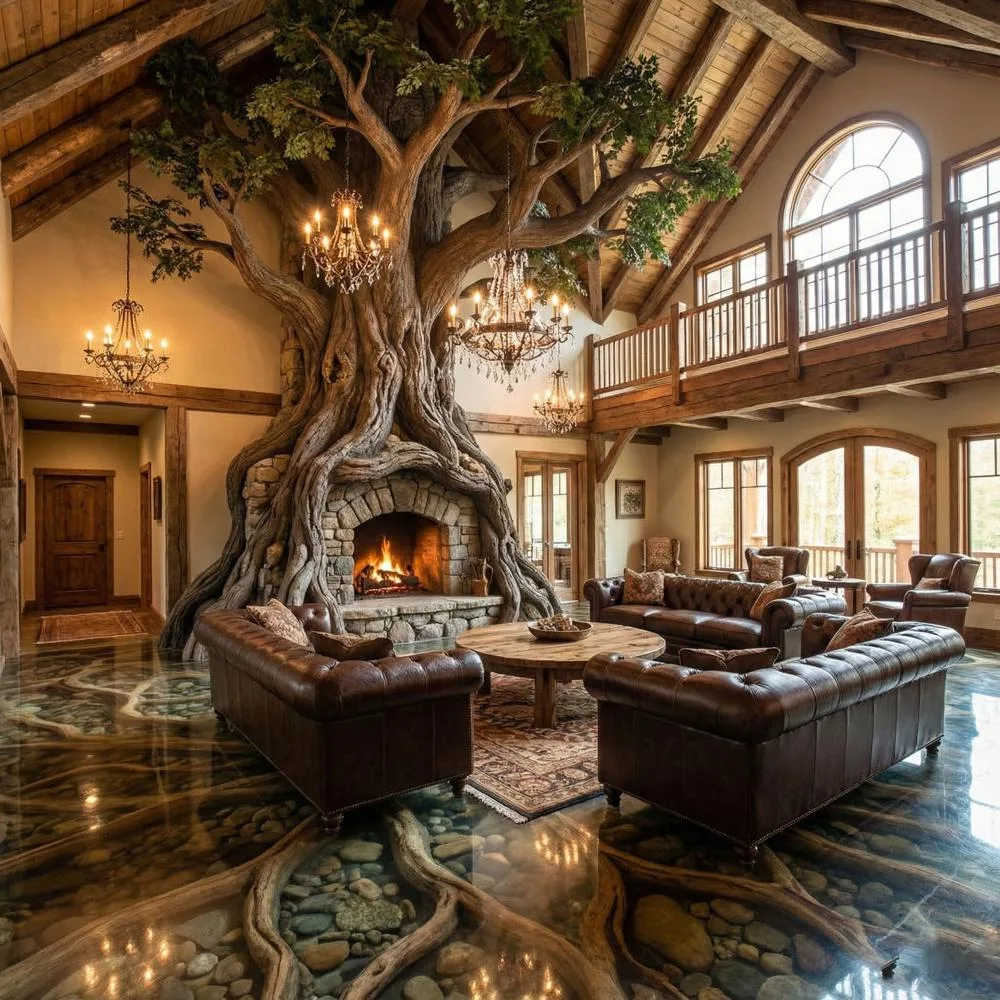
Successfully installing a tree fireplace requires attention to both aesthetic and safety concerns. Working with natural materials near heat sources demands respect for building codes and proper techniques to ensure longevity and safety.
First and foremost, consult local building codes and obtain necessary permits. Regulations specify minimum clearances between combustible materials and heat sources. Even though your tree elements add beauty, they must comply with safety standards. Typically, wood mantels must be positioned at least twelve inches above the fireplace opening, though this varies by jurisdiction and fireplace type.
Professional installation is strongly recommended, especially for structural elements like tree trunk columns or heavy live edge mantels. These pieces can weigh hundreds of pounds and require proper anchoring to wall studs or masonry. Improper installation creates safety hazards and could damage your fireplace or home.
Wood preparation is crucial for elements near the firebox. All wood should be kiln dried to prevent cracking and warping from heat exposure. Many installers apply fire retardant treatments to wood elements, adding an extra layer of protection. Clear, heat resistant finishes help preserve the wood while allowing its natural beauty to shine through.
Consider thermal expansion when installing. Wood expands and contracts with temperature and humidity changes. Installation methods should accommodate this movement to prevent cracking or warping. Experienced installers use techniques like floating mounts that allow slight movement while maintaining secure attachment.
Safety Guidelines You Cannot Ignore
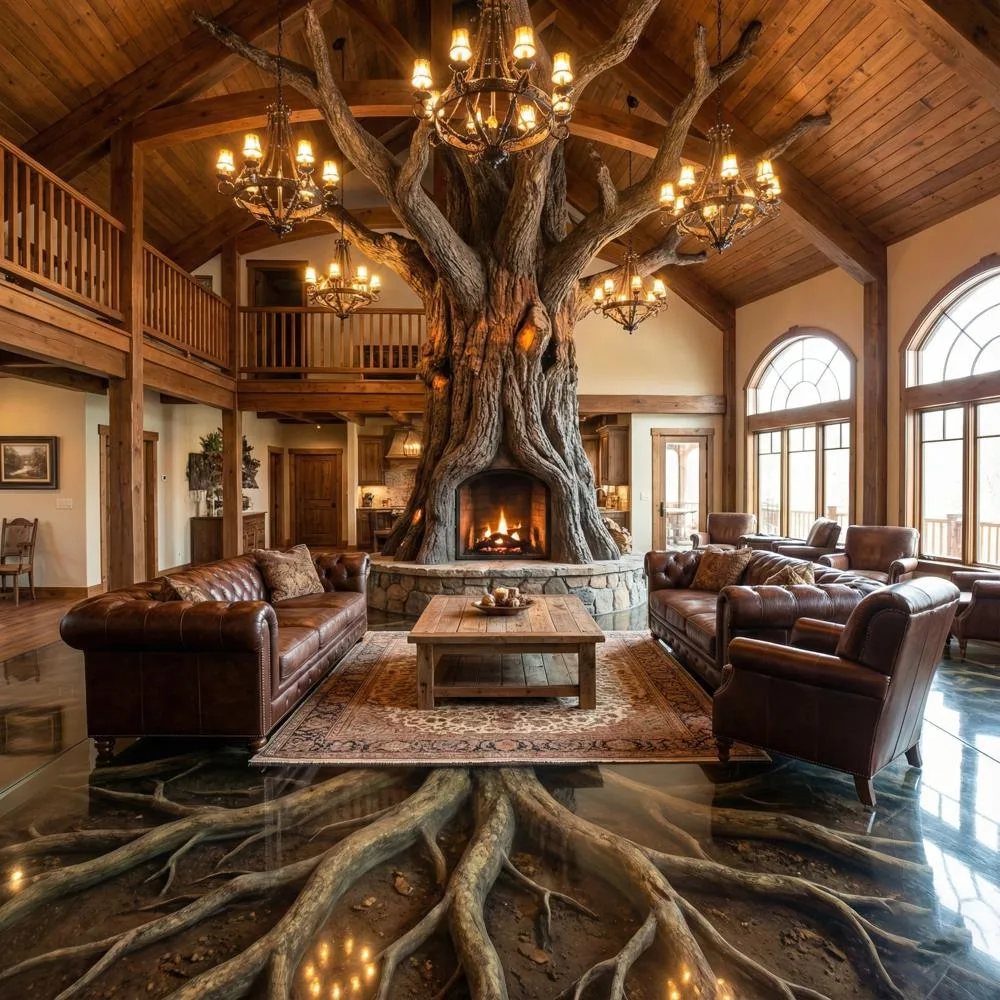
While a tree fireplace creates stunning visual appeal, safety must always take priority. Natural wood near fire requires vigilance and proper precautions to prevent accidents and ensure your family’s wellbeing.
Never use wood elements that haven’t been properly dried and treated. Green or wet wood will crack, warp, and potentially create fire hazards as it dries near the heat source. All wood should have moisture content below fifteen percent, verified with a moisture meter before installation.
Maintain proper clearances at all times. Don’t hang stockings, garlands, or other decorations from wood mantels if doing so brings them too close to flames or hot surfaces. Even treated wood can ignite if exposed to sufficient heat for extended periods.
Install smoke detectors and carbon monoxide detectors according to manufacturer recommendations and local codes. Test these devices monthly and replace batteries annually. These simple devices provide critical early warning if something goes wrong.
Keep a fire extinguisher rated for wood fires easily accessible near your fireplace. Ensure all family members know its location and how to use it properly. Regular chimney inspections and cleanings prevent dangerous creosote buildup that can cause chimney fires.
Never leave fires unattended, and ensure fires are completely extinguished before leaving home or going to bed. Use fireplace screens or glass doors to prevent sparks from escaping the firebox and potentially igniting nearby materials.
Maintenance and Long Term Care
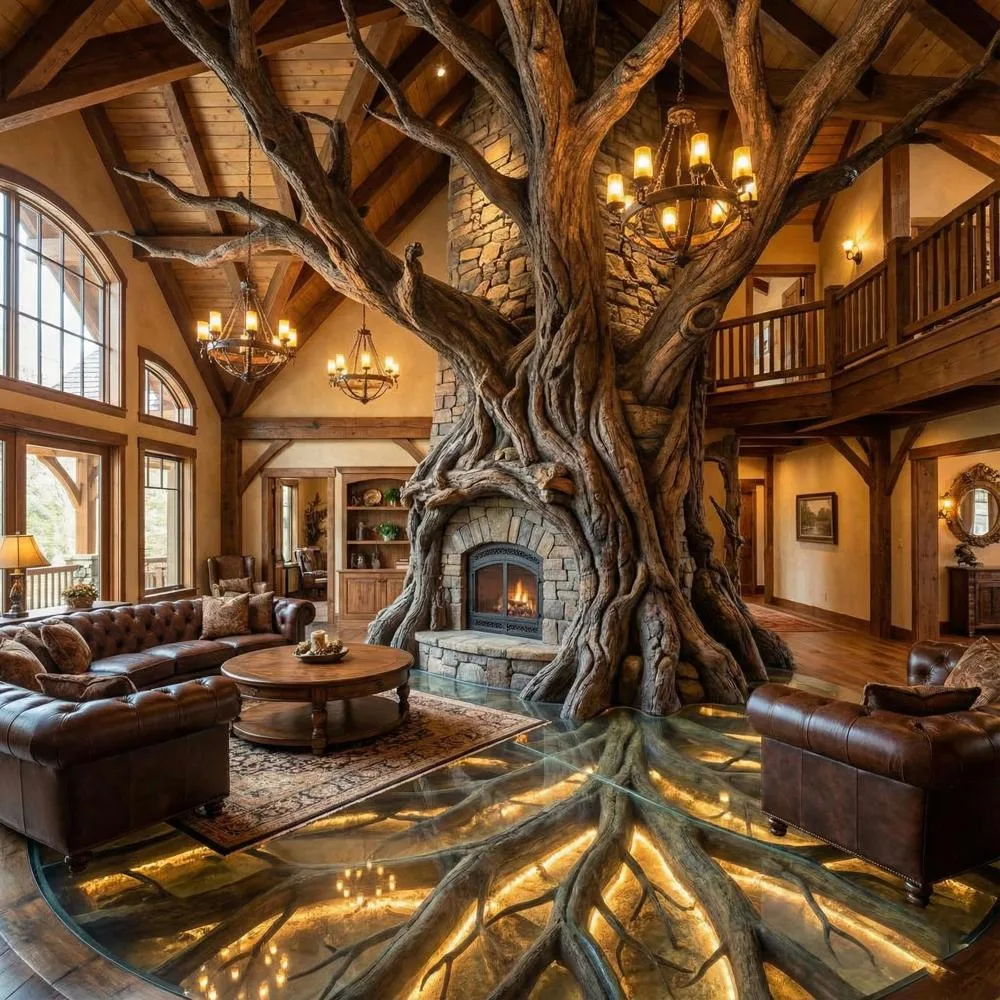
Preserving the beauty of your tree fireplace requires regular attention and proper care techniques. Natural wood near heat sources faces unique challenges, but with appropriate maintenance, your installation will remain stunning for decades.
Dust and clean wood surfaces regularly using soft, dry cloths. For deeper cleaning, use wood specific cleaners that won’t damage finishes or dry out the wood. Avoid excessive moisture, which can raise grain or damage protective coatings.
Inspect finishes annually and reapply as needed. Heat and UV exposure from nearby windows can break down protective coatings over time. Maintaining these finishes prevents moisture damage and keeps wood looking fresh. Most clear finishes require renewal every three to five years depending on exposure.
Watch for signs of damage like cracks, loose bark on live edge pieces, or warping. Address minor issues promptly before they worsen. Small cracks can often be filled with wood filler colored to match, while larger structural issues may require professional repair.
Control humidity levels in your home to minimize wood movement. Excessive dryness causes shrinkage and cracking, while high humidity promotes expansion and can lead to mold growth. Maintain relative humidity between thirty and fifty percent for optimal wood stability.
Consider seasonal changes in your maintenance routine. Wood may need more frequent conditioning during winter when heating systems dry indoor air. Summer humidity might require more vigilant inspection for moisture related issues.
Complementary Design Elements
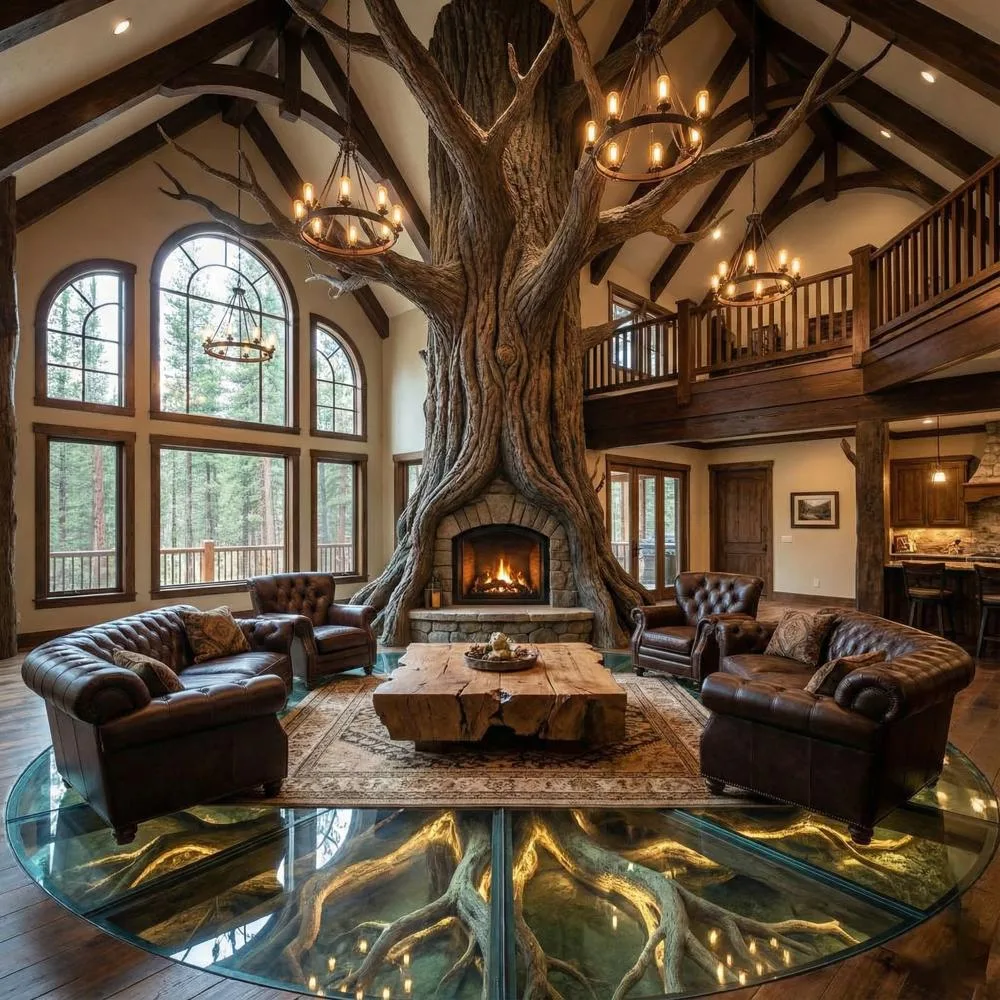
Maximizing the impact of your tree fireplace involves thoughtful coordination with surrounding design elements. The right choices create cohesive, harmonious spaces that feel intentional rather than haphazard.
Stone pairings work beautifully with tree elements. Natural stone fireplace surrounds or hearths complement wood’s organic character while providing necessary non combustible surfaces around the firebox. River rock, stacked stone, or large format flagstone each create different moods while honoring the natural theme.
Lighting dramatically affects how your tree fireplace presents itself. Recessed lighting above the mantel highlights wood grain and texture, while ambient lighting creates warmth. Consider LED strips hidden beneath live edge mantels to create dramatic uplighting that showcases the wood’s natural edge.
Furniture placement should encourage gathering around your tree fireplace while allowing its beauty to be appreciated from multiple angles. Arrange seating to create conversation areas that take advantage of the warmth and ambiance without blocking sight lines to your focal point.
Color palettes should complement rather than compete with natural wood tones. Neutral walls allow wood to take center stage, while accent colors drawn from the wood itself create cohesion. Deep greens, warm grays, and earth tones typically harmonize well with tree elements.
Incorporate additional natural materials throughout the space. Leather upholstery, wool throws, and natural fiber rugs reinforce the organic aesthetic while adding comfort and texture. Plants bring life to the space and strengthen the connection to nature.
Budget Considerations and Value
Understanding the financial aspects of creating a tree fireplace helps set realistic expectations and make informed decisions. Costs vary widely depending on materials, complexity, and whether you hire professionals or tackle some work yourself.
Basic installations using standard dimensional lumber shaped into rustic looking mantels represent the most budget friendly approach. A skilled DIYer can create attractive results for several hundred dollars in materials plus their time. This option works well for those with woodworking skills and appropriate tools.
Mid range projects incorporating genuine reclaimed wood or modest live edge slabs typically cost between fifteen hundred and four thousand dollars including professional installation. These projects deliver authentic character without reaching into luxury price ranges.
High end installations featuring massive live edge slabs, tree trunk columns, or extensive custom millwork can easily exceed ten thousand dollars. Premium wood species, complex installation requirements, and custom fabrication drive costs upward. However, these investments create truly one of a kind focal points that significantly impact home value and aesthetic appeal.
Consider long term value when evaluating costs. Quality installations using properly treated materials require minimal maintenance and last for decades. Cheaper alternatives may need replacement within years, ultimately costing more over time.
Many homeowners find that tree fireplace installations provide excellent return on investment when selling their homes. Unique, high quality features attract buyers and help properties stand out in competitive markets. The emotional appeal of gathering around a beautiful natural fireplace resonates with many buyers.
Environmental Considerations
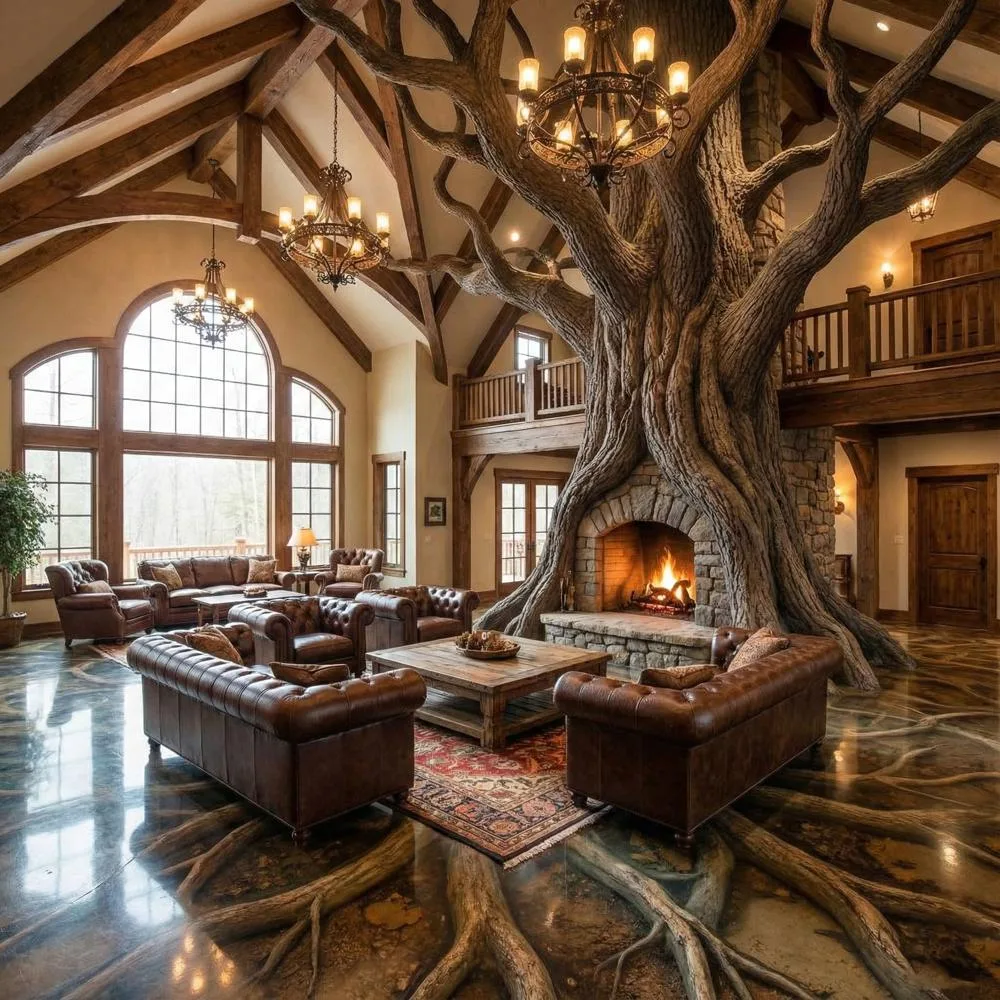
For environmentally conscious homeowners, incorporating sustainable practices into your tree fireplace project aligns aesthetics with values. Several approaches minimize environmental impact while creating beautiful results.
Prioritize reclaimed and salvaged wood whenever possible. Using wood from demolished buildings, fallen trees, or urban lumber programs gives new life to materials that might otherwise become waste. These sources often provide character rich wood with compelling backstories.
When purchasing new wood, seek suppliers committed to sustainable forestry practices. Look for Forest Stewardship Council certification or similar credentials indicating responsible forest management. These certifications ensure trees are harvested sustainably with attention to ecosystem health and regeneration.
Consider local sourcing to reduce transportation related emissions. Many regions have sawmills, urban lumber programs, or woodworkers specializing in local species. Using locally grown wood also ensures better adaptation to your climate, potentially improving performance.
Choose low VOC finishes and treatments to minimize indoor air quality impacts. Many manufacturers now offer environmentally friendly options that provide excellent protection without releasing harmful chemicals into your home.
If installing a new fireplace, consider efficiency carefully. Modern EPA certified wood burning fireplaces and inserts burn much cleaner and more efficiently than traditional open fireplaces, reducing emissions while providing more heat.
Bringing Your Vision to Life
Creating your dream tree fireplace begins with careful planning and clear vision. Start by collecting inspiration from magazines, websites, and real homes. Notice what appeals to you and why. Do you prefer light or dark wood? Heavy timber or refined elegance? Rustic or contemporary?
Measure your space carefully and consider scale. A massive tree trunk column that looks perfect in a great room with twenty foot ceilings might overwhelm a cozy den. Similarly, a delicate live edge mantel could disappear in a large space that demands bolder elements.
Consult with professionals early in the process. Fireplace installers, contractors, and designers bring experience that helps avoid costly mistakes. They can advise on code requirements, structural considerations, and realistic budgets. Many offer design services that translate your vision into detailed plans.
Request references and view completed projects from any professionals you’re considering hiring. The quality of workmanship in natural wood installations varies significantly, and seeing actual results helps ensure you’re hiring skilled craftspeople.
Be patient during material selection. Finding the perfect live edge slab or reclaimed beams takes time. Rushing often leads to compromises you’ll regret for years. Most specialty wood suppliers maintain inventory worth exploring, and many can source specific pieces if you have particular requirements.
Creating Warmth That Transcends Temperature
A thoughtfully designed tree fireplace becomes more than a heating appliance or decorative feature. It transforms into the heart of your home, a gathering place where memories are made and comfort is found. The natural beauty of wood connects us to forests and wilderness even when we’re surrounded by civilization, satisfying something fundamental in the human spirit.
As flames dance behind glass or in an open hearth, the wood around them tells its own story through grain patterns shaped by decades of growth. Knots mark where branches once grew, while color variations reveal the tree’s response to environmental conditions throughout its life. This authenticity cannot be manufactured or faked, which is precisely why it resonates so deeply.
The gentle crackle of burning wood, the warmth radiating into the room, and the play of light across natural wood surfaces create a multisensory experience that soothes and comforts. These are the moments when houses truly feel like homes, when we’re reminded of what matters most.
Whether you choose a dramatic installation with massive timber elements or a subtle approach with a simple live edge mantel, incorporating natural tree elements into your fireplace design honors both tradition and innovation. You’re participating in humanity’s ancient relationship with fire and wood while creating something uniquely suited to contemporary life.
The investment of time, thought, and resources required to create an exceptional tree fireplace pays dividends in daily enjoyment, long term value, and the satisfaction of owning something genuinely special. In a world of mass production and instant gratification, taking the time to do something right, with authentic materials and skilled craftsmanship, stands as an act of intentionality worth celebrating.
Your tree fireplace awaits, ready to anchor your space, warm your home, and provide a focal point that draws people together. The only question remaining is what vision you’ll bring to life in your own space, creating a legacy of warmth and beauty that extends far beyond the flames themselves.