
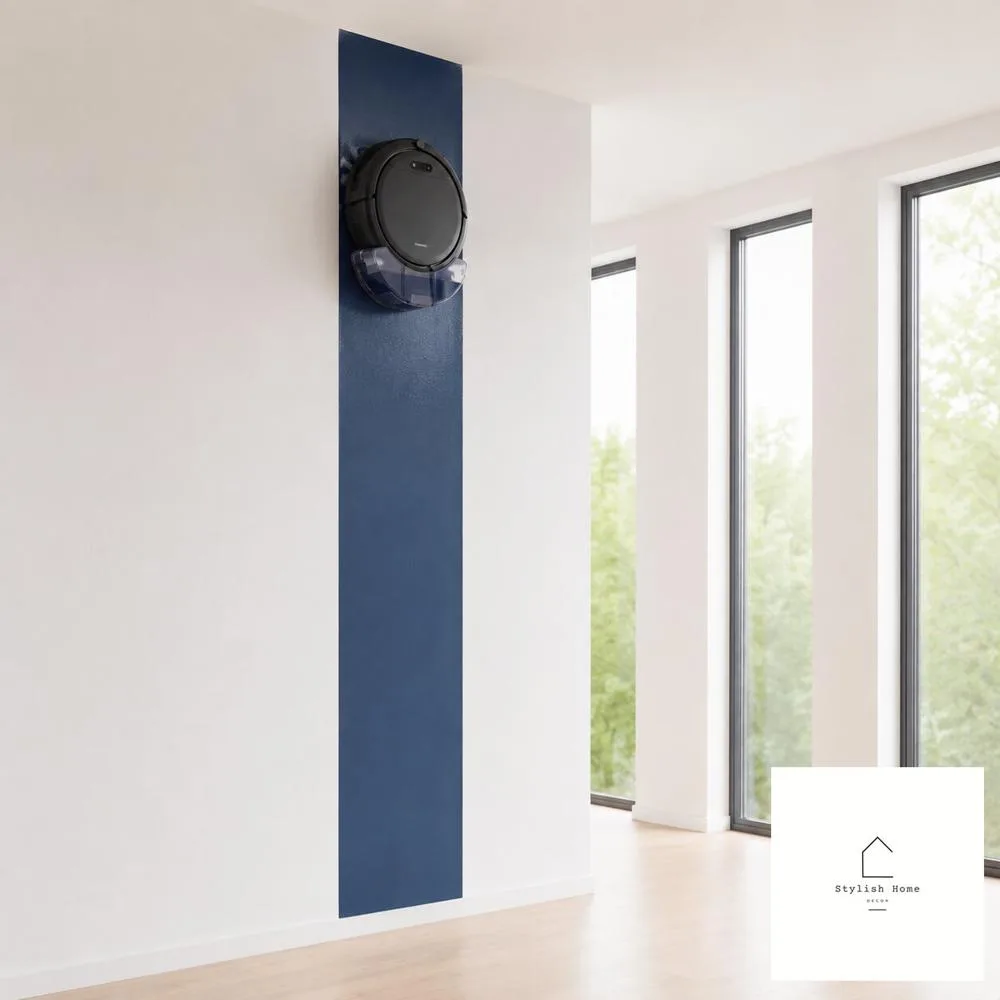
There’s a moment, somewhere between the second coat and the sore back, when every homeowner silently asks the same question: why hasn’t someone invented a robot that does this?
They have. And it’s extraordinary.
The wall painting robot is no longer a concept from a science fiction short story. It’s a functioning, market-ready, awe-inspiring machine that is quietly — and sometimes very loudly — rewriting the rules of interior design, construction, and creative expression. Whether you’re a homeowner craving a flawless accent wall, a professional painter looking to scale your business, or simply a design lover obsessed with the future of beautiful spaces, the rise of the robotic wall painter is something you genuinely cannot afford to ignore in 2026.
Let’s go deep.
What Is a Wall Painting Robot — And Why Is Everyone Talking About It?
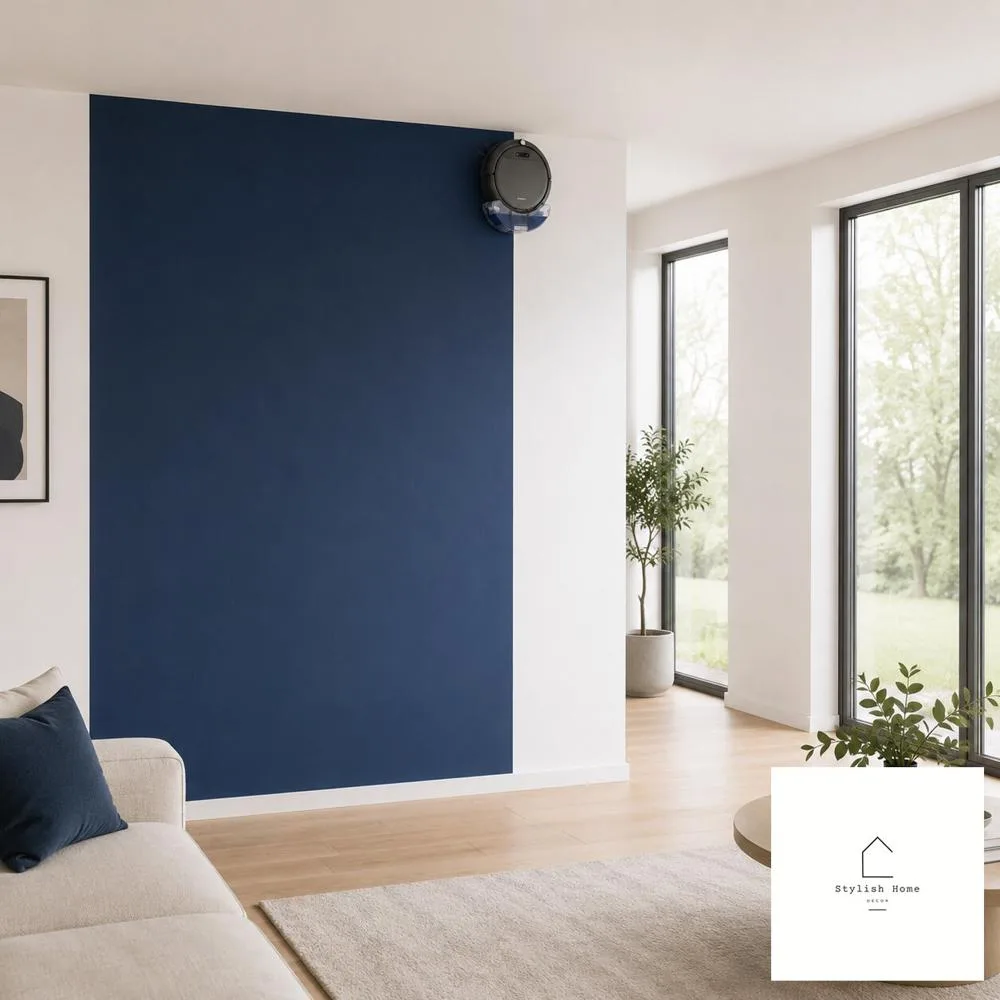
At its core, a wall painting robot is an automated machine designed to apply paint to vertical surfaces — walls, ceilings, facades — with a level of precision and speed that no human hand can consistently replicate. But to call it just a “paint machine” is like calling a smartphone just a telephone. The modern wall painting robot is a smart, sensor-guided, AI-powered system that scans surfaces, detects edges, maps rooms, and executes painting work orders with the kind of mechanical calm that would make any professional painter both jealous and deeply impressed.
Advancements in robotics technology — particularly in precision control, sensor integration, and AI-powered navigation — are dramatically enhancing the capabilities and versatility of wall painting robots. The global market is responding. The wall painting robot market is projected to reach $286 million in 2025, exhibiting a compound annual growth rate of 5.2% through 2033.
That’s not a niche product category quietly humming along. That is a revolution with a very healthy balance sheet.
How Does a Wall Painting Robot Machine Actually Work?
The Technology Behind the Magic
The engineering inside a modern wall painting robot machine is genuinely fascinating, even if you’ve never touched a circuit board in your life.
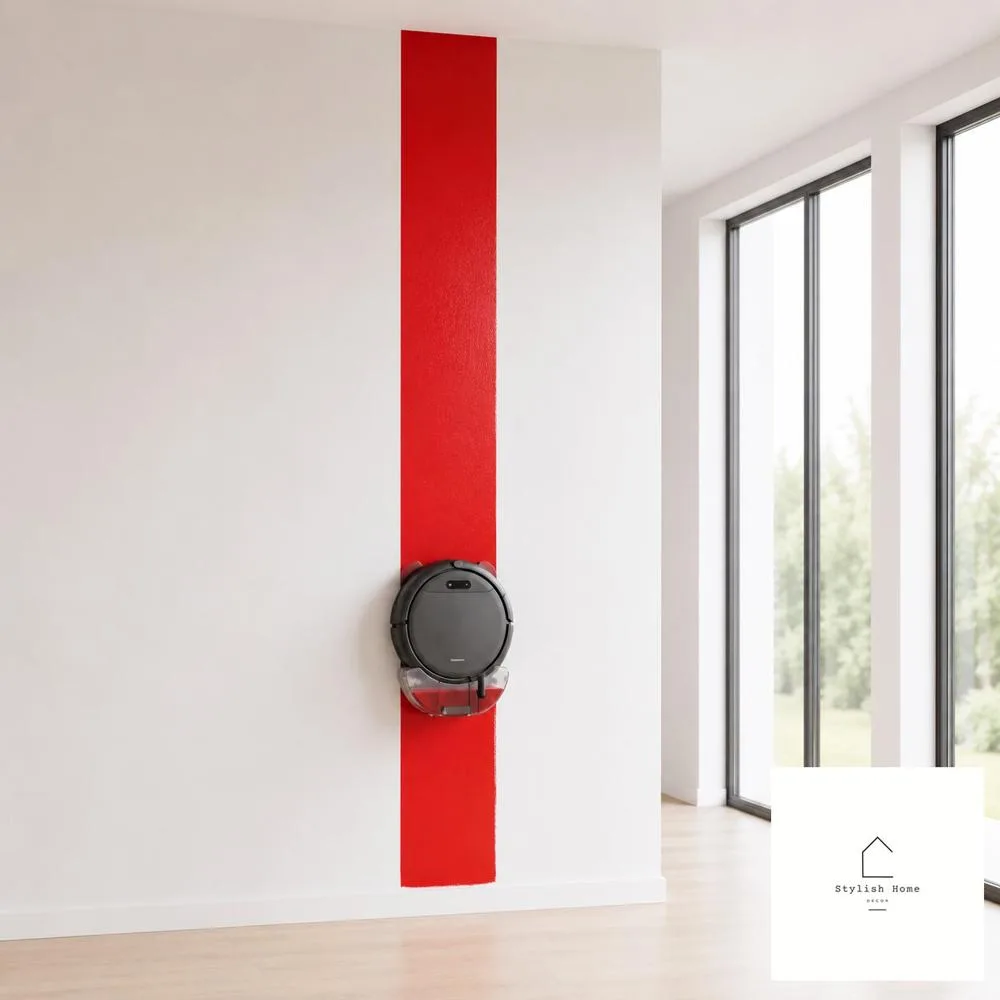
An autonomous wall painting robot can paint the interior walls of a room using a paint sprayer aided by a lift mechanism that allows the sprayer to reach required heights. Mecanum wheels attached to the base allow movement in multiple directions, while ultrasonic sensors detect distance from walls and determine when the sprayer has reached the top.
Think of it like a precision-driven dance. The machine arrives, reads the room, plans its route, and executes. No guesswork. No drips on the skirting board.
More advanced systems use planning algorithms that break each wall into a specific number of vertical painting swaths, determine the robot’s initial position relative to each wall, and then generate a complete queue of actions — wall by wall, swath by swath — until the entire room is covered.
AI Navigation and Vision Systems
What separates today’s wall painting robot machines from their early prototypes is intelligence. These aren’t just mechanical arms following a fixed path. Advanced models like Okibo use real-time 3D scanning and vision algorithms to detect surface gaps, textures, and obstacles, adapting spray motion based on what they encounter to ensure better coverage and minimal overspray.
This is machine vision doing the work that human eyes and experience used to handle — and doing it with relentless consistency.
Wall Painting Roomba: The Autonomous Home Painter You Didn’t Know You Needed
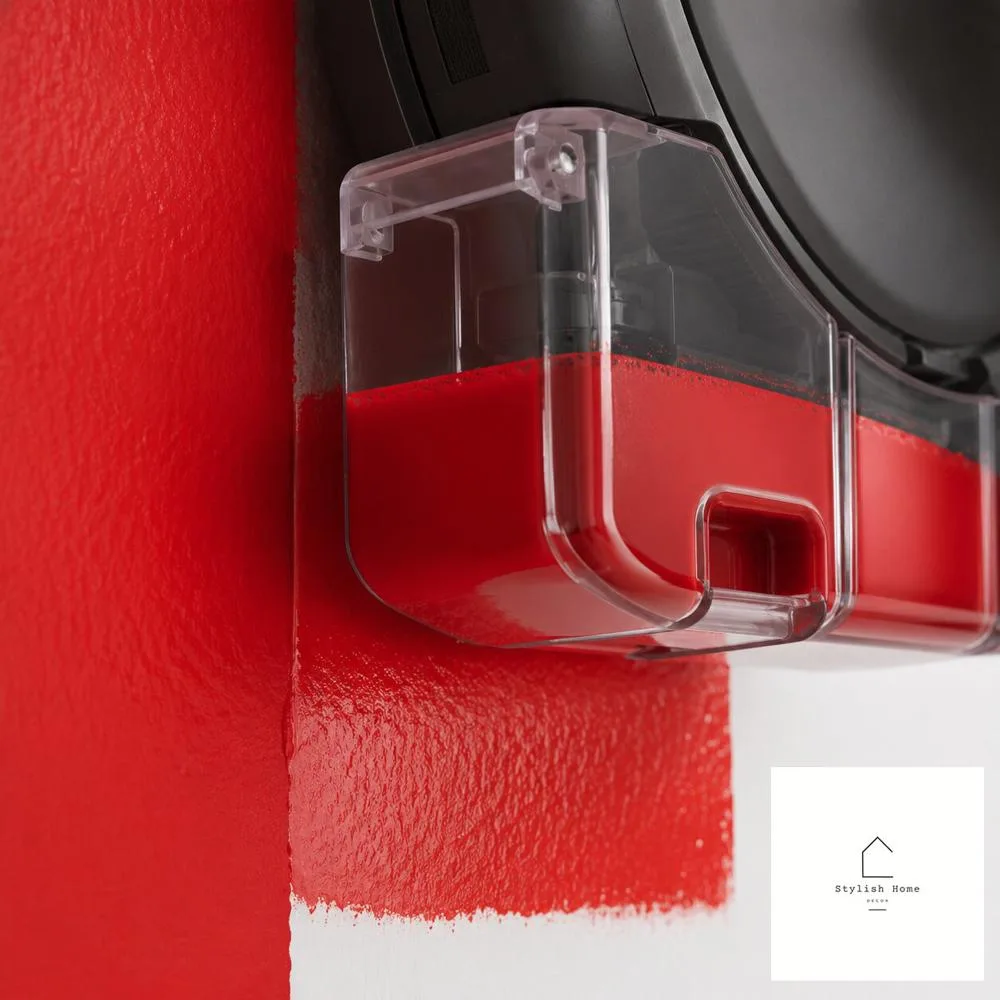
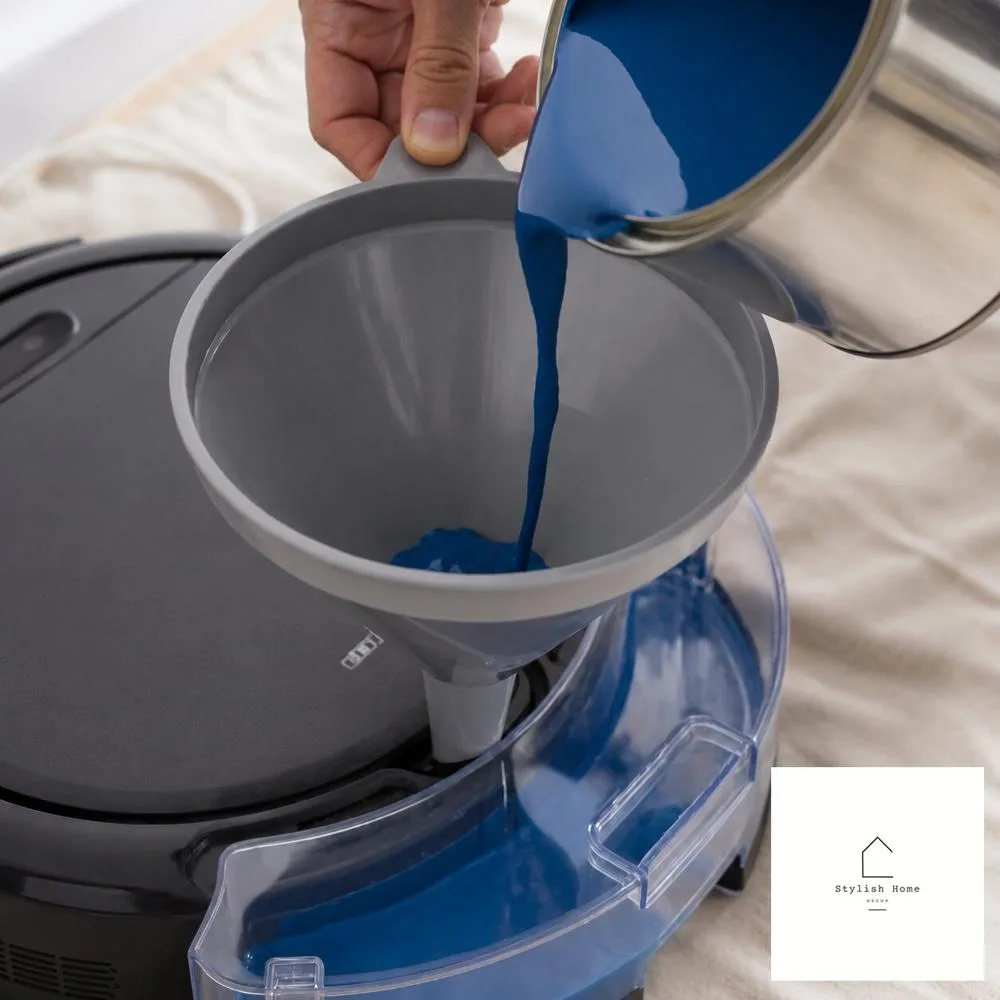
If you’ve ever loved the idea of a Roomba silently vacuuming your floors while you sleep, brace yourself — because the wall painting Roomba concept is now very real, and it’s heading for your living room walls.
The idea of an autonomous, floor-roving painter that works its way around a room, methodically covering surfaces without human supervision, has captured the imagination of engineers and homeowners alike. And the technology to make it happen is already here.
MYRO, one of the most talked-about indoor painting robots, takes commands from an iPad-based app. You simply draw a floor plan and set a work schedule, and MYRO autonomously scans its surroundings using cameras and sensors before beginning its work — with initial scanning taking only seconds.
MYRO is consistent in a way human labor simply cannot match, safe to operate due to its onboard sensors, and versatile enough to work with nearly any paint or on almost any type of flooring.
That’s the wall painting Roomba dream made real. Set it, step back, and let the machine handle the mess.
MYRO’s manufacturers claim the robot can cut labor costs by up to 70% through automated precision — all while speeding up construction timelines and reducing material waste.
For homeowners and contractors alike, those are numbers that stop a conversation cold.
The Wall Painting Robot Project: From DIY Labs to Commercial Murals
The DIY and Maker Community Leads the Way
One of the most beautiful things about the wall painting robot project movement is that it didn’t begin in a corporate lab. It grew from garages, maker spaces, and art studios — the same places where the most genuinely disruptive ideas always seem to begin.
Researchers and engineers have been designing autonomous wall painting robots built on concepts of simplicity, low weight, low cost, and fast painting time — using ultrasonic sensors to manage movement and IR sensors to detect paths, with spray nozzles guided by servo motors and controllers like the Arduino Uno.
These are projects born from passion for both engineering and art. And they’ve laid the groundwork for the commercial systems transforming the construction and design industries today.
Mural Art Robots: Turning Any Wall Into a Canvas
Perhaps nowhere is the wall painting robot project concept more breathtaking than in the world of street art and large-scale murals.
Robot Albert, created by Estonian street artist Mikhel Joala through his company Sprayprinter, can paint murals up to 100 times faster than humans. As it drifts across a surface, it continuously sprays dots of paint that gradually resolve into a full image. Typically, an intelligent algorithm calculates how the image will be scaled to fit the wall — and the machine can spray one square meter per minute.
One square meter. Per minute. That’s not artistic assistance. That’s artistic acceleration.
Products like Botsy take this idea into the hands of working muralists and designers — a portable, easy-to-set-up wall drawing robot that quickly and accurately draws large-scale vector art, murals, and chalkboard designs, saving artists up to 10 times the time compared to traditional transfer methods like projectors or carbon paper.
For a professional muralist, that time savings isn’t just convenient — it’s the difference between taking three projects a month and taking ten.
Who Is the Wall Painting Robot Built For?
This is where things get genuinely exciting, because the honest answer is: almost everyone.
Homeowners and Interior Design Lovers
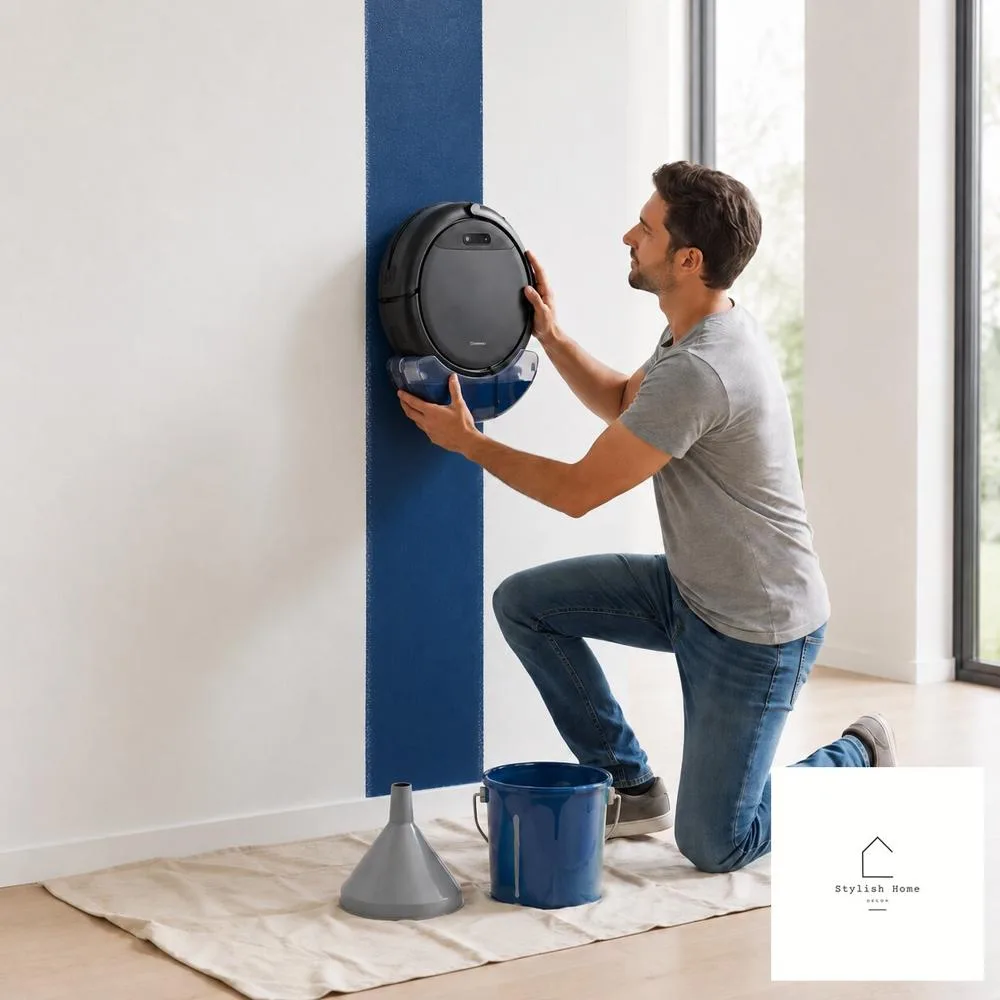
Whether you’re a professional decorator or a homeowner who simply wants flawless walls, the wall painting robot is designed to make painting faster, smarter, and impressively perfect.
Imagine programming your accent wall to display a custom geometric pattern. Imagine giving a child’s bedroom a hand-illustrated mural look — without a single brush stroke from an actual human hand. The possibilities inside a residential space are genuinely endless, especially as consumer-facing models become smaller, smarter, and more affordable.
Modern wall painting robots can handle paint murals, geometric designs, decorative stripes, gradients, logos, and ceiling refreshes — adapting beautifully to interior design projects, commercial branding, and creative studio use.
Construction and Commercial Contractors
At the commercial and construction end of the scale, the wall painting robot machine is less a novelty and more a competitive necessity.
While the initial investment can be high, the long-term savings on labor costs make these machines an attractive option for both professionals and DIY enthusiasts. Modern painting robots are often designed to handle a variety of tasks — from painting walls and ceilings to furniture — increasing their value as a multi-purpose tool.
The most dynamic painting robots use articulated arms or mobile platforms to adapt to curves, uneven surfaces, and 3D geometries — making them ideal for industries that need versatility across surfaces or shifting project types.
Artists and Creative Professionals
For muralists, street artists, and visual designers, the wall painting robot project opens a dimension of creative scale that was previously impossible without a team. You design it digitally. The robot executes it physically. At a scale that would take human hands weeks, the robot delivers in hours.
The Emotional Case for the Wall Painting Robot
Here’s what the spec sheets don’t tell you.
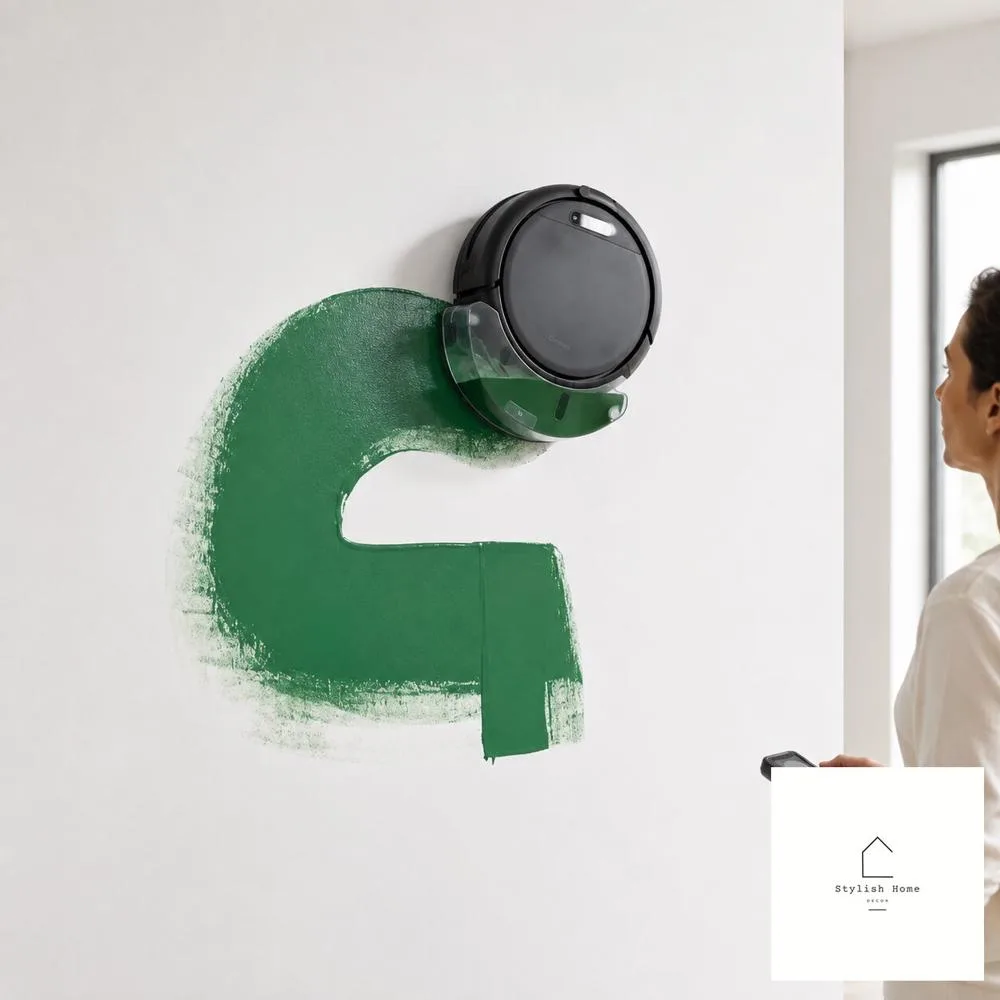
Painting a room is one of those rituals that sounds romantic — choosing colors, transforming a space — until you’re three hours in with a crick in your neck and paint on your ceiling fan. The wall painting robot doesn’t steal that creative joy. It removes the physical punishment, the inconsistency, and the wasted time so that you can focus on what actually matters: the design, the vision, the story your home gets to tell.
There’s something quietly thrilling about programming a wall painting robot to recreate a bookshelf pattern or a geometric design that perfectly complements the personality of a room — a reminder of how technology, when used thoughtfully, can make even our most personal spaces feel more intentional and alive.
Your walls are a canvas. The robot is simply a very precise, very tireless brush.
What’s Next for Wall Painting Robot Technology?
The trajectory here is unmistakable.
The wall painting robot market is poised for continued expansion through the integration of machine learning and computer vision, leading to more autonomous and adaptable robots capable of handling complex painting tasks with greater accuracy and speed. Further growth potential lies in new applications such as exterior wall painting and specialized painting tasks in industrial settings.
We’re moving toward robots that don’t just follow instructions — they understand surfaces, adapt to imperfections in real time, suggest color palettes, and communicate with smart home systems. The wall painting Roomba of five years from now may well scan your room, pull your aesthetic preferences from a connected home app, and begin painting before you’ve finished your morning coffee.
Some current models already support Alexa and Google Home integration for hands-free operation — a glimpse of the fully voice-commanded smart painting experience that’s clearly coming.
Is a Wall Painting Robot Right for You?
Ask yourself a few honest questions:
- Do you repaint rooms frequently and dread the process every time?
- Are you a professional contractor looking to dramatically reduce labor time and costs?
- Are you a muralist or designer wanting to scale your creative output?
- Do you want a feature wall or custom mural but lack the hands to create it at scale?
If any of those resonate, a wall painting robot — whether a compact home unit, a professional-grade autonomous system, or a creative mural machine — belongs in your future.
Staying updated on the latest technological advancements — particularly improved AI navigation and more efficient paint application systems — will help you make a better-informed purchasing decision as the market continues to evolve rapidly.
Your Walls Deserve Better: The Robot Revolution Has Officially Arrived
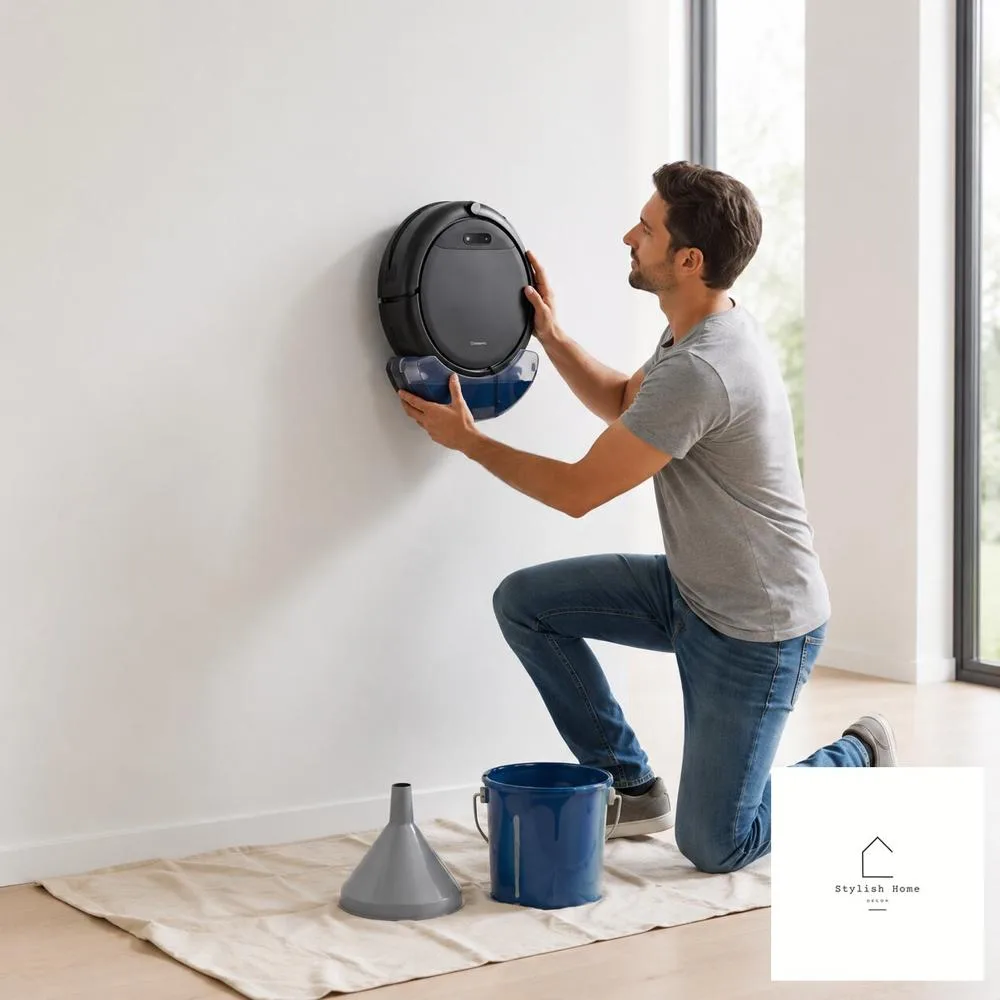
We are living through one of those rare moments when technology catches up with imagination — and the wall painting robot is one of its most beautiful, most tangible expressions. From the Roomba-like autonomy of systems like MYRO, to the mural-scaling precision of Botsy and Sprayprinter, to the industrial power of Okibo and Standard Bots Core, the spectrum of what a wall painting machine can do in 2026 is breathtaking.
Your home is your most personal creative space. It deserves design that’s flawless, intentional, and free from the limitations of tired arms and unsteady hands.
The wall painting robot gives you that. Not someday. Right now.
Inspired by what you’ve just read? There’s a whole world of ideas waiting for you.
Step into a space where AI and imagination shape the home of tomorrow — StylishhomeIdea.net is your destination for next-level design thinking. From AI-generated art and smart décor concepts to digital creations that blur the line between technology and beauty, Stylish Home Ideas brings the future directly into your living space.
Join the community where innovation feels like home:
Facebook: facebook.com/stylishhome
Instagram: @trendingartworks
Pinterest: pinterest.com/trendingartworks
Because your walls should tell a story worth looking at.