

Creating an exceptional outdoor living area requires careful consideration of materials that can withstand the elements while maintaining aesthetic appeal. A wood epoxy patio offers a unique solution that combines the natural warmth of timber with the protective qualities of modern resin technology. This innovative approach to patio design has gained significant popularity among homeowners seeking to elevate their outdoor spaces with a distinctive, durable surface that stands out from conventional patio options.
The fusion of wood and epoxy resin creates a surface that captures attention while providing practical benefits that traditional patio materials often lack. Whether you’re renovating an existing outdoor space or planning a new construction project, understanding the potential of epoxy resin applications on wood surfaces can open up exciting possibilities for your home’s exterior.
Understanding the Wood Epoxy Patio Concept
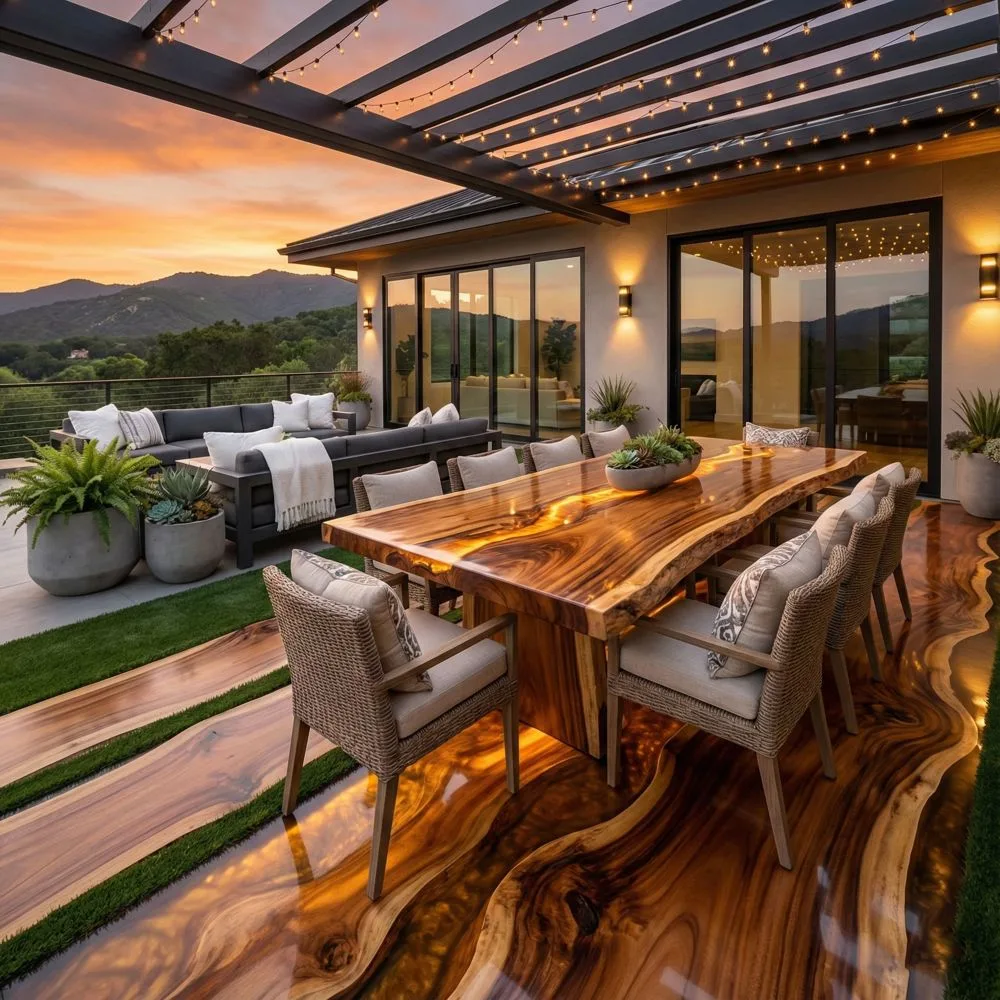
A wood epoxy patio represents more than just a surface treatment. It’s an artistic and functional approach to outdoor flooring that preserves the character of natural wood while adding layers of protection and visual interest. The epoxy resin penetrates deep into the wood fibers, creating a bond that enhances structural integrity while sealing out moisture, insects, and decay.
The Science Behind Epoxy and Wood
Epoxy resin consists of two components that, when mixed, create a chemical reaction resulting in a hard, glass-like finish. When applied to wood, this material fills pores, cracks, and imperfections while creating a waterproof barrier. The transparency of quality epoxy allows the wood grain to remain visible, showcasing the natural beauty beneath while adding depth and dimension through its glossy finish.
This combination works particularly well for outdoor applications because epoxy provides UV resistance, prevents water absorption, and creates a non-porous surface that resists staining and weathering. The wood underneath remains protected from the moisture cycles that typically cause warping, splitting, and rot in traditional wooden patios.
Design Possibilities with Wood Epoxy Patios

The creative potential of incorporating epoxy into your patio design extends far beyond simple protective coating. Modern applications allow homeowners to achieve stunning visual effects that transform outdoor spaces into conversation pieces.
River Table Inspired Patio Designs
One of the most sought-after design trends involves creating river-like patterns through the patio surface. By positioning wood planks with intentional gaps and filling these spaces with colored epoxy, you can simulate flowing water, create geometric patterns, or design custom artistic elements. Blue and turquoise tints are popular for achieving an aquatic aesthetic, while metallic pigments can add shimmer and depth.
Natural Edge and Live Edge Applications
Preserving the natural edges of wood slabs creates organic, flowing lines in your patio design. When these irregular edges are outlined or accented with clear or tinted epoxy, the result is a one-of-a-kind surface that celebrates the tree’s original form. This approach works exceptionally well for smaller patio areas or accent sections within a larger outdoor space.
Embedded Object Designs
The clear nature of epoxy allows for creative embedding of objects within the patio surface. Shells, stones, coins, photographs, or other meaningful items can be permanently encased, creating a personalized outdoor floor that tells a story. This technique adds conversational value while maintaining a smooth, walkable surface.
Practical Benefits of Choosing Wood Epoxy for Your Patio

Beyond aesthetic considerations, a wood epoxy patio offers numerous functional advantages that make it an intelligent choice for outdoor living spaces.
Superior Durability and Longevity
The protective layer created by epoxy resin significantly extends the lifespan of the wood underneath. While traditional wooden decks might require replacement or extensive repairs after ten to fifteen years, a properly installed and maintained wood epoxy surface can last several decades. The resin shield prevents the primary causes of wood deterioration, including moisture penetration, UV damage, and pest infiltration.
Low Maintenance Requirements
Once cured, epoxy creates a non-porous surface that resists dirt accumulation and staining. Regular cleaning involves simple sweeping and occasional washing with mild soap and water. Unlike traditional wood patios that require annual staining, sealing, or painting, a wood epoxy patio maintains its appearance with minimal intervention.
Weather Resistance
Outdoor furniture and structures constantly battle the elements. Epoxy-coated wood surfaces handle temperature fluctuations, rain, snow, and sun exposure more effectively than untreated or conventionally sealed wood. The waterproof nature of epoxy prevents the freeze-thaw cycle damage that plagues many outdoor wood installations in colder climates.
Installation Considerations for Your Wood Epoxy Patio

Creating a successful wood epoxy patio requires careful planning and execution. Understanding the process helps set realistic expectations and ensures optimal results.
Surface Preparation
The foundation of any epoxy application is meticulous surface preparation. The wood must be clean, dry, and free from contaminants like oils, old finishes, or loose fibers. Proper sanding creates the ideal texture for epoxy adhesion, while addressing any structural issues beforehand prevents problems after the epoxy cures.
Environmental Factors
Temperature and humidity significantly impact epoxy curing. Most epoxy products require application in controlled conditions, typically between 70 and 85 degrees Fahrenheit with low humidity. Planning your installation during favorable weather conditions is essential for achieving professional results.
Application Technique
Multiple thin coats generally produce superior results compared to single thick applications. Each layer must cure properly before the next is applied. The self-leveling properties of epoxy help create smooth surfaces, but careful spreading and bubble removal during application prevents imperfections.
Professional vs DIY Installation
While experienced DIY enthusiasts can successfully complete wood epoxy patio projects, the investment in materials and the technical requirements make professional installation worth considering. Professionals bring expertise in surface preparation, proper mixing ratios, and application techniques that minimize common pitfalls like bubbles, uneven coating, or improper curing.
Selecting the Right Materials for Your Project

The quality of materials directly impacts the longevity and appearance of your wood epoxy patio. Making informed choices about both wood and epoxy components sets the foundation for success.
Wood Selection
Hardwoods like teak, ipe, or oak provide excellent bases for epoxy applications due to their density and grain patterns. However, properly prepared softwoods can also work well with appropriate epoxy formulations. Consider the existing color and grain of the wood, as these characteristics will remain visible through the epoxy and contribute to the final aesthetic.
Epoxy Types and Formulations
Not all epoxy resins suit outdoor applications. Look for products specifically formulated for exterior use with UV inhibitors to prevent yellowing and degradation from sun exposure. Marine-grade epoxies often provide the durability needed for patio applications. Some formulations include flexibility to accommodate wood movement, which is crucial for large outdoor installations.
Pigments and Additives
If you’re planning colored sections or special effects, choose high-quality pigments designed for epoxy resin. Metallic powders, glow-in-the-dark pigments, or standard color dyes expand your design options. Anti-slip additives can enhance safety, particularly important for pool surrounds or areas that might get wet.
Cost Considerations and Budgeting
Understanding the financial investment required for a wood epoxy patio helps with planning and decision making.
Material Costs
Epoxy resin represents a significant portion of project expenses. Prices vary based on quality, brand, and quantity needed. Professional-grade products suitable for outdoor use typically cost more than basic craft epoxy but provide the durability necessary for patio applications. Wood costs depend on species, dimensions, and whether you’re working with reclaimed or new materials.
Labor Expenses
Professional installation costs reflect the skill and time required for proper surface preparation, multiple application layers, and finishing work. While this adds to the overall investment, professional results often justify the expense, particularly for large patio areas.
Long-Term Value
When evaluating costs, consider the reduced maintenance expenses and extended lifespan compared to alternative patio materials. The elimination of annual sealing, staining, or repairs creates savings over time. Additionally, the unique appearance and durability can increase property value.
Maintenance and Care for Long-Lasting Beauty
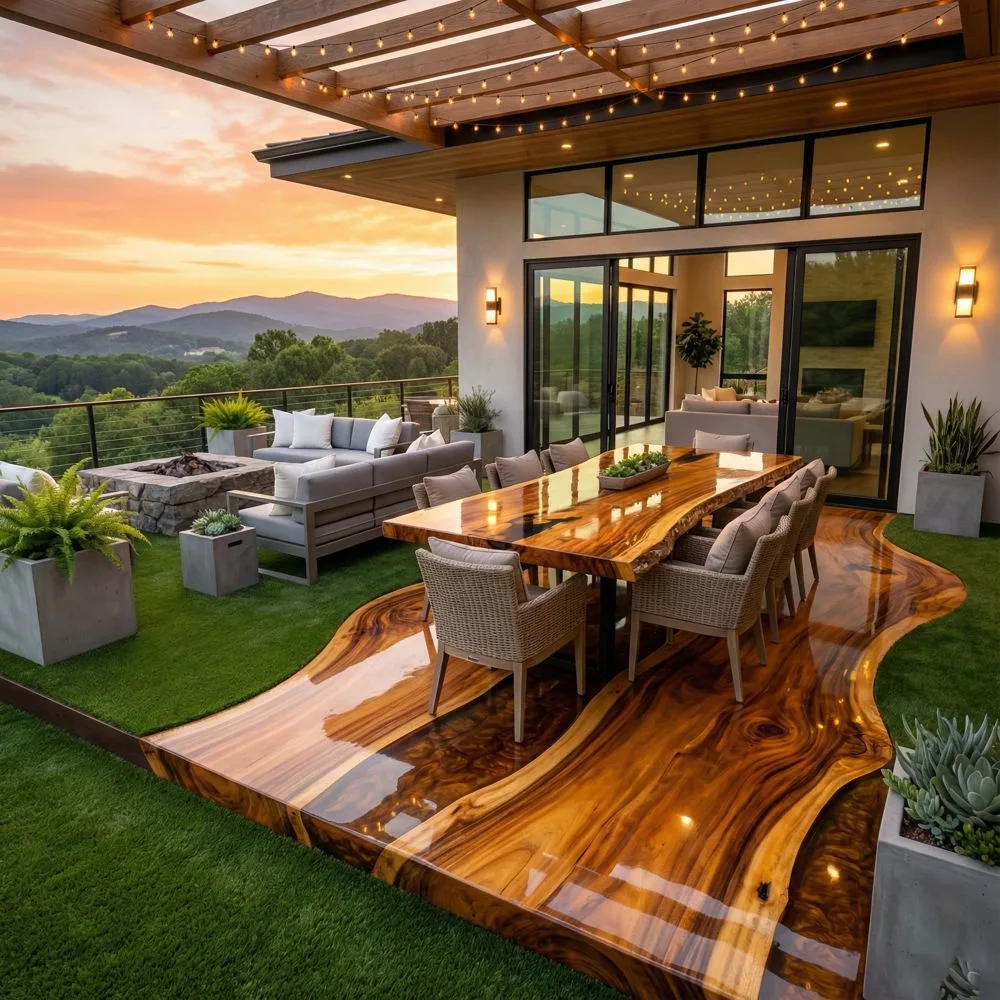
Proper maintenance preserves the appearance and integrity of your wood epoxy patio for years to come.
Regular Cleaning
Simple maintenance involves sweeping away debris and washing with water and mild detergent. Avoid abrasive cleaners or scrubbing pads that could scratch the epoxy surface. For stubborn stains, specialized epoxy cleaners provide effective solutions without damaging the finish.
UV Protection
Despite UV inhibitors in quality epoxy formulations, some yellowing or dulling may occur over many years of sun exposure. Applying UV-protective topcoats every few years refreshes the appearance and extends the life of the epoxy layer. Some homeowners install pergolas or shade structures to limit direct sun exposure in particularly harsh climates.
Addressing Damage
While epoxy creates a durable surface, impacts from heavy objects or extreme conditions can cause chips or cracks. Small damages are often repairable by sanding the affected area and applying new epoxy. Larger issues might require professional assessment to determine whether spot repairs or resurfacing is necessary.
Environmental and Health Considerations

Making informed choices about the environmental impact and health aspects of your wood epoxy patio contributes to responsible home improvement.
VOC Emissions
Epoxy products release volatile organic compounds during application and curing. Choosing low-VOC formulations reduces environmental impact and minimizes exposure concerns. Proper ventilation during installation is essential, though outdoor applications naturally provide better air circulation than indoor projects.
Sustainability Factors
Using reclaimed or salvaged wood for your patio base adds an eco-friendly element to the project. The longevity of epoxy-coated wood means fewer replacements and less waste over time compared to materials requiring frequent renewal.
Safe Application Practices
Working with epoxy requires appropriate safety equipment including gloves, eye protection, and respirators during mixing and application. Following manufacturer guidelines for safe handling protects both installers and the environment.
Wrapping Up Your Wood Epoxy Patio Journey
Choosing a wood epoxy patio represents a decision to invest in beauty, durability, and uniqueness for your outdoor living space. This innovative approach to patio design merges natural aesthetics with modern material science, creating surfaces that resist the challenges of outdoor environments while providing stunning visual appeal. From river-inspired designs to natural edge applications, the creative possibilities allow for truly personalized outdoor spaces that reflect individual style and preferences.
The practical benefits of superior weather resistance, low maintenance requirements, and exceptional longevity make wood epoxy patios a smart choice beyond their undeniable aesthetic appeal. While the initial investment and installation process require careful planning and potentially professional assistance, the long-term value and reduced upkeep create advantages that extend far into the future.
Whether you’re drawn to the artistic potential of embedded designs, the organic beauty of live edge wood, or simply the practical benefits of a durable, waterproof outdoor surface, a wood epoxy patio offers solutions that traditional materials cannot match. By understanding the materials, processes, and maintenance requirements, you can make informed decisions that result in an outdoor space you’ll enjoy for decades to come. The transformation of your patio into a distinctive, functional work of art awaits.