

Walking into a home with a wood slab epoxy floor feels like stepping into a piece of living art. The natural beauty of wood preserved forever in crystal clear resin creates a flooring solution that turns heads and starts conversations. This innovative flooring technique combines the warmth of natural wood with the durability of modern epoxy systems, resulting in a surface that is both functional and breathtaking.
The popularity of wood slab epoxy floors has exploded in recent years as homeowners and designers seek unique ways to incorporate natural elements into interior spaces. Unlike traditional hardwood flooring, these custom floors allow you to see the complete cross section of wood pieces, showcasing the intricate grain patterns, natural cracks, and organic shapes that make each installation completely one of a kind.
Understanding Wood Slab Epoxy Floor Construction

What Makes This Flooring Special
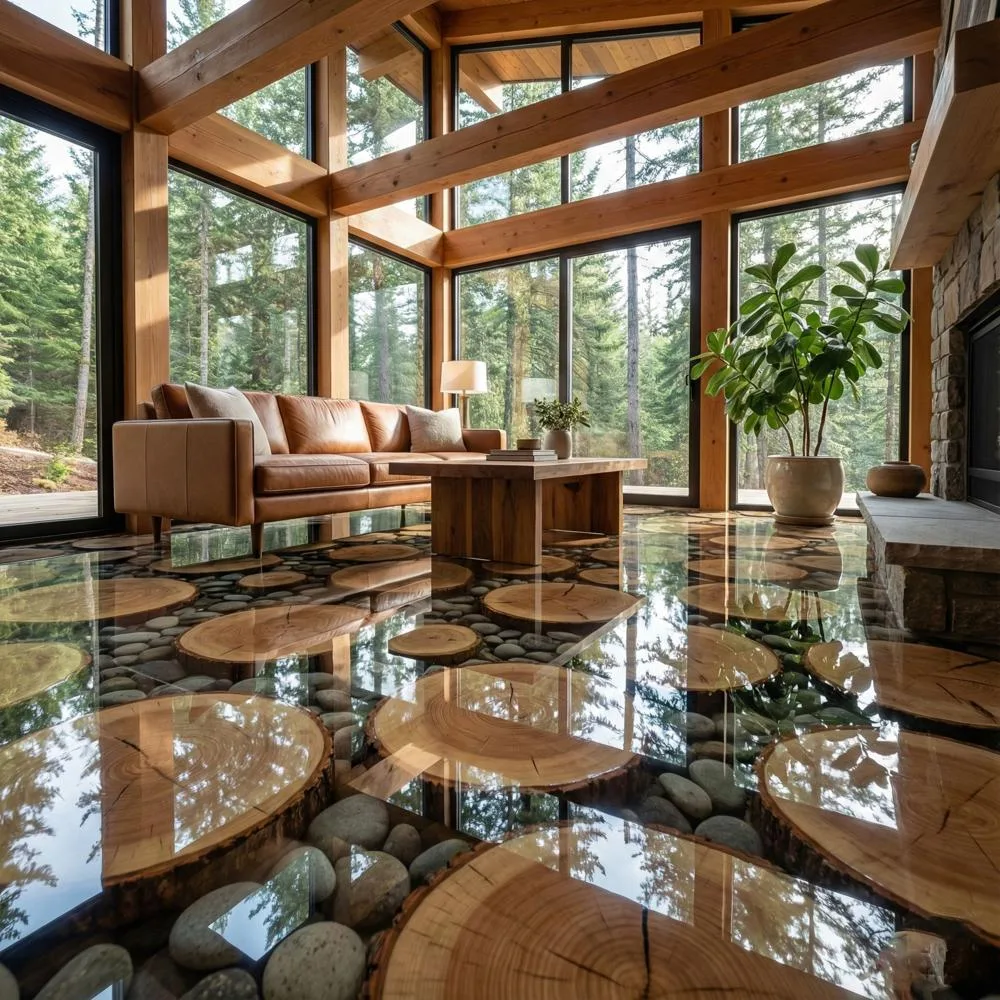
A wood slab epoxy floor is created by embedding slices or slabs of natural wood into a clear epoxy resin matrix. The wood pieces can be arranged in countless patterns, from orderly geometric designs to organic, flowing layouts that mimic a forest floor. The epoxy acts as both an adhesive and a protective coating, encasing the wood entirely and creating a smooth, level surface that can withstand the demands of daily life.
The beauty of this flooring type lies in its versatility. You can use thick wood slabs that showcase dramatic grain patterns, thin wood slices that create intricate mosaics, or even incorporate bark and other natural elements for added texture. The epoxy can remain crystal clear to highlight the wood’s natural color, or it can be tinted with pigments to create stunning color combinations that complement your design vision.
Materials and Components
Creating a successful wood slab epoxy floor requires careful selection of both the wood and epoxy components. The wood should be properly dried to prevent future shrinkage or cracking. Most installers prefer hardwoods like walnut, oak, maple, or exotic species that offer interesting grain patterns and natural durability. Softwoods can work but may require additional stabilization.
The epoxy system typically consists of two parts: the resin and the hardener. When mixed together, these components undergo a chemical reaction that transforms the liquid mixture into a solid, glass like surface. Professional grade epoxy systems designed for flooring applications offer superior clarity, UV resistance, and durability compared to craft store varieties.
Design Possibilities and Creative Applications
Traditional Wood Slice Patterns
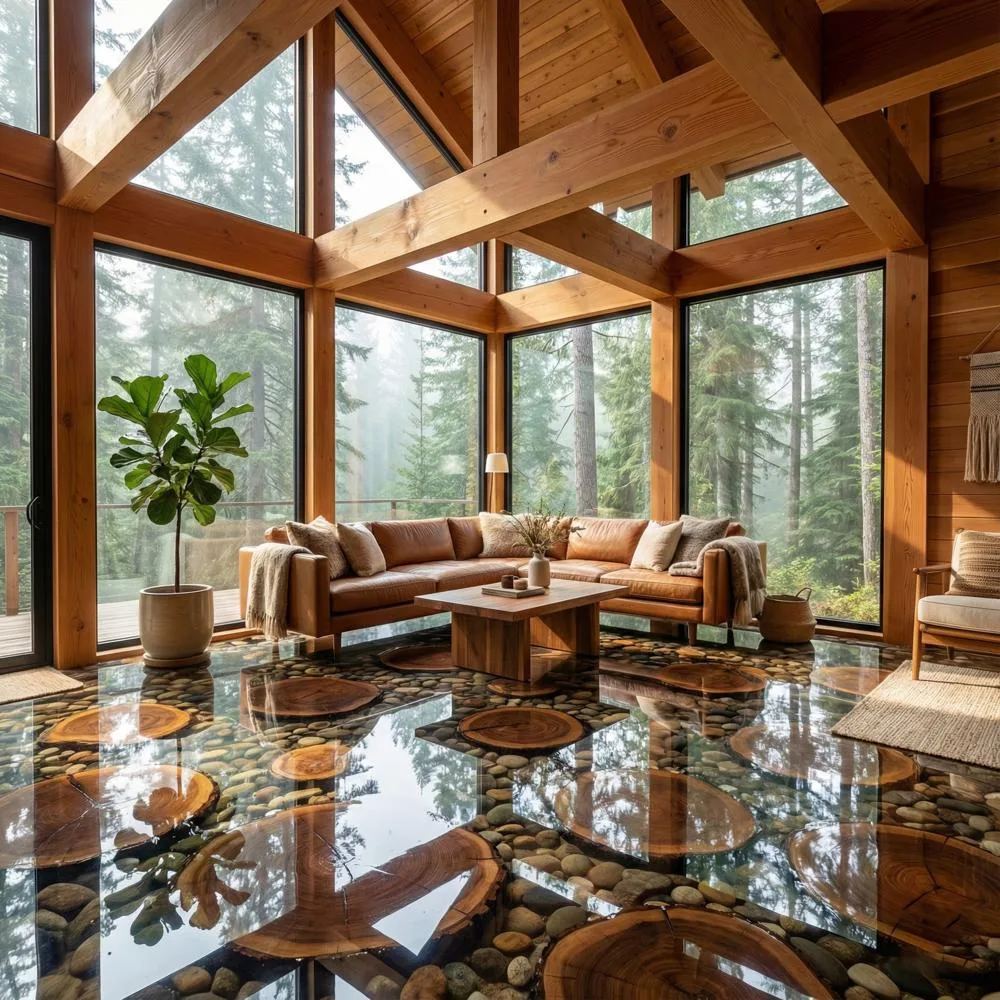
One of the most popular approaches to wood slab epoxy floor design involves using round or oval wood slices cut from tree branches or logs. These pieces can be arranged tightly together for a cohesive look or spaced apart with epoxy filling the gaps between them. This creates a distinctive pattern that resembles stepping stones or a stylized tree ring design.
The thickness of wood slices can vary throughout the floor to create depth and dimension. Some designers incorporate slices from different wood species to introduce color variation, mixing light maple with dark walnut or rich cherry. This multi species approach adds visual interest while maintaining the natural, organic aesthetic that makes these floors so appealing.
Contemporary Geometric Designs
For those seeking a more modern aesthetic, wood slab epoxy floors can incorporate geometric patterns using rectangular or custom cut wood pieces. Live edge slabs arranged in parallel lines create striking linear patterns, while triangular pieces can form intricate tessellations. These contemporary designs work particularly well in minimalist or industrial style spaces.
Mixing wood orientation also creates dynamic visual effects. Placing some pieces with the grain running horizontally and others vertically adds movement and complexity to the design. This approach works especially well in large open floor plans where the floor becomes a major design focal point.
Installation Process for Wood Slab Epoxy Floors
Surface Preparation Requirements
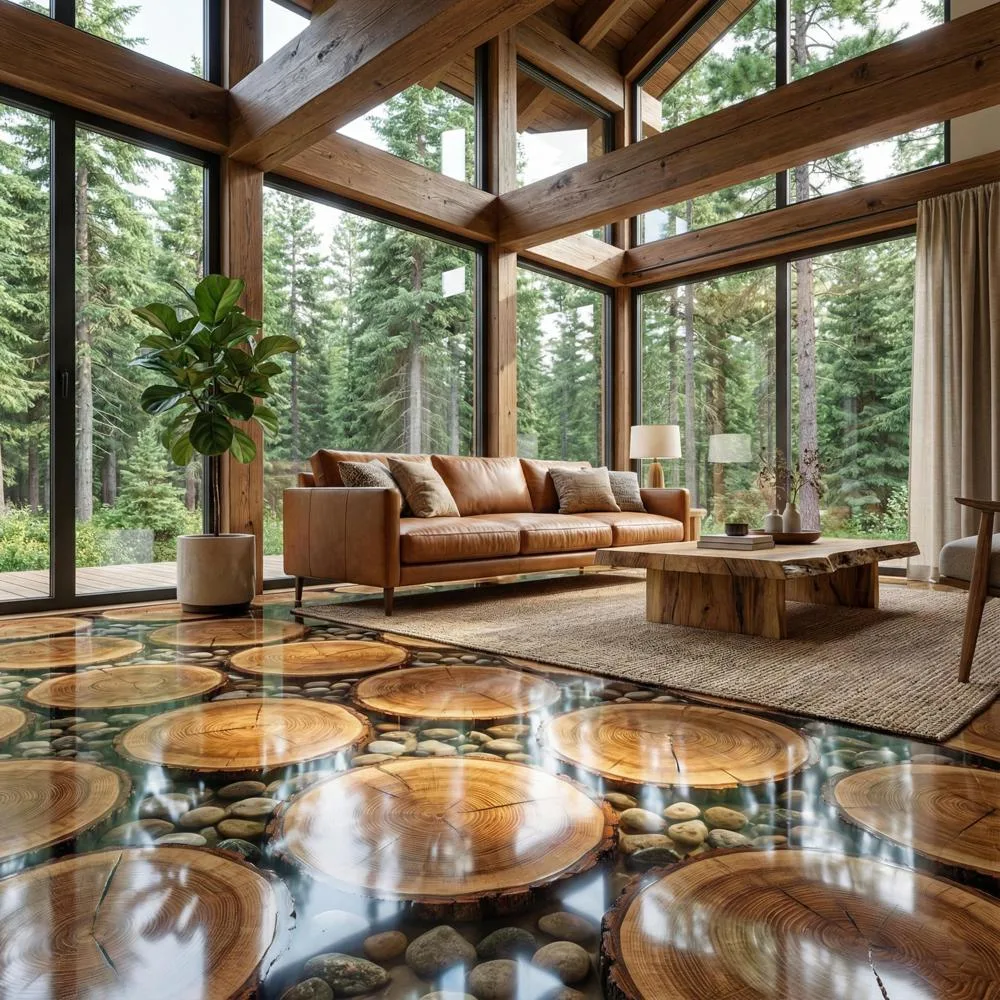
Proper preparation is absolutely critical for a successful wood slab epoxy floor installation. The substrate must be completely level, clean, and free from any contaminants like oil, grease, or old adhesive residue. Most installations begin with either a concrete subfloor or a properly prepared plywood base.
Concrete surfaces typically require grinding or acid etching to open the pores and ensure proper epoxy adhesion. Any cracks or imperfections must be filled and leveled before proceeding. The moisture content of the concrete must also be checked, as excess moisture can cause epoxy failure. Most manufacturers recommend moisture levels below four percent for optimal results.
Wood Preparation and Arrangement
Before embedding wood into epoxy, each piece must be thoroughly prepared. This includes sanding rough surfaces, removing loose bark unless it is intentionally part of the design, and treating the wood with a stabilizing sealer. Many professionals apply a thin coat of epoxy to the wood pieces first, which helps prevent air bubbles from escaping during the main pour.
Planning the wood layout requires both artistic vision and practical consideration. Creating a full scale mockup on paper or using design software helps visualize the final result. Once satisfied with the arrangement, the wood pieces are secured to the substrate using small amounts of epoxy or temporary adhesive, ensuring they remain in position during the main pour.
The Epoxy Pour Process
Pouring epoxy for a wood slab epoxy floor typically happens in multiple stages. A thin base coat is often applied first to seal the substrate and provide a foundation for the wood pieces. Once the wood is positioned and secured, subsequent pours build up the epoxy level until it fully encases the wood and creates a smooth surface.
Working time is crucial when pouring epoxy. Most systems offer a limited window for mixing, pouring, and smoothing the material before it begins to cure. Professional installers often work in sections for larger floors, carefully blending the seams between pours to maintain a uniform appearance. Temperature control is also important, as epoxy cures best in moderate conditions without extreme heat or cold.
Finishing and Sealing
After the epoxy has fully cured, which can take several days depending on the product and environmental conditions, the surface requires finishing work. This typically involves sanding to level any imperfections and create a perfectly smooth surface. Progressive grits of sandpaper remove scratches and prepare the floor for final coating.
The final steps include applying one or more clear topcoat layers. These protective coats add depth to the appearance while providing scratch resistance and UV protection. Many installers apply at least two topcoats, allowing each to cure completely before adding the next. The result is a deep, glass like finish that showcases the wood while providing lasting protection.
Cost Considerations and Budget Planning
Material Expenses
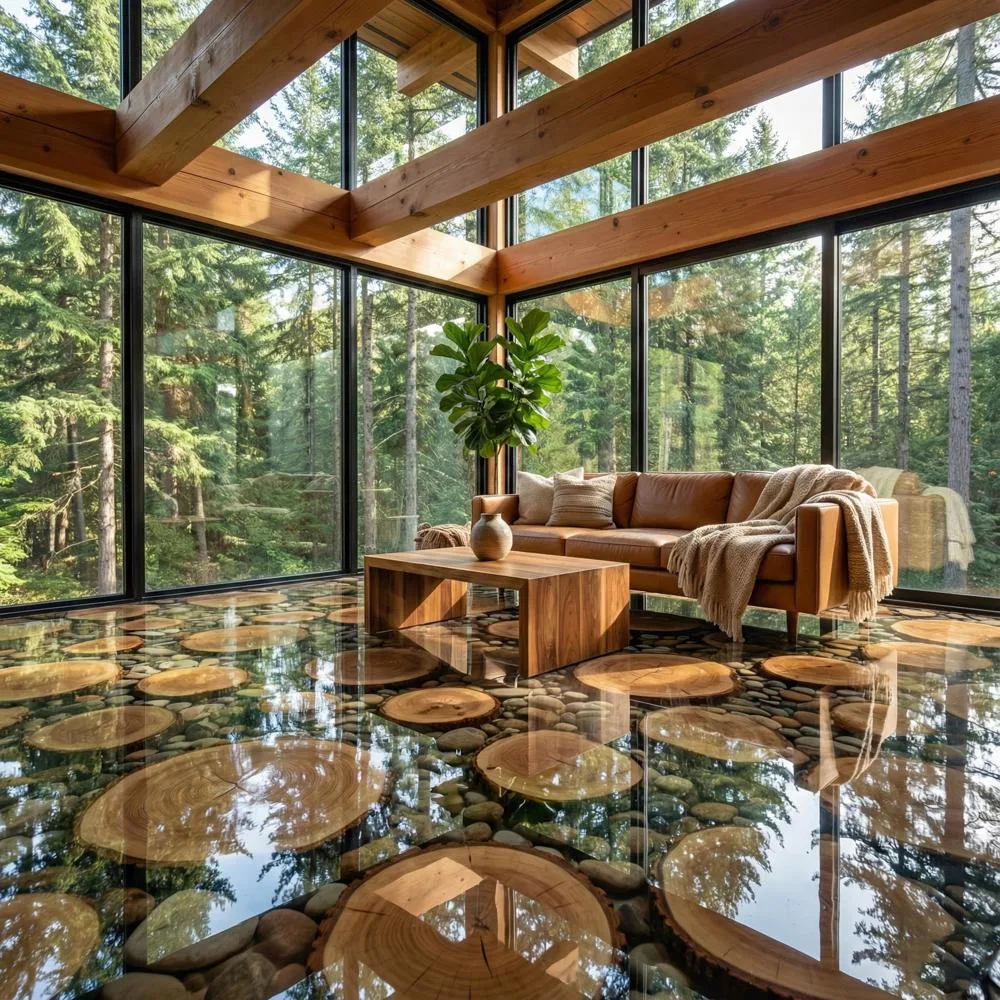
The cost of creating a wood slab epoxy floor varies significantly based on several factors. Epoxy resin represents one of the largest expenses, with professional grade systems ranging from five to fifteen dollars per square foot depending on the brand and required thickness. Specialty epoxies with enhanced UV resistance or faster cure times command premium prices.
Wood costs depend entirely on your choice of species and sourcing methods. Exotic hardwoods or specially selected live edge slabs can be expensive, while locally sourced wood or pieces salvaged from tree services may cost significantly less or even be free. Many DIY enthusiasts reduce costs by collecting and preparing their own wood over time.
Labor and Installation Costs
Professional installation of a wood slab epoxy floor typically costs between fifteen and forty dollars per square foot for labor alone. This wide range reflects the complexity of the design, the experience level of the installer, and regional price variations. Intricate patterns with carefully selected wood pieces require more time and skill, increasing labor costs accordingly.
For those considering DIY installation, the time investment is substantial. A typical residential room might require several full days of work spread over two weeks to allow for proper curing between steps. The learning curve can be steep, and mistakes with epoxy can be costly to fix, making professional installation worth considering for high visibility areas.
Maintenance and Long Term Care
Daily Cleaning Routines
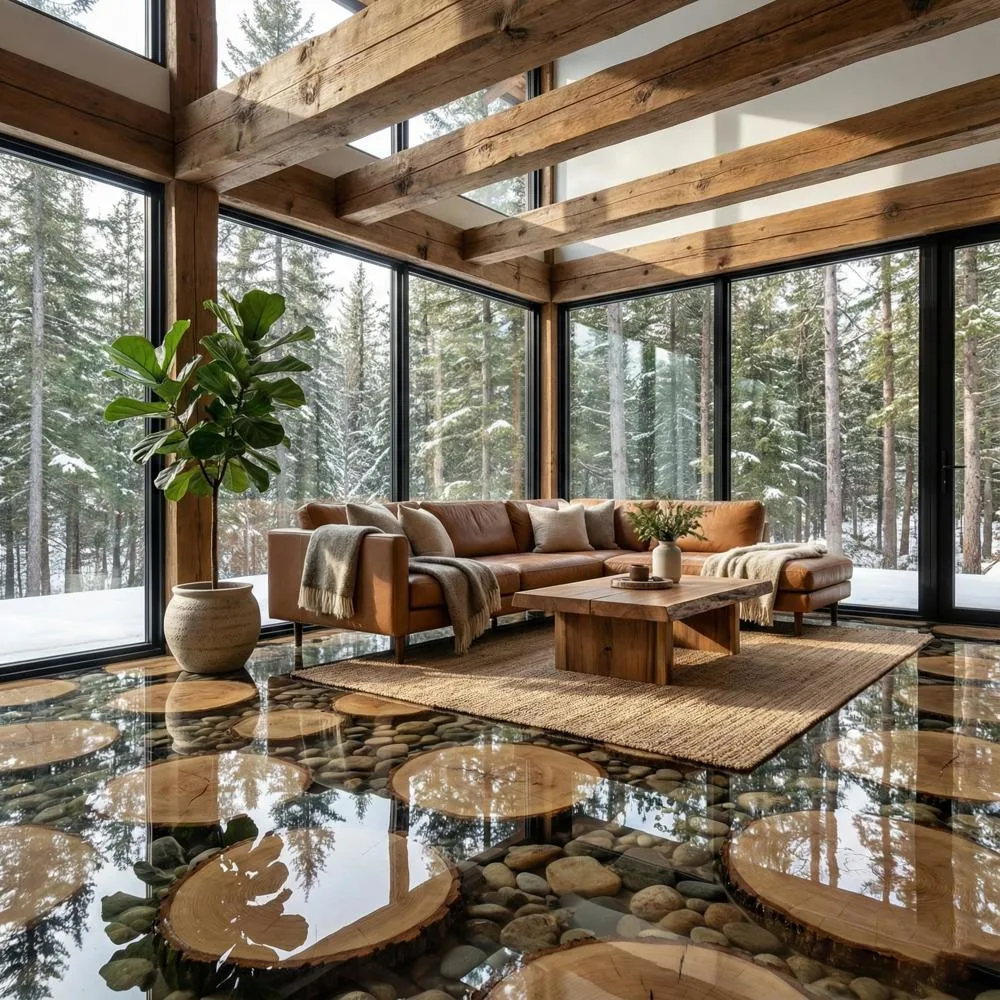
One of the advantages of a wood slab epoxy floor is relatively easy maintenance compared to traditional hardwood. Daily cleaning involves simple sweeping or dust mopping to remove loose dirt and debris. For wet cleaning, use a damp mop with pH neutral cleaner specifically formulated for epoxy surfaces. Avoid harsh chemicals or abrasive cleaners that can dull the finish over time.
Placing protective pads under furniture legs prevents scratches and indentations. Entrance mats help trap dirt and moisture before they reach the floor. While epoxy is generally water resistant, promptly wiping up spills prevents any potential staining or damage to the finish.
Addressing Wear and Damage
Even with proper care, wood slab epoxy floors may eventually show signs of wear in high traffic areas. Light scratches can often be buffed out using fine polishing compounds. Deeper scratches or damage may require professional refinishing, which typically involves sanding the affected area and applying fresh topcoat layers.
UV exposure can cause yellowing in some epoxy systems over time, particularly near windows or in rooms with abundant natural light. Choosing UV stabilized epoxy products during installation helps prevent this issue. Window treatments that filter UV light also provide protection while maintaining natural illumination.
Environmental Considerations and Sustainability
Sourcing Sustainable Wood
Creating an environmentally responsible wood slab epoxy floor starts with thoughtful wood sourcing. Reclaimed wood from demolished buildings, salvaged trees from land clearing projects, or fallen trees from storms all provide sustainable options. These materials give new life to wood that might otherwise be discarded while creating unique flooring with a story.
Working with local sawmills or tree service companies often yields access to interesting wood species at reasonable prices. Many tree services regularly remove trees and are happy to provide wood slabs rather than processing them as waste. This approach reduces transportation emissions while supporting local businesses.
Epoxy Environmental Impact
Traditional epoxy resins are petroleum based products with environmental concerns during both manufacturing and application. However, the flooring industry has seen growth in bio based epoxies derived partially from plant materials. While no epoxy is completely “green,” these alternatives reduce dependence on fossil fuels and may have lower environmental impacts.
The longevity of properly installed wood slab epoxy floors also contributes to sustainability. A floor that lasts thirty years or more reduces the environmental impact associated with replacement flooring materials. The durability means fewer resources consumed over time compared to flooring options requiring more frequent replacement.
Wrapping Up Your Wood Slab Epoxy Floor Journey
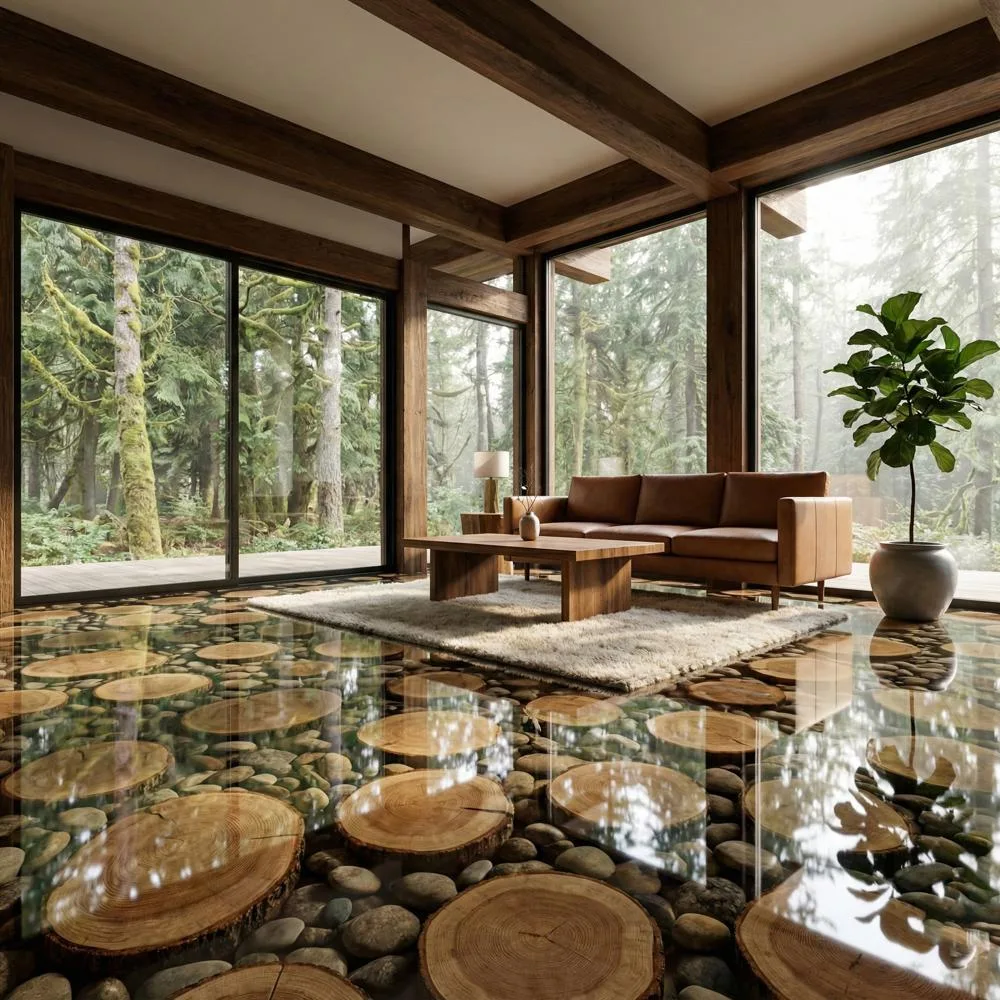
Creating a wood slab epoxy floor represents a significant investment in both time and money, but the results deliver unmatched beauty and durability. This flooring option transforms ordinary rooms into extraordinary spaces that showcase nature’s artistry preserved in crystal clear resin. Whether you choose professional installation or tackle the project yourself, understanding the process, materials, and maintenance requirements ensures a successful outcome.
The combination of natural wood character and modern epoxy technology produces flooring that stands up to daily use while maintaining its stunning appearance for decades. From rustic cabins to contemporary urban lofts, wood slab epoxy floors adapt to any design aesthetic while providing a conversation starting focal point. As you embark on your flooring project, remember that careful planning, quality materials, and attention to detail during installation create floors that truly stand the test of time.