
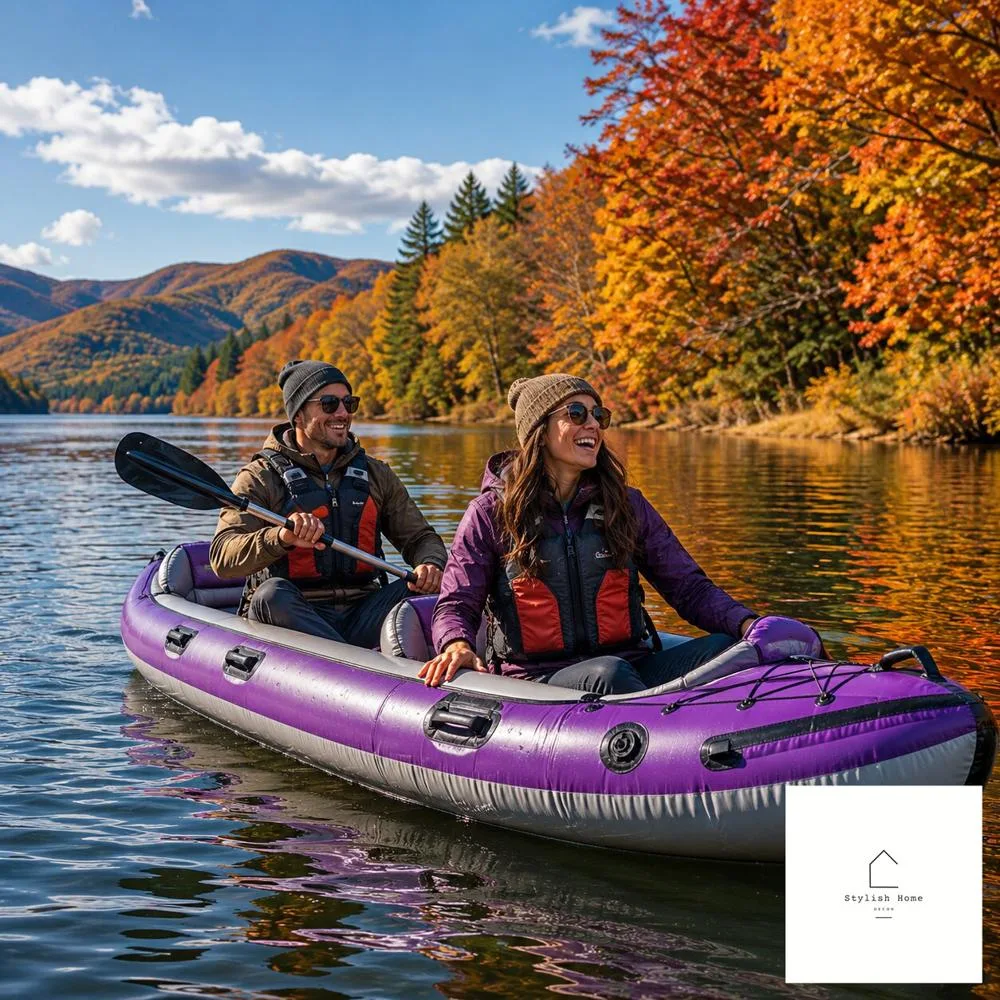
There’s a moment every paddler remembers. The boat slides off the shore, the world goes quiet except for water lapping against the hull, and suddenly the noise of everyday life just… stops. For decades, that moment was reserved for people with garages big enough to store a hard-shell kayak, trucks big enough to haul it, and backs strong enough to lift it onto a roof rack. The inflatable kayak changed that equation entirely, and it’s why so many of us who never thought of ourselves as “outdoor people” have found ourselves falling in love with paddling.
This guide walks through everything you need to know before buying an inflatable kayak in 2026, from choosing between a 1-person or 2-person setup, to fishing-specific features, motorized options, and the often-overlooked detail that makes or breaks comfort on the water: the seat.
What Is an Inflatable Kayak, and Why Is Everyone Talking About It?

An inflatable kayak is exactly what it sounds like, a kayak built from durable, air-filled chambers instead of rigid plastic or fiberglass. Modern versions use multi-layer PVC or reinforced fabric construction, often with drop-stitch technology that creates a surprisingly rigid, high-pressure hull once inflated.
The growth behind this category isn’t just hype. In 2023, more than 42 million people globally participated in paddling activities, with kayaking accounting for over 68% of total engagement. And within that surge, inflatables are the standout story. Approximately 42% of kayak buyers now prefer portable solutions such as inflatable and folding kayaks due to storage constraints and transport convenience, a number that keeps climbing as more people move into apartments and smaller homes without garage space for a 12-foot hard-shell boat.
The Rise of the Apartment Paddler
It makes sense when you think about it. Materials innovation has improved durability by nearly 35% over the past decade, increasing product lifespan to 7 to 10 years, which means the “it’ll just pop on a rock” fear that used to scare people away from inflatables is largely outdated. Combine that with inflatable kayak sales growing by approximately 15% in 2024 alone, and you start to understand why this is no longer a niche product. It’s becoming the default choice for a new generation of paddlers.
Built for Real Conditions, Not Just Calm Lakes
High-pressure construction has come a long way too. High-pressure drop-stitch construction technology has improved rigidity by 40%, making today’s inflatable kayaks perform far closer to hard-shell boats than the wobbly pool toys people might remember from years ago.
Choosing Between an Inflatable Kayak 1 Person and Inflatable Kayak 2 Person Model
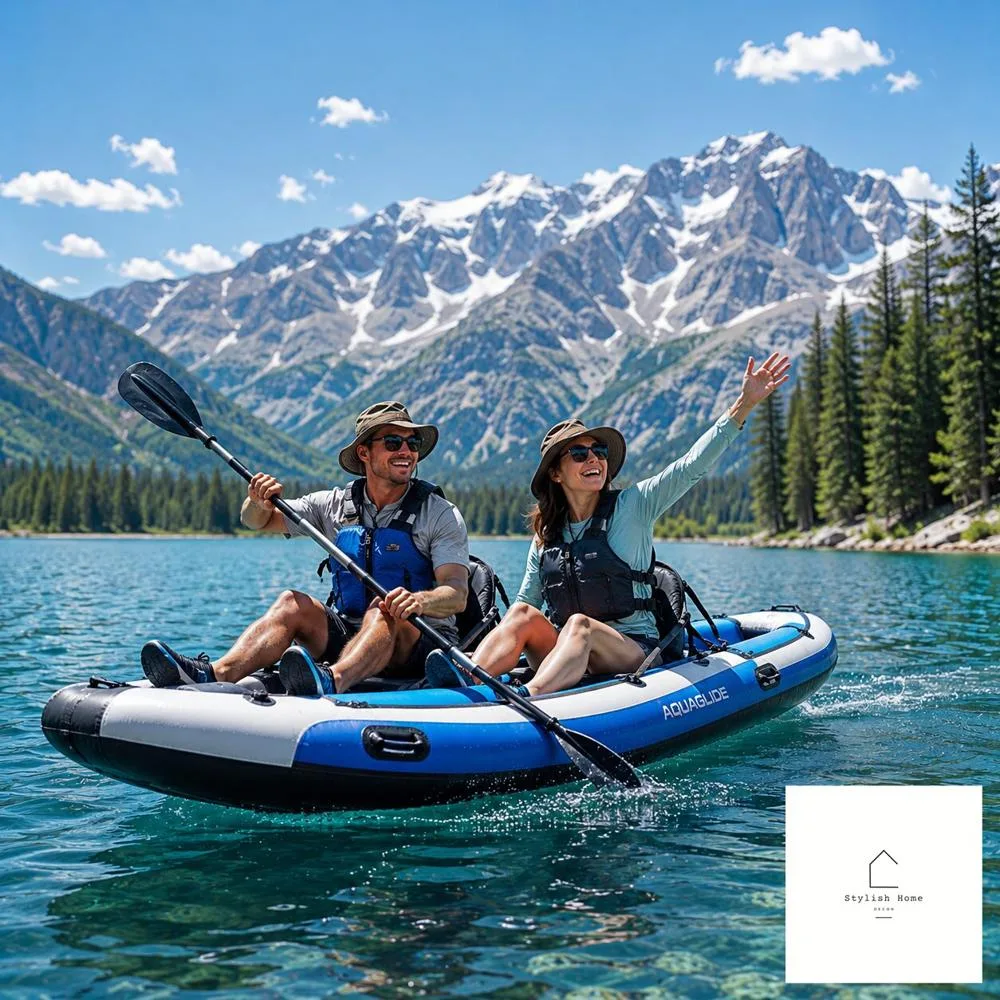
This is usually the first fork in the road, and it shapes everything else about your purchase.
Inflatable Kayak 1 Person: Solo Freedom
A 1-person inflatable kayak is lighter, easier to carry, faster to inflate, and far simpler to maneuver solo. If your dream is quiet mornings on a lake with just you, your thoughts, and maybe a thermos of coffee, this is your category. Solo kayaks tend to track straighter and respond more nimbly, which matters if you’re navigating narrow creeks or want to practice your paddle strokes without coordinating with a partner.
Inflatable Kayak 2 Person: Shared Adventure
A 2-person inflatable kayak (often called a tandem) opens up a different kind of experience entirely, the kind where you’re not just paddling, you’re sharing the moment. Tandem inflatables are popular with couples, parents introducing kids to the water, and friends who want company on longer trips. Many 2-person models also convert to solo use by repositioning the seats, giving you flexibility if your paddling group changes from trip to trip.
The tradeoff: tandem kayaks are heavier, take a bit longer to set up, and require some paddling coordination between passengers. But for many families, that shared rhythm becomes part of the appeal rather than a drawback.
Inflatable Kayak Fishing: A Category of Its Own
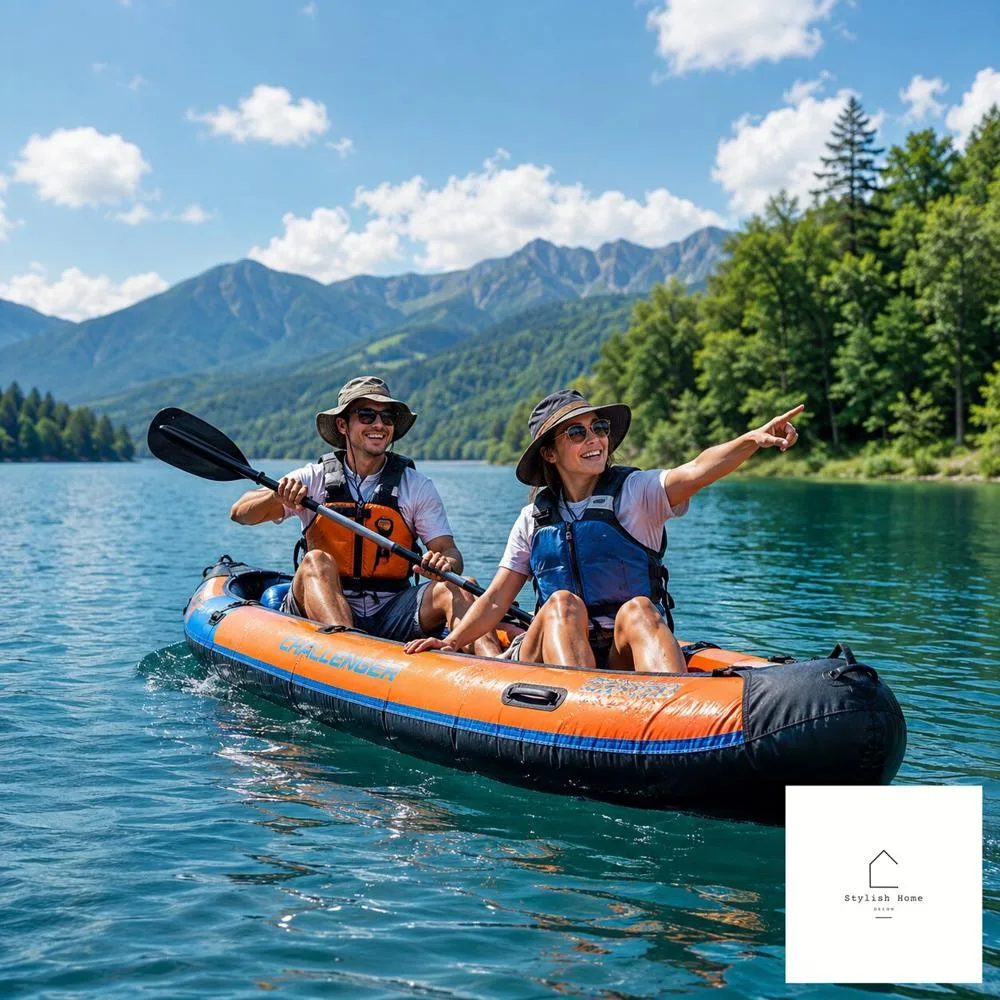
If there’s one segment proving just how serious inflatable kayaks have become, it’s fishing. Fishing kayaks represent the fastest-growing segment of the market at 6.2% annual growth, and inflatable models are a major part of that surge thanks to their stability and portability.
What Makes a Kayak “Fishing-Ready”
An inflatable kayak fishing setup typically includes a few non-negotiables: rod holders, a stable wide-beam hull designed to resist tipping when you’re reeling in a catch, multiple D-rings for securing gear, and often a raised, more padded seat for long hours on the water. Stability matters more here than speed, since you’ll be shifting your weight, casting, and sometimes standing.
Why Anglers Are Switching to Inflatables
The appeal isn’t just convenience. Inflatable fishing kayaks let anglers access shallow coves, narrow rivers, and tucked-away fishing spots that motorboats simply can’t reach. Inflatable kayak sales increased due to storage convenience in urban areas, and that same convenience applies to anglers who want to fish multiple spots in a single weekend without hauling a trailer between each one.
Inflatable Kayak with Motor: When You Want to Cover More Water
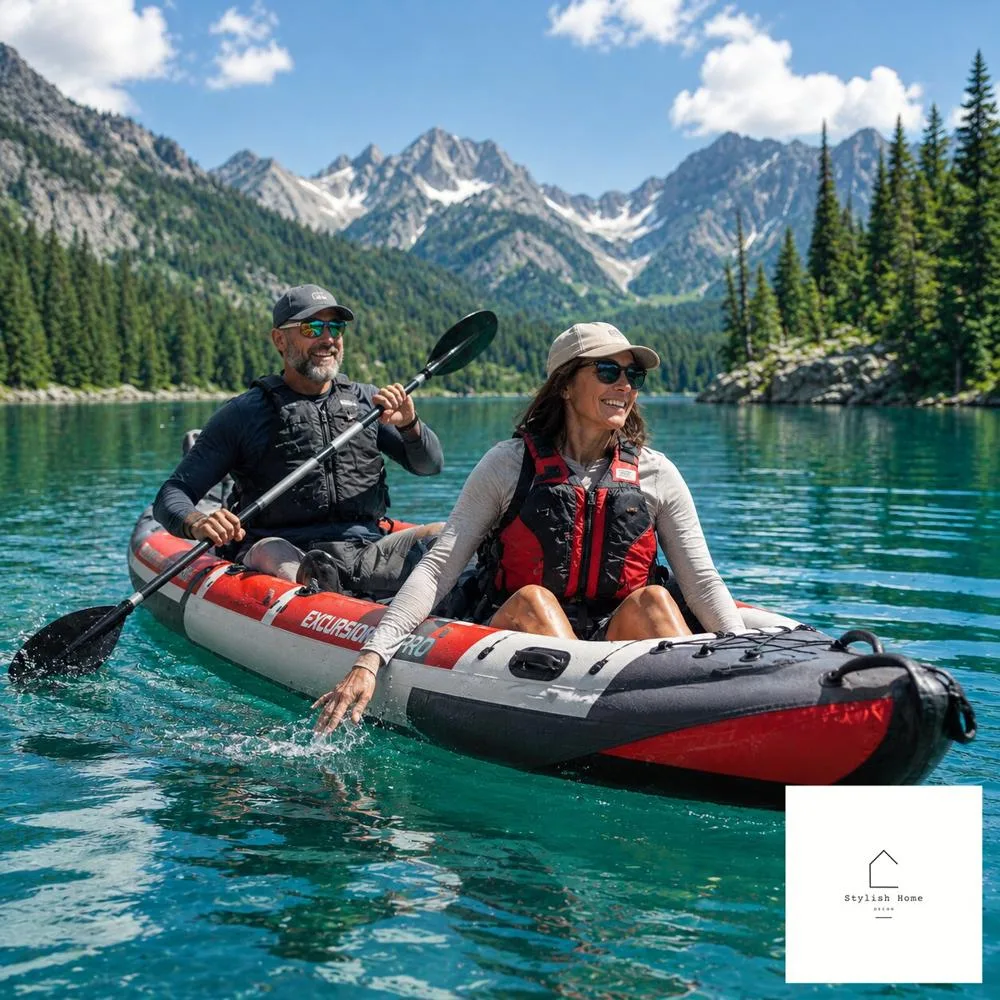
Not every trip is about leisurely paddling. An inflatable kayak with motor setup, usually a transom-mounted trolling motor attachment, gives you the option to cover longer distances, fight against current, or simply rest your arms after a long day of casting.
How Motorized Inflatables Work
Most motor-compatible inflatable kayaks come with a reinforced motor mount bracket built into the rear of the hull. Pair that with a small trolling motor and a marine battery, and you’ve got a lightweight, packable vessel that can do double duty as a paddle kayak and a light motorboat. This hybrid flexibility is especially popular among fishing kayak owners who want the option to switch between paddle power and motor power depending on conditions.
Things to Check Before Adding a Motor
Not every inflatable kayak is rated to handle the added weight and torque of a motor. Always confirm the manufacturer’s weight capacity and motor compatibility before attaching anything, since exceeding those limits can compromise hull stability and safety.
Inflatable Kayak Seat: The Detail That Changes Everything
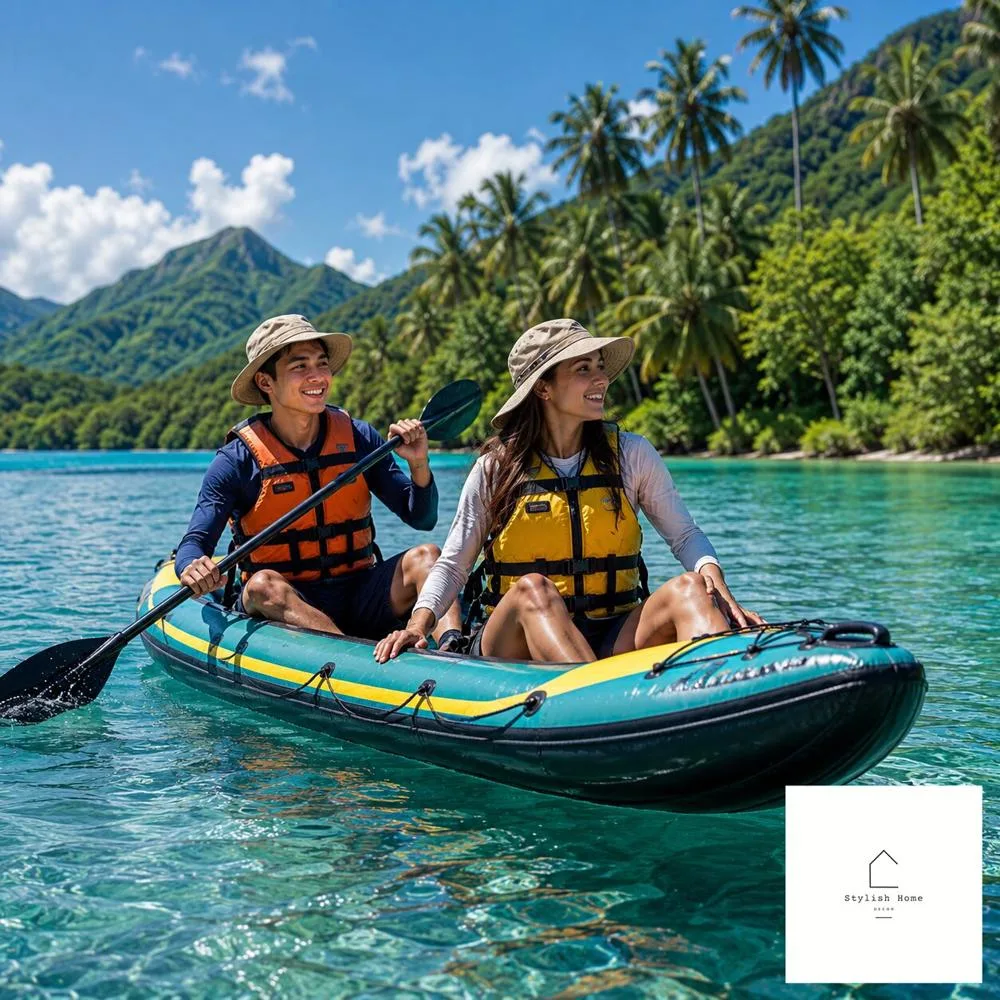
It’s easy to overlook the seat when you’re comparing hull material and weight capacity, but ask any experienced paddler and they’ll tell you: the inflatable kayak seat is what determines whether your three-hour trip feels relaxing or miserable.
High-Back vs. Low-Back Seats
High-back seats offer more lumbar support and are ideal for longer trips or fishing sessions where you’re sitting for extended periods. Low-back seats are lighter and offer more freedom of movement, often preferred by paddlers doing more active, technical paddling.
Adjustability and Padding Matter More Than You’d Think
Look for seats with adjustable straps so you can customize the angle and firmness, along with quality foam padding that won’t compress flat after a few uses. Some premium inflatable kayaks now offer removable, washable seat covers, a small detail that makes a big difference after a season of sandy beach landings and muddy riverbanks.
The Bigger Picture: Why This Category Keeps Growing
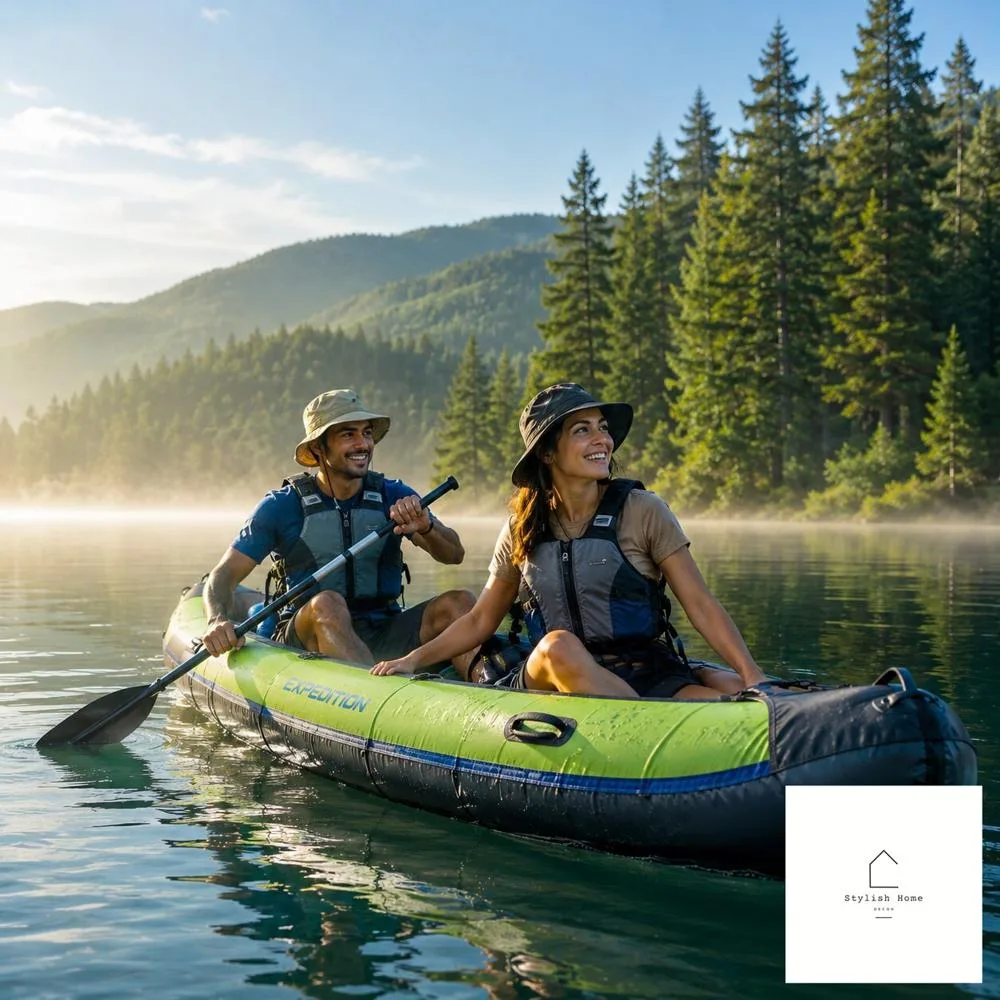
Numbers tell part of the story here. The market for sit-on-top inflatable kayaks, valued at USD 200 million in 2024, is anticipated to grow at a CAGR of 5.0% from 2026 to 2033, and that’s just one slice of the broader inflatable watercraft world. Market size for inflatable and folding kayaks was valued at USD 747.44 million in 2026 and is expected to reach USD 947.4 million by 2035.
But the deeper story isn’t measured in dollars, it’s measured in access. Inflatable kayaks have quietly dismantled the biggest barriers that used to keep people off the water: storage space, vehicle size, physical strength needed to lift a heavy hull, and cost. The appeal of inflatable kayaks is augmented by their convenience, affordability, and accessibility, making them an attractive option for both seasoned paddlers and novices. That accessibility is the real engine behind this category’s growth, and it’s why so many first-time paddlers are choosing inflatables as their entry point into the sport.
Caring for Your Inflatable Kayak So It Lasts for Years
A little maintenance goes a long way. Always rinse your kayak with fresh water after use in saltwater or muddy conditions, and make sure it’s completely dry before folding it for storage, since trapped moisture is one of the most common causes of long-term damage. Store it away from direct sunlight when not in use, and periodically check valve seals and seams for wear. With reasonable care, today’s higher-grade inflatable kayaks can comfortably last the better part of a decade.
Final Thoughts: Your Next Adventure Is Closer Than You Think
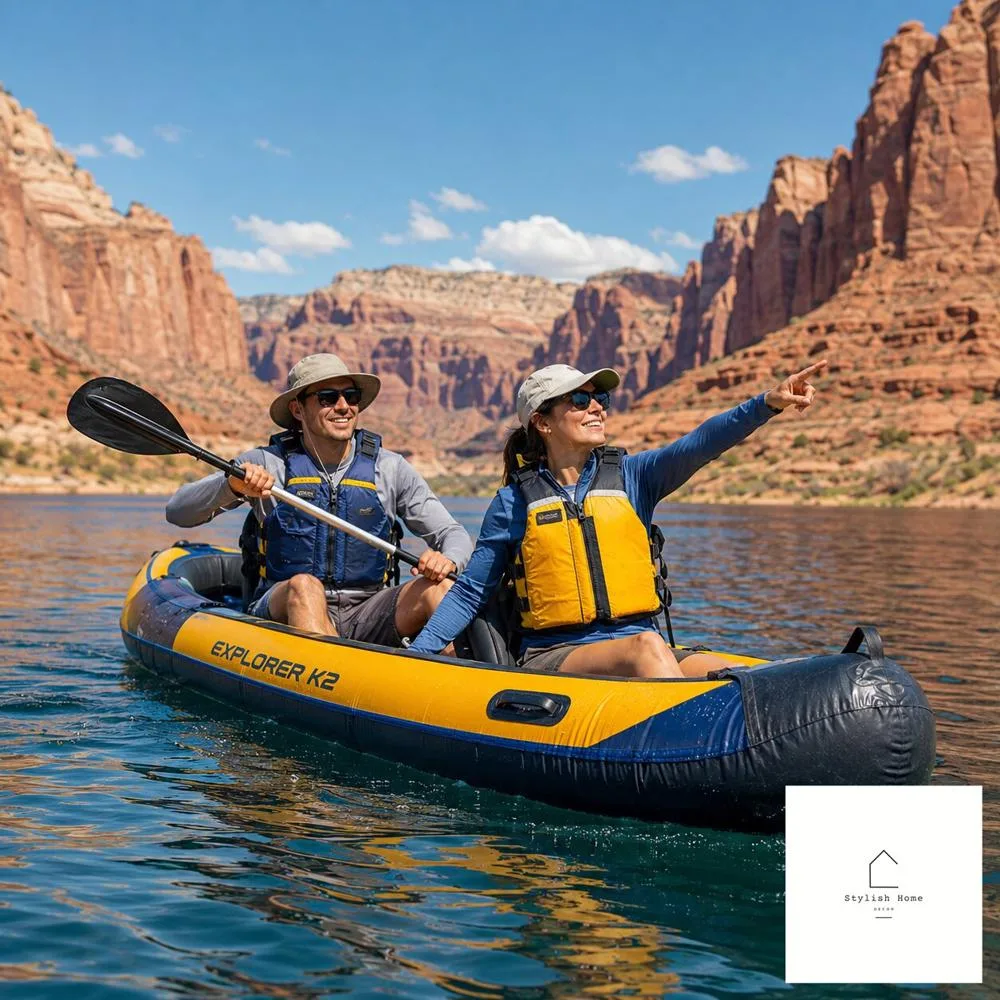
What makes the inflatable kayak story so compelling isn’t really about PVC layers or drop-stitch construction, even though that engineering matters. It’s about how many more people now get to experience that quiet, almost meditative moment of gliding across water, simply because the barriers that used to stand in the way have folded down small enough to fit in a closet.
Whether you’re chasing solo serenity in a 1-person kayak, sharing the journey in a 2-person tandem, casting a line from a stable fishing setup, adding a motor for longer range, or finally upgrading to a seat that doesn’t leave your back aching, the right inflatable kayak is out there waiting to turn your nearest body of water into your next favorite place.
Inspired by what you’ve just read? Discover more groundbreaking concepts at StylishhomeIdea.net, where AI turns imagination into design. From art and decor to one-of-a-kind digital creations, Stylish Home Ideas brings innovation home.
Follow us:
- Facebook: https://www.facebook.com/stylishhome/
- Instagram: https://www.instagram.com/trendingartworks
- Pinterest: https://www.pinterest.com/trendingartworks/